Gay Morris

Stillness and the Dance

Stillness and the Dance


“Exploring Stillness”
Flamenco Festival
New York City Center
New York
March 9, 2018


Since at least the beginning of modernity, movement has been considered the essential element of western theater dance. Movement is what gives dance its autonomy as an independent art; stillness, accordingly, is the antithesis of dance, a void. Occasionally contemporary choreographers have looked at aspects of stillness and its relationship to dance, but it is rare. Consequently, it came as a surprise when this year’s Flamenco
By Gay Morris
A Strong, and Interesting, Ending to NYCB's Winter Season

A Strong, and Interesting, Ending to NYCB's Winter Season


“Divertimento from ‘Le Baiser de la Fée,’” “Agon,” “Duo Concertant, “Symphony in three Movements”
New York City Ballet
David H. Koch Theater
New York
March 4, 2018


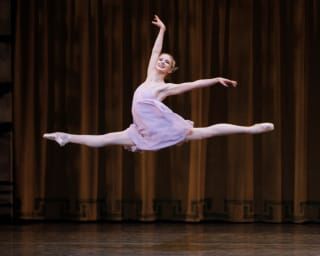
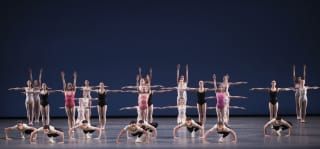
New York City Ballet’s final performance of the winter season consisted almost exclusively of Balan- chine/ Stravinsky ballets, often called “black-and-white” for their use of practice clothing for costumes. The one exception, while still a Balanchine/  Stravinsky work, was very different, but not simply because of its costuming. The

By Gay Morris
Flamenco Festival

Flamenco Festival


Compañía Eva Yerbabuena
March 9, 2018
Ballet Flamenco Jesús Carmona
March 11, 2018
Flamenco Festival
New York City Center
New York


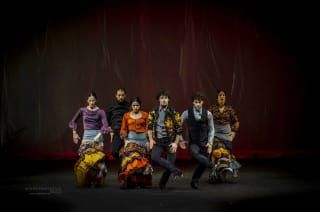
Each year the Flamenco Festival brings several of Spain’s major companies to New York. This year one of them was headed by a woman, Compañía Eva Yerbabuana, another by a man, Ballet Flamenco Jesús Carmona. The were very different, but less due to the gender of their directors than to their approach to the medium. Yerbabuena’s show,

By Gay Morris
An Uninspired "Romeo + Juliet"

New York City Ballet

An Uninspired "Romeo + Juliet"


“Romeo + Juliet”
New York City Ballet
David H. Koch Theater
New York, New York
February 13, 2018


Peter Martins’ version of “Romeo and Juliet,” which premiered in 2007, was never an inspired production. Titling the work “Romeo + Juliet,” Martins went on to whittle down the narrative to two compressed acts, never worrying much about logic, let alone nuance. But that is all water under the bridge. As most of the dance world knows, Martins, heretofore ballet master in chief of

By Gay Morris