White Magic
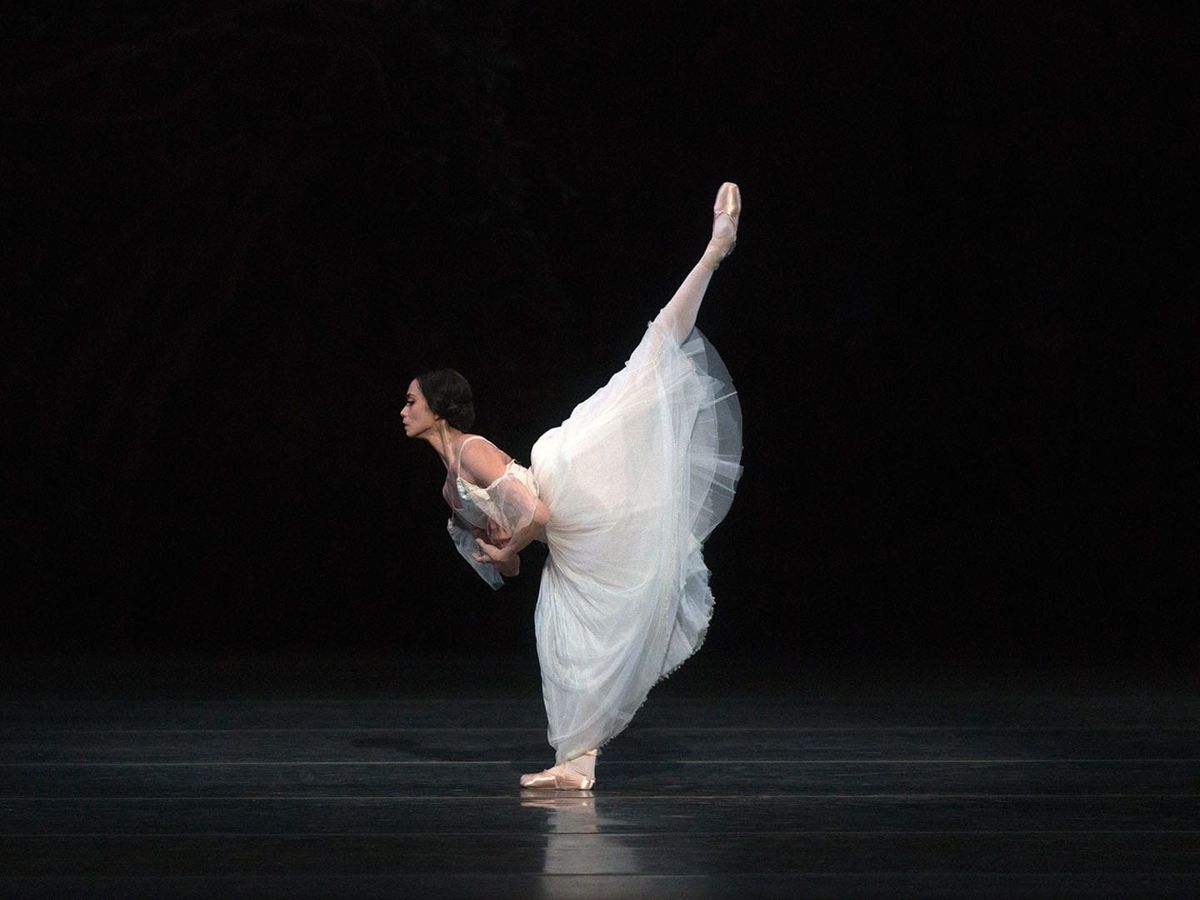
"Giselle"
American Ballet Theatre
Metropolitan Opera House
Lincoln Center
New York, New York
May 17, 2018
ABT's Giselle Week hooped along with a fine and moving, if not always technically perfect, performance by Stella Abrera and Cory Sterns, supported by an impressive debut by Katherine Williams as Myrta, a haunting mime scene by Nancy Raffa, and a sparkling and elegant peasant pas de deux by Skylar Brandt and Joseph Gorak.
Abrera's Act I Giselle was fresh and eager, though she sometimes pulled back a bit on the technical aspects. Her arabesques were often sketchy and rushed and she modified the Spessivtseva diagonal, coming down and changing feet every few hops, but her changes were musical and smooth, and so much more effective than straining for effect. Her Giselle in Act I was a bit generic, clear and sweet, but without many individual details. Her mad scene, though, was frantic and vivid, as she tried so desperately to retreat into her happy memories, and then breaking apart like a puppet who has lost its strings.
Abrera is really a second act Giselle, and she used her lyrical line and dramatic imagination to transform herself from a happy young girl into a sorrowful wraith. Her long, seemingly boneless arms seemed transparent and, if her jumps weren't stratospheric, they had the illusion of height as she floated effortlessly above the ground. She was a darker Giselle, as she, unlike most others, was not suffused with light after saving Albrecht; she was relieved but not triumphant, and there was an overwhelming sense of sadness as she disappeared; "he will never see me again" her dancing said. The grave, apparently, had taught her that love might last but it could not heal. She gave the ending a haunting and somber beauty.
Stearns was a conflicted Albrecht in Act I, truly loving her, but unable to give up his noble life; like Abrera's it was clear but somewhat lightly sketched and like Abrera, he shone in the second act. He enhanced her etherial dancing and the lifts were perfectly timed as she seemed to melt into the air. His dancing was especially juicy (such buoyant jumps) and perfectly controlled; those synchronized jumps seemed to be landed on moss. He seemed to dance in a daze, as if he was afraid his sorrow was creating an imaginary Giselle and the almost violent way he crushed the flower when Giselle's spirit first tossed it to him seemed a desperate plea for some physical proof that she was really there.
Katherine Williams is a tall, light, and very beautiful dancer with filmy bourrées, and it is a shame that this production didn't give her the second set just to prove that yes, she was moving that quickly. She was a more vaporous Myrta than the usual strong-minded vengeful queen, but her air of cold mystery created an unusual sense of danger; something that can be felt but not seen is much more frightening that a visible foe. It was a confident and striking debut.
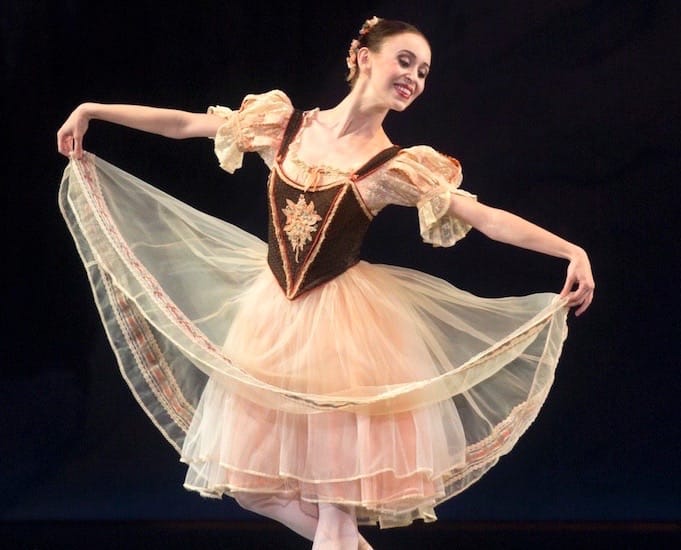
Nancy Raffa's Berthe was equally gripping as her face froze and her hand shook while miming the story of the wilis. Her superstitious but very believable terror was a reminder that forests back then were mysterious and terrifying places. No such fear touched Skylar Brandt and Joseph Gorak as they made even that Sovietized pas de deux seem refined and elegant. They were Meissen porcelain peasants, decorative and beautiful, and a joy to see.
Alexei Agoudine's Hilarion was not decorative he was earnest, brusque, and awkward. His misguided belief that the truth would set Giselle free was wrenching and his sad little gesture as he laid his flowers on Giselle's grave seemed to say "At least she can't reject these." Patrick Frenette's loyal, clear-eyed Wilfred showed how true the saying that "there are no small parts" is; his devotion to Albrecht, even knowing his duplicity, was a small but powerful sign that Albrecht was worth saving, even if, as Abrera's Giselle knew, he would never be truly happy again.
Copyright © 2018 by Mary Cargill



