Not Your Average Bird
“Swan Lake”
American Ballet Theatre
The Metropolitan Opera House
New York, NY
June 19 and July 18 (matinee), 2026
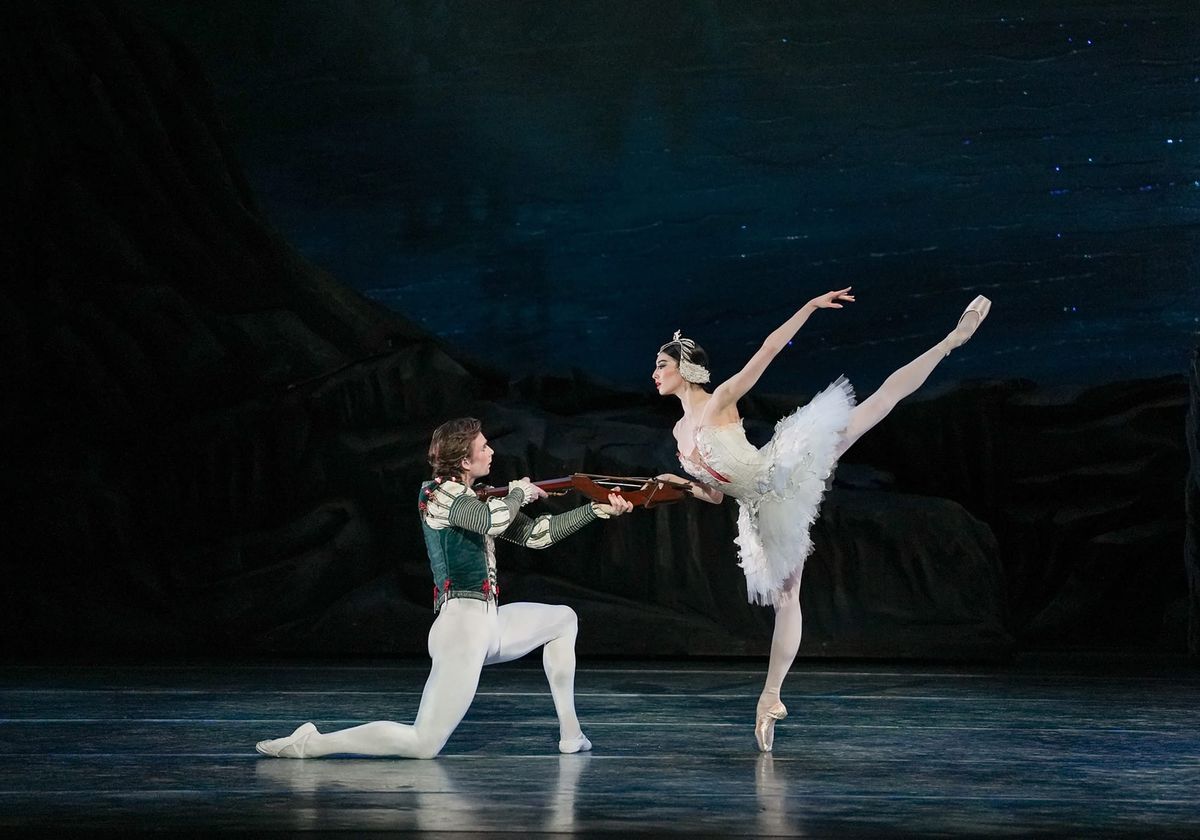
Much has been written about the splendor of Chloe Misseldine's dancing in American Ballet Theatre's "Swan Lake" over the past couple of years, including the debut that led to her onstage promotion, but little of it prepares one for the nuance of the live experience. In her third season dancing the dual roles of Odette/Odile, Misseldine has refined the cerebral treatment of her character – and, as two viewings a month apart confirmed, continues to. Coupled with the hopeful, purehearted romantic presentation of Prince Siegfried by Aran Bell, the performances told a story that was as heartbreaking as it was compelling.
All noteworthy ballerinas aim to make Odette their own, and the magic of Misseldine's portrayal was in the carefully crafted personality she presented. From her first lakeside appearance she was an assertive bird – curious, distrustful, but also allowing herself glimpses of faith as she took Bell’s measure. Shades of these qualities permeated the adagio, and even in moments where things did not go as planned, like one shaky arabesque in June, the characterization absorbed the flaw: it read as Odette hesitating, not Misseldine faltering. But Odette’s moments of weakness were rare, and Misseldine's commanding and thoughtful interactions showed a character diligently assessing this charming man, knowing full well that she could fly away at any moment – something Bell's Siegfried registered sagely, without responding to. By the end of their duet, hints of fear and distrust remained, but Bell won her over, and the qualities were no longer aimed at him but rather the possibilities – as though a premonition – even as she yielded into the attraction as a deliberate choice.
It was a masterfully developed psychological arc, and on the technical side, my one reservation at either performance was a want of softness in her arms – she arrived into most poses like a bird landing hard, wings first, rather than settling in softly. By July she'd smoothed most of that out in the adagio, and what power remained was mostly present in the coda, and to a lesser extent the variation, where it now read mostly as strength instead of strain.
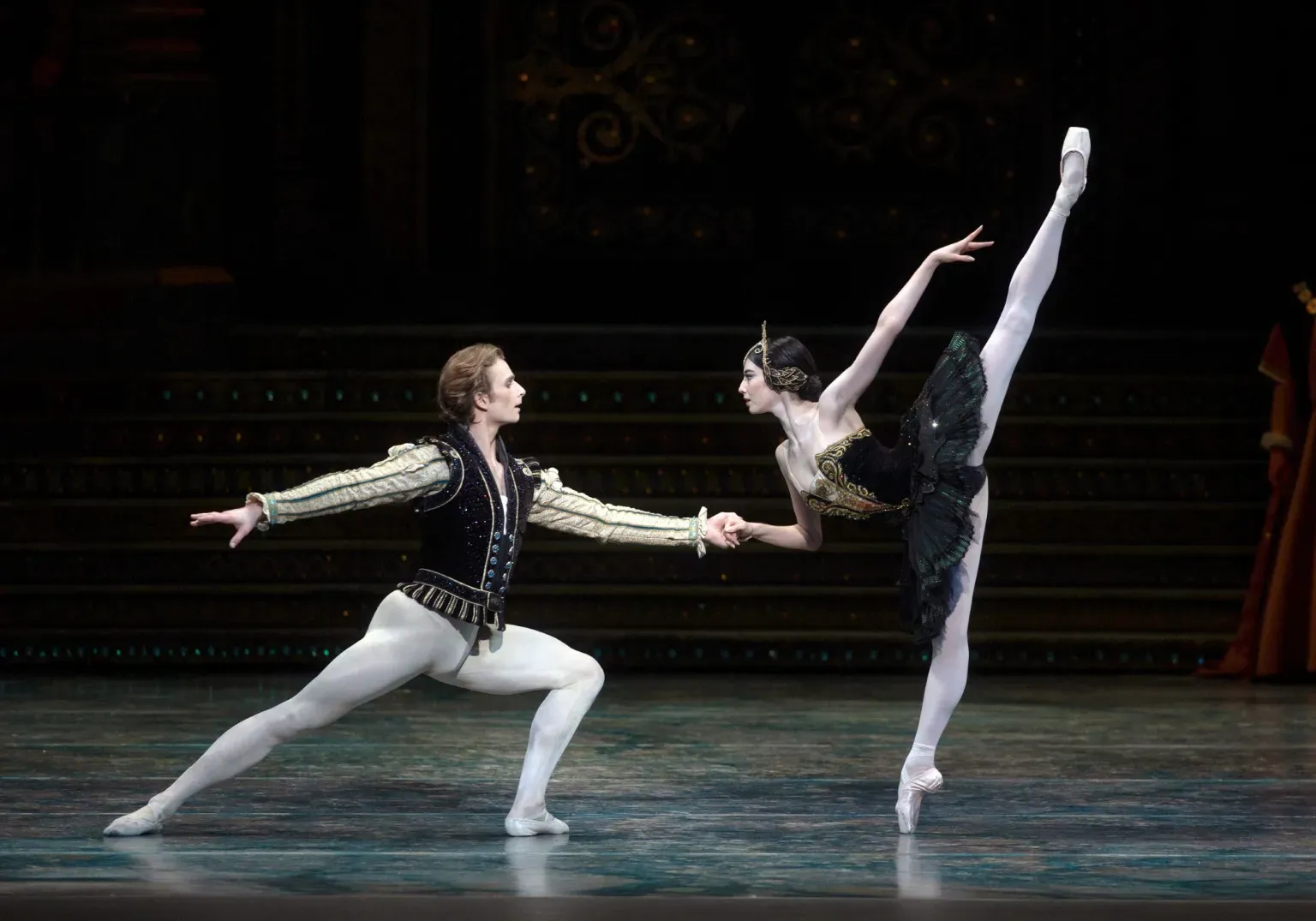
Then, echoes of that hardness resurfaced in the Odile role of the ball scene – and worked. While Bell remained the inspired Prince, Misseldine presented a powerful, beautiful woman with fierce confidence and predatory instincts. As the seduction of their valse proceeded, Bell would step aside to process this new chapter in his attraction, and she would crouch, almost unattractively, her arms contorting into wings that looked sinister, assessing the development. In some ways, the roles were now reversed – it was Bell’s Siegfried who had to do the calculations, his good-natured character’s core working against him.
The variations were where these qualities both continued and informed the technical showcases. Fitting for Bell’s character, he ended each turn with perfect stillness and precision, much befitting a royal event and a kind, refined Prince. Misseldine, for her part, pulled the rest of the stops out of the feral sides to her anti-heroine, indulging in the technique as though showing off undefeatable power. In June she focused on balances, ending each turn by lingering on pointe before settling to full foot and having her arabesques threaten to almost inappropriately outlast the music; in July it was all about turns, her solo opening with a triple pirouette into a triple attitude turn, leaning into the dynamics rather than a static treatment. On both occasions the codas drew a response from the audience that I haven't heard at the Met for opera or ballet in over a decade – genuinely rapturous. That momentum carried into the final act, where the couple didn't oversell the rushed, hard-to-parse suicide ending.
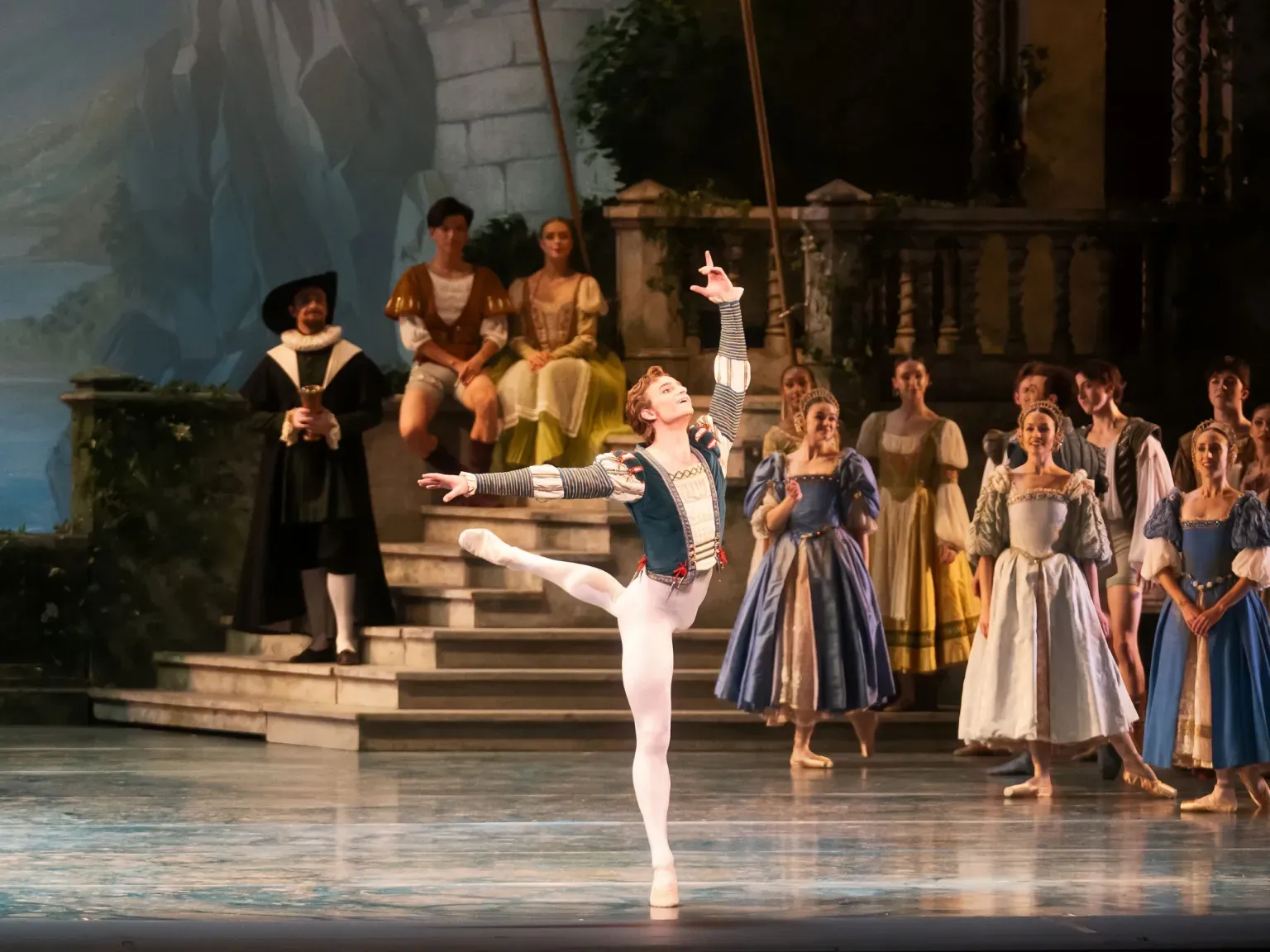
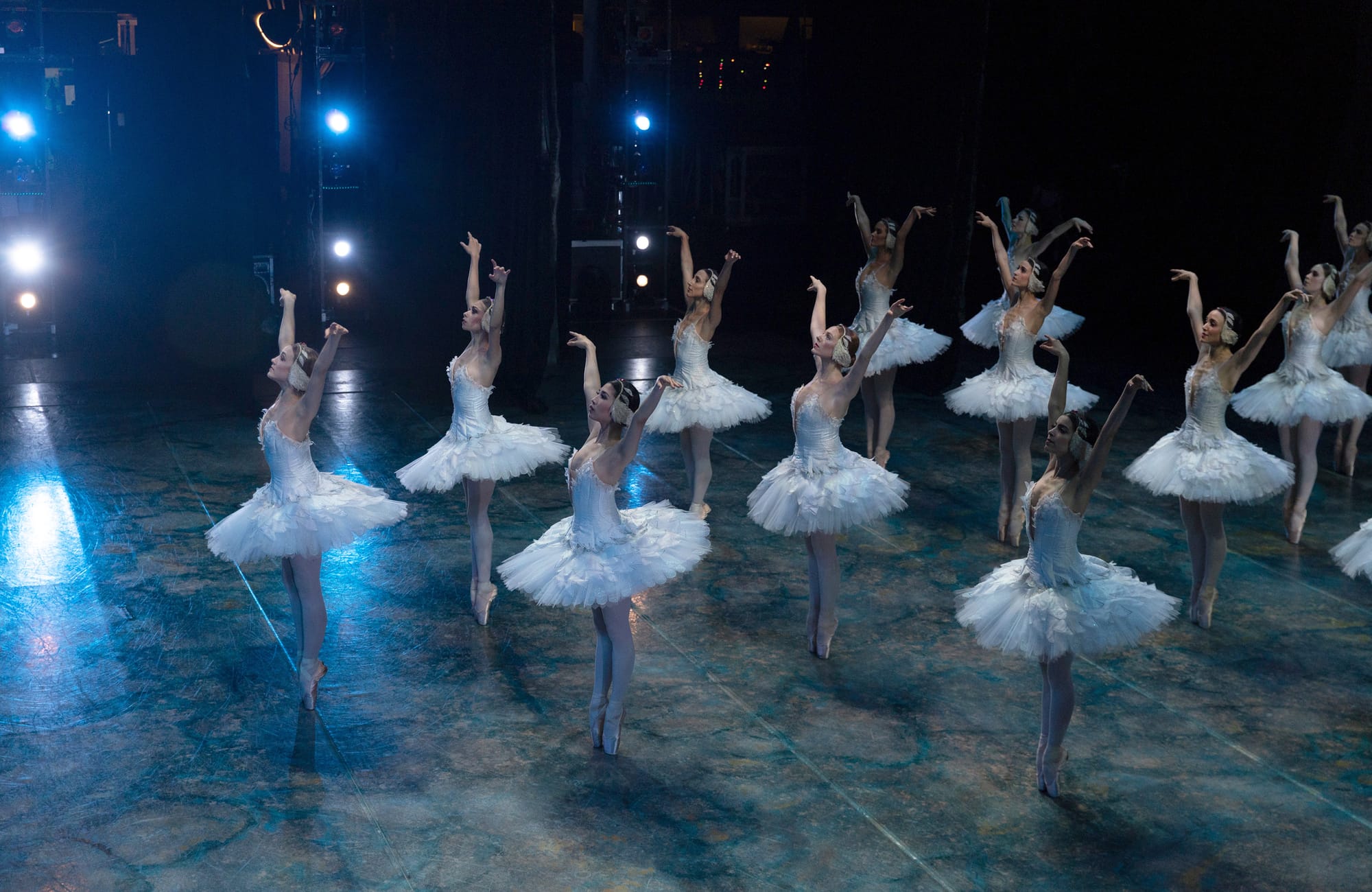
Much of the credit here is for what these two dancers overcame, not just what they performed: this is a flawed, quarter-century-old production, and they consistently softened or elevated its weaker parts. The cartoonish prologue was easy to forgive once Misseldine's lingering, not-quite-avian arms turned up again among the swans – proof that whatever had transformed the woman, the mannerisms had followed her. The awkward mime passage, in which Odette recounts her story – broken heart, strong arms, pouring tears – often feels like a long and unnecessary detour from the dancing; here it was smoothed over, with Bell appearing mesmerized and descending into disbelief at both the story and Odette's beauty, while Misseldine gave the choreography just enough detail to satisfy it without tipping into parody. The odd blocking of the swan groups was easy to overlook with such stars on stage, and if there was one part of the ballet that was beyond these leads’ rescue, it was that woefully truncated last act – the audience would have gladly sat through more of their dancing, and I would have loved to see this ballerina tackle the scene where Odette returns to the lake, in grief, with news of Siegfried's accidental betrayal.
In less dramatic and plot-driving scenes, Bell was well served by the rest of the cast throughout the run. Carlos Gonzalez, as the dignified, watchful friend to the Prince in June, brought an impressive manège to his Act I pas de trois variation. Elisabeth Beyer gave a solid account of her variation in both performances, working harder for lift and extension opposite the ethereal Fangqi Li in July than she had opposite Breanne Granlund in June. Jake Roxander, whose Neapolitan Dance in June featured turns that seemed to have no end, was promoted to Principal within weeks of that performance – as earned a promotion as anything else on that stage.
Perhaps, in years to come, we will get to see these dancers take on richer versions of the ballet, and the supporting cast – lead roles. Whatever they bring to it, it will be worth watching.
copyright © 2026 by Marianne Adams