Love in a Cottage
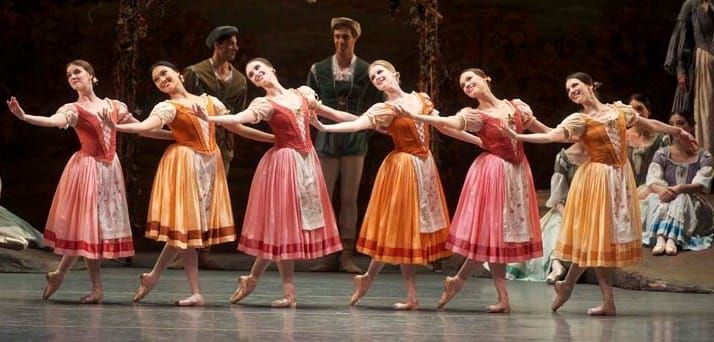
"Giselle"
American Ballet Theatre
Metropolitan Opera House
Lincoln Center
New York, New York
May 16, 2018, matinee
ABT has a solid version of the Romantic classic "Giselle", with beautiful, traditional designs which, even if the first grape was harvested in 1987, look vivid and fresh. Though some of the stage business could be rethought (Bathilde's nose now almost scrapes the sky, eliminating the sad irony of the two girls sharing their love stories, and why, if all the nobles troop off for the hunt, does the fateful horn get left behind) the production lets the principals develop individual characters. Sarah Lane and Daniil Simkin, as the tragic couple, had obviously thought deeply about their roles and their performances had many small and telling details.
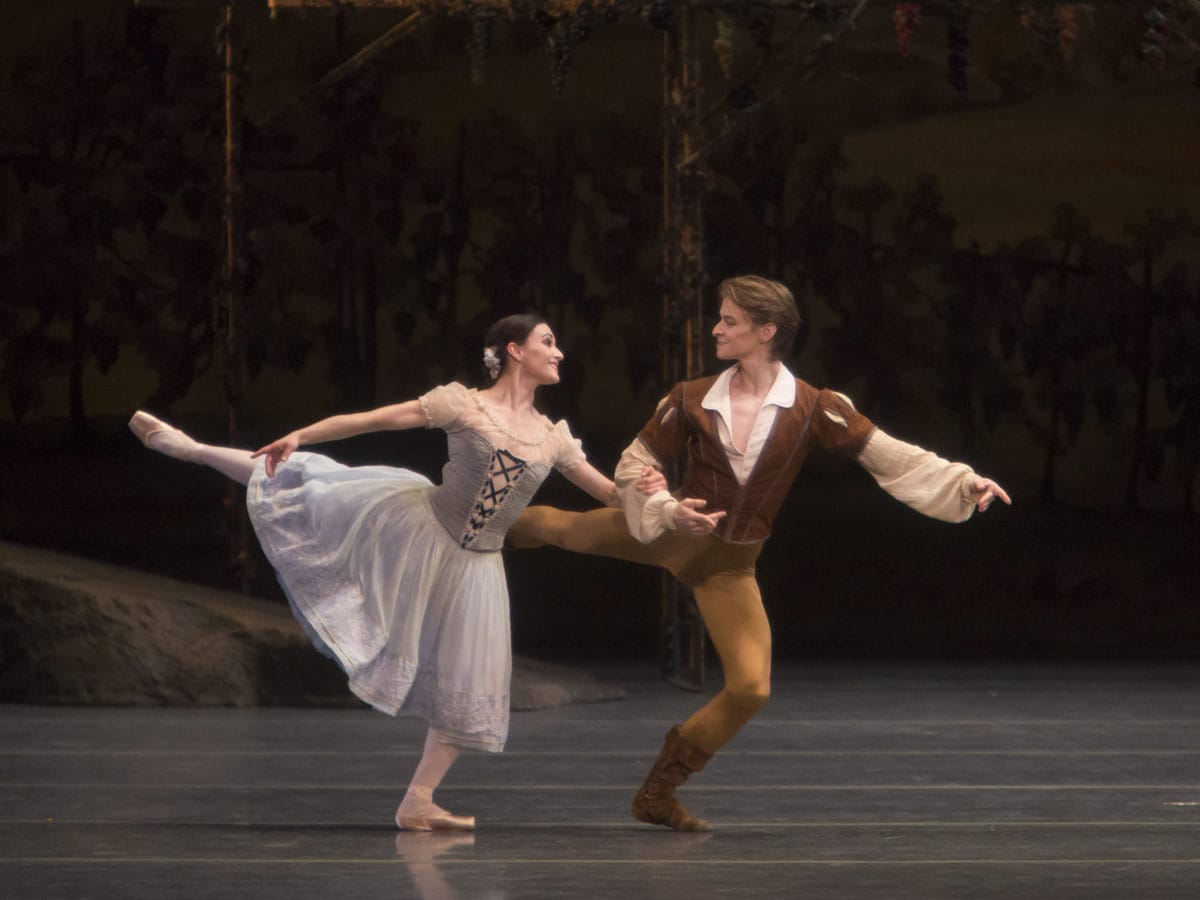
Lane's Giselle, only her second at the Met, was, unusually, more nuanced, subtle, and moving in Act I that Act II, incandescent though her second act was. Her Act I Giselle was the traditional dance-loving young girl with heart problems, but she gave the role a vivid physicality, luxuriating in the connection with Albrecht, leaning against him, eager for his touch. It was no surprise when she ran straight to his arms when frightened by the story of the wilis. She also glowed when she caressed Bathilde's gown, letting the audience see that she reveled in the feel of the velvet as well as the pure beauty of the fabric. Her Giselle was both sensuous and innocent, and she led with her heart; when overcome by faintness, her first thought was that Albrecht not be worried. It was a sweet and completely natural performance.
Her mad scene had a frozen intensity, as Albrecht's treachery sunk in, and her automatic, deferential curtsey to the nobles when they answered the horn was a small, telling reminder of her peasant status, so ingrained that even madness could not remove it. It seemed that Birthe rubbed her face with flour as well as loosening her hair, as she turned absolutely white, a vivid and almost frightening physical transformation.
Simkin's Act I Albrecht, too, had detail and nuance. He used his slight form and boyish looks to create a youthful, slightly petulant Count who dismissed Wilfred with an almost sulky scowl. He could not completely ignore his conscience though, as his brief, guilty glance towards the castle during Birthe's warning showed. Simkin used his body to show his evolving moods, strutting proudly at the beginning and then dropping his shoulders like a guilty child when caught in his lie, lashing out at Hilarion to try to deflect the blame, and then finally standing open-hearted to accept his guilt.
Their dancing, too, was buoyant and musical. Those treacherous hops on point were firm and secure, almost floating across the stage and Lane's upper body was relaxed and free, as she kept her eyes on Albrecht. There is little actual partnering in Act I (no lifts or complicated turns), so Simkin was able to dance freely, which he did with an expressive flair that avoided any hint of showboating.
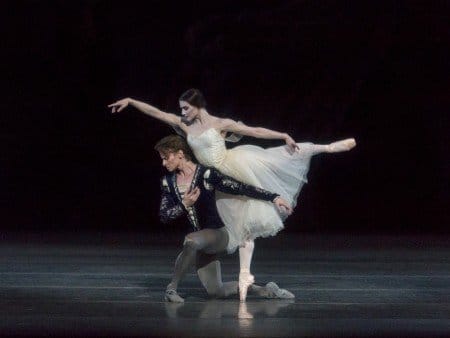
The Act II partnering is trickier, and the two overhead lifts were a bit tentative, while the lower ones, where Albrecht should look like he is cradling mist, looked a bit staccato. Lane, too, had a bit of trouble with the slow développés, but the rest of the adagio was seamless. Lane danced as if she had not yet quite shed her humanity, and her deferential bow to Myrta, so similar to her bow to Bathilde, showed the ghost was still a young girl. Though she may have gained a soul, her love seemed to keep her human and she, more than most Giselles, seemed physically to reach out for Albrecht. It was a moving performance, but not as emotionally wrenching as her Act I.
Simkin's lightness, which worked so well in Act I, did not have all the tragic weight that Act II can have, and he occasionally seemed to veer into photo op territory for the iconic poses. His final scene, though, as he cradled the flower, was simple and dignified, as he seemed to be almost serene knowing that despite everything, he was loved.
Copyright © 2018 by Mary Cargill



