Heart and Soul
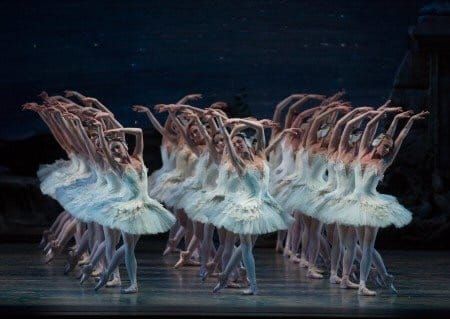
"Swan Lake"
American Ballet Theatre
Metropolitan Opera House
New York, NY
June 11, matinee 2025
After last year’s New York debut in “Swan Lake”, the critics all raved about Chloe Misseldine’s performance and her on-stage promotion to principal. I didn’t see it so wondered if her 2025 “Swan Lake” would live up to the hype. The answer is “No”—it far exceeded it. Not since the old Royal Ballet’s performances have I seen an Odette who made the emotional arc of the pas de deux so vivid and so immediate. Of course, the Royal Ballet at that time had an exemplary production, set in the mythical Middle Ages, with an elegiac, sculptural last act. The issues with ABT’s current Keven McKenzie production have long been evident, and it is clear that after 25 years they are not going to improve, but the clarity of Misseldine’s mime certainly showed some of them up. She made it clear that the mysterious lake was made from her mother’s tears, mourning for her swan-daughter, but the set design clearly showed that Siegfried’s old castle was built beside it, and the irritating and unnecsssary Prologue (fairy tales don't need prequels) showed that the Swamp Man lived in the lake before capturing Odette as she was running around in her nighty. Not only does this contradict her story, it ruins the drama of Odette’s official entrance where music builds the excitement of her leap onto the stage—what is the surprise when the audience has already seen her? And while no one would ever think Siegfried was a candidate for Mensa, it does seem that he or someone in his retinue would notice a lake suddenly appearing at his front door.
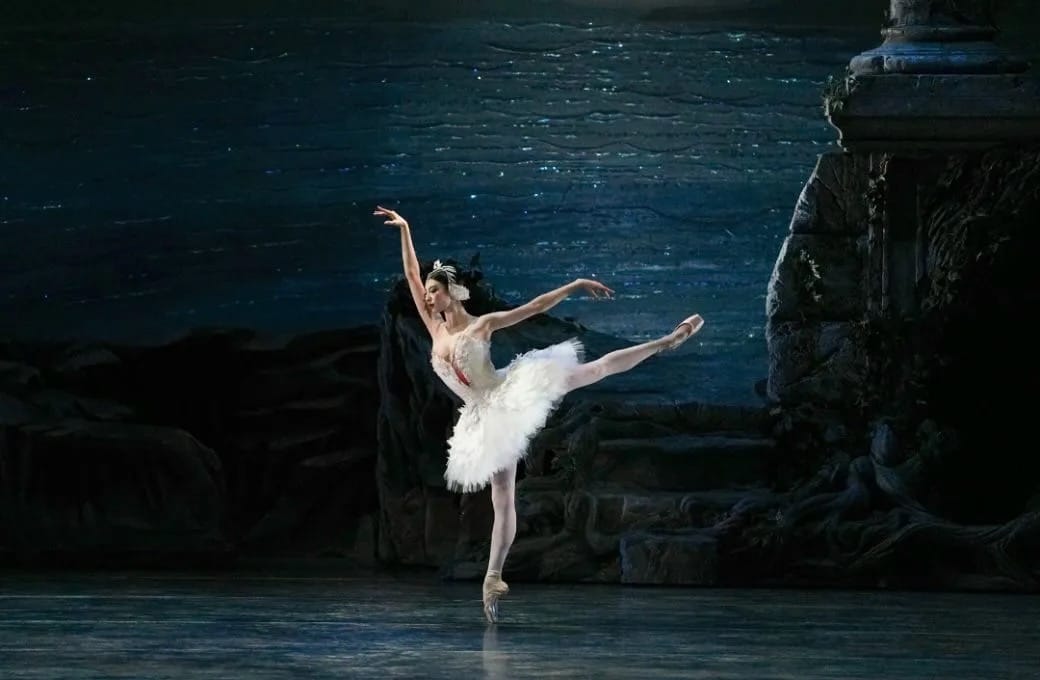
But McKenzie has more or less left the white act in Ivanov’s hands and Misseldine’s performance made the vulgar, mundane, and often boring choreography of the other acts irrelevant. She is tall, with long, slim arms and legs, which she controlled beautifully; her backbends were astoundingly fluid and she was able to freeze in the iconic Odette arabesque while somehow trembling in fear. She was swanier than many other Odettes, though nothing was overdone or mannered—even the “swan arms” exit, so often an Art Nouveau extravaganza, was a mini-drama, as she froze, then with apparent reluctance, rippled her arms slightly, as if she were struggling in vain to remain human. There was something not quite human about her movements and she used her face and her eyes, so perfectly framed by the flattering headdress, to create theatrical magic.
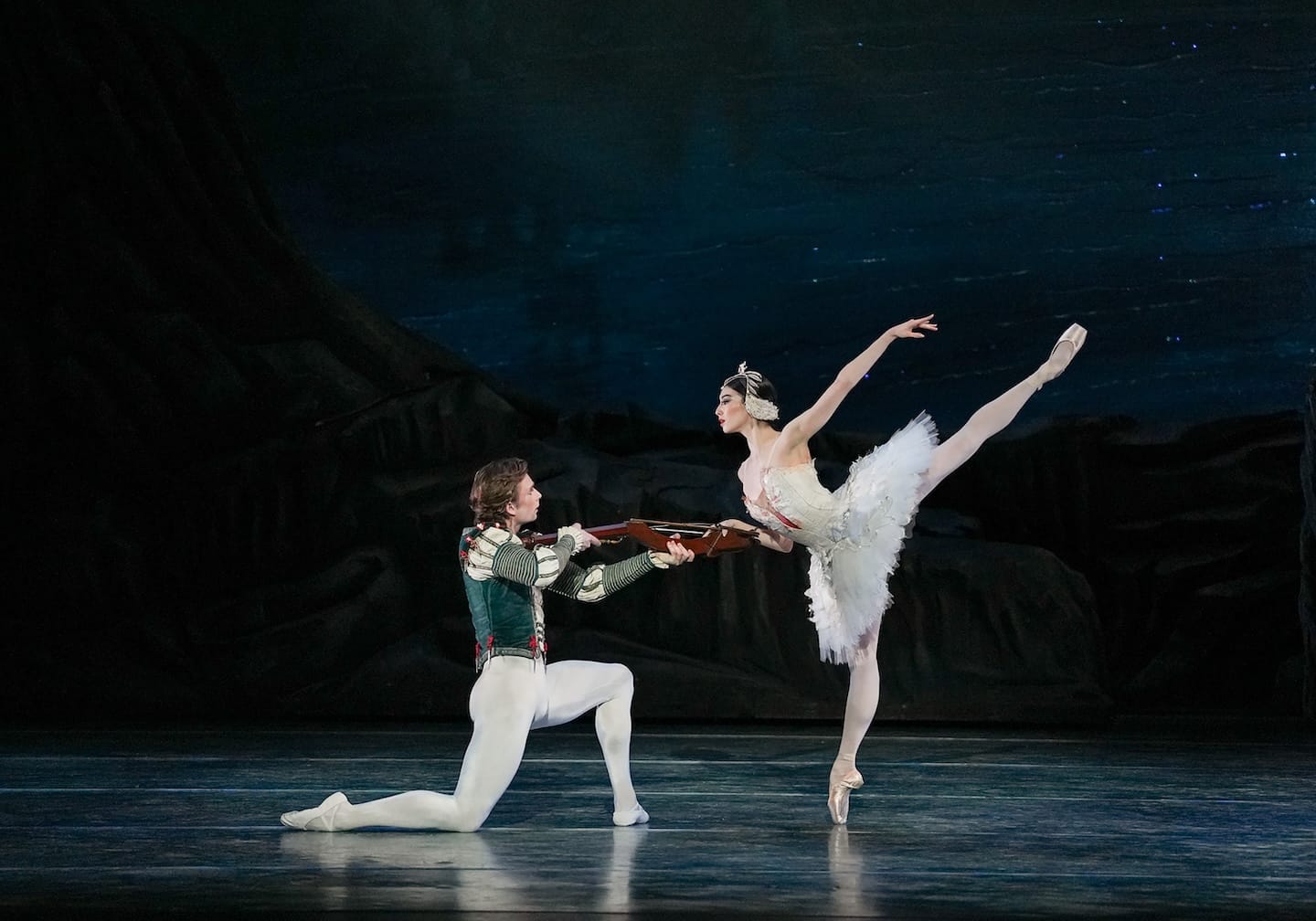
Though they never looked mannered or over-rehearsed she and her sympathetic, supportive partner Aran Bell seemed to have calibrated every second of the pas de deux; it was almost beyond dancing as they moved with the expressive clarity of a silent film, showing every thought and emotion, every hope and fear. “Sublime” may seem like hyperbole but it is hard to imagine a more emotionally wrenching performance. Even the lovely quiet “nestling in his arms” moves had an arc, as Misseldine barely let Bell touch her for the first one, moving away as if she were afraid, and then, finally relaxing in his arms with such hope and relief that it seemed as if, for once, love might win.
But of course it didn’t, thanks in part to Misseldine’s predatory Odette. She was sharp and slightly contemptuous, tricking rather than seducing him. Her fouettés were strong, with many doubles, and though she did travel forward a bit she seemed completely in control. Poor Siegfried appeared to be in a daze, until he exploded with a ferocious joy, bounding on in the coda with soaring jumps and impeccable turns into arabesques. They made the most of the anti-climactic last act, though the sight of the poor swans running back and forth in the storm until they lay down face first on the wet ground doesn’t add much to the atmosphere. Misseldine and Bell underplayed the melodramatics and let the powerful music tell the story. This sorrowful reticence made their strong, powerful jumps even more moving; Bell’s body seemed to bend backwards from the force of his grief.
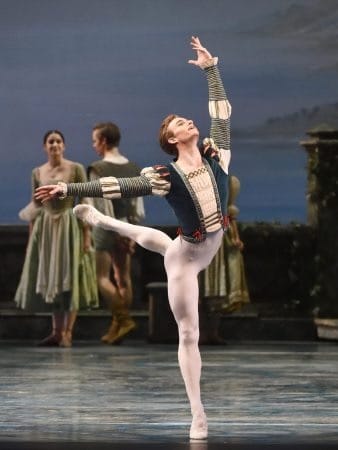
Though the old Russian ballets do tend to favor the women, Bell gave as nuanced a performance as possible, given the production’s skewed focus, which favors jumping over feelings. The poor prince in the first act has to shift between melancholy drooping and enthusiastic dancing at the drop of a garland, but all the jumping in the world can’t make up for the botched ending, where Siegfried creeps off stage before he can hear the lovely swan theme calling him to his destiny, leaving the audience to focus on some drunken peasants. Bell is a strong yet lyrical dancer with an expansive line and a quiet but captivating stage presence and even though he had to spend much of the first act practicing his jumps or fighting off the palace hussies he managed to convey much of Siegfried’s dignified isolation.
The company looked very good; I was especially impressed by the generous enthusiasm of the Act I corps, who looked as if they were thrilled to be celebrating Siegfried’s birthday. Zhong-Jing Fang was an engaged Queen Mother, with clear and explicit mime, though why she would criticize Siegfried’s drinking when there wasn’t a goblet in sight is yet another puzzle this production doesn’t solve. Patrick Frenette, Sierra Armstrong, and Virginia Lensi danced a strong pas de trois, smooth and joyful. Frenette’s elegant sideways jumps and solid landings were especially impressive, as was his concern for Siegfried. Cy Doherty, who, several years ago as an apprentice made the poor Don Quixote such a vivd character, gave the green von Rothbart a creepy power, especially in the final scene, when, in his despair, he seemed to disintegrate, his body almost melting from the heat of his anger. It is a shame he wasn’t in a production that deserved his talent, but at least Misseldine and Bell elevated its heart and its soul.
© 2025 Mary Cargill



