Build a Future On a Great Past
“Trio Élégiaque,” “Flight,” “The Dream”
American Ballet Theatre
David H. Koch Theater
New York, NY
October 31, 2026 (matinee)
The last program offered by American Ballet Theatre as part of its far too brief fall season took a risk by presenting the choreography of its young corps de ballet dancer, 21-year-old Brady Farrar, along with a trusted workhorse, Frederick Ashton’s “The Dream,” and an odd misfit of a solo by Jae Man Joo, “Flight.” The combination registered oddly on the palate, with no thematic flow, though each work left a wholly independent mark.
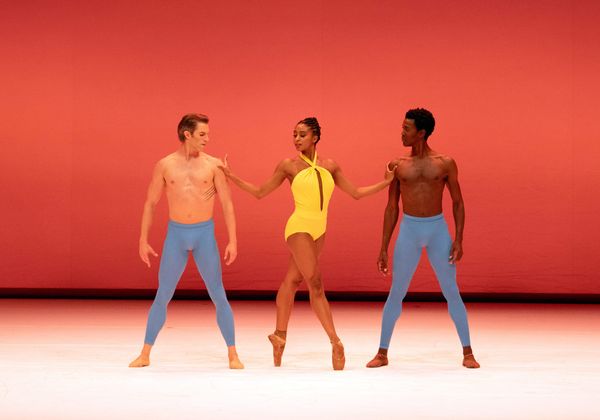
Farrar’s ballet was perhaps too reminiscent of Jerome Robbins’s “In the Night” in its use of the lilting “Trio Élégiaque No. 2” by Sergei Rachmaninoff, three couples in different colored costumes by Mark Eric, and deeply romantic expression. Unsurprisingly, many leapt to the comparison upon seeing the dance, which is a shame. The couples may have counted three, and may have danced a romantic story told in classical terms, but examined closely, that is where the comparison ends. Unlike with Robbins, these couples were not independent entities, but a collective trio, each continuing a thought started by another with movements carried forward. At one point, it happened literally: as one couple receded into the wings at stage right, another emerged from the other side of the stage, dancing quite similar steps and advancing. Like a page turn mid-sentence, the crafting was cohesive, rather than presenting three distinct relationships with distinct characteristics.
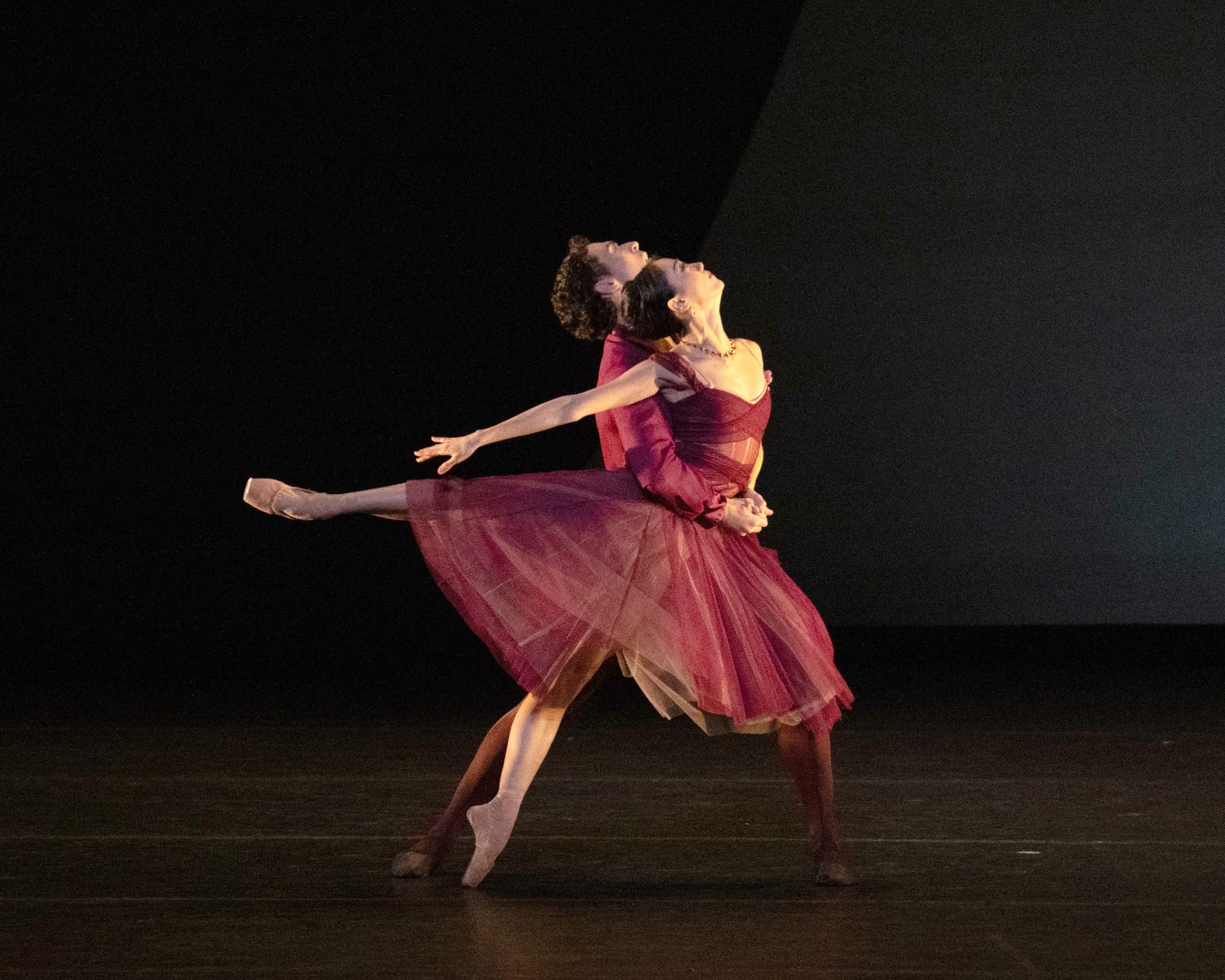
It was evident from the start. Devon Teuscher stood midstage with her back to the audience, arms gently draped on Aran Bell’s shoulders, and the dance launched into a conversation in which she danced toward the hall, then came back to him. He was a romantic partner; she exuded poise and elegant drama. Big lifts and careful turns soon yielded the stage to Léa Fleytoux and Carlos Gonzalez, who took the romantic energy to a sizzle as they rushed the stage dressed in red. The magnetism that launched the work grew in intensity, and, spinning her, Gonzalez stopped the ballerina in fourth position, arresting in suspense, as if gaining grip on the raging dynamic. With shifts to SunMi Park and Thomas Forster, the passion steadied, though the attraction stayed. This time, the dancers had a chance at memorable solos, with rapid spins and big leans, now interspersed with things like big cabrioles for Forster. The same dynamic then infused Bell and Teuscher, with him standing stage left as his partners danced a series of turns. And on it went, a growing story with its twists and turns and dynamic phases.
If Farrar did use Robbins as a point of departure, it was an intelligent move that honestly acknowledged past choreographic success, and bravely sought to advance dance in that particular direction, rather than one of stripped-down aesthetic and contorting minimalism that is oh so common these days. For a novice effort, it was job really well done.
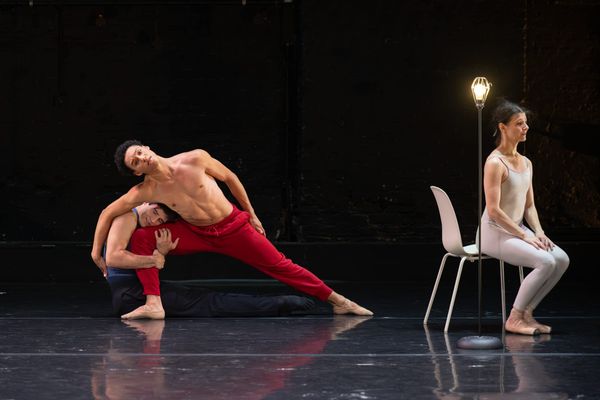
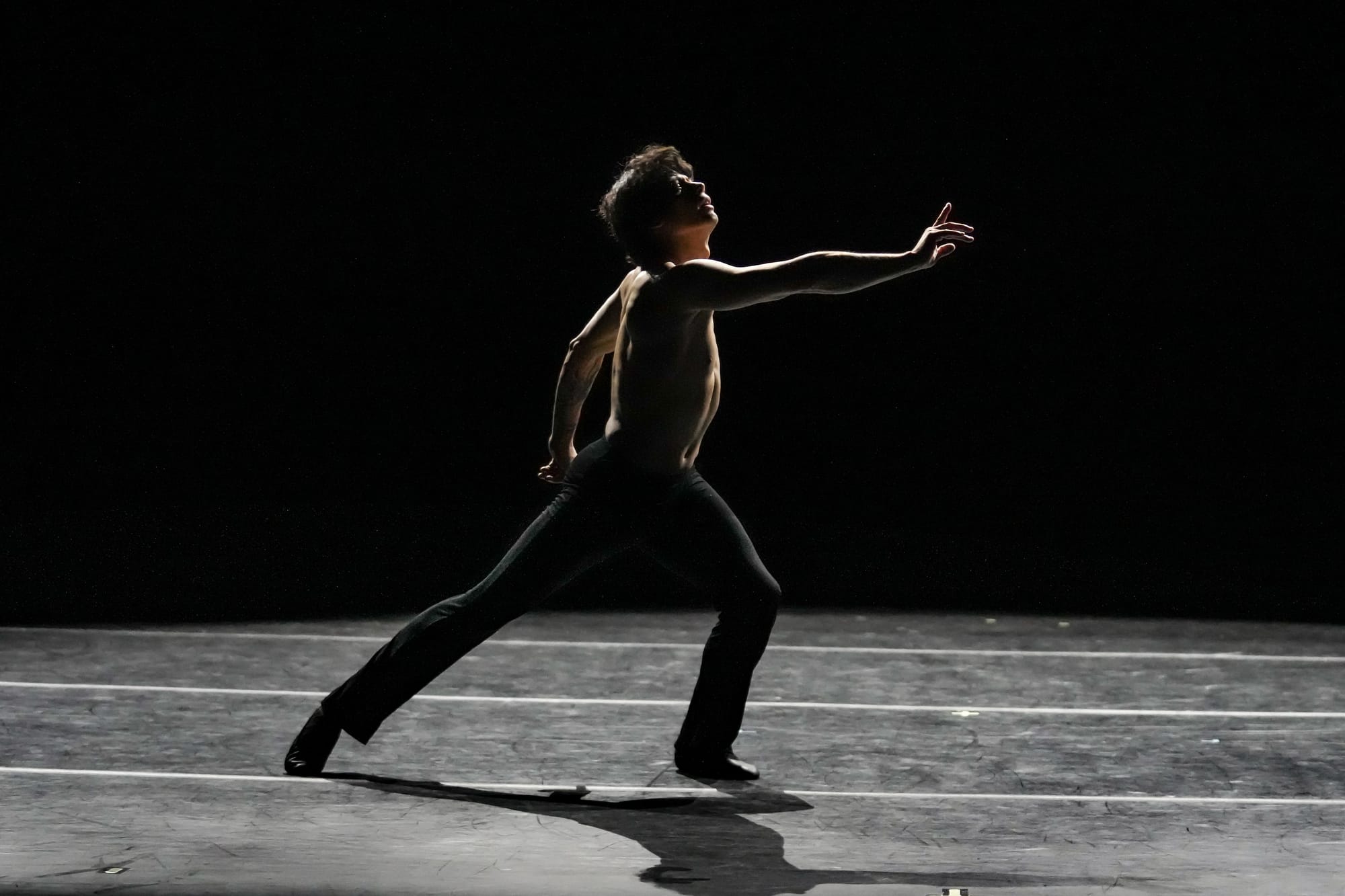
A pause then ushered in “Flight,” a misfit and an oddity on this program, with but one good explanation for its presence: a celebration of Herman Cornejo, set to retire next year. The 2012 work, originally set on Complexions Contemporary Ballet, stumbled almost immediately, despite Cornejo’s filling presence in a spotlight on a dark stage. The steps were mostly walking and elaborate arm phrasing, no jumps, no turns to spare. With that, it aged a dancer who can still carry a technical ballet, appearing far more fit as a work to be performed by him at least a decade later. Spanning two Suites by Bach, it wound down quickly, leaving little behind but admiration for this dancer’s career.
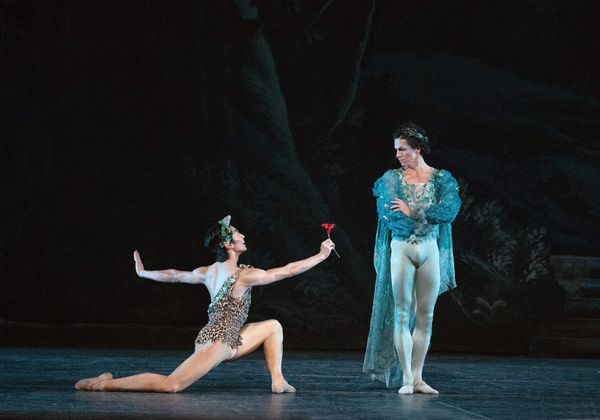
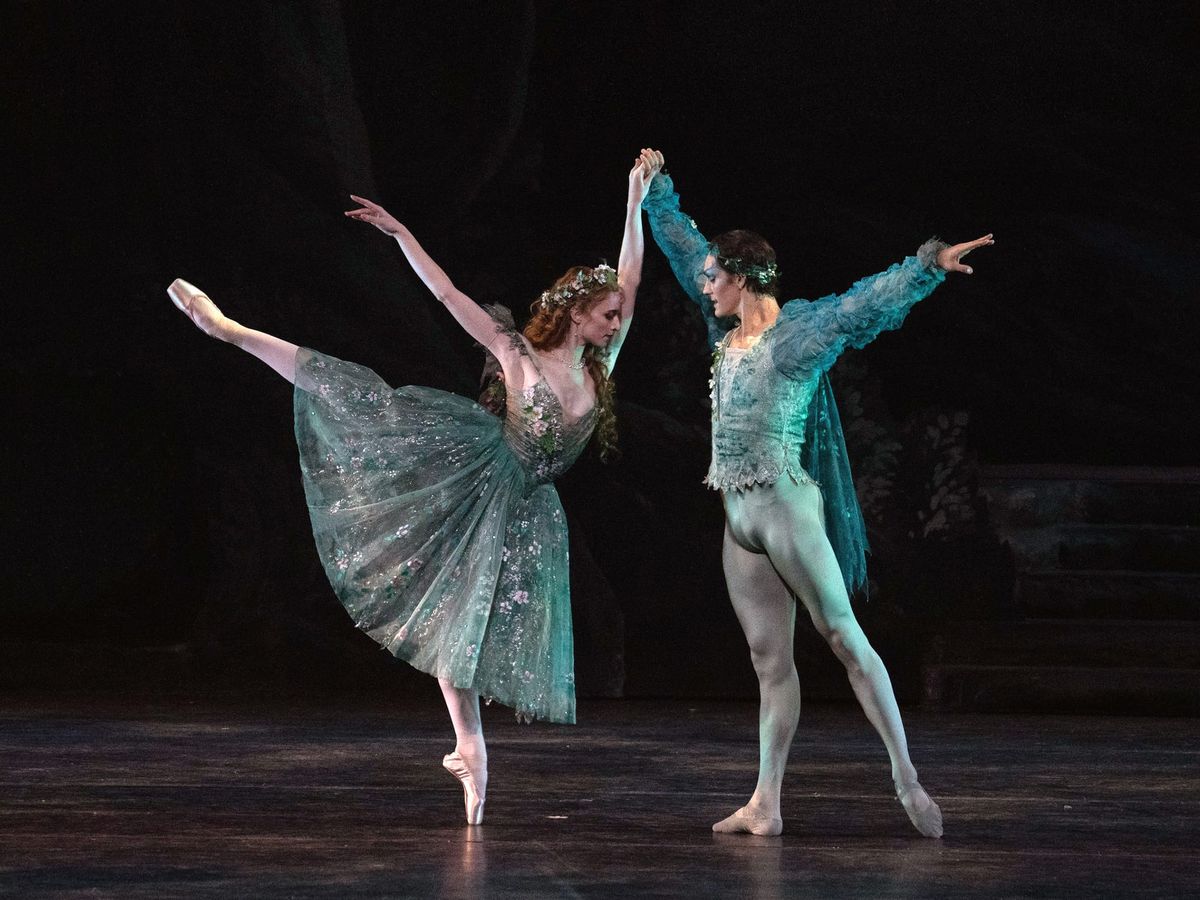
Ending the season with “The Dream” could be read as an apology for the company’s experimentation. Of all the classic works, Ashton’s choreography is perhaps the only one the troupe currently dances consistently well. Catherine Hurlin, cast as Titania for this performance, is also perhaps ABT’s best current interpreter of Ashton work (one needs only remember her explosive dancing in “Sylvia”), and was a special treat opposite Daniel Camargo’s Oberon. Their characters were strong, and equally strong-willed, with each interaction a deliberate choice, whether in gesture or in firm arabesque.
Humor abounded, and Jake Roxander was exquisite as the mischievous Puck, with jumps that lingered otherworldly above the stage, and turns that risked outpacing the music. His quizzical gestures were great pantomime, as in his “Oh! I know what to do!” moment when facing the two couples, and he was expertly complemented by the rest. Tyler Maloney took extra care to exaggerate Bottom’s hoofed movement, and Courtney Shealy as Helena acted without fear of how her comedic interpretation might compromise her ladylike persona. It made one long for ballet of the old, while dance makers like Farrar evolve to give us more of the lovely new.
copyright © 2026 by Marianne Adams