Accent on Youth
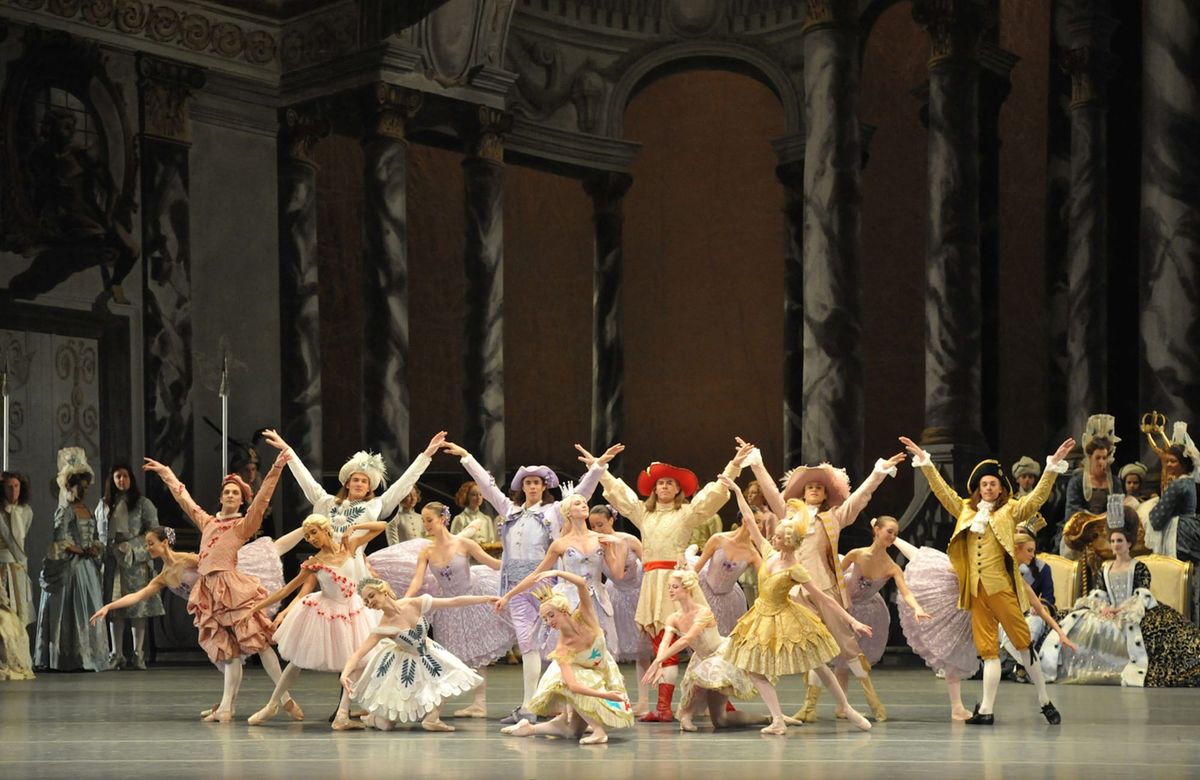
"The Sleeping Beauty"
American Ballet Theatre
Metropolitan Opera House
Lincoln Center
New York, New York
July 6, 2019, evening
ABT's final performance of its spring season starred two of its group of talented soloists, Cassandra Trenary and Joseph Gorak, as Aurora and her prince. The only principal on view that evening was Stella Abrera as the Lilac Fairy; her arch enemy Carabosse was Craig Salstein, a former ABT soloist who left the company a year ago. The ballet is a cornucopia of small solos, and many corps dancers and soloists had a chance to shine.
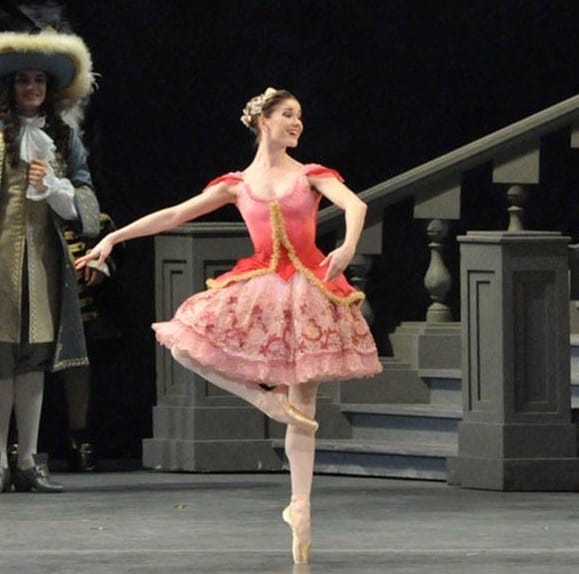
Trenary was a youthful, happy, and confident Act I Aurora, and though her first set of balances in the Rose Adagio were a bit tentative, she found her equilibrium in the more treacherous second set and throughout the dance she found time to give each of the princes a gracious nod. The soft, curved style with its fast, clear footwork and detailed upper body that Ratmansky asks of the dancers helped make her Aurora irresistible, and she basically had the audience at her feet with her first wave. She was a dutiful daughter, checking with her parents before her dances, and I especially enjoyed her awakening scene, when she ran to her parents and looked back in shy wonder at the Prince; she hadn't actually been formally introduced to him, after all.
Gorak looked extremely handsome in his red coat, thought his acting was a bit stilted. I missed Désiré's underlying melancholy, the feeling that with all his success (best archer in the kingdom, apparently, not to mention courting a beautiful Countess) he was missing something. Gorak seemed eager and happy to join the throng until it was time for him to wander over to stage right and gaze into the distance.
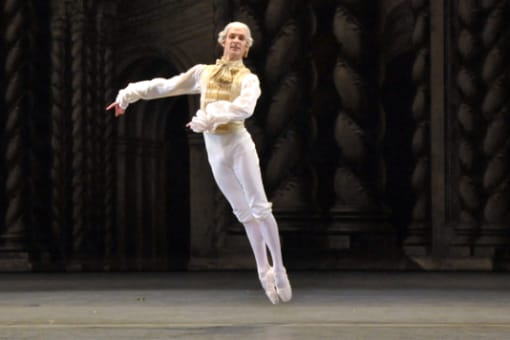
Once the Lilac Fairy appeared, however, he became the perfect story book hero, devoted to the wonderful vision before him. His partnering in the final pas de deux had an unobtrusive elegance and the incorporated mime ("I do love you and want to marry you") gave the dancing a rich, personal, and generous weight. His solo, with all those beats, showed off his elegant feet, though he has danced it with more elevation and clarity in the past.
Stella Abrera's Lilac Fairy was a model of clarity, radiant, with a tinge of "She Who Must be Obeyed", as she marshaled her troops. She floated though her Prologue solo, making those tricky pirouettes look easy.
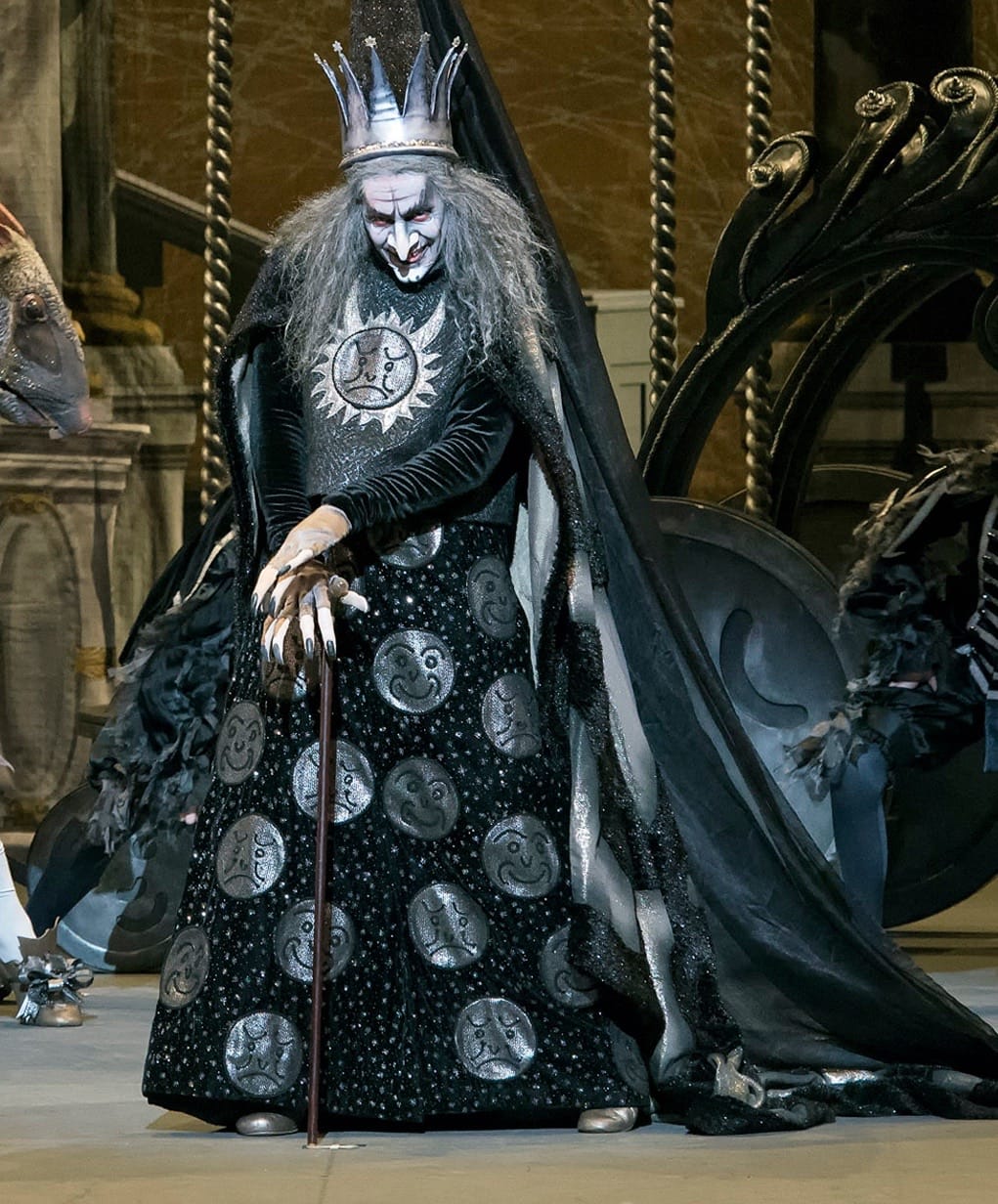
Even Craig Salstein's Carabosse was no match for her, though it wasn't for lack of trying. One of the many glories of the Ratmansky reconstruction is Carabosse's extended mime and Salstein, always a dancer of inspired dramatic imagination, made his Carabosse a vivid portrait of petty, vindictive spite. Carabosse is no von Rothbart, that personification of irrational evil, but a distillation of human vices, and Salstein slunk around the castle, loving every minute of the destruction she was causing. Salstein gave Carabosse a witty physical lilt, swaying through the music with a sarcastic rhythm. The wit, though, never became merely comic and his Carabosse was a slightly distorted mirror of human faults, a mirror in which we can see a part of ourselves.
There is, however, much more light than darkness in "The Sleeping Beauty", and it does promise that we can aspire to the King's nobility, as he forgives Catalabutte, those poor knitting ladies, and even Carabosse, who is invited to the wedding. (Salstein's "well, I'll be good but just don't get out of line" smirk did hint at possible trouble ahead.)
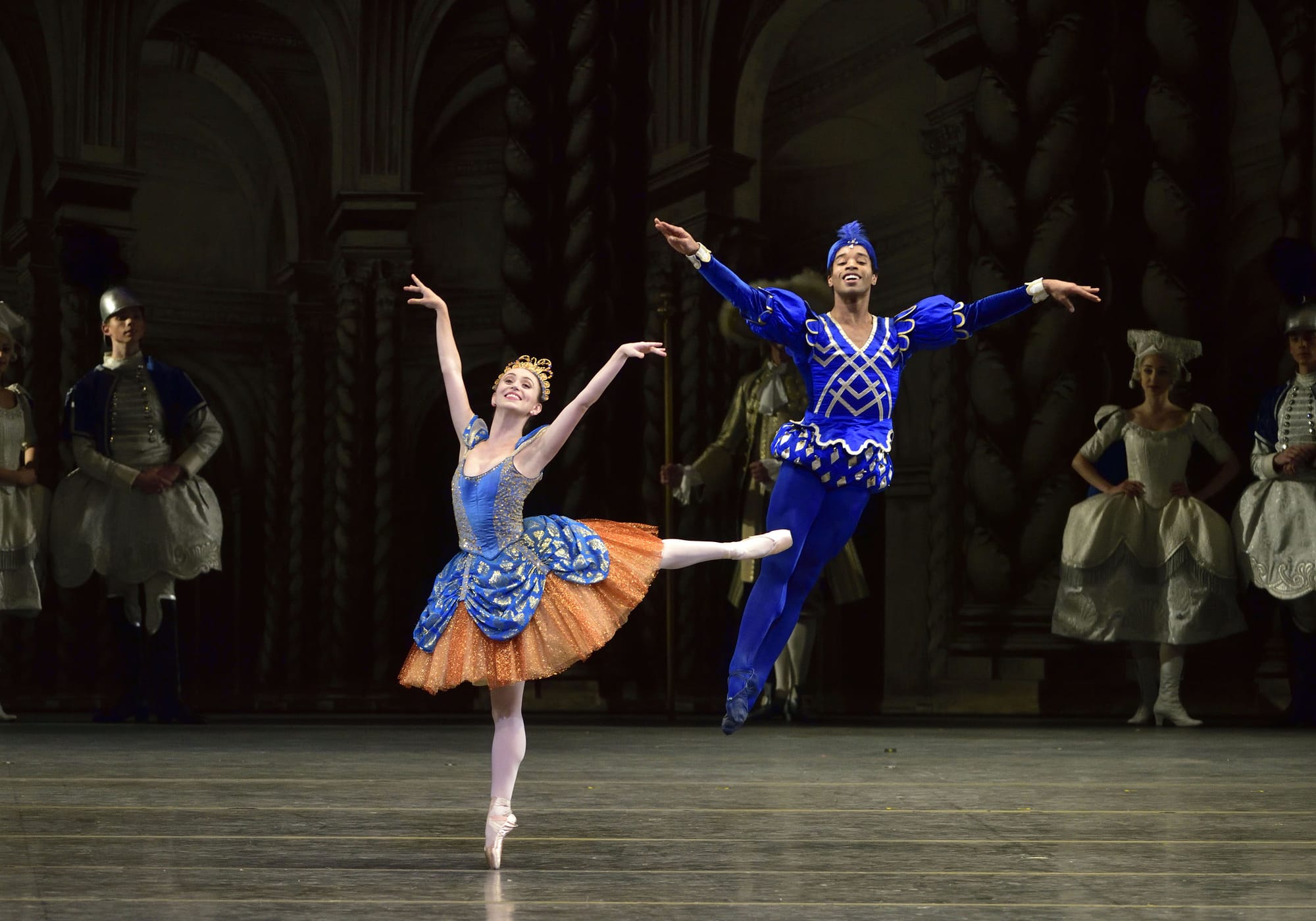
In the meantime, the guests enjoyed some beautifully varied dancing. The classical contingent was led by Skylar Brandt and Gabe Stone Shayer's Bluebird pas de deux; Shayer has been more airborne in the past but few dancers can light up the stage the way he can, and Florine suits Brandt's crisp, scrupulous dancing perfectly. Lauren Bonfiglio's dark-eyed, gentle beauty made Cinderella's mournful little dance and eventual triumph a lyrical poem, and Zimmi Cocker's Little Red Riding Hood's skimming backward bourrées got their own round of applause, and her wide-eyed pathos gave what can seem like an interlude between "real" dancing a wonderful richness. For me, the three hours is full of real dancing, almost a catalog of different styles, each with its own joys and revelations. It certainly reveals that ABT has an abundance of youthful talent.
Copyright © 2019 by Mary Cargill



