Well Met by Moonlight
"The Dream", "Song of the Earth"
The Royal Ballet
David H. Koch Theater
New York, NY
June 24, 2015
by Mary Cargill
copyright © 2015 by Mary Cargill
The Royal Ballet made a rare appearance in New York, opening their brief season with works by their two knights, Frederick Ashton and Kenneth MacMillan. They danced the same program in their 1976 visit, and since then "The Dream" has become familiar thanks to ABT's sparkling production, but the darker "Song of the Earth" is unfamiliar and probably, judging by its lukewarm reception, will remain so.
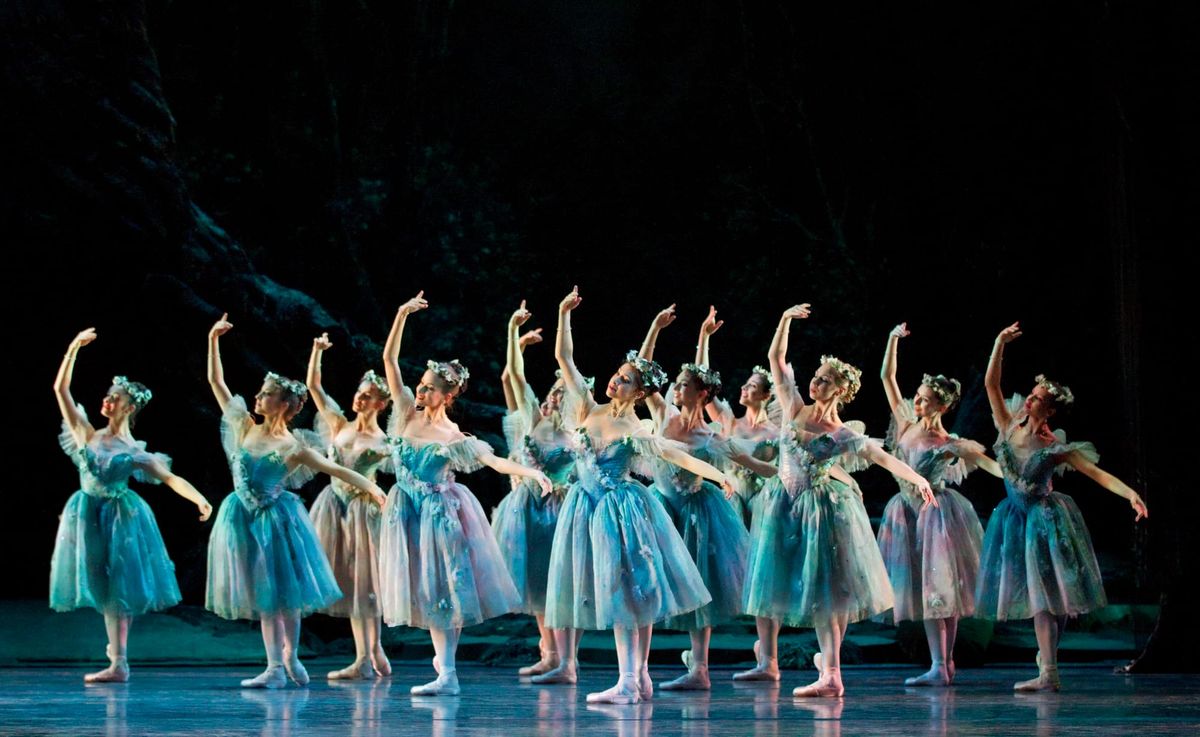
The Royal Ballet's corps is more uniform than ABT's and Ashton's wonderfully inventive choreography showed off their fluid and graceful upper bodies. Sarah Lamb and Steven McRae were the quarreling monarchs. Lamb made Titania as pretty as a Victorian postcard and used her soft, eloquent feet and elegant limbs expressively. She was much sweeter than Antoinette Sibley, the original Titania and her besotted dance with Bottom wasn't as effective as it can be, since there was no real transformation from a proud, regal and slightly dangerous queen into a love-sick fool in the magical pas de deux with Bottom, where Ashton shows us all how blind passion can be. Her final rapturous pas de deux with Oberon was beautifully formed--she held an arabesque so effortlessly that it seemed to stop time--though it was more polite than passionate.
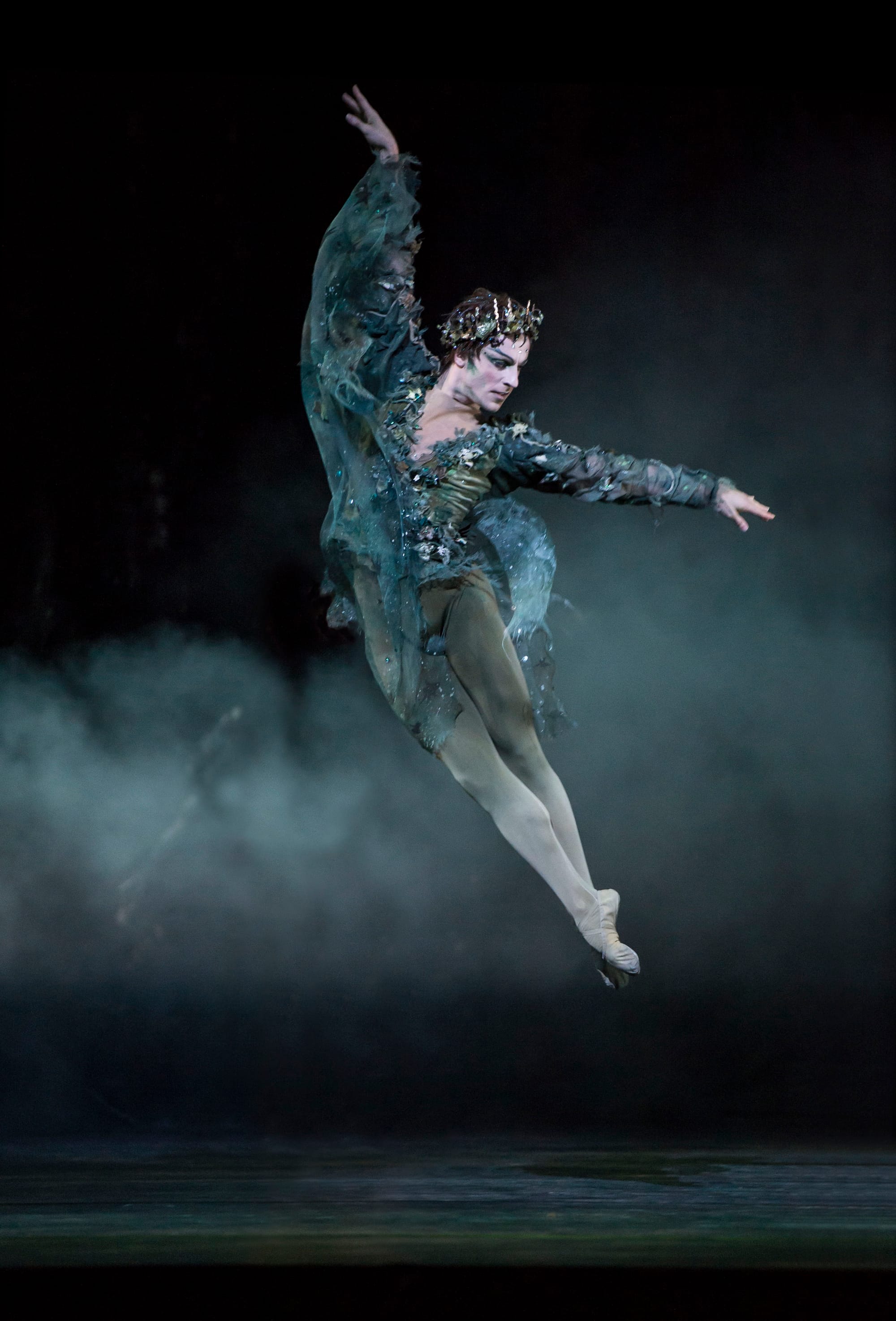
McRae was a strong presence, even with his bright red hair covered by a brown wig (a red-haired Oberon would probably look like the boy next door). His dancing, especially in the Scherzo, was sharp, accurate and fast, though without all of Dowell's plush and luxurious elegance. McRae made Oberon a creature, using his eyes very well. His mime was exceptionally clear, though I missed the little gesture of contempt for those silly mortals as he sprinkled the love potion around.
James Hay was a boisterous and good-hearted Puck, with sharp clear jumps. But he also missed that slight air of distain for human weakness which Ashton used to temper the sweetness. Bennet Gartside's Bottom was brilliantly danced (he seemed quite at home on point), but could also have had more depth. His final mime scene, where he looks around with awe and fear can be so moving when it reminds the audience of all the beauty they too can only imagine. Gartside made Bottom a good-humored oaf, funny but without the rich undertones that poor man can have. It does seem as if the Royal Ballet is approaching this wonderfully complex work as an excuse for wonderful dancing rather than a powerful story.
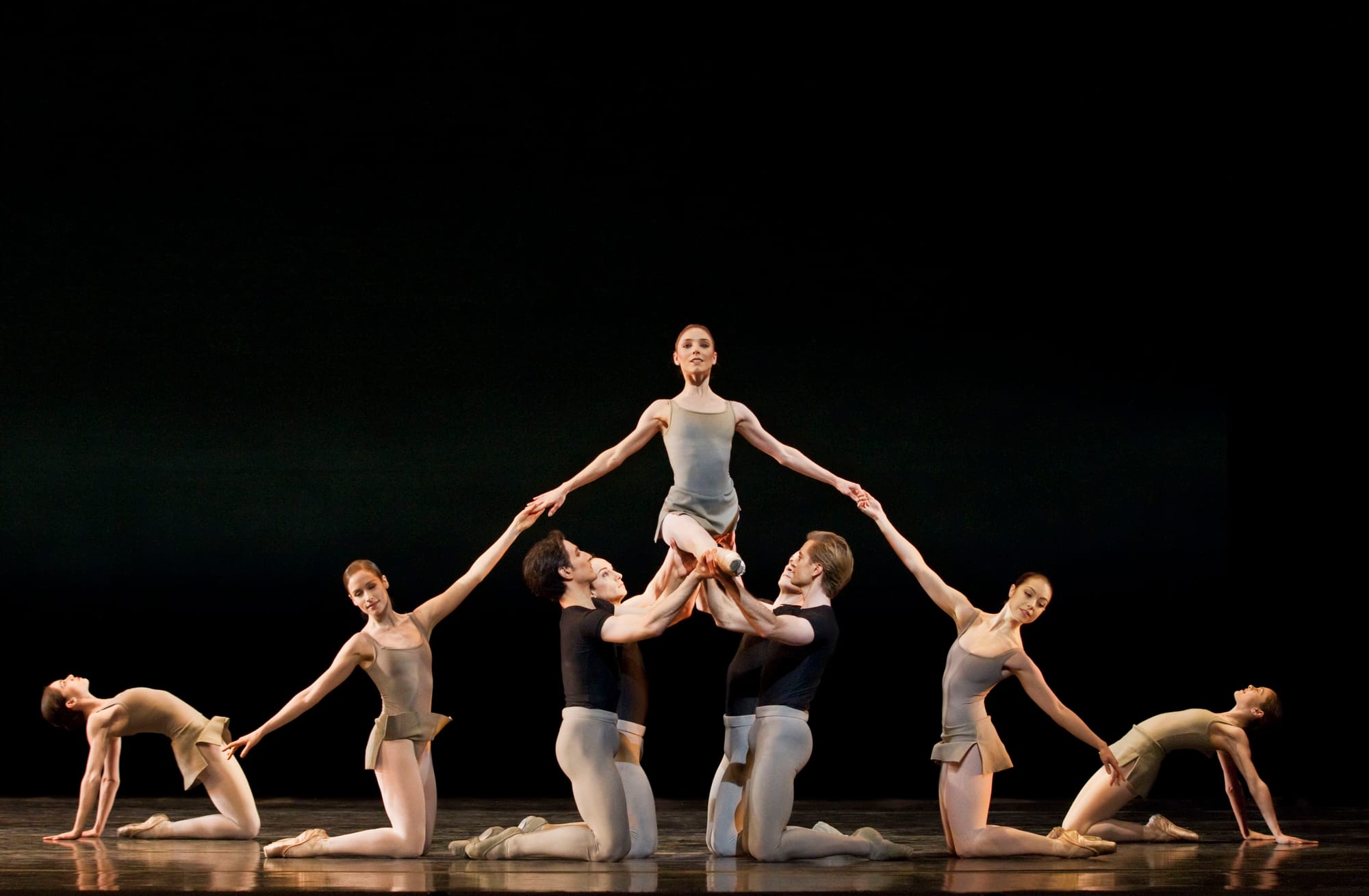
The dancers in "Song of the Earth", a much more problematic work, were engaged and compelling. This austere work, with simple black and beige costumes and dark bands lighting the backdrop, is MacMillan's take on the six songs of Gustav Mahler's song cycle. When I saw this in London in the 1970s the texts were available in the program; for this performance there were no texts and the individual songs weren't named. "Third Song" is not nearly as helpful as "On Youth", so audience members who didn't know the cycle well could not catch the choreographic references.
The songs are monumental on their own and MacMillan's choreography often doesn't add value. It is most effective when it aims for stylized simplicity; the serene ending where the three main dancers walk slowly towards the light to the drawn-out sound of "Ewig" is staggering, and the sharp moments of the main woman's bourrées through the crowd seem to emerge from the music. But much of the time, the movements (jagged accumulations of flexed feet, upside down lifts and general rushing around) seem imposed on the music and the effect of the ballet comes from the dancers, not the steps.
The main dancers, Marianela Nuñez, Nehemiah Kish and Carlos Acosta as the Messenger of Death (he wears a mask and skulks around to snatch up the luckless Youth and Beauty, like his cousin from "The Green Table"), were riveting. Acosta was a hovering presence, powerful and commanding. Kish danced the white-clad Everyman figure with a grounded purity. Nuñez was warm and centered and danced the opening songs with a slight resistance, as if she were pushing back against the inevitable, and then opening her arms in a simple beautiful gesture of acceptance. To paraphrase Rossini's comments about Wagner, "Song of the Earth" has beautiful moments but bad quarter hours. But those beautiful moments, when danced with the conviction these dancers showed, are unforgettable.
copyright © 2015 by Mary Cargill



