Turning Points
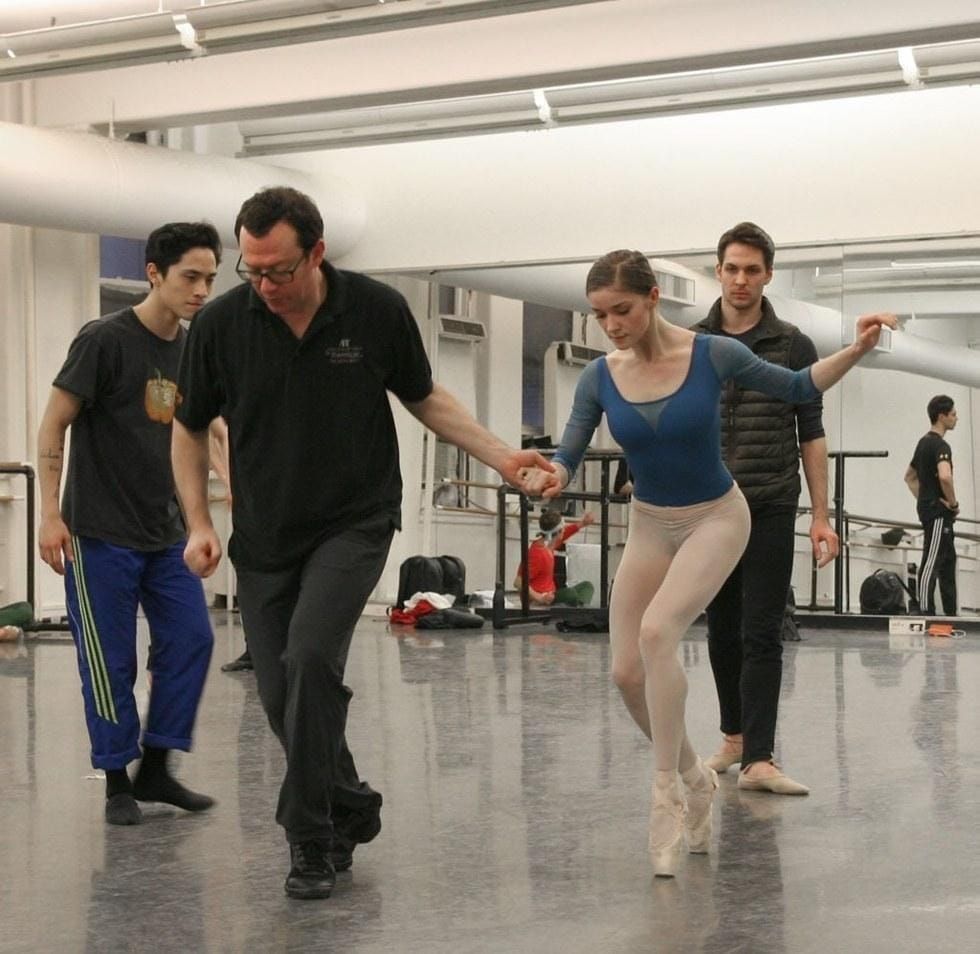
A Conversation with Cassandra Trenary and Alexei Ratmansky
YoungArts Critical Junctures Salon
New York Live Arts
New York, New York
May 14, 2017
The National YoungArts Foundation was established in 1981 by Ted Arison (founder of the Carnival Cruise Lines) and his wife Lin to support young artists by offering those selected for the program a scholarship to a week-long immersion with other students and mentors. Cassandra Ternary, currently a soloist at ABT, was a 2011 YoungArts recipient and she and Alexei Ratmansky gave a wide-ranging interview (moderated by Esther Park, the Director of Alumni & Public Programs) discussing their critical junctures that was interesting, moving, and often very funny.
Park first asked them about their training and the role their parents played in their career. Ratmansky said that when he was about twelve, he and his father were visiting Moscow and happened to see a notice for the Bolshoi auditions, and went almost on a whim He was the only one out of fifty boys selected, so he thought he should go. The Bolshoi, he said, was very tough and the teachers maintained an almost military discipline with much criticism and no praise. He was eventually selected to be in the legendary teacher Pyotr Pestov's class which included Vladimir Malakhov, who, Ratmansky said, was clearly a much better dancer than he could ever hope to be, so he realized that if he were going to have an international career, he should think about choreography.
Trenary said she was a very active child, a real tomboy, and she did a lot of physical activities, ballet among others, but it wasn't special for her as a child. On the advice of her teachers she went to an ABT summer intensive when she was thirteen and was inspired by the other students' passion; she decided then that she wanted to be a dancer. Her parents, she added, supported her completely, but never put any pressure on her.
Park then asked them to talk about what they felt were critical junctures in their lives. Ratmansky said that decided to go back to direct the Bolshoi was probably his most important decision. At the time he was a principal dancer with the Royal Danish Ballet, which included a life-long contract, with many benefits, and he had a beautiful apartment in Copenhagen and a wife and child. Moving to Moscow meant starting from zero but as a student to Bolshoi dancers were gods to him, and returning to direct the company (which he didn't get into after graduating) was an amazing opportunity.
Trenary said her turning point was being injured for a long period soon after joining ABT. She had joined ABT after a very short time in the Studio Company, replacing a dancer who was injured, and she was still working like a student; she was learning so many new works and didn't really know her body or how to pace herself. She worked too hard and in 2013 developed a stress fracture in her foot and a back problem. While out, she almost decided to leave ballet to try for an acting career, but Kevin McKenzie (ABT's director) encouraged her to stay and made sure that she came back safely. But the fall of 2014, though, she felt she had lost a lot of confidence and was facing up to not being the dancer she had hoped to become.
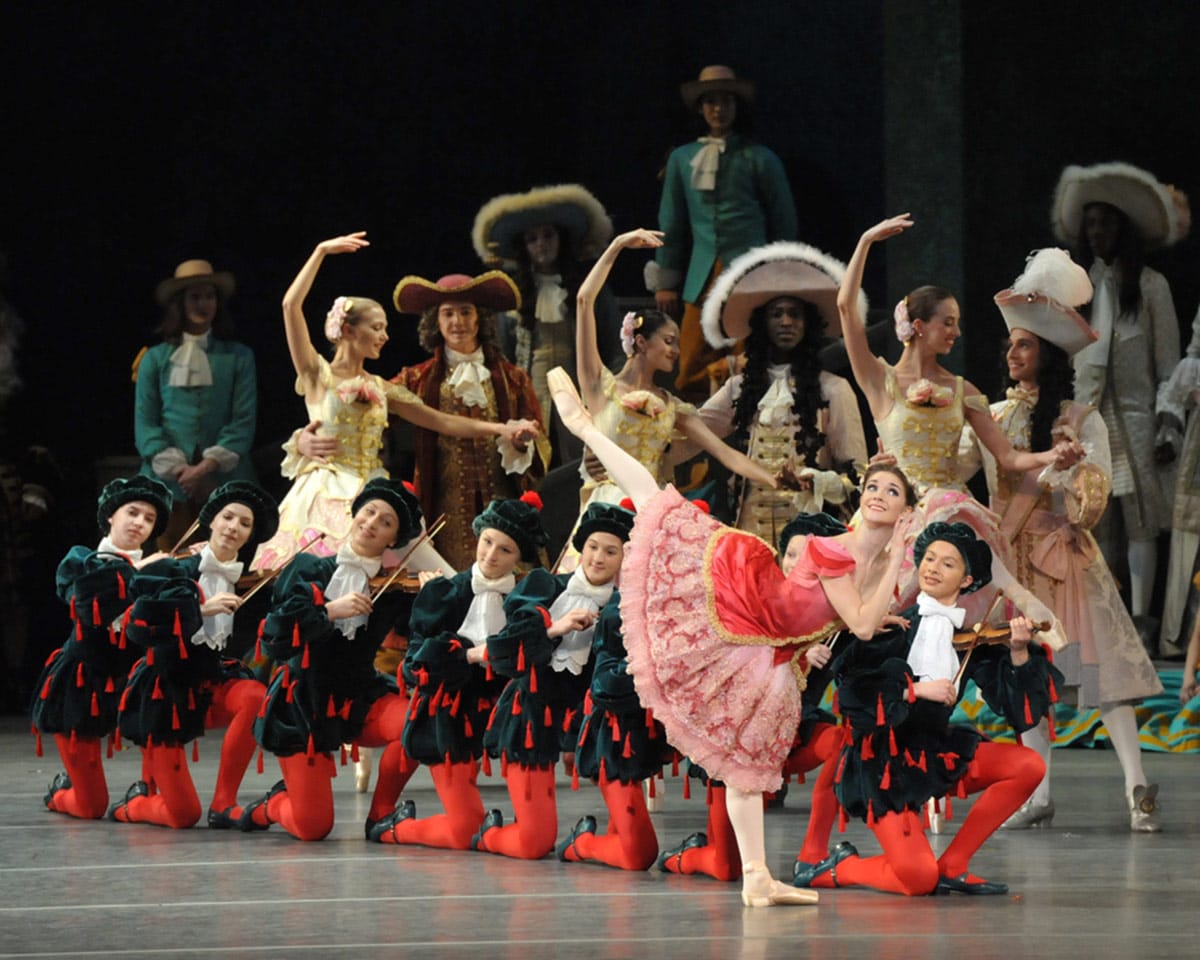
Then in January 2015 ABT started to work on Ratmansky's revival of the original Petipa choreography for "The Sleeping Beauty" and she began rehearsing several of the soloist roles including the Blue Bird pas de deux and the Diamond Fairy. This helped restore her confidence, she said, and she began to dance other soloist roles. She got to dance Aurora in 2016, and mimed her astonished face when Ratmansky suggested the role to her as the elevator doors were closing. Ratmansky added that Aurora needs a very special type of dancer and that Trenary has the qualities necessary; she is small, animated, fully invested in the steps, with an ability to shine from the inside. It's clear that dancing makes her happy. When asked is her goal was to become a principal, Trenary said learning new roles was enough now; she wanted to be ready if it happens but now wants to improve and enjoy dancing.
Park asked Ratmansky about the issue of choreographing for different companies; does he adjust his style or do the dancers adjust to him? He said it really depends on the company. The Bolshoi, NYCB and Paris, for example, have distinctive styles and each dancer shapes the steps and makes them look like their company's style. ABT dancers are more eclectic, and adapt to different styles. As a choreographer, he sets the steps and then coaches the dancers and finds it extremely rewarding to see them develop. "He celebrates the individual", Trenary added.
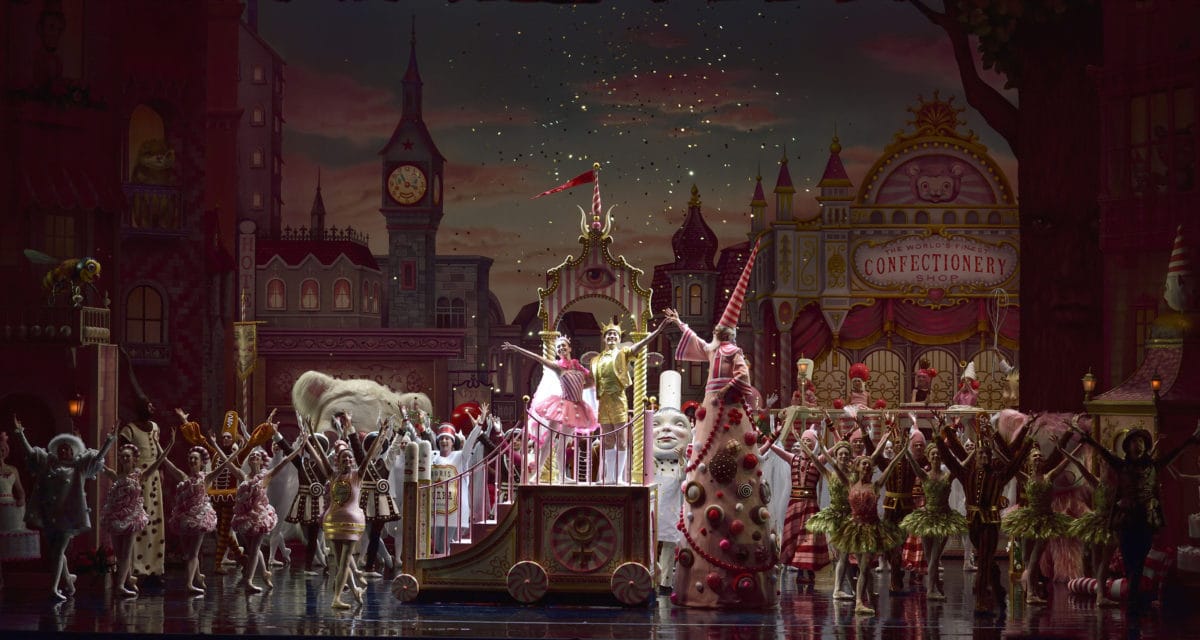
Park asked about the new ABT ballet "Whipped Cream". About twenty years ago, Ratmansky said, while working in Japan, he bought a book by the pop surrealist artist Mark Ryden, which was really the beginning. He was thrilled that Ryden, who had never designed for the stage before, agreed to do it, and saluted the ABT team who translated the fantastic designs into sets and costumes. There are a number of processions in the ballet presenting these, which he said are based on the ballet féerie idea. (Petipa's "The Sleeping Beauty" is also a ballet féerie and in answer to a question at the end of the interview, Ratmansky said emphatically that his work on "The Sleeping Beauty" was a great influence on "Whipped Cream".) Trenary is dancing Princess Praline. It's a very special role for her, she said, with a lot of challenges, but when she enters on a giant snow yak, she feels like "I am queen of the world".
Park then asked a number of quick questions, and the audience learned that Ratmansky's favorite book is "Alice in Wonderland", his favorite music is the piece he is currently working on, and his favorite ballet is, without hesitation, "The Sleeping Beauty", and, he added, Ashton's "The Dream" and Balanchine's "Serenade" and "Symphony in C".
When asked what advice Trenary had for younger dancers, she said "Worry less". Other dancers' successes won't hurt you, and learn from your colleagues. But most of all, enjoy dancing. Ratmansky added that dancers should never lose confidence and should always be interested in new things. (And, I expect, thinking of his magnificent version of Petipa's "Sleeping Beauty" and Trenary's transcendent performance in it, dancers should enjoy older things as well.)
Copyright © 2017 by Mary Cargill



