The Human Condition
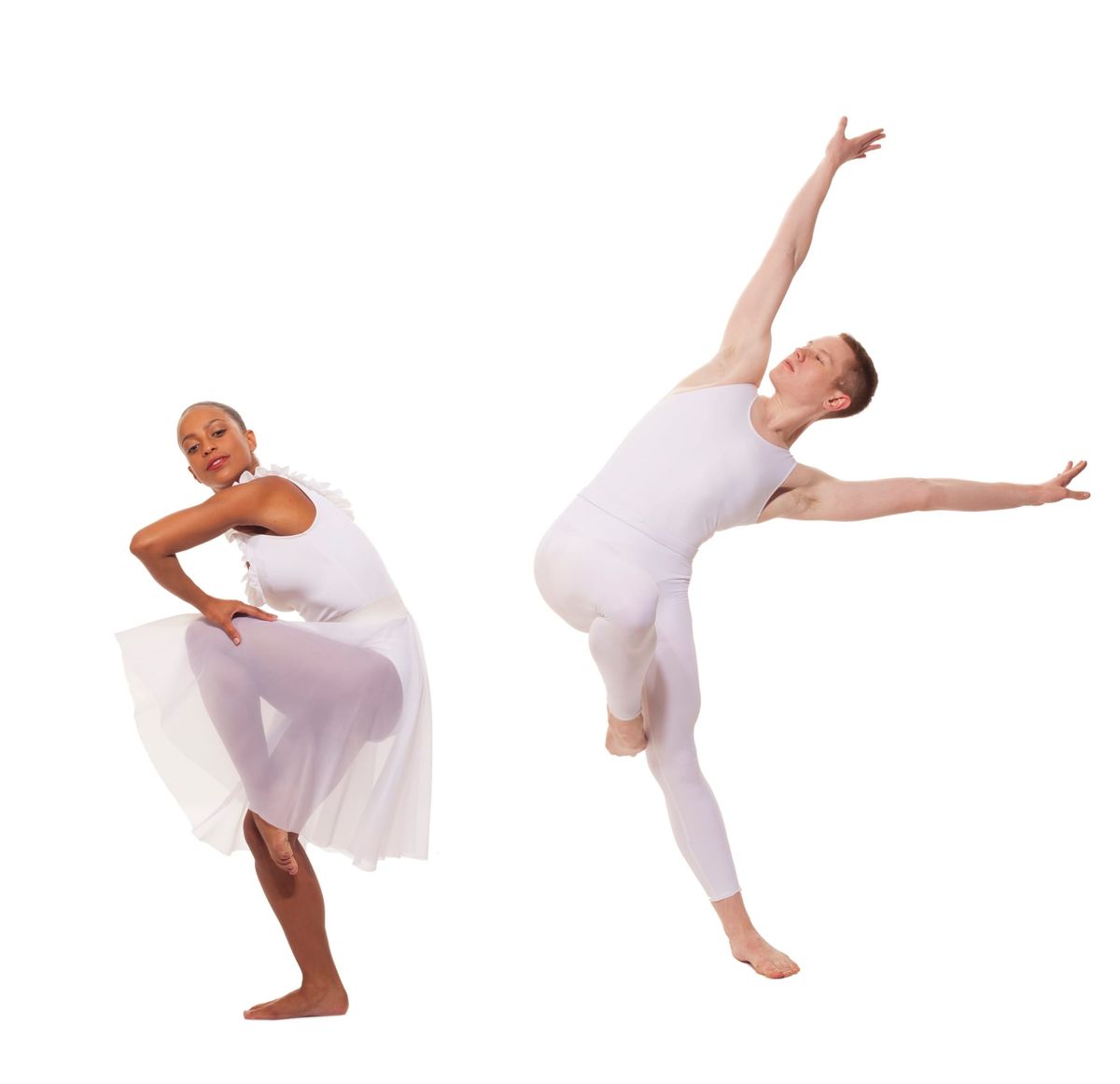
"Aureole", "Dust", "Piazolla Caldera"
Taylor 2 Dance Company
Michael Schimmel Center for the Arts
Pace University
New York, NY
October 15, 2016
Paul Taylor established Taylor 2 in 1993 to perform versions of his works on smaller stages which might not accommodate the larger company. The company tours widely and also works in arts programs in schools, so the dancers in the six-member group are seasoned and accomplished performers. Many of Taylor's larger works are redone for fewer dancers (which can help reveal more nuanced relationships) but his smaller ones are danced with the original choreography. The audience at the Schimmel Center saw the complete "Aureole", Taylor's 1962 sublime and revolutionary modern dance blanc set to Handel's music (unfortunately, on tape).
Lee Duveneck danced the serene and difficult male solo, which Taylor himself originated. Duveneck's long limbs resembled Taylor's, as they reached out into that blue heaven. He danced calmly, though with occasional brief losses of control in those long, centered balances. The other dancers, too, seemed more comfortable in the quick, lilting passages, though there were no major stumbles.
The dancers made Taylor's (and Handel's) vision of heaven seem a wonderful place to visit, as they controlled their little jumps to look like the air was their cushion. The dancers didn't oversell their happiness, letting the choreography speak for itself without extraneous grins. This was particularly effective in the pas de deux danced by Duveneck and Alana Allende, with its calm, stylized, and slightly formal embraces, a distillation and idealization of love, so suited to the formal but profound music.
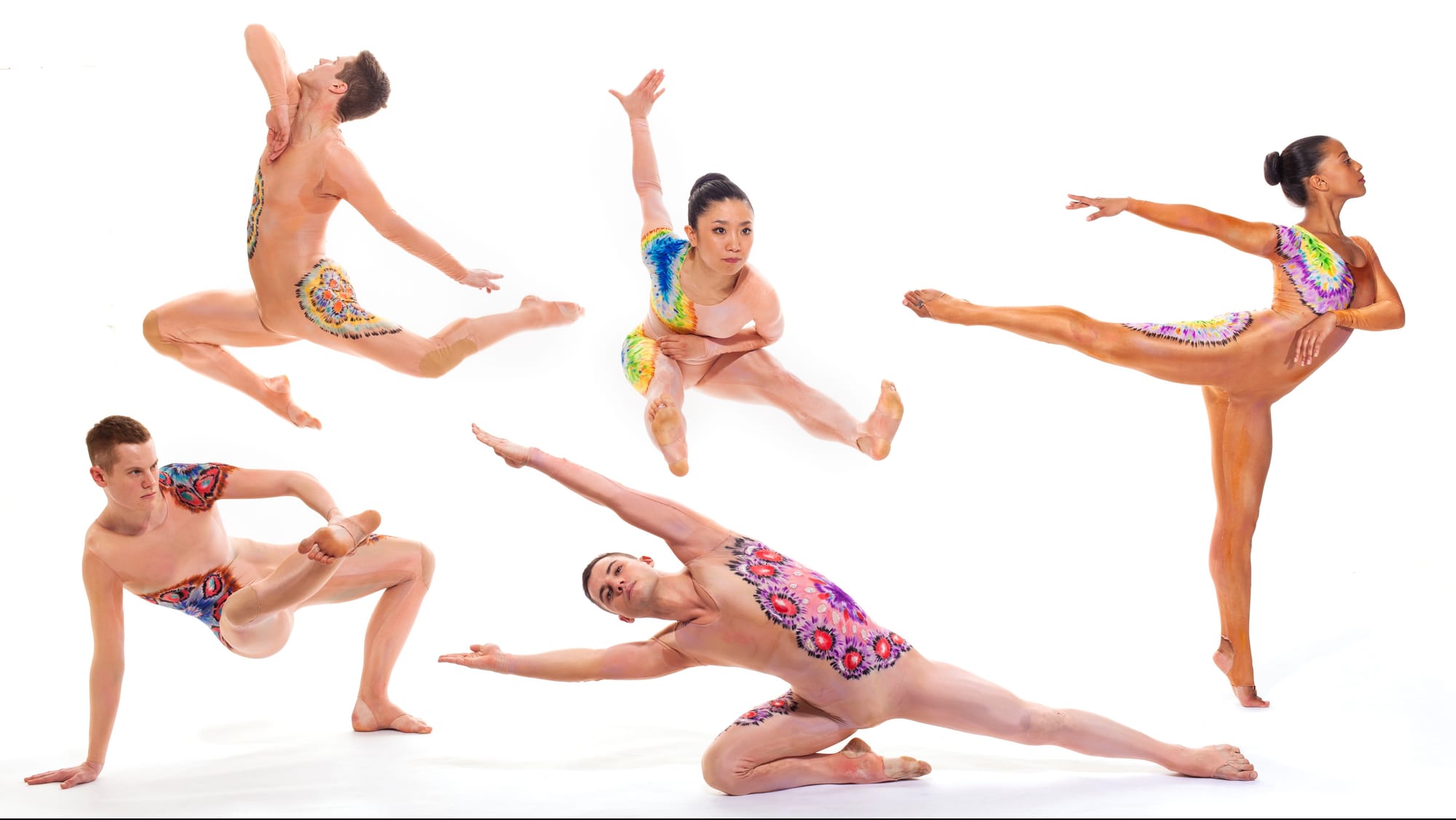
"Dust", from 1977 and restaged for six dancers in 2002, is also set to cheerful music, Francis Poulenc's "Concert Champêtre", though Taylor has an ironic take on the cheer, as the dancers formed grotesque, distorted shapes, often scratching themselves as if suffering from some strange malady. They danced rather mechanically and frantically to the bouncing rhythms, as if "Ring Around the Rosie" could really ward off the plague. But it couldn't and five of the dancers groped blindly, which one, Amanda Stevenson, with a lyrical, wistful dance full of off-center balances, tried to comfort them until she too lost her sight. The finale, as the dancers staggered upright towards the light, combined loss and hope.
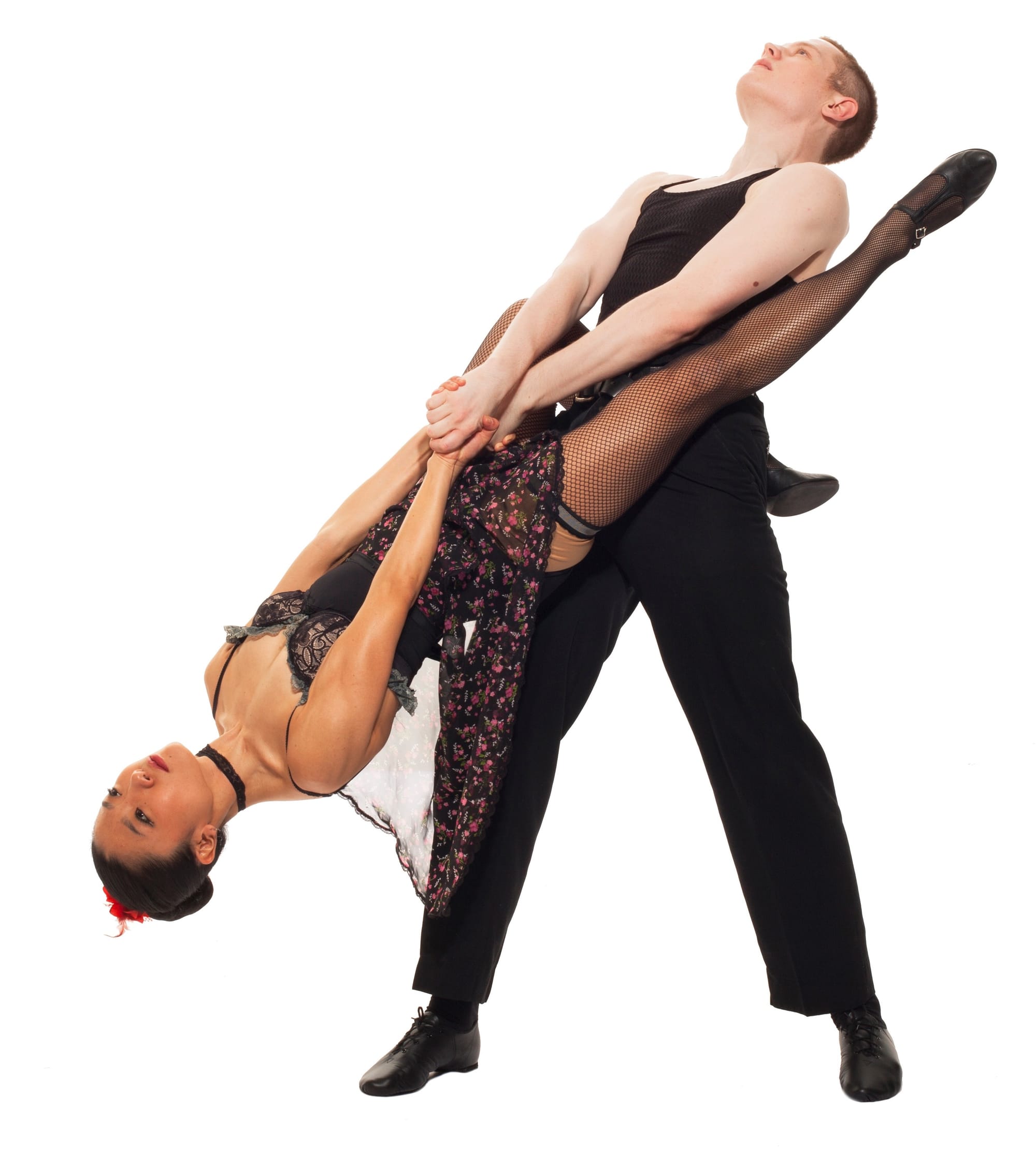
"Piazolla Caldera" is another of Taylor's bleak, resigned, yet sympathetic views of human nature, set to the sour and haunting tangos of Astor Piazolla. The Taylor 2 version didn't have the smokey, atmospheric sets suggesting a seedy bar of the original, relying on a red, and occasional blue backdrop to set the mood. The reduced size focused attention on the individual dancers, their desperation and their bitter loneliness. Stevenson was especially effective as the lonely girl looking for love in whatever form she could find it, as she danced her solo alone against a dark blue sky.
Allende and Princeton McCurtain were also memorable as the opening couple, beginning tentatively, circling each other warily and then exploding with heat without warmth. McCurtain and Johnny Vorstag were the drunken duo, flowing (or rather staggering) through the double cartwheels in a vain attempt to connect. The bitter triumph at the end, as the dancers appear to endure their empty lives was, in a way, as uplifting as the serene angelic vision of "Aureole"; life does go on, no matter what, Taylor seems to say. And so, thankfully, does Taylor 2.
Copyright © 2016 by Mary Cargill



