The Home Team
"Giselle"
American Ballet Theatre
Metropolitan Opera House
Lincoln Center
New York, New York
May 27, 2017, evening
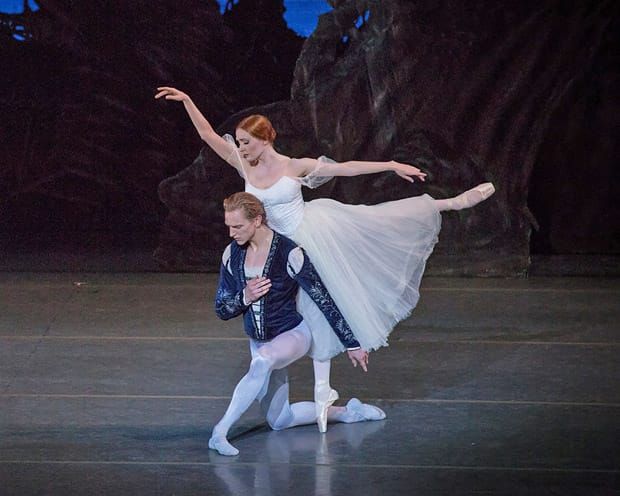
For the past two years ABT has limited its guest-star list, relying on its own dancers, which has meant several long-awaited debuts, Gillian Murphy's "Giselle" among them. Murphy is a strong, sturdy, redhead who dances a stupendous Myrta, not the traditional dark-haired shrinking violet but as her sepia-toned Nikiya proved, she is a stylish and subtle artist, not just a turning machine (impressive though those turns are). Her first New York Giselle (she has danced it several times overseas) was a fine and moving performance. She made Giselle a simple, straightforward woman who led with her heart, and didn't try to play young; there were no eye-batting simpers or coy little nods.
Murphy's dancing, of course, was technically pristine but also expressive; the hops across the stage were secure but also unusually feminine, as her upper body continued the movement, making it a decorously sensuous, unabashed declaration of love. Her mad scene was still and internal, as her grip on reality disappeared (though not completely, as her instinctive little bow to Bathilde showed that she still knew her place).
Her white act was not as vaporous as some, but it was beautifully danced; I loved her leg lifting in arabesque as if it had a mind of its own. She combined a boneless quality of movement with absolute dedication to Albrecht and if her Giselle was not a Romantic-era icon, she was a woman who could make the audience feel her suffering. I would be sorry if Murphy said a permanent goodbye to Myrta but I won't forget her Giselle.
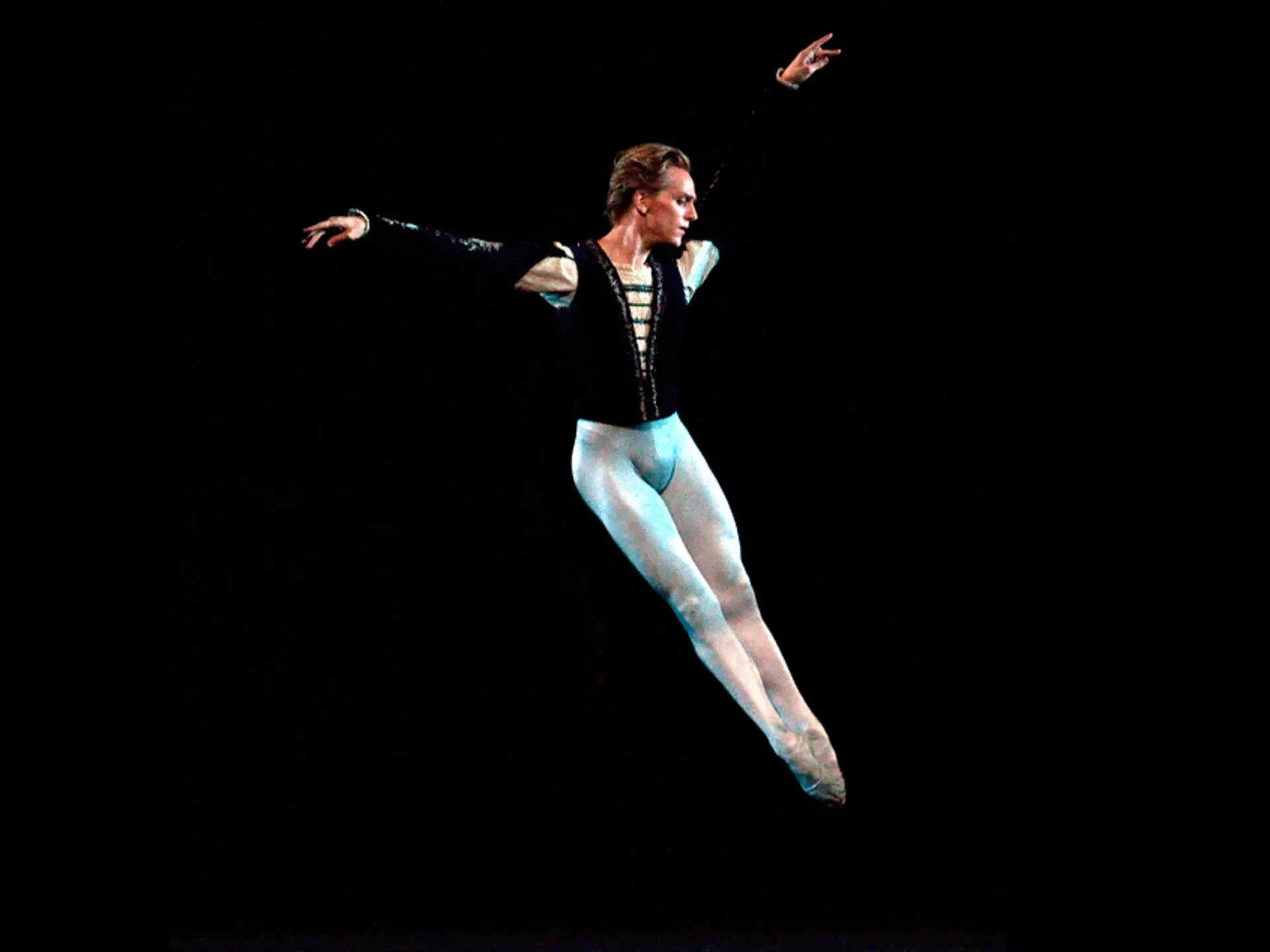
David Hallberg, returning after a two-plus year layoff due to an ankle injury, was her Albrecht. He returned with all his virtues -- beautiful, articulate feet, a sleek profile, and impeccable technique (he did a thrilling series of entrechat six that looked they could go on forever). His upper body seemed, if anything, stronger, and Act II's horizontal lifts made Giselle appear to float, as he turned her around as if he were grasping mist. He has a slightly grittier stage presence, and he was not afraid to hint at Albrecht's caddishness; he looked around carefully at his entrance to make sure no one saw him -- no innocent lover he, and he gave a little smirk at the daisy as if he were used to trickery. But he treated Giselle with an awed gentleness during their fun loving pas de deux, as he seemed to love her in spite of himself. I loved the hesitation before her front door after her mother forced her inside, as if he were trying to get the courage to confess. His Albrecht was weak rather than vicious.
Stella Abrera danced Myrta with stylish Romantic arms which she combined with absolutely silent feet; her jumps seemed to land on air. This gave her Myrta an otherworldly quality suggesting that she was dangerous not just because she was evil but because she wasn't human. No man could escape her.
Copyright © 2017 by Mary Cargill



