The Eyes Have It
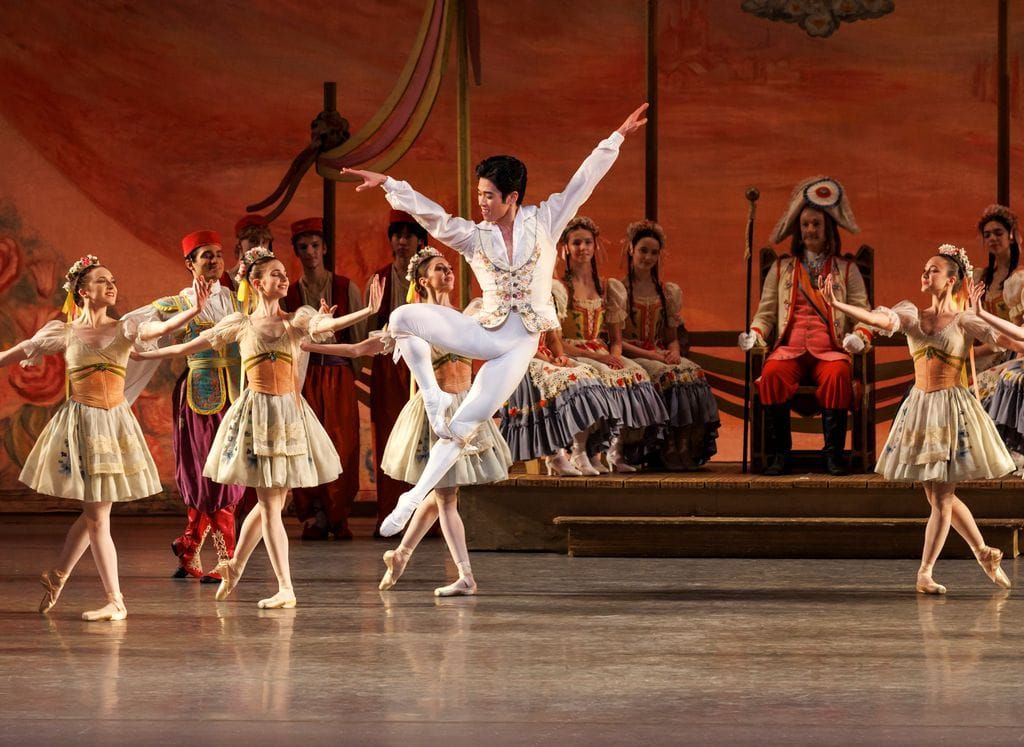
"Coppélia"
New York City Ballet
David H. Koch Theater
New York, NY
May 30, matinee and May 31, 2026
The first “Coppélia” was subtitled (in French), “The Girl with the Enamel Eyes”, a reference to the macabre story by E. T. A. Hoffmann (the poor doll’s eyes are pulled out of her head by the evil doctor, eventually causing the hero to jump to his death) which inspired one of the most perfect of ballet comedies. Those nineteenth century librettists certainly did know how to mine literature for ballet-friendly stories (see “Don Quixote”). “Coppélia” does have a few strands of its gothic original in the menacing Dr. Coppélius but basically it presents a sunny view of life—even the Discord and War variation was a satire on Wagnerian bombast. (Watching that variation at this performance, I wondered if Balanchine was also spoofing the Bolshoi’s “Spartacus”— those spears and barrel turns looked a lot like the Bolshoi’s saber-rattling beefy men.) There weren’t many other beefy men dancing, since Frantz (David Gabriel, May 30 and KJ Takahashi, May 31) and his cohorts seemed politely to ask the Doctor (Taylor Stanley, both dates) for some money to go drinking, setting a fine example for the many children in the audience. So to did its Swanilda (Indiana Woodward, May 30 and Emma von Enck, May 31) who radiated joy, even when teasing the deluded Doctor.
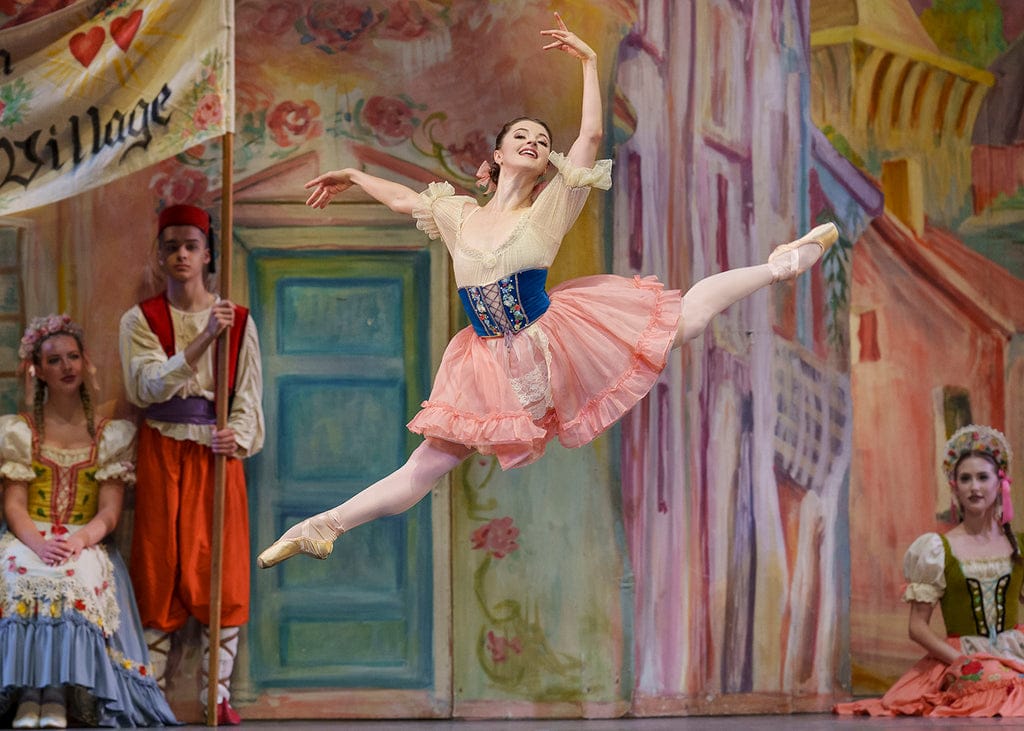
Woodward’s dancing was radiant too, clear, detailed, and musical. She flowed through the steps, shimmering gently at the top of a movement to let it sing; there was no stop and start pauses to emphasize a photo op. Her lyrical despair when she couldn’t hear the wheat promise happiness was as poignant as Giselle’s grief when the daisy told her the truth. (Nineteenth century peasant girls, apparently, had great faith in nature.). For Woodward, dance was conversation by other means, and all of Swanilda’s moods were clear. I especially enjoyed her Act II burst of joy when she realized Coppélia was just a doll. Relief rather than mischief encouraged her to turn on all those automatons.
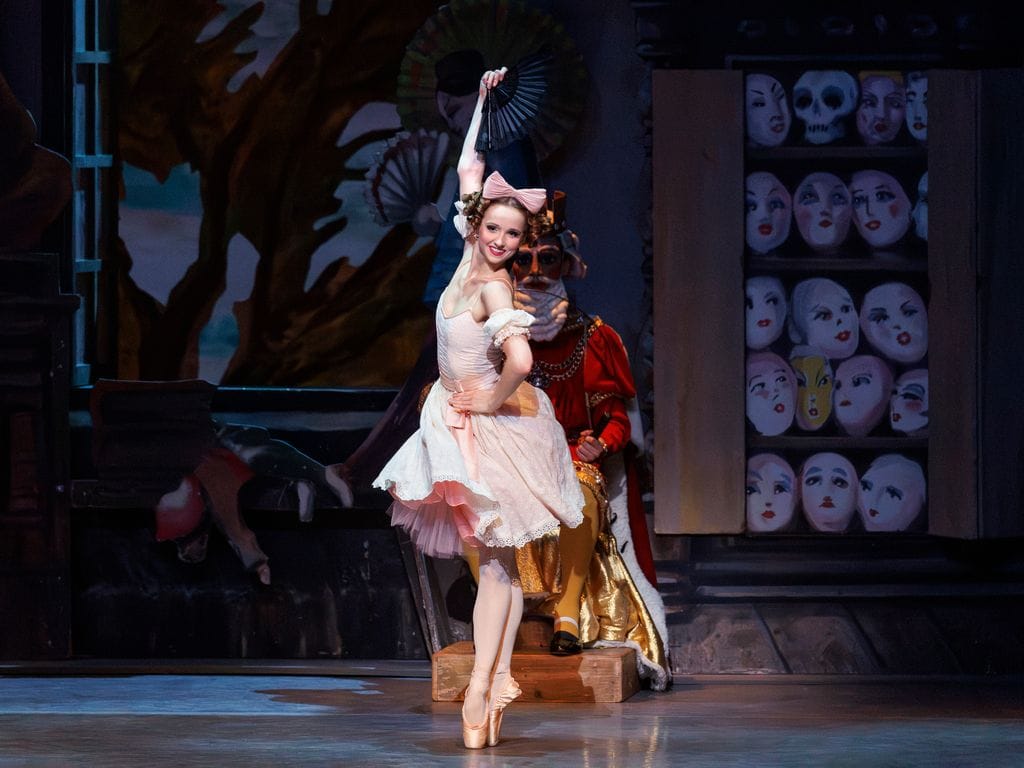
Von Enck was a bit spunkier than Woodward, and had more emotional highs and lows—she was basically a teenager, while Woodward was a bit more controlled; both were very funny. Von Enck’s huff when Coppélia wouldn’t come out to play, her snit when she caught Frantz flirting, and her overwhelming despair when the wheat sheaf stayed silent were perfectly believable teenaged tragedies.
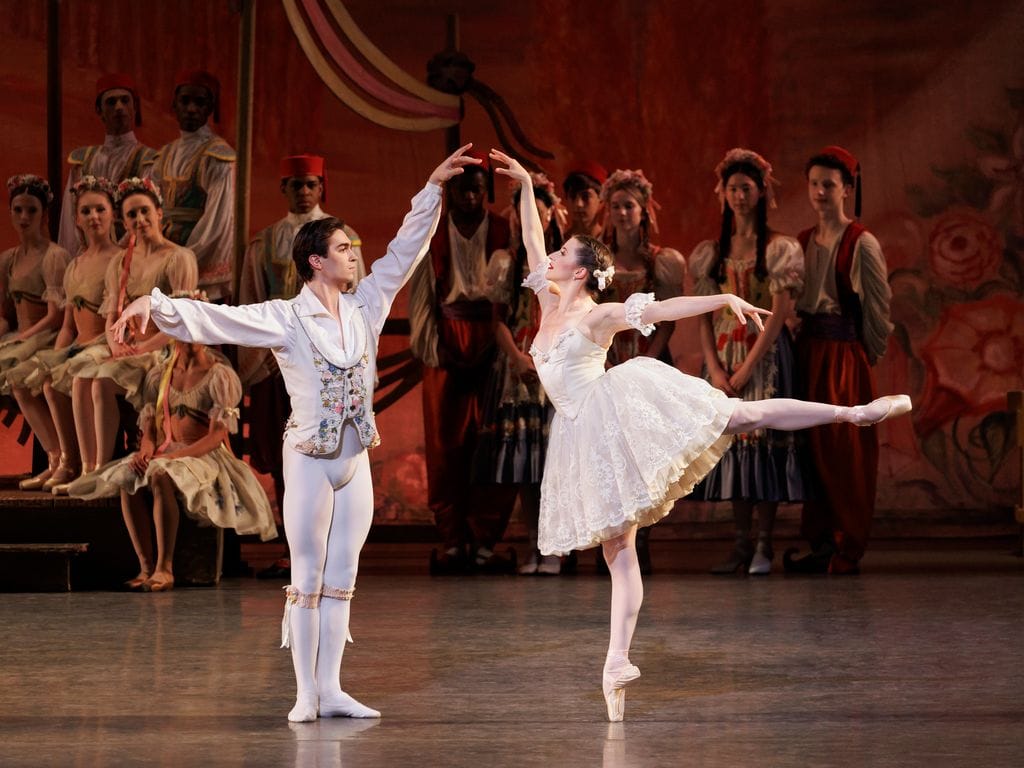
Both Frantzes were worth all the heartache. They did have a roving eye and both rueful shrugs of confusion when they were pulled between girls were very funny. Gabriel gave his Act I solo a lush elegance, with solid double tours. Takahashi’s light, high jumps seemed effortless. The Act III pas de deux begins with one of Balanchine’s most luminous adagios, full of moments of complete trust, as Swanilda floats up to Frantz’ shoulder. Gabriel and Woodward made it as elegant and regal as Aurora’s wedding celebration, dancing with a luminous grace.
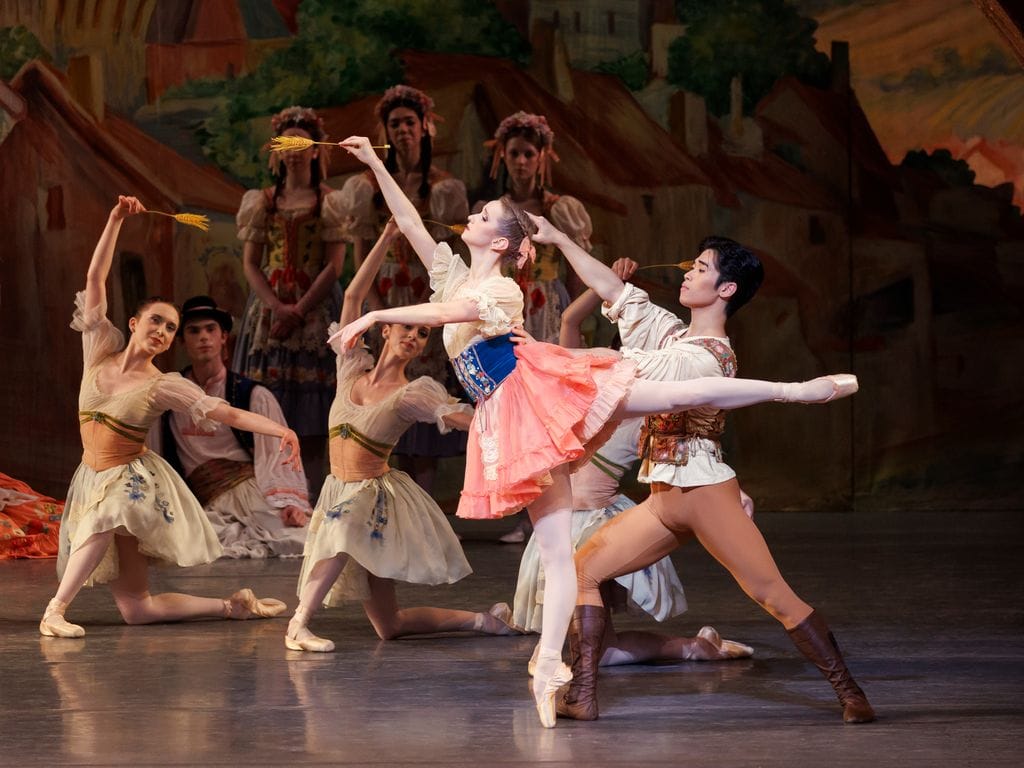
Von Enck and Takahashi were less majestic, and the lifts were a bit studied and careful. Takahashi is on the short side and doesn’t have the noble line that Gabriel, with his long legs, enjoys. Though their dancing was magnificent—Takahashi’s double tours into second looked like he was on a trampoline and von Enck’s footwork sparkled—Von Enck and Takahashi seemed a bit more like good buddies, still basically the youthful pair from the first act, which did make for a very sunny, happy atmosphere.
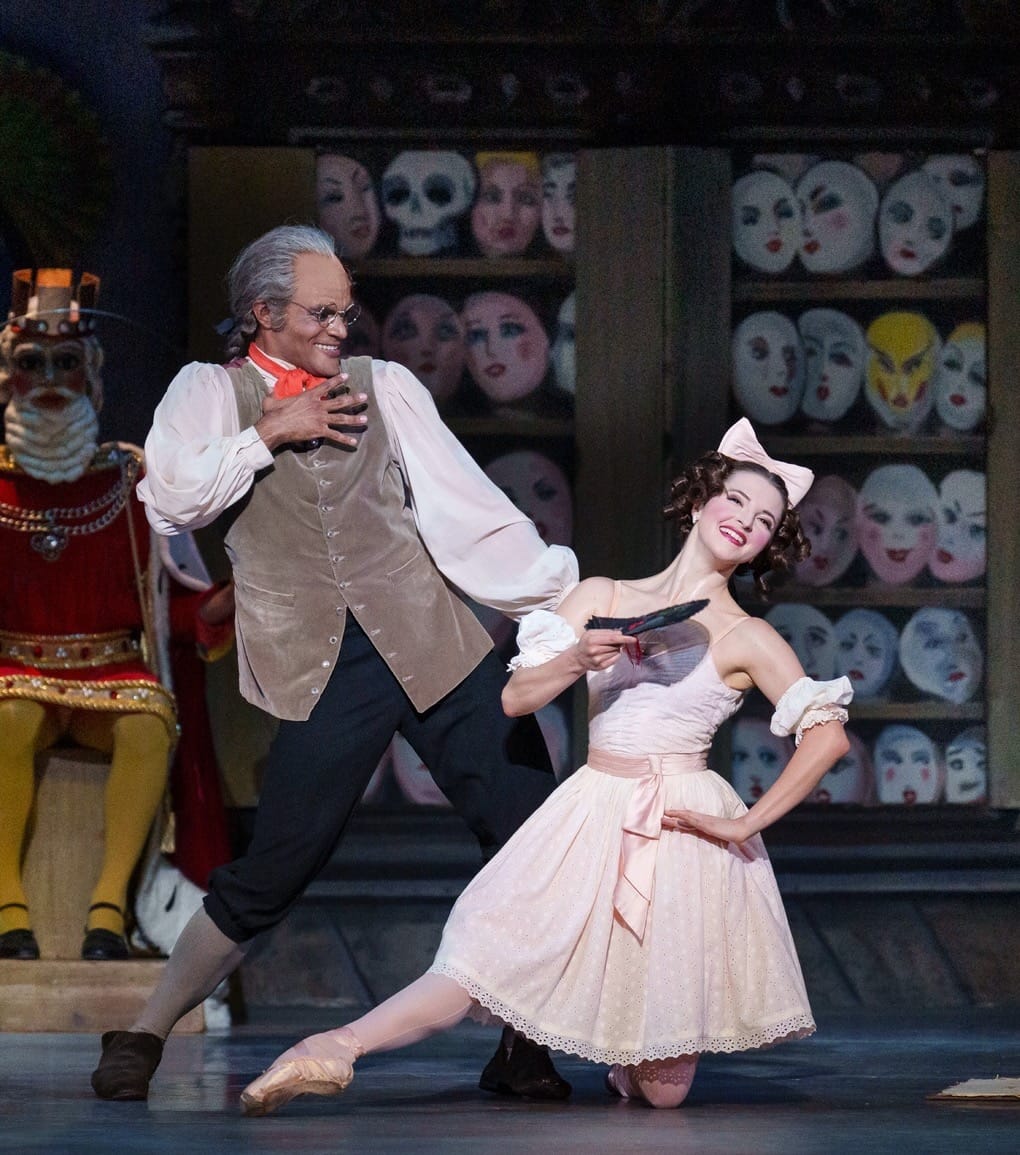
Even Dr. Coppélius got his money, and went off, if not happy, at least satisfied. Stanley was a particularly sinister inventor, oozing with menace. If Frantz had had money, he could have “met” Coppélia, which made Dr. Coppélius’ glee in Act III when the Burgomaster compensated him perfectly logical . Stanley made it clear that when he found out Frantz was penniless, he decided to experiment on him and he didn’t care that the old book’s formula would leave him a blind and soulless hulk. As he brought the imitation Coppélia to life, Stanley’s eyes began to gleam and his hands began to twitch with an “I could, dare I say it, rule the world” air of triumph.
His greedy power made the moment when Coppélia/Swanilda feels the life force animating her arms, accompanied by Delibes’ serene otherworldly music, a magical experience. The gift of the mirror wasn’t about a young girl’s vanity, it was about the Doctor believing his creation was looking at themselves with new eyes and realizing “I have a soul”. Stanley gave an impressive and powerful performance.
There were other fine moments, too. The four Jesterettes (Sierra Griffith, Claire Kim, Maya Milić, and Kylie Takeno Williams on both dates) brightened Act III with their rhythmic coordination and their softly jingling bells. Rommie Tomasini (May 30) and Alexa Maxwell (May 31) caught the bright Hungarian air as the Spinner exulting in the final hops on point, and Dominika Afanasenkov was a luminous Prayer, seeming to bless the children as she floated by them. The friends in Act I, though enthusiastic, did not float, and their lineup was often ragged. They attacked their choreography with a vigor that didn’t match the delicate filigree of the music, and it did seem at times as if they were auditioning for the Galician track and field team.
© 2026 Mary Cargill



