The British are Here
"Far", "This was Written on Water", "Nritta", "Les Patineurs"
Wayne McGregor/Random Dance, Pontus Lidberg Dance, Aakash Odedra Company, Sarasota Ballet
Fall for Dance Program Five
New York City Center
New York, New York
October 19, 2014
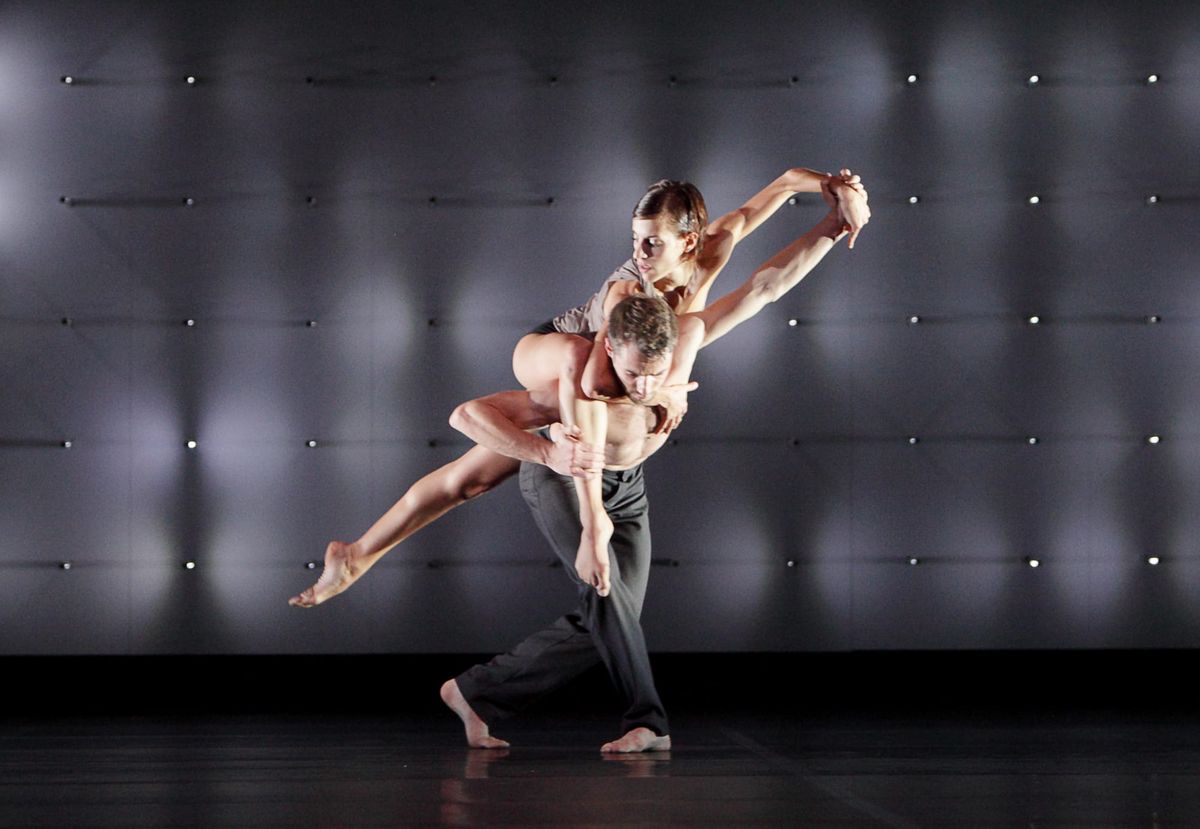
The final Fall for Dance program had three British imports, seasoned with one commissioned work by the Swedish Potus Lidberg. Wayne McGregor, currenty the Royal Ballet's resident choreographer, was represented by his contemporary company, Random Dance, in an adaptation of his 2010 work "Far", which was inspired, according to the program notes, "by the controversial Age of Enlightenment". I saw little enlightenment, other than dancers moving extremely unmusically to a recording of Cecilia Bartoli to an aria by the 18th century Italian composer Giacomelli.
The work opened with two dancers, flanked by four torch bearers, who seemed to be having a dialog: "My spine can move in two directions"; "Well, my spine can move in three directions"; "So what, I can lift my leg over my neck"; "Big deal, I can lift my leg and pretend to smack your face". This was repeated until the torches disappeared--apparently the Age of Enlightenment had had enough, because Giacomelli was replaced by electronic music by Ben Frost, and the couple was joined by a group. The gang seemed to be playing a particularly aggressive game of tag while suffering through a flea infestation, stopping now and then to slouch sullenly towards the audience with expressions that seemed to dare it to be so old-fashioned as to want craft, structure, technique, or meaning. I am afraid that I am that old-fashioned, especially when a work ends with a woman on the floor, presumably dead, while a man saunters off, leaving her to rot. The dancers were certainly energetic and engaged, but the piece was the dance equivalent of a truck ramming into a concrete wall--loud, aggressive and pointless.
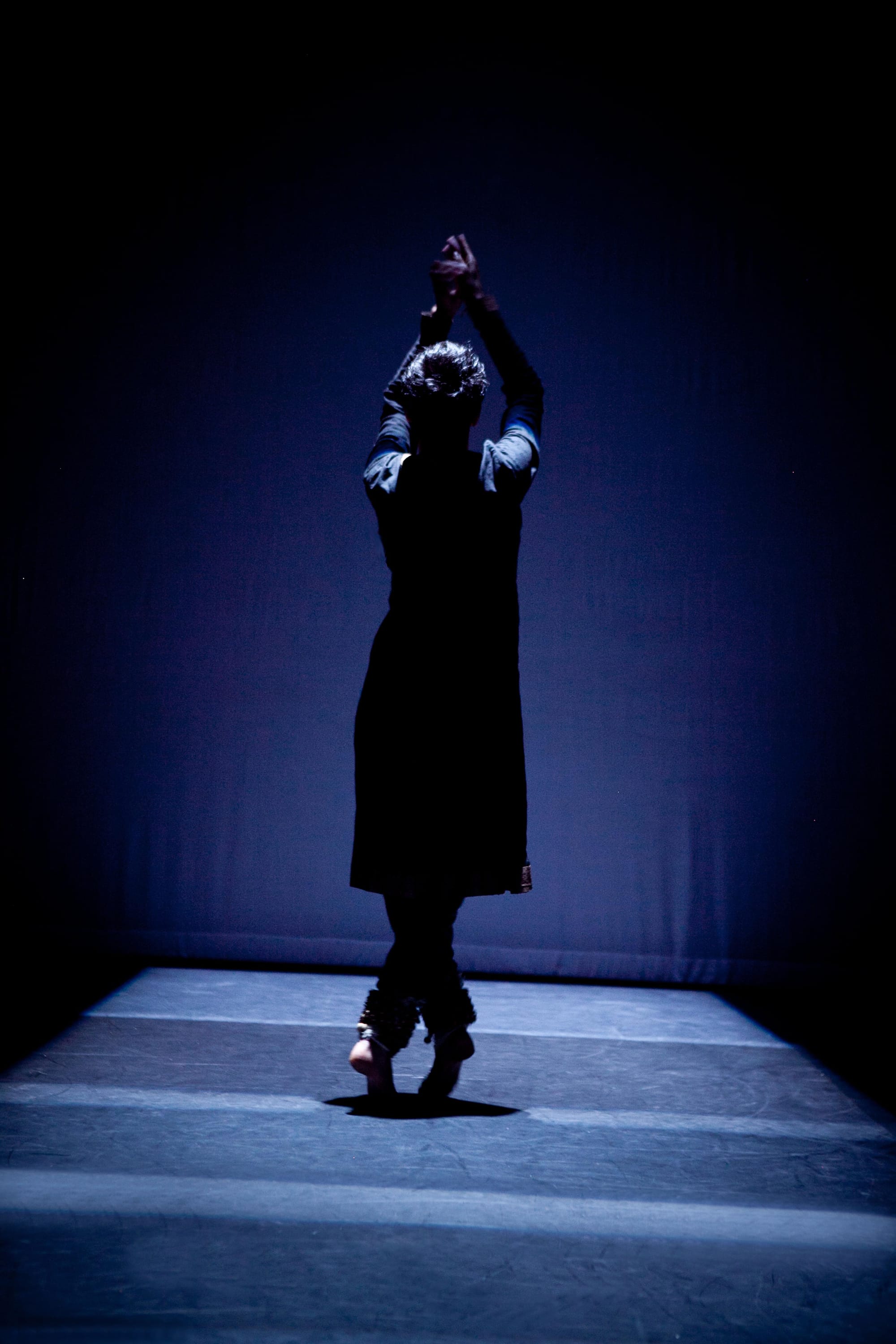
Aakash Odedra is another British import, and he danced a Kathak solo called "Nritta" which premiered in 2011 in Birmingham, UK. This was a glorious exploration of controlled movement, opening with the dancer's back to the audience as he seemed to invoke a higher power and building in excitement as he twirled on his knees, seeming to float above the stage, culminating in a graceful and rhythmic stomping. There was an openness about the dancer, yet the feeling was private, as if he were sharing something rare with a group of friends.
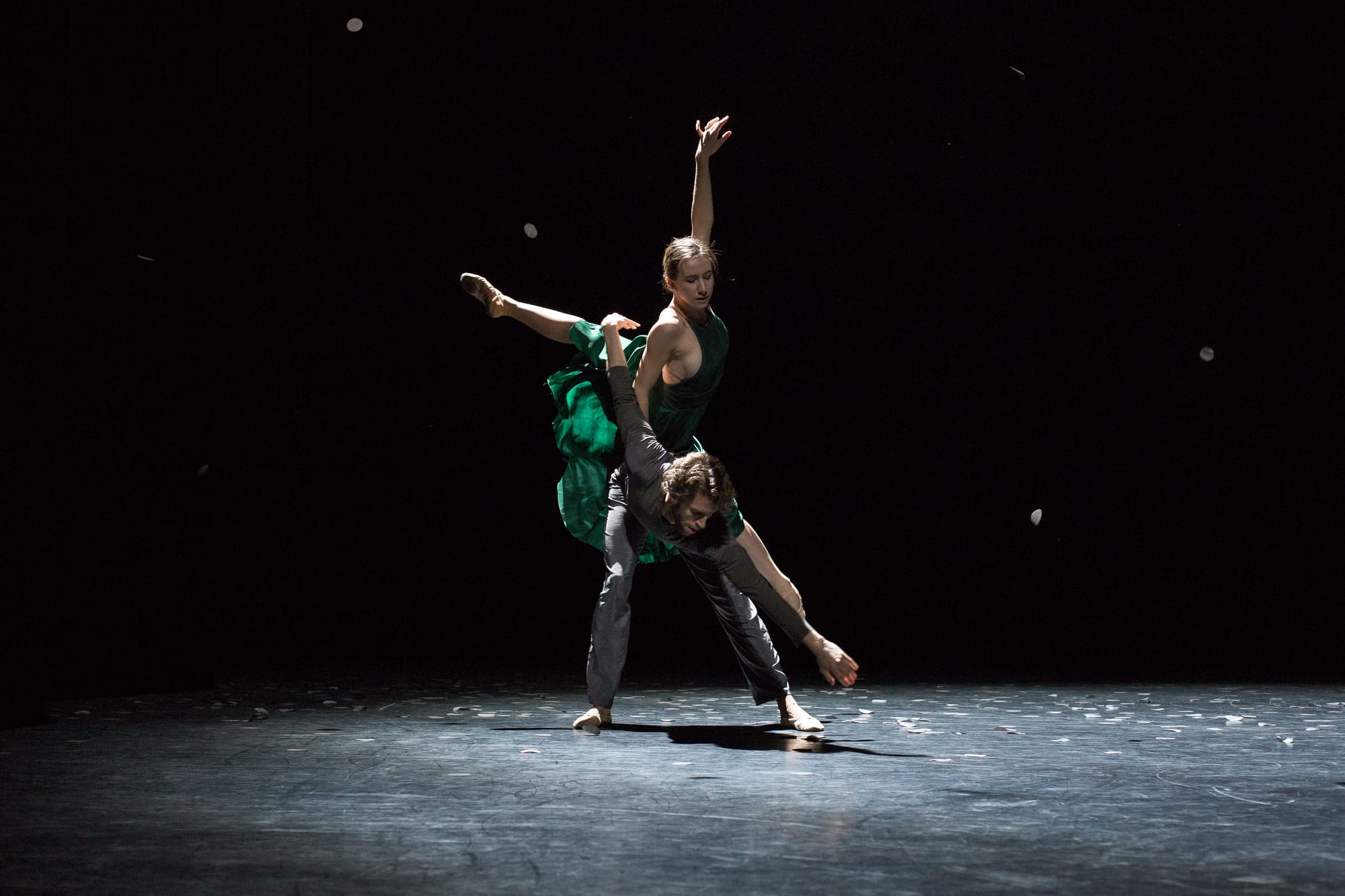
Pontus Lidberg's "This Was Written on Water", according to the program, resulted from a friendly collaboration between the choreo- grapher and ABT principal Isabella Boylston. The pas de deux, danced by Boylston and James Whiteside, also with ABT, was pleasant and sweet-natured, but rather generic. Boylston danced with an appealing openness, using her upper body freely, seeming to embrace whatever came her way. Whiteside, who came her way, was, as always, a modest and generous partner. The piece was surrounded by falling bits of paper, signifying, perhaps, autumn leaves, spring pollen, or recycled programs. It was a rather pointless gimmick, but the swirling shards looked lovely when they caught the light as the dancers moved through them.
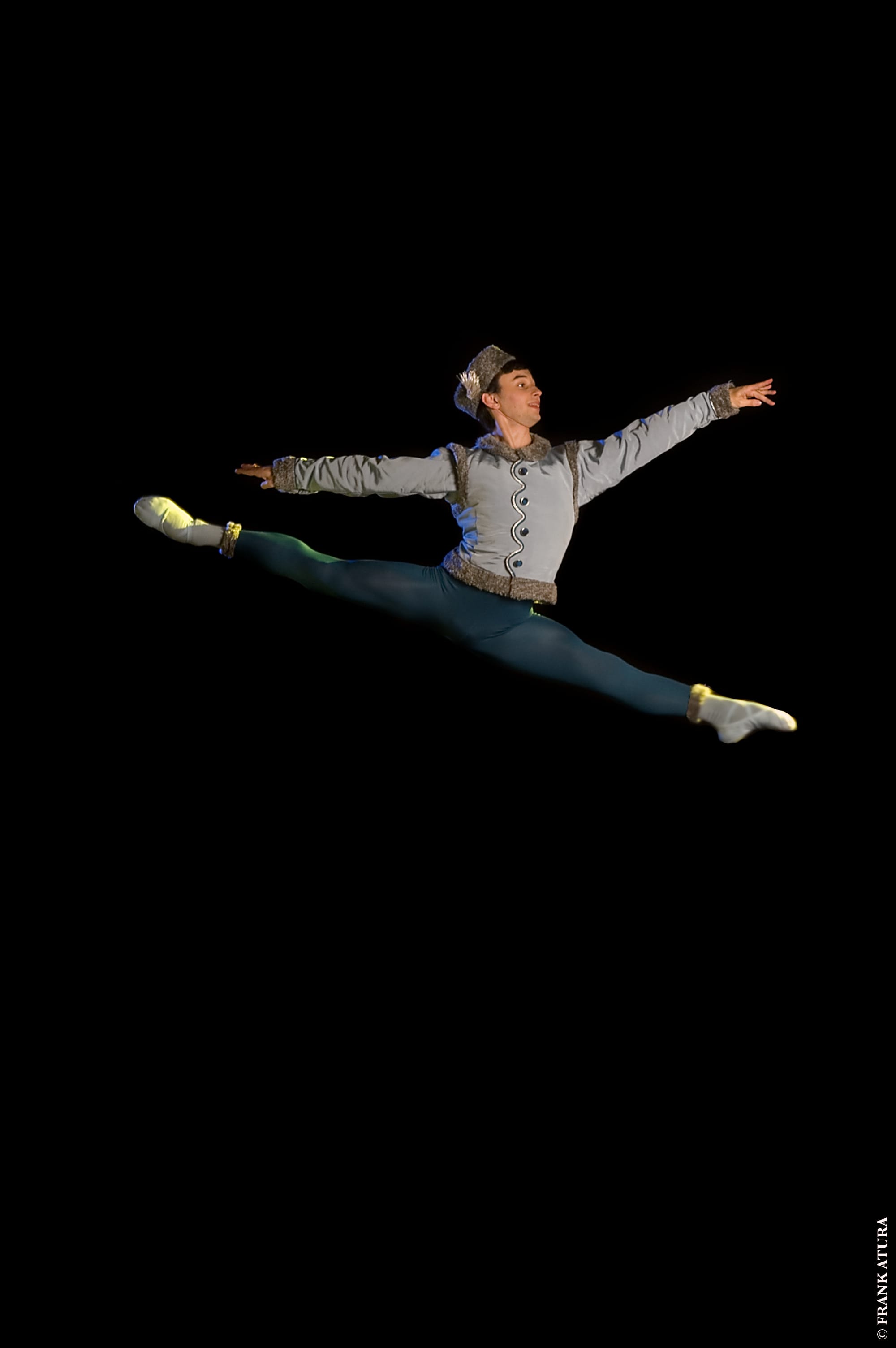
There were more falling bits of paper at the end of "Les Patineurs", Sir Frederick Ashton's inventive and evergreen 1937 work danced by the Sarasota Ballet, but this snowy finale was a fitting climax as the group of friends skated off in the snow; Ashton used stage effects but didn't rely on them for emotional resonance. These skaters, in their warm Currier and Ives outfits, are clearly a group of friends meeting at a park for an afternoon of fun. The hot chocolate aroma is irresistable. The Sarasota Ballet, directed by the British dancer Iain Webb, has a number of Ashton's works in its repertoire, and the difficult, delicate and detailed choreography was tossed off with a charming panache. Unfortunately, the City Center can't provide an orchestra, and the rather tinny tape of the luxurious Meyerbeer music meant that the dancers couldn't really luxuriate in the music. This wasn't as noticeable in the perkier bits, and the girls in blue (Kate Honea and Nicole Padilla) tore into their friendly turning competition fearlessly. Padilla, especially, threw off some amazing fouettes. The more romantic white couple, Danielle Brown and Jamie Carter, though, were forced to dance at a rather clipped pace.
The technical highlight is the high-flying boy in blue, and Logan Learned tossed off some fine jumps. But what I remember most is the pas de trois with Learned and the girls in blue as they linked arms, so reminiscent of Petipa's formal garlands yet as natural as a friendly nod. These dancers didn't need to crash into anything to get the audience's attention.
copyright © 2014 by Mary Cargill



