Swan Song
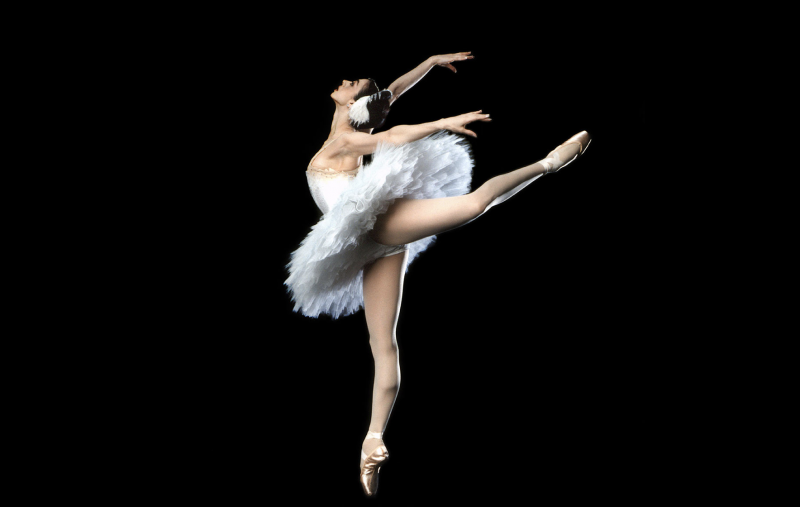
"Swan Lake"
American Ballet Theatre
Metropolitan Opera House
New York, NY
June 27, 2009
In an ideal world, anyone producing a "Swan Lake" would sign an agreement stating: 1. "Swan Lake" is a German fairy tale set in the Middle Ages; 2. Petipa/Ivanov are better choreographers than anyone else; and 3. Siegfried does not spend the first act auditioning for "Spartacus". But we do not live in an ideal world, and have ABT's somewhat confused and overly hot version, which fortunately does keep the lovely second act and the Black Swan pas de deux more or less intact. So for most of Nina Ananiashvili's actual dancing in her farewell performance, we saw "Swan Lake". And what a swan she is, luminous, shy, regal, and fluid. She was swannier in the lake side scene than many other dancers but never made those rippling arms into a party trick. There was a spontaneity about her dancing, a pure, unmannered style that had not changed since she first appeared in New York with the Bolshoi all those years ago, and there were so many lovely moments. I especially remember her quivering leg movements, as if her heart were beating through her dancing, saying perhaps, just perhaps this time she will be saved. And her despairing arms in the last act, miming "I must die" were shattering. Her Siegfried, Angel Corella, was ardent and involved--he is the only dancer I have seen to actually appear to see the swans fly by during his fussy and lugubrious melancholy first act solo. He has soared higher in the past, and jumped more cleanly, but there is an open-hearted charm in his dancing and a rare generosity of spirit that captures the audience.
Ananiashivli's Odile was, in a way, as subtle as her Odette; she made her a warm-blooded woman who really loved tricking men, and even more dangerous than the traditional cardboard villainess spitting fouettes. Corella didn't have a chance, and his pure joy when he thought he had found Ms. Right shown through his exuberant dancing, making the pas de deux a real story and not just another excuse for jumping. There were other dancers on stage, of course; Simone Messmer stood out in the peasant pas de trois for her fluid arms and elegant carriage. Marcelo Gomes, as the purple pimp, camped it to the hilt, the only way this silly role can really be played.
But the story that night was really the curtain calls, full of flowers and cheers and tears. Every swan presented her with a flower and got a personal hug, each principal gave her a bouquet and a quiet message, and even the conductor presented her with his baton. There were many flowers thrown by the standing, cheering audience, sad to see this lovely, gentle dancer for the last time, but also full of gratitude for a true artist.
copyright © 2009 by Mary Cargill



