Swan Next Door
“Swan Lake”
American Ballet Theatre
Metropolitan Opera House
New York, NY
July 18, 2026
At the closing performance of American Ballet Theatre’s 2026 summer season, Catherine Hurlin and Isaac Hernández stripped the myth out of "Swan Lake" and danced the leads like two people who could plausibly live down the street from you. Whether the choice was calculated or simply fatigue setting in on a long season, the effect was a unique, if not wholly compelling, reading of the ballet.
The tone was set from Hernández’s first appearance: his entrance was clean and composed, but not particularly princely. There was no hopeful glow, no yearning stares, no secret dream coming into focus. His interactions with Jake Roxander’s Benno, the Prince’s trusted friend and lead in the Pas de Trois, retained the spirit of earnest camaraderie, with no glimmer of his rank, birthday or the required impending selection of the bride. Whether by accident or design, Roxander and his partners – newly promoted to soloist Zimmi Coker and Breanne Granlund – echoed the demure presentation. Coker’s dancing was soft and loose-limbed but reined in short of full release; Granlund often cast her gaze downward. Roxander himself supplied the scene’s biggest technical statements, soaring through his jumps, but even that came off as a friendly flex among peers, not a subject's tribute to his future king.
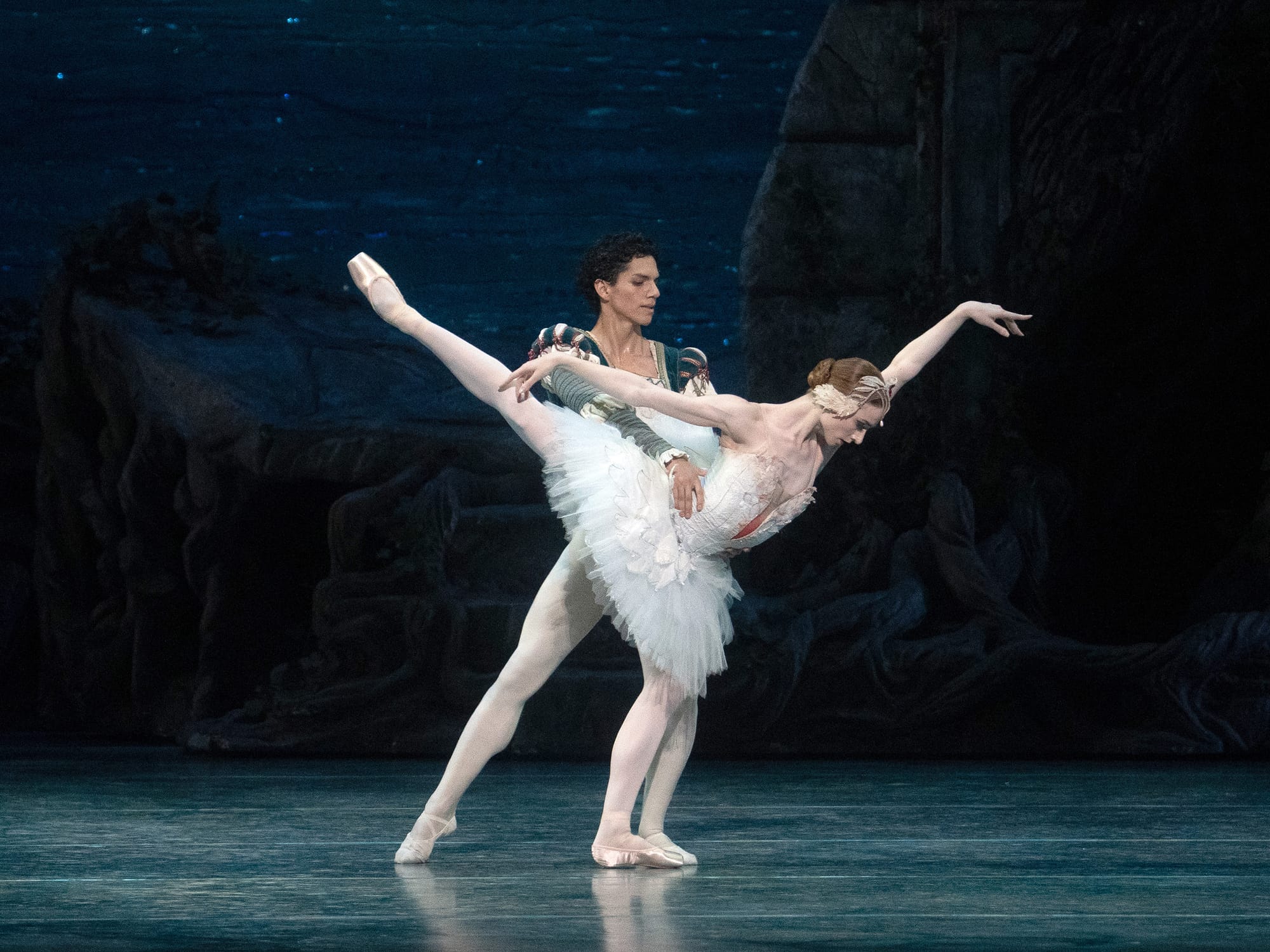
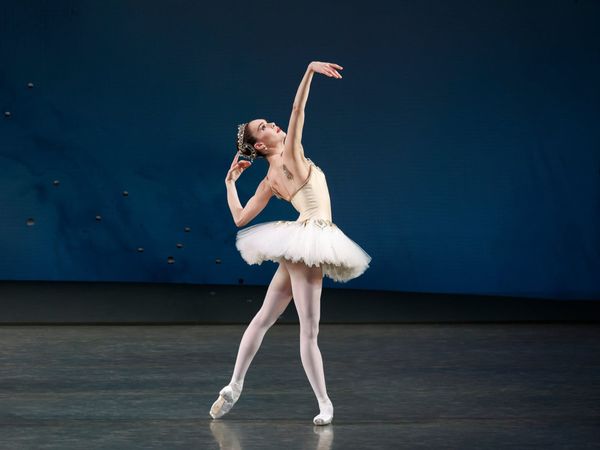
Once by the lakeside, the tenor held. From her own first appearance, Hurlin’s Odette was self-assured, solemn, and only modestly perturbed – easily a woman burdened with an insurmountable to-do list or a fickle boss, more so than an evil sorcerer’s magic. Her gestures were relatable thorough the animated backstory, coming off as a matter-of-fact, not a heart bared for the first time to a stranger, and her plea that the Prince not shoot Rothbart were more a well-reasoned negotiation than an impassioned survival move. The swan in her surfaced only in the adagio, with a series of well-plotted nods of head on the wing-shaped arm bringing forth the nature of her heroine, but even then, her rationality dominated. In the arabesque-return-and-fall-away sequence, or in the attitude allowing for the Prince’s hug, the movements were decisive – internal calculation running through the mind, rather than a woman losing herself to feeling. It was a legitimate presentation of Odette, if risking being smaller than what the role was built for.
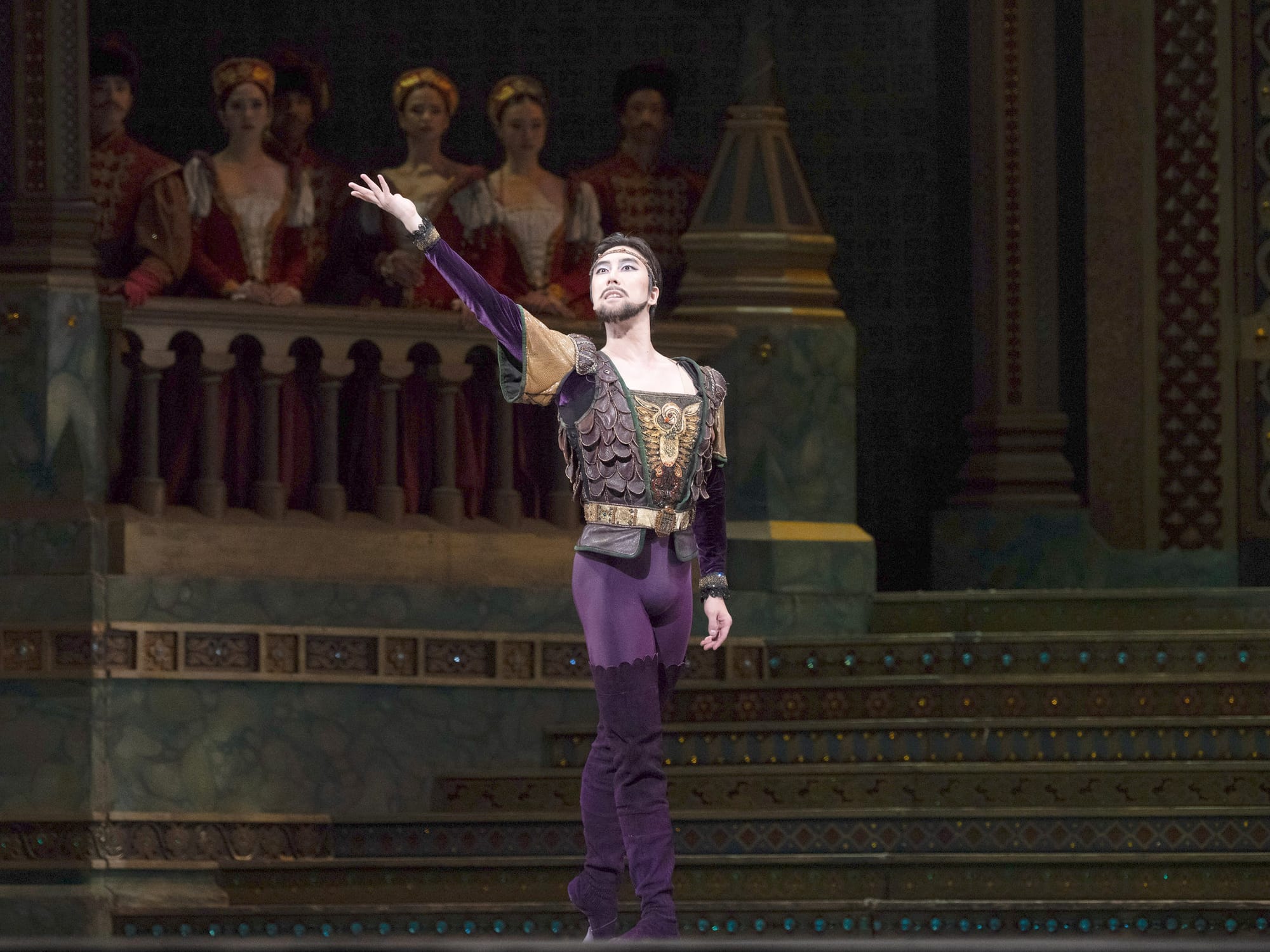
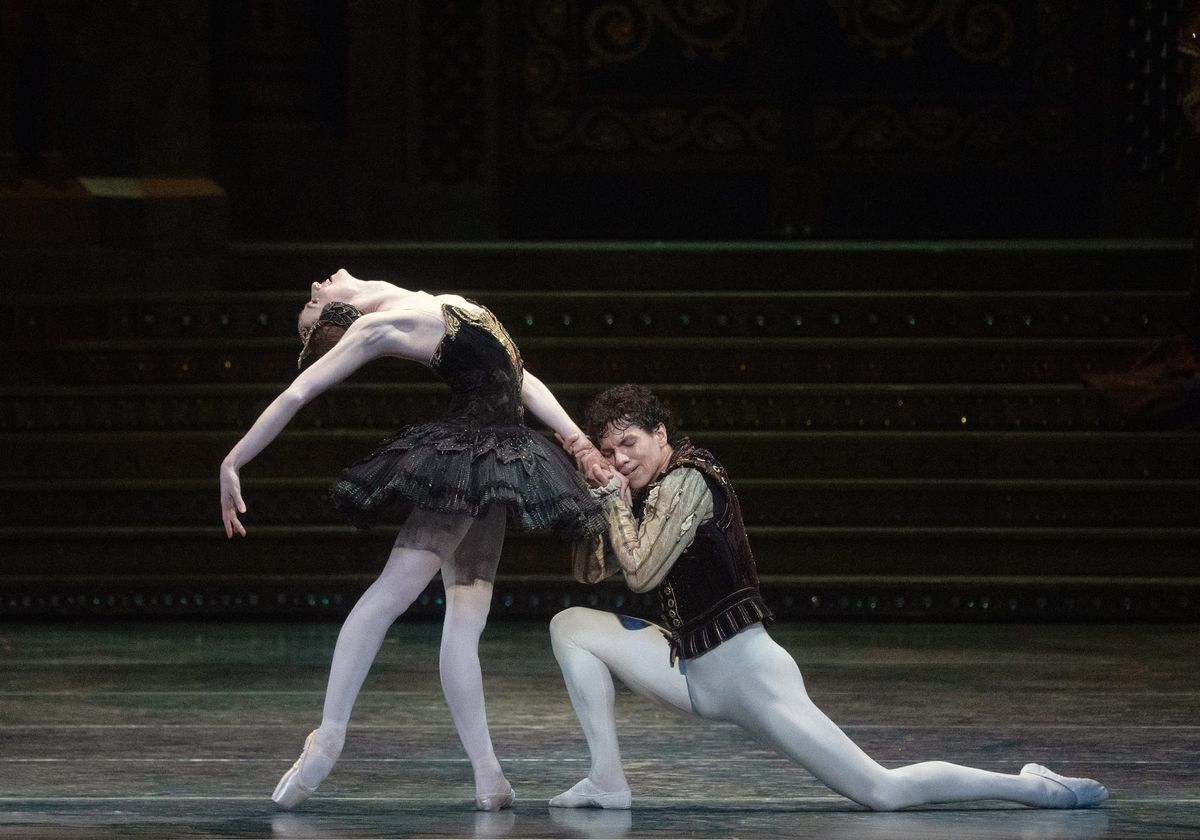
The Black Swan act got a similar reading from both, but here the boy-and-girl-next-door quality made the scenes more interesting. Ushered on by a very spontaneous-natured Rothbart danced by Sung Woo Han, whose dancing was ready to tip on a dime from honeyed seduction into blazing rage (with technique to back it up), Hurlin was the perfect accomplice. Still a “Swan Next Door,” her Odile was more approachable than glamourous – closer to a girl the Prince might eagerly exchange numbers with, than a seductress out on a scheme to destroy him. Whenever Hernández looked away, she’d drop the performance and observe him with the enthusiasm of a school prankster. There was no supernatural pull, but a real, live-wire game of cat and mouse: he'd wrap his arms around her, and she'd already be somewhere else, as if to say, "on second thought, let me walk over there." It was an earthy, different reading, but its freshness worked, and even elevated the less interesting technical parts of the variations and coda.
It wasn’t enough to seed real tragedy though, and the return to the lake with its simple, lovely Odette, who wanted nothing more complicated than to be loved, made for an ending more regrettable than heartbreaking. Forget the curses or deceptions, the let-down was that the characters’ demise took with them their chance to flourish into richer heroes.
copyright © 2026 by Marianne Adams