Storytime
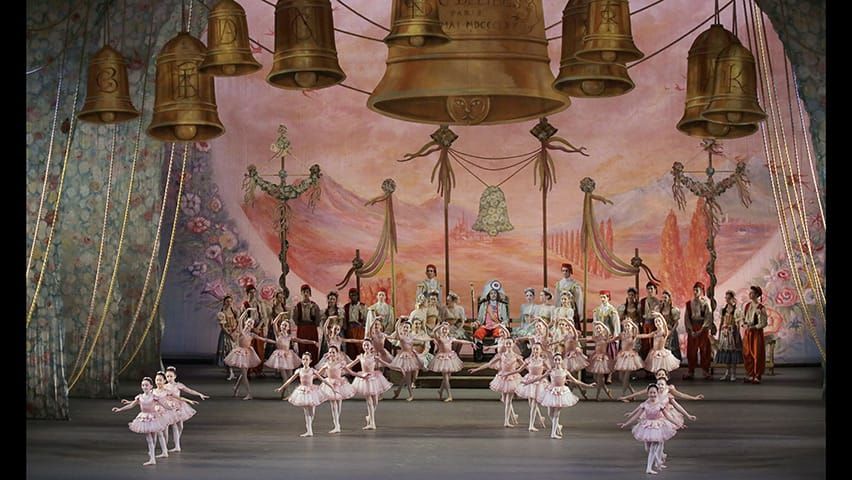
"Coppélia"
New York City Ballet
David H. Koch Theater
Lincoln Center
New York, New York
May 25, 2018
Though New York City Ballet is renowned for its one-act plotless ballets, it is exceptionally satisfying to watch a character (and a dancer) develop and change over several acts, as Tiler Peck and Joaquin De Luz showed in their magnificent "Coppélia". Story ballets also give dancers a chance to show that ballet is richer than a collection of steps and the mime role of the deluded Dr. Coppélius (Robert La Fosse in this performance) can dominate the stage with a fussy little gesture. Swanilda, that high-spirited, unchaperoned adolescent, emerged (at least as Peck danced her) as a somewhat chastened but grand ballerina in the final act, while Franz has learned his lesson.
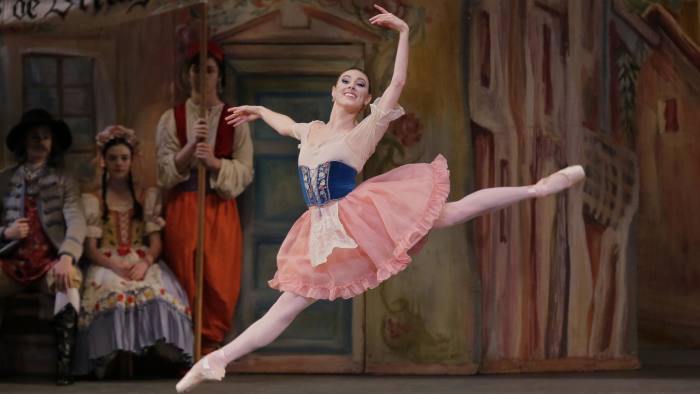
Peck's Swanilda was a technical marvel as she danced with an almost unearthly speed and precision, her clear, articulated lower body supporting a soft and elegant, and as always, supremely musical, upper body. There was a series of turns in the last act that were so fast, she really was a blur, but, as befits a real ballerina, she was always in control. Her Swanilda was neither cute nor coy and she made the opening mime gestures (shrugging her shoulders and shaking her fists at the oblivious Coppélia) both clear and dancey. Swanilda is not the nicest character in the ballet canon but Peck made her second act destruction seem motivated more by her concern for Franz than her love of mischief. Her Act III Swanilda was radiantly, luxuriously feminine, as if she had left childish moods behind, as she bent into the music, playing with it but never stretching it for effect. Her fleet but scrupulous footwork seemed almost like a moral revelation. It was a performance by a magnificent dancer in full control and the audience responded with awe and gratitude, and a genuine standing ovation.
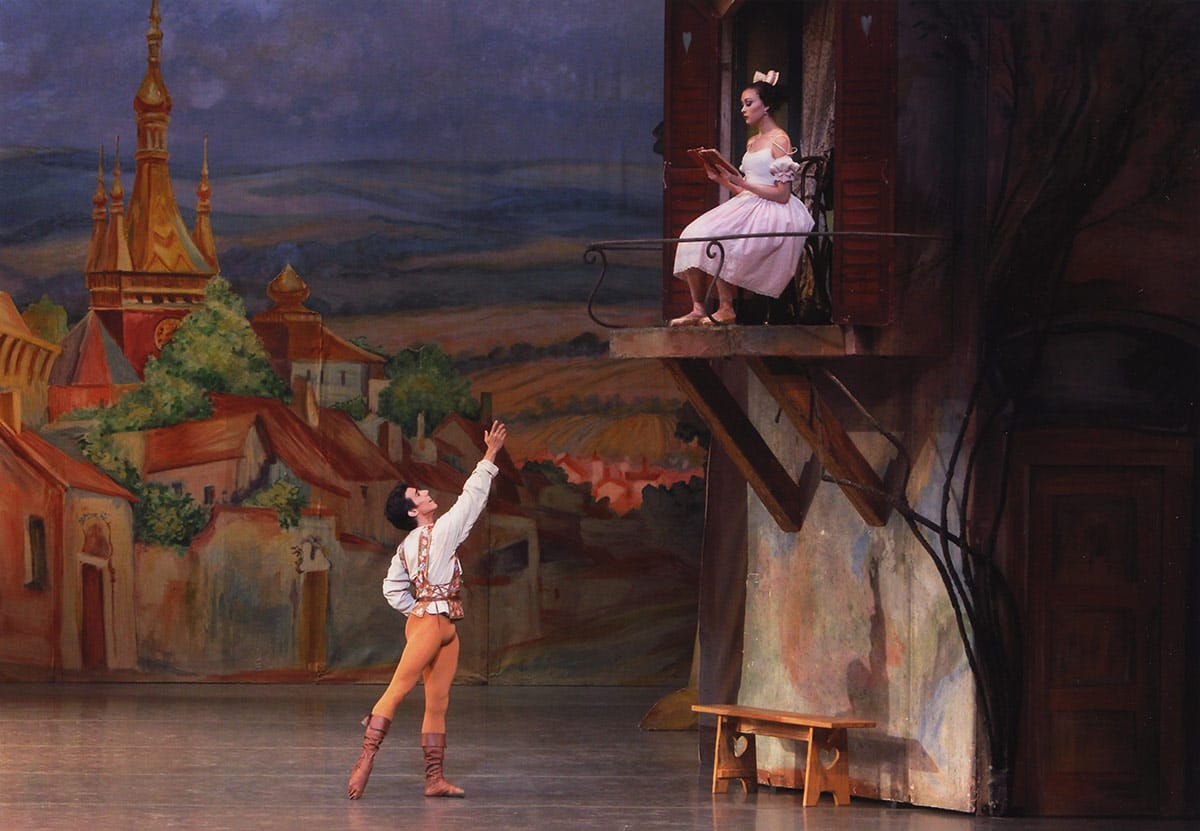
This ovation included De Luz, who will be retiring this year. His dancing doesn't seem to have lost an ounce of power, and his jumps were high, his landings soft, and the upper body elegant. His partnering, though Peck on point is almost a head taller than he is, was generous and secure and the running lifts in Act III were flawless. He downplayed Franz's faults (after all, he is really a two-timing lout in Act I, ready to flirt with anyone and not ashamed of robbing an old man) and emphasized his youthful and irresistible charm. He was sweetly and genuinely puzzled by Swanilda's reaction when he turned the butterfly into a mascot--"But I did it to remember you by", he seemed to say. He ended his Act III solo with a little outstretched gesture, as if saying to the audience "That was fun", but also as if he were saying goodbye, not by playing to the audience but by inviting them to enjoy the fun.
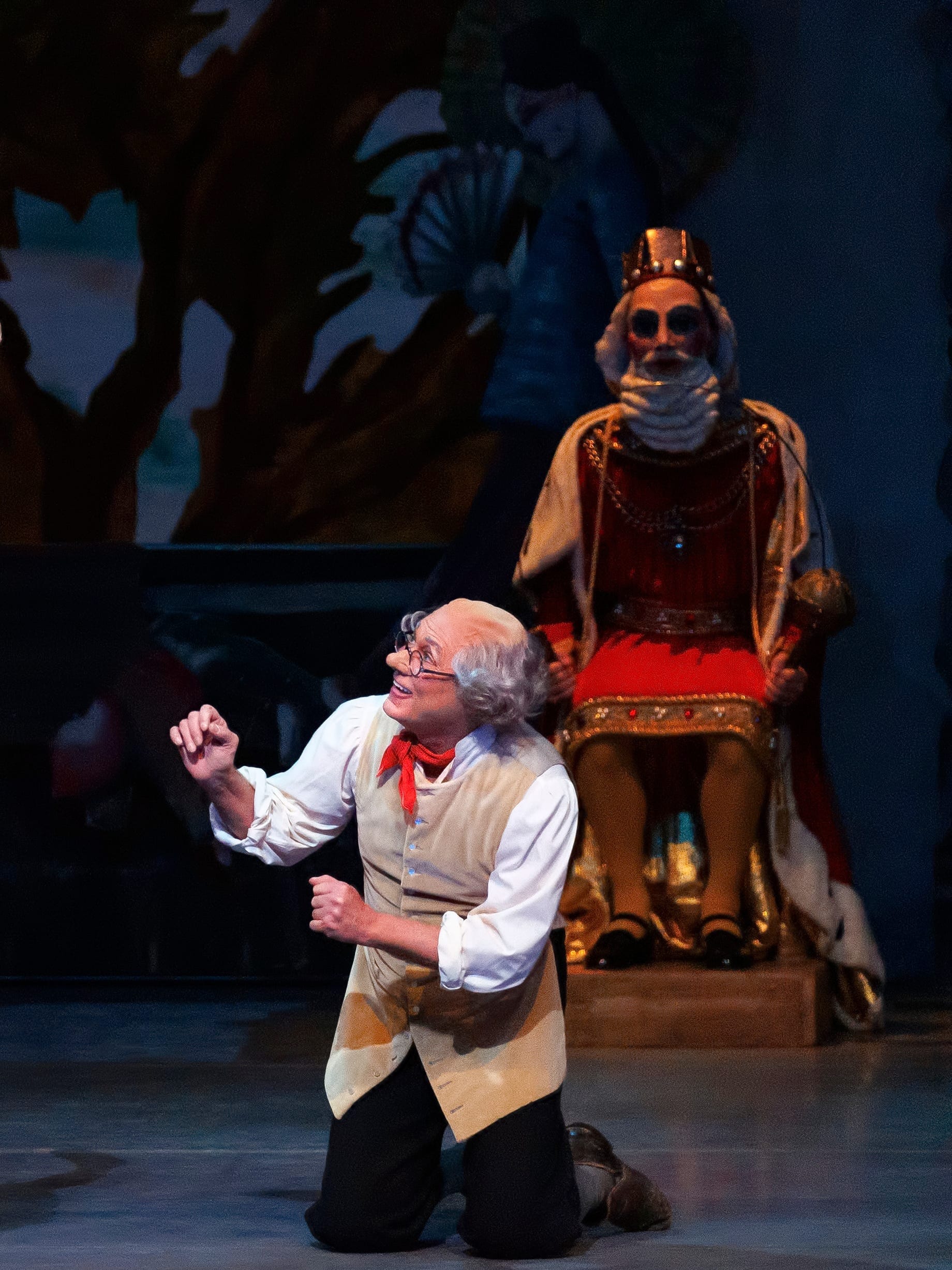
Robert La Fosse's Dr. Coppélius, too, did not play to the audience and his delicately calibrated performance never overbalanced this essentially light-hearted ballet. Though La Fosse was in a comedy, he wasn't a comedian and his Doctor was fussy, punctilious, deluded, and though disillusioned, not a tragic figure. I loved the way he crooked his little finger when drinking with Franz, a tiny and almost pathetic attempt at sophistication. His rapture when dancing with the fake Coppélia was so misguided yet so intense that it was easier to sigh than to laugh.
I did miss the hint of almost frightening power that some Doctors do when trying to steal Franz's soul to bring Coppélia to life. Delibes' soft, lilting music as Coppélius thinks Franz's life force has animated the doll shows that his was his greatest triumph, and the gesture should be more forceful and grotesque that the previous more mechanical triumphs which simply let Coppélia move. But he still gave a magnificent, individual performance, full of a wry but sympathetic understanding.
copyright © 2025 by Mary Cargill



