Spring Awakening
ABT Gala
Metropolitan Opera House
Lincoln Center
New York, NY
May 18, 2009
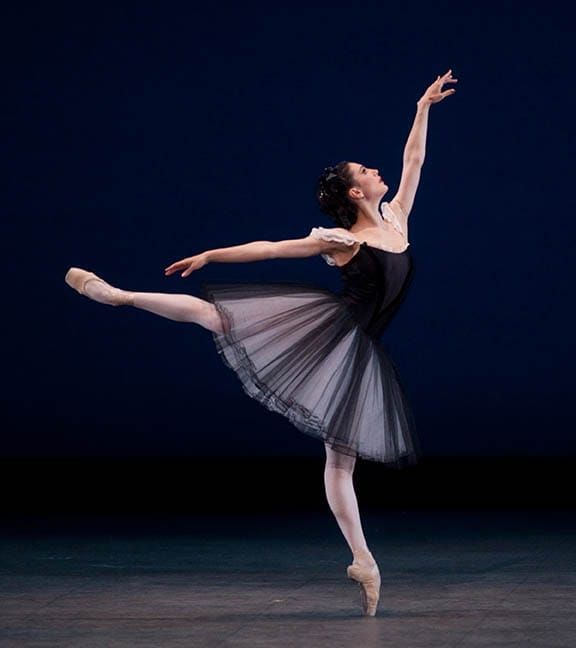
ABT began its traditional Spring season at the Met with a flourish, capped by the gracious speech of First Lady Michelle Obama, stressing her support for the arts. She was greeted by a spontaneous standing ovation (and lots of flashing cameras which added to the occasion), and the buzz generated by her presence was infectious. The gala program was crafted carefully, to give all the principals and then some a chance to be seen, and was made up primarily of coming attractions. This meant that few dances were complete, so critical artistic judgment is really impossible, but the evening was a lot of fun, and fortunately the fouettes were kept to a minimum. The evening opened with new principal Veronika Part in the "Preghiera" from Balanchine's Mozartiana, which she danced as if it were a meditation on the Lilac Fairy, seeming to bless both the four young girls and the entire audience. It didn't have the interior mystery of Farrell's version, but it was warm, lush and beautiful.
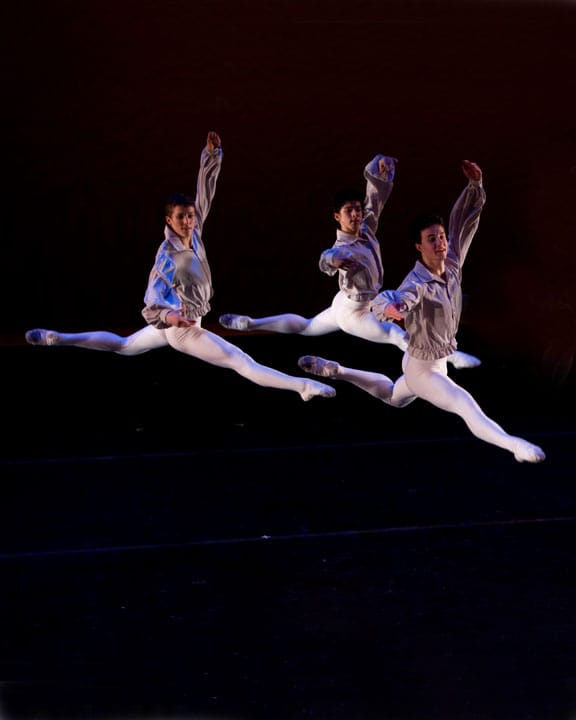
This was followed by "The Procession", set on levels five, six, and seven of the students at the Jacqueline Kennedy Onassis School at American Ballet Theatre (to give it its full title) by Raymond Lukens. The choreography tended to stress specific technique, so a turner was given turns and a jumper jumps, but the students were neither studied nor coy, and danced with amazing aplomb. The boys (though some should certainly be called men), especially, stood out. A brief excerpt from "La Sylphide", with Xiomara Reyes and Herman Cornejo followed. The excerpt included some of the lovely corps work, and they got a well-deserved round of applause. This beautiful ballet loses much of its power performed out of context, but Reyes gave a fine boneless quality to the poor sylph, and Cornejo jumped energetically. The most satisfying performance of the evening was the "Tchaikovsky Pas de Deux", both because it was so well danced, but also because it was complete. Gillian Murphy phrased the choreography delicately, so it wasn't just a raucous powerhouse of steps, but had its delicate and playful moments. She danced with and for her partner, Ethan Stiefel, without having to overact. Stiefel was sharp and clear. So was Michelle Wiles, as the fierce nymph in an excerpt from Ashton's Sylvia. Without the gorgeous scenery, the pure technical challenge of the corps' choreography stands out; they have to dance cleanly, quickly, and precisely while holding on to bows, which much make balancing a challenge. The corps met this challenge triumphantly.
Nina Ananiashvili, greeted warmly, danced a Ratmansky piece d'occasion called "Waltz Masquerade". She swooped dramatically in a beautiful, Edwardian-style red dress, looking at times as if the work should have been called "The Dying Flamingo". She was accompanied by four men on the side, holding small candelabras, which hid their faces--they turned out to be Marcelo Gomes, Maxim Beloserkovsky, Jose Manuel Carreno, and Angel Corella, who put down their burdens and begged her to dance with them. It was a charming bon-bon. There isn't much actual choreography in MacMillan's balcony scene from "Romeo and Juliet", just a lot of jumping, running, and over-emoting. Diana Vishneva looked a bit studied and her oozing backbends made it seem at times as if Gomes were dancing with a piece of silly putty. Gomes, though, got as much out of the piece as he possibly could, with a number of individual touches, including a dramatic, passionate and seemingly spontaneous run at the end.
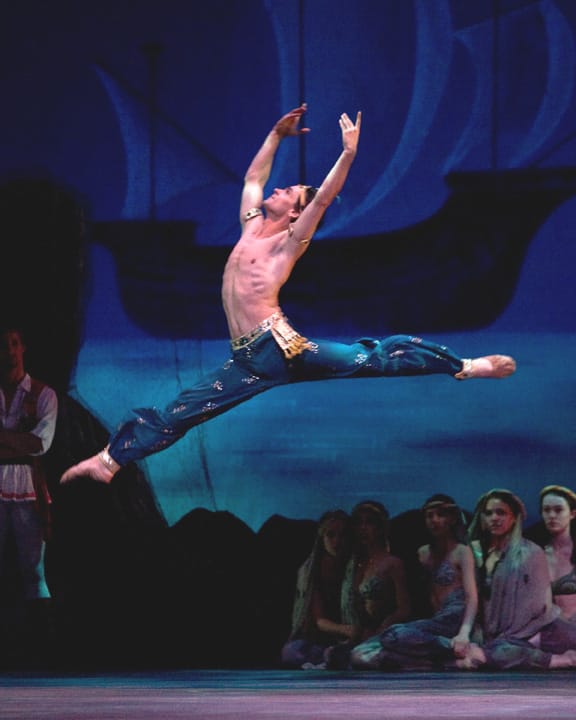
There is real choreography in the white act of Swan Lake, as well as real poetry and Maxim Beloserkovsky is one of the best at ABT at expressing it. He has the rare ability to stand still yet keep the audience focused on him, and he seemed to feel Odette's presence before he actually saw her. Paloma Herrera seems to be too sweet and young for the tragic dimensions of the ballet, but her dancing was clear and elegant. The pas de deux (for three) from Le Corsaire, is clear, but not exactly elegant. Angel Corella is mesmerizing as the slave Ali, who may be a captive but who gets the flashiest steps. He combined wit, brilliance, and a deferential modesty to make the show piece into a work of art. David Hallberg was the Conrad who had the impossible task of competing with him; his noble gifts were not displayed to their best advantage. Their Medora, Irina Dvorovenko, used her gifts of display and control to great advantage, and her fouettes were absolutely spot on.
The cheerful bombast of the Corsaire music (attributed to Riccardo Drigo and one Prince Oldenbourg) was followed by a welcome change to music as a heartbeat, in the jazzy score composed and played by Herbie Hancock. Jose Manuel Carreno and Stella Abrera were the dancers, but there was no choreographer listed. It did look as if it were ad libbed; Carreno came on and did some spectacular turns (which didn't really match the moody music), then sat down and watched the piano, seeming to dream of Abrera. He then left the stage, and Abrera watched the piano, and then the curtain fell. Carreno's powerful stage presence, though, certainly cast its spell, and I found it intriguing. The glittering finale of Balanchine's Theme and Variations closed the evening. Sarah Lane and Daniil Simkin were a bit light-weight for the majestic choreography, but it seemed to indicate a toast to the future, which looks bright; it will just be brighter when they dance something complete.
copyright © 2009 by Mary Cargill



