Filling The Stage
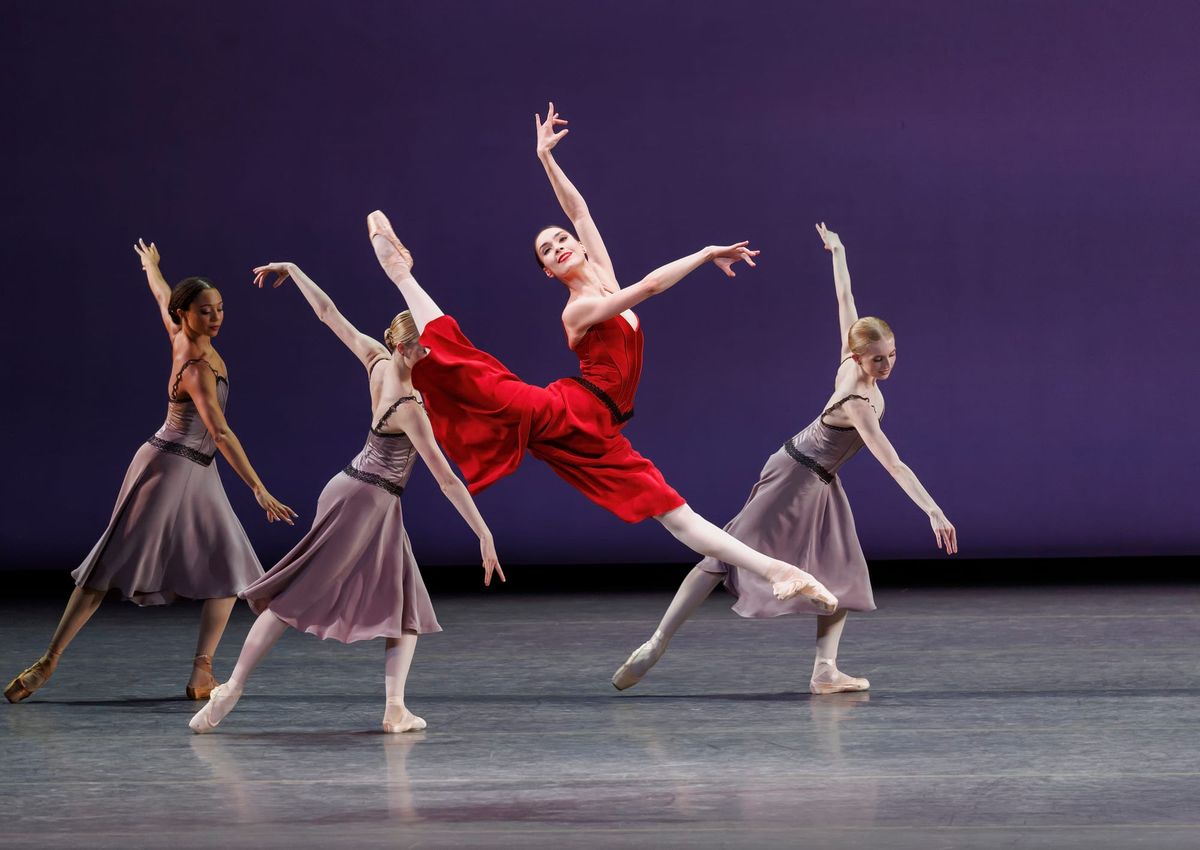
"Opus 19/The Dreamer,” “Standard Deviation,” “Symphonie Espagnole”
New York City Ballet
David H. Koch Theater
New York, NY
May 17, 2026 (matinee), May 28, 2026
For her much-promoted sophomore piece at NYCB – “Symphonie Espagnole” to Éduard Lalo’s eponymous music – Tiler Peck said she wanted to go big, filling the stage with dancers. By coincidence or design, the two works accompanying the buzzed-about creation – Jerome Robbins's "Opus 19/The Dreamer" and Alysa Pires's "Standard Deviation" – also packed large casts, and brought more cohesive artistic direction along with them.
"The Dreamer" is an imperfect ballet, but it showed different approaches across different layers of artistry. On May 17, Roman Mejia's lead was strong and powerful, and his partnership with Peck elevated both of them. Together they knew when to soften the arms, when he needed to jump with added force to feed the music – making the notes feel propelled by movement. There was tension in her steps away from him, then a release as she stepped into the promenade turn, suggesting softness was brought on by closeness.
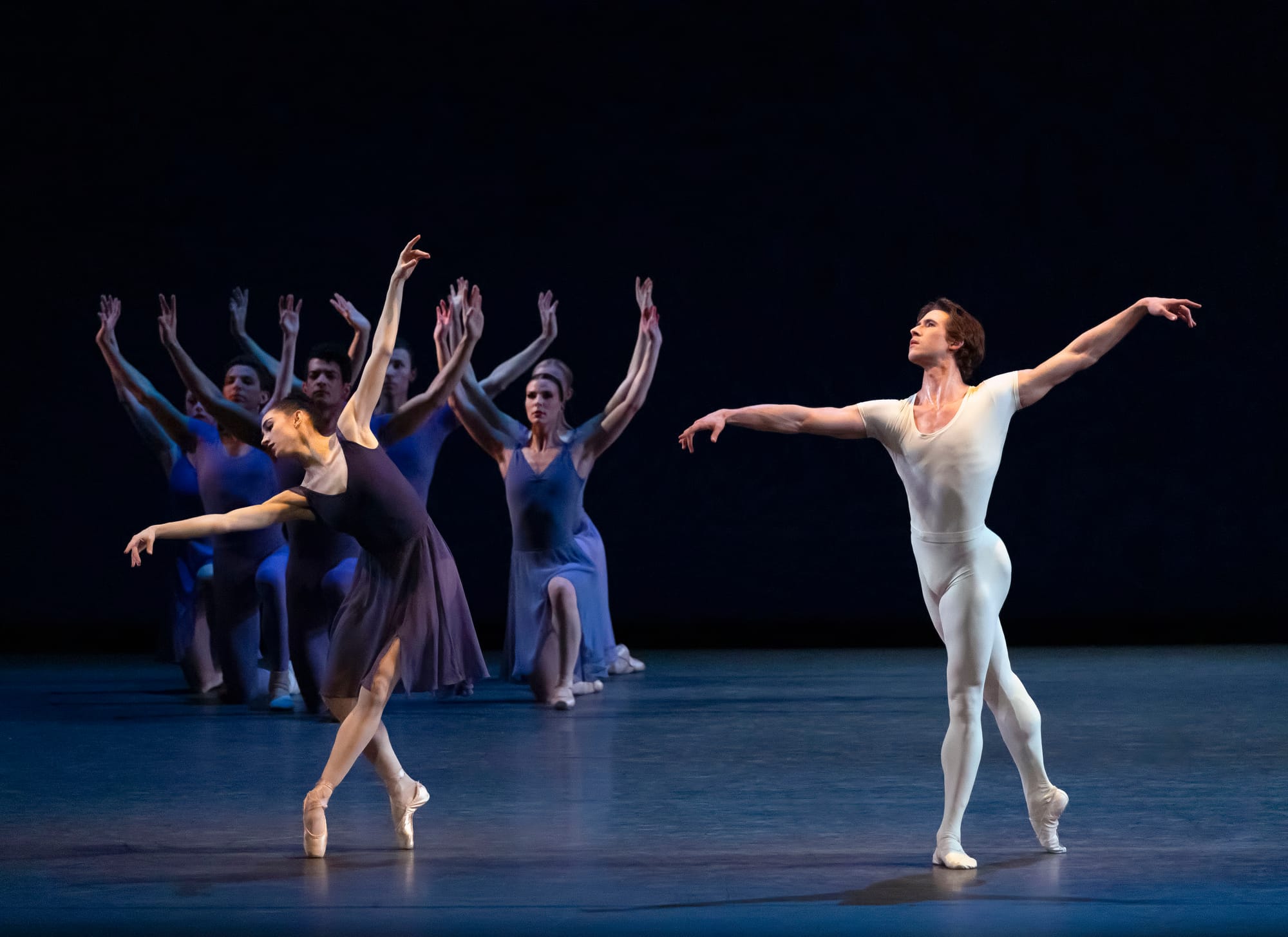
Joseph Gordon, on the other night, offered serene lyricism. His Dreamer told a story with the music: his turns would end and he'd acknowledge the floor, as though with a somber bow; his double turns in attitude had the feeling of a hummingbird's flight. He danced opposite Alexa Maxwell, who by contrast seemed a bit strained – and made one wonder why, of all the women onstage whom his character observed as visions, Gordon would choose her. The corps dancing here, and on the other night, seemed far more interesting, with sections where they looked like flailing petals and then contrasted with strong steps inching with force forward. A clear win to filling the stage.
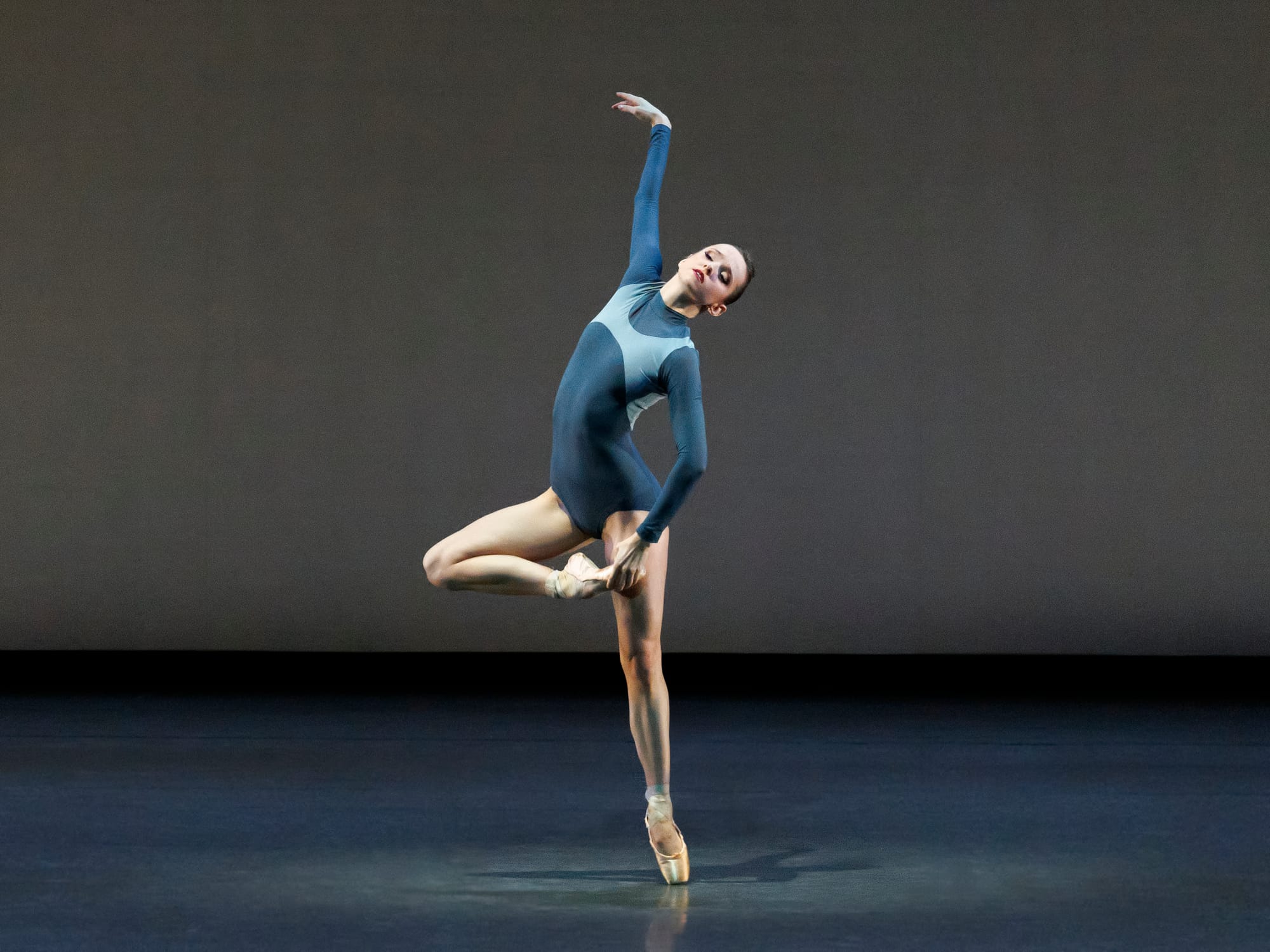
Pires's ballet is its own sort of oddity, but its cast carried some of the same qualities as the Robbins leads. Emma Von Enck in the solo role felt like a strange choice at first – the steps demand drama, and she is a softer, more innocent dancer. But her technique compensated for what natural presence might have been missing. In the punchier sections she approached the steps with curiosity, and her fouettés were effortless. By the end, she seemed to be dancing to a jazz undercurrent just beneath the score's surface, with added nuance in the hands. The lead couple, Naomi Corti and Victor Abreu, danced as though larger than life, towering over the stage even when they weren't positioned to. Corti took her time extending her leg; Abreu approached turning her with imagination – at one point it looked as though she was merely balancing on pointe while he rotated her body into the turns.
Then, came the main event. Peck's "Espagnole" opened in tutus, worn for the First Movement and not seen again until the Coda (on the same dancers). Eight women and four men in beautiful classical costumes provided adornment for the lead couple of Von Enck and Gordon. From its glorious opening tableau of posed dancers, Von Enck handled cascades of turns in a bright red tutu with largeness and command. The other cast – Indiana Woodward and David Gabriel – fared worse. A bourrée-flick-coupé-back in her solo looked oddly un-Spanish, and Woodward was generally too soft for the expression the movement demands.
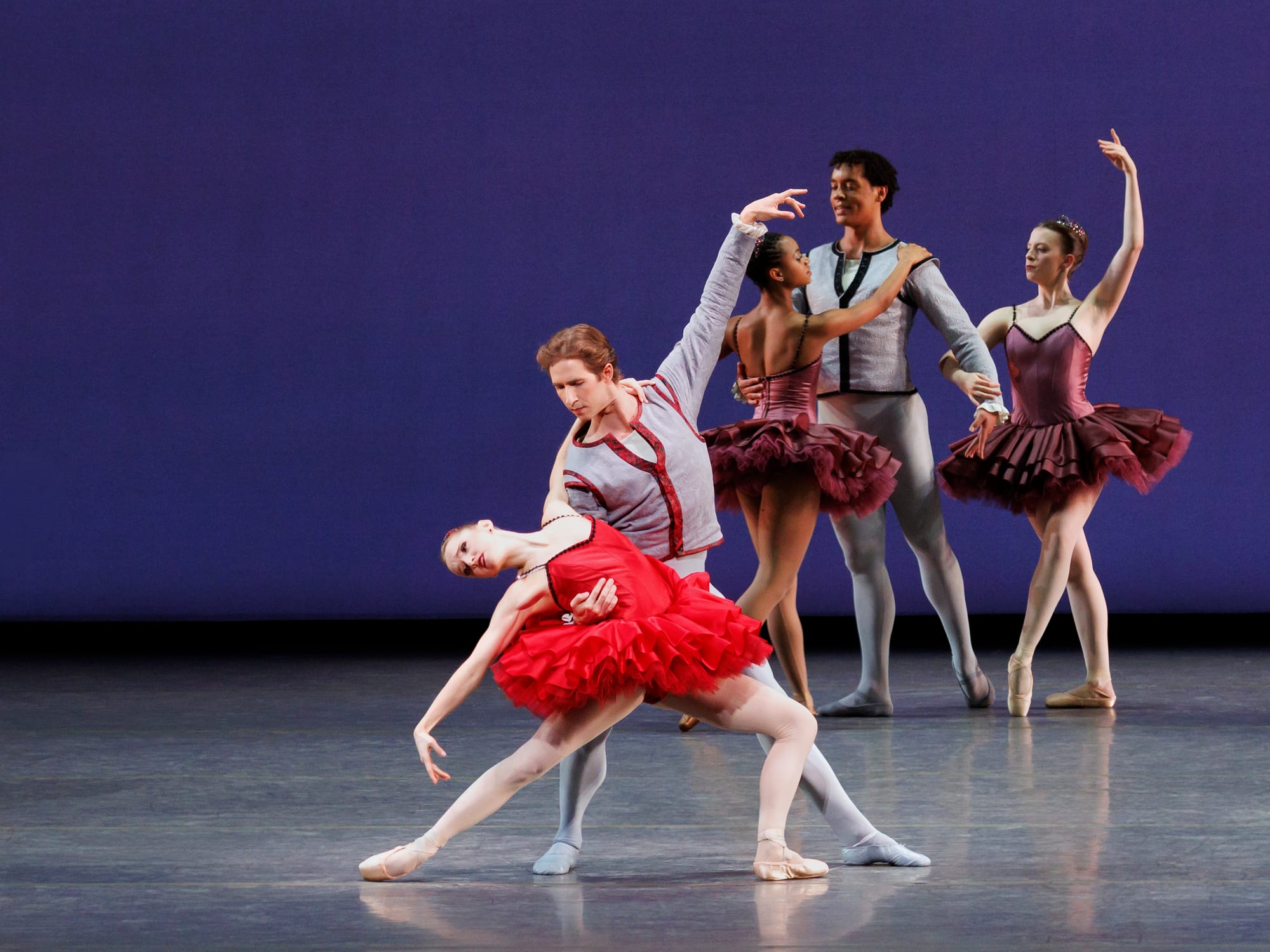
Beyond the color, the Spanish signaling ran mostly to finger snaps ending attitudes in the corps. Otherwise the choreography was dominated by the quick footwork and turns that characterize most of Peck's work, and that narrowness hurt the piece – dancers seemed torn between Peck's style and some genuine homage to Spanish spirit. The group dance here was unremarkable until a point where Von Enck slipped away from Gordon, the men disappeared from the stage entirely, and the women were left alone in their beauty. Then, toward the end of the Movement, Peck reached for classical Spanish homage: a diagonal of turns for the lead almost identical to the iconic Act 1 Kitri variation in “Don Quixote,” toreros replaced by women in tutus doing échappé-laced turn sequences of their own.
The Second Movement was anchored by a solo woman. On May 17 it was Mira Nadon, and she entered the stage to eight women in dresses, arriving like a siren at a party. The dancing itself was full of repetition, and some distinct Gypsy motifs – step-step-flick-back – another homage, this time to “Errante (Tsigane).” Nadon handled it beautifully, digging, obviously, into her much remarked-upon experience with that choreography, yet it was Kloe Walker in the other cast who stole the scene. Her entrance felt approachable – a warm, dignified beauty stepping into the night. The Gypsy fire was gone, replaced by passionate lightness. Walker was the first to make me notice the polka flairs in the choreography; though they felt slightly out of place, she made them native to the music.
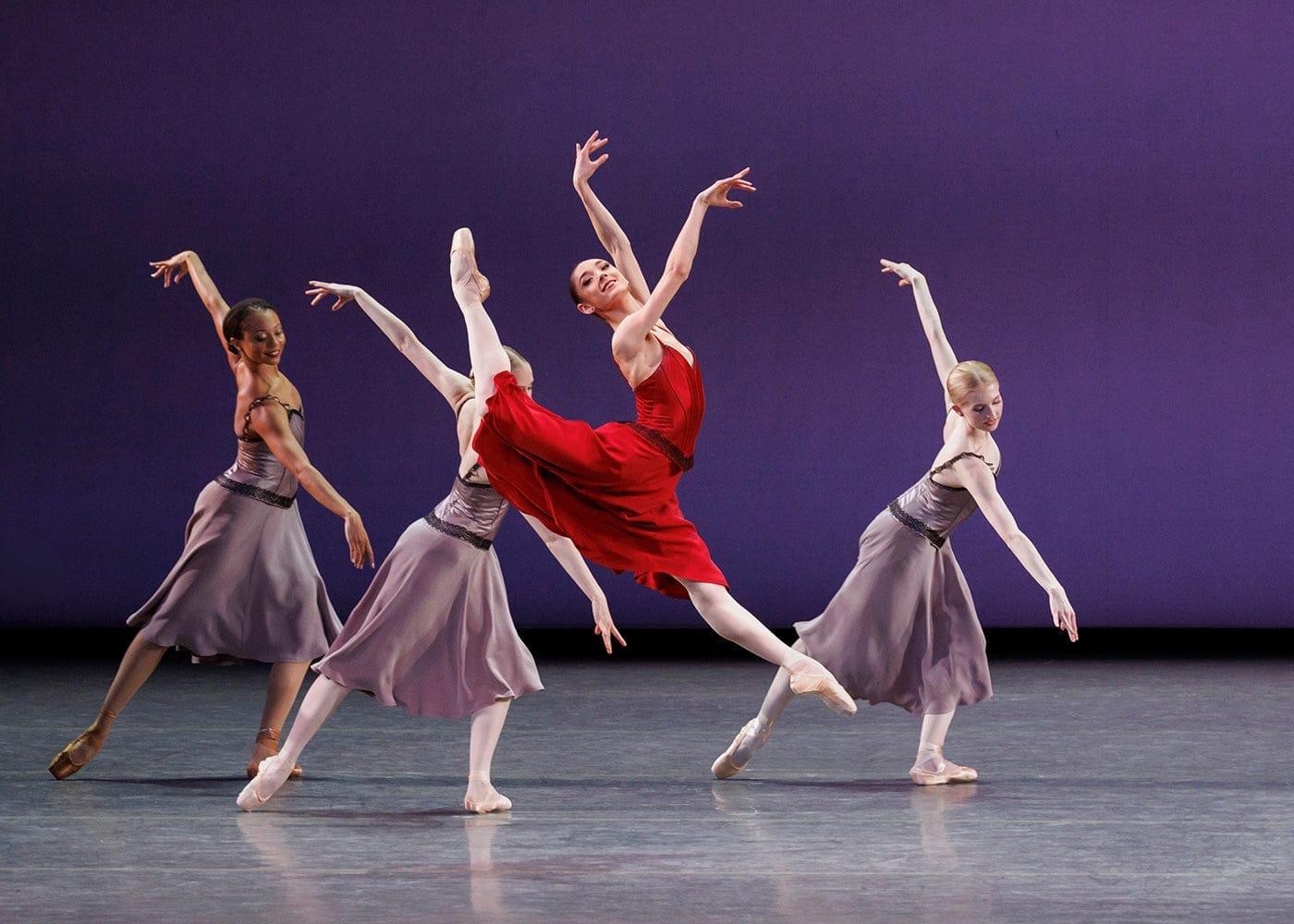
As with the First Movement, the corps was present but peripheral. Their steps were minimal, and what little dancing they did often dissolved into clichés – decoration, not dancing. Then, oddly, as the music shifted from Second to Third movement, the women lay down on the floor as the men entered – and then quietly left. Why would a 2026 ballet position women thus?
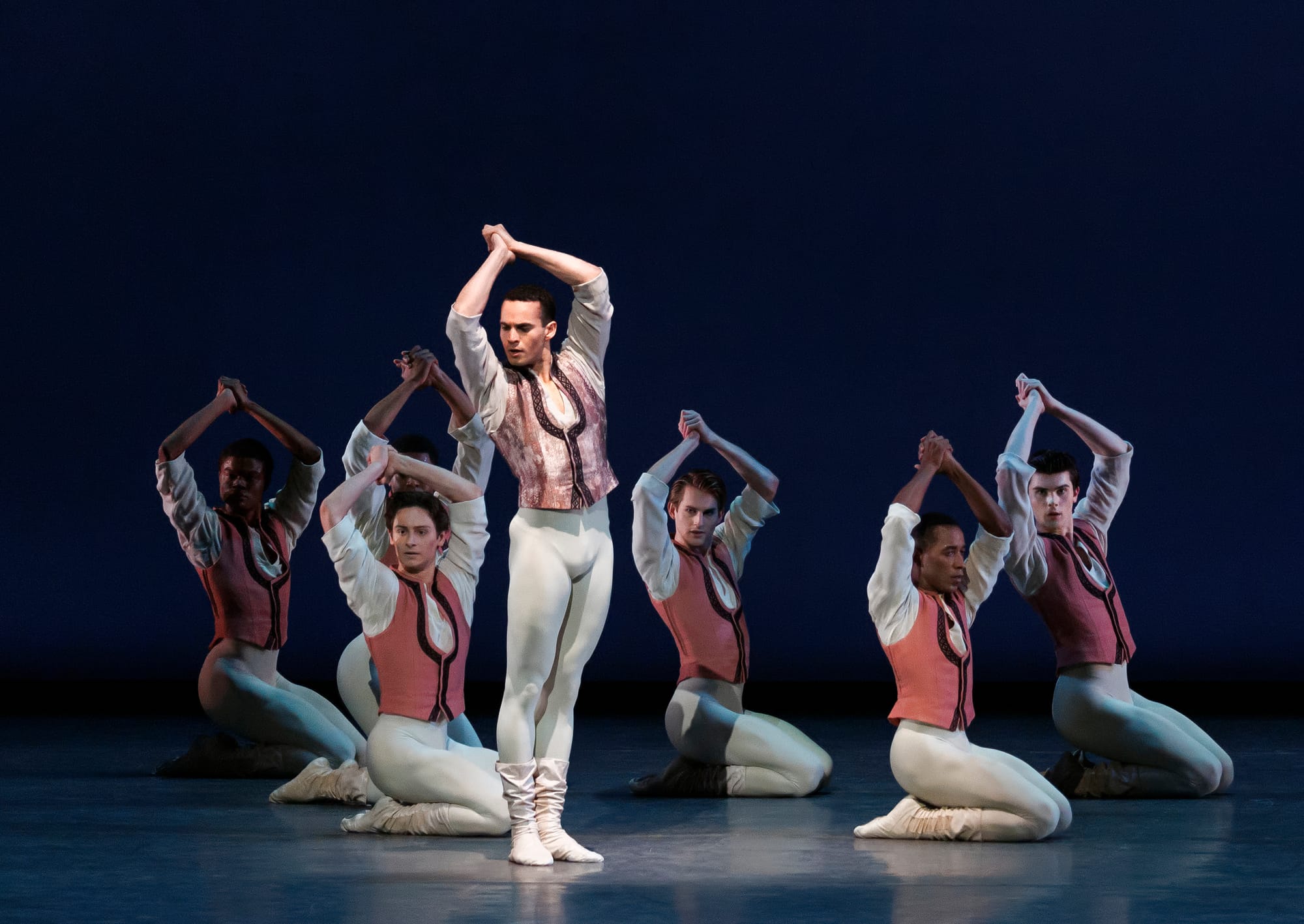
The Third Movement on both nights was led by Ryan Tomash, whose steps leaned heavily on jumps – you could sense how it was made with Mejia in mind. Tomash's training steers more lyrical, and so the choreography wasn't quite brought out. The male corps here continued as white noise: men walking across the stage, posing, relocating.
The Fourth Movement returned to a duet, the ballerina in a dress, with six supporting dancers. Ruby Lister danced with Chun Wai Chan on the first night, then yielded the role to Nadon. The contrast was its own illumination. Where Lister offered crafted execution, Nadon opted for lyricism and mystery -- making certain moments look like questions, as when she lies down and is carried off the stage -- and found a genuine connection with the cast that Lister, who simply looked up for the musical inflections, did not. The casting of Nadon in the Second Movement and this one on different nights can seem odd on paper, but proved wise in action. Though she could have danced the parts similarly, Nadon formed a real contrast in her approach of both.
The finale brought the full cast of all Movements onstage, but like with the rest of the ballet, they seemed there just to be there. Odd mazurka steps looked odder still on Von Enck and Woodward, still in tutus. The attitude devant turns for the women in dresses proved difficult to sync on both night. The scene was meant to capture Peck's ambition – instead it raised the same question the whole ballet had been asking.
Hilary Hahn led the violin both nights – a genuine treat. But "Symphonie Espagnole" ultimately proved the limits of Peck's goal. Filling the stage is a vision; giving dancers something meaningful to do is choreography.
copyright © 2026 by Marianne Adams



