Game of Thrones
"Mary, Queen of Scots”
Scottish Ballet
David H. Koch Theater
New York, NY
June 4, 2026
In a regrettably brief five-performance run, Scottish Ballet brought New York a work that was, above all else, generously inventive — a history play filtered through a dying mind, where fact and fever dream shared equal billing. While the life of Mary Stuart is not a topic of any kind of regular discussion in these lands, the love, care and detail with which the ballet company presented it, showed how tenderly they regard their history.
The conceit was elegant: the life of Mary, Queen of Scots was not narrated but remembered, drawn from the deteriorating recollections of a guilt-riddled, 69-year-old Elizabeth I on the final day of her life. This granted choreographer Sophie Laplane and co-creator James Bonas enormous creative latitude, and they spent it freely. Distortions, anachronisms, imagined encounters — all were permitted under this frame, because memory has never cared much for accuracy. The story we got was emotionally true, if not always historically so, and that turned out to be the better bargain.
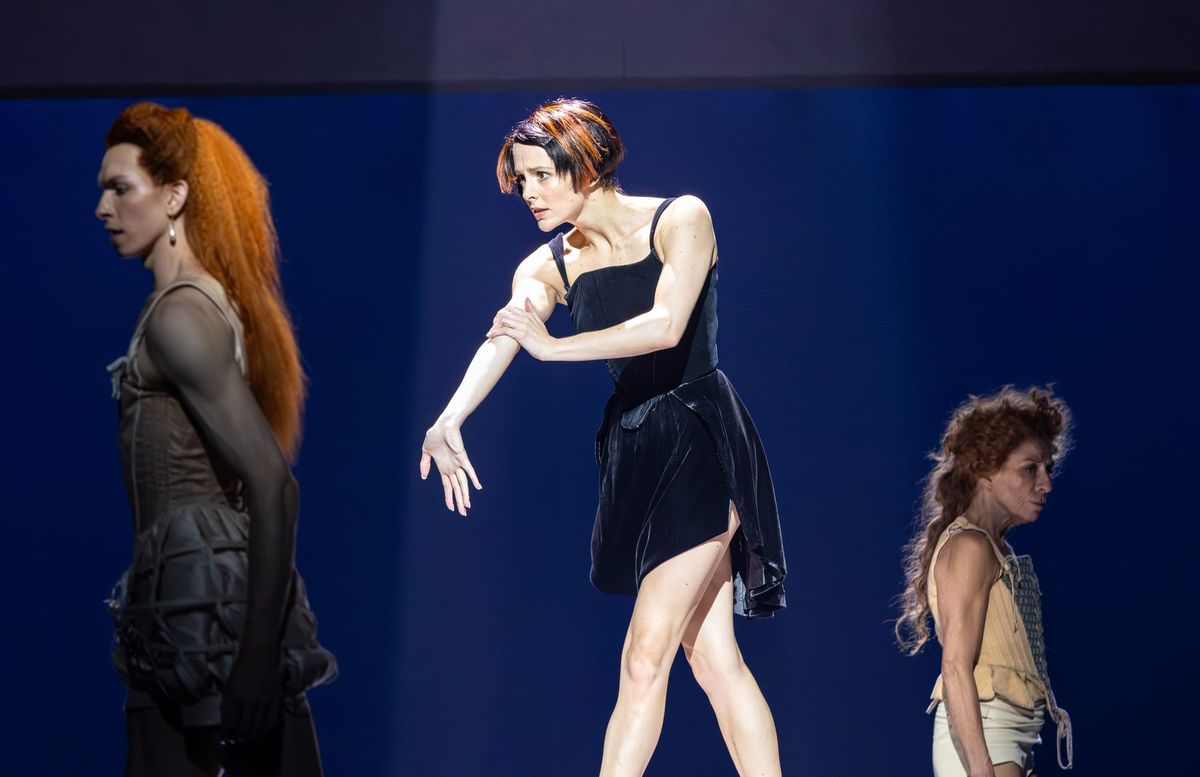
Charlotta Öfverholm, as Old Elizabeth, opened the ballet alone in a spotlight — wracked, shuddering, in nothing but undergarments — and immediately established herself as the production's dark engine. She was tiny, wiry, and ferociously present, her convulsive movement straddling the border between grief and something older and less nameable. As she trembled, the stage filled around her: Roseanna Leney's Mary appeared on the opposite side like a reflection the queen could not stop seeing, and Harvey Littlefield's Young Elizabeth mirrored Öfverholm's own gestures, completing the triangle of the haunted and the haunting.
From there, the ballet launched into history's greatest hits at brisk pace, aided by detailed program notes that did the biographical scaffolding so the dancing didn't have to. The French court scenes featured pot-bellied aristocrats and dainty ladies in contemporary dress — the costumes nodded to haute couture and subversive street style in equal measure, capturing the grandeur of the era without genuflecting to it. Mary's brief marriage to the Dauphin was dispatched in minutes; he died, she went home.
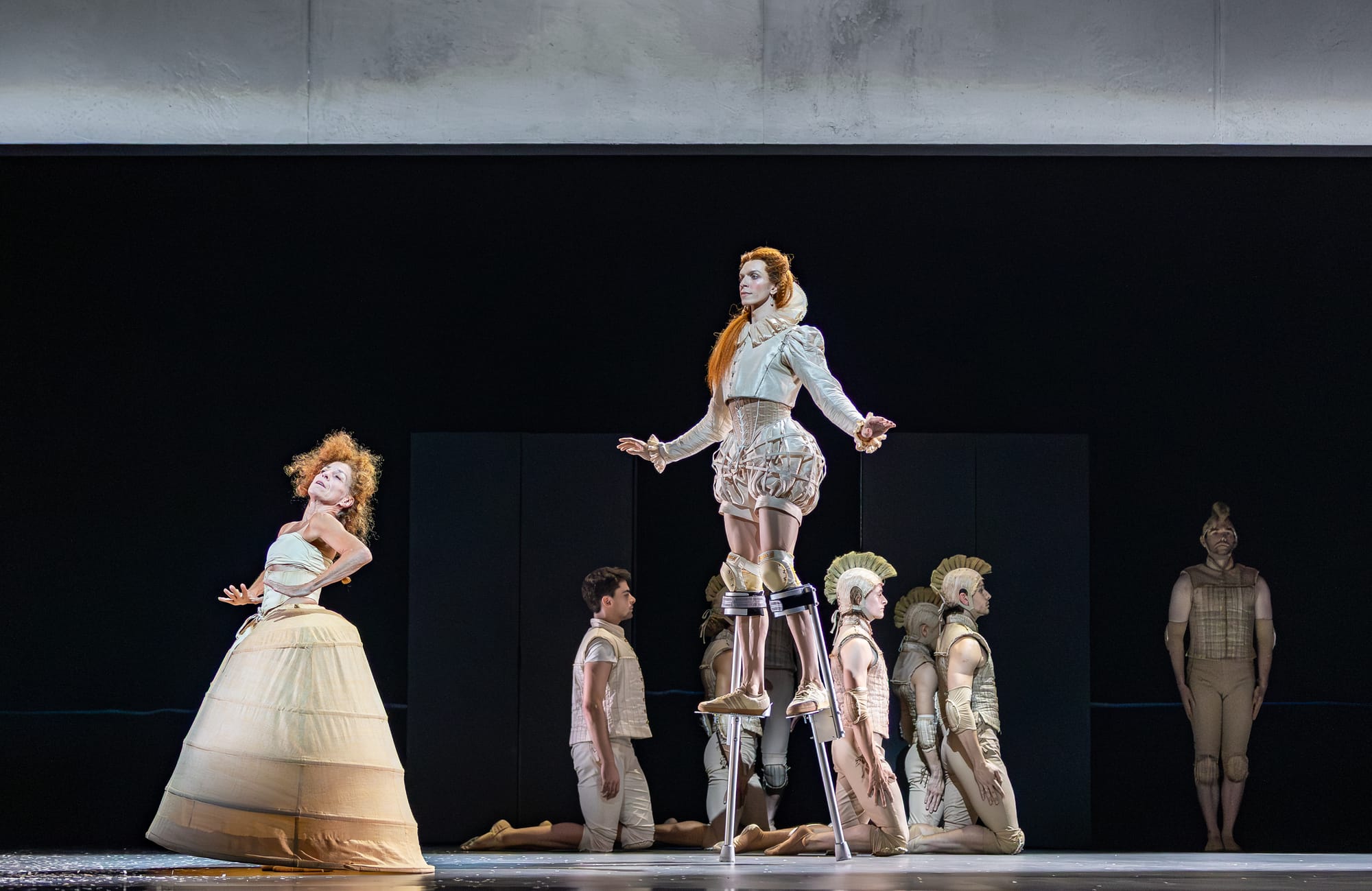
Laplane's choreography shifted registers as the geography shifted: the French scenes carried a studied, slightly put-on quality, while the Scottish court dancing opened into something freer and more jubilant — though even here, Mary's movement was threaded with fearful shudders, bourreés that felt exactly like looking over one's shoulder, brisées launched upward as if testing whether escape was possible. Meanwhile, in England, Littlefield's Elizabeth took to stilts, towering over her court in stature if not in grace.
Soutra Gilmour's set was the production's Swiss knife of scene-setting. A moveable frame rose and fell to reframe the stage's geography, while rolling wardrobe units — closets, essentially, but sinister ones — periodically disgorged people, props, faceless heads, and, in one of Act 2's finest images, balloons that served as stand-ins for babies. The mechanics of set change became part of the theatrical experience, and though very sparse, largely succeeded to an impressive degree.
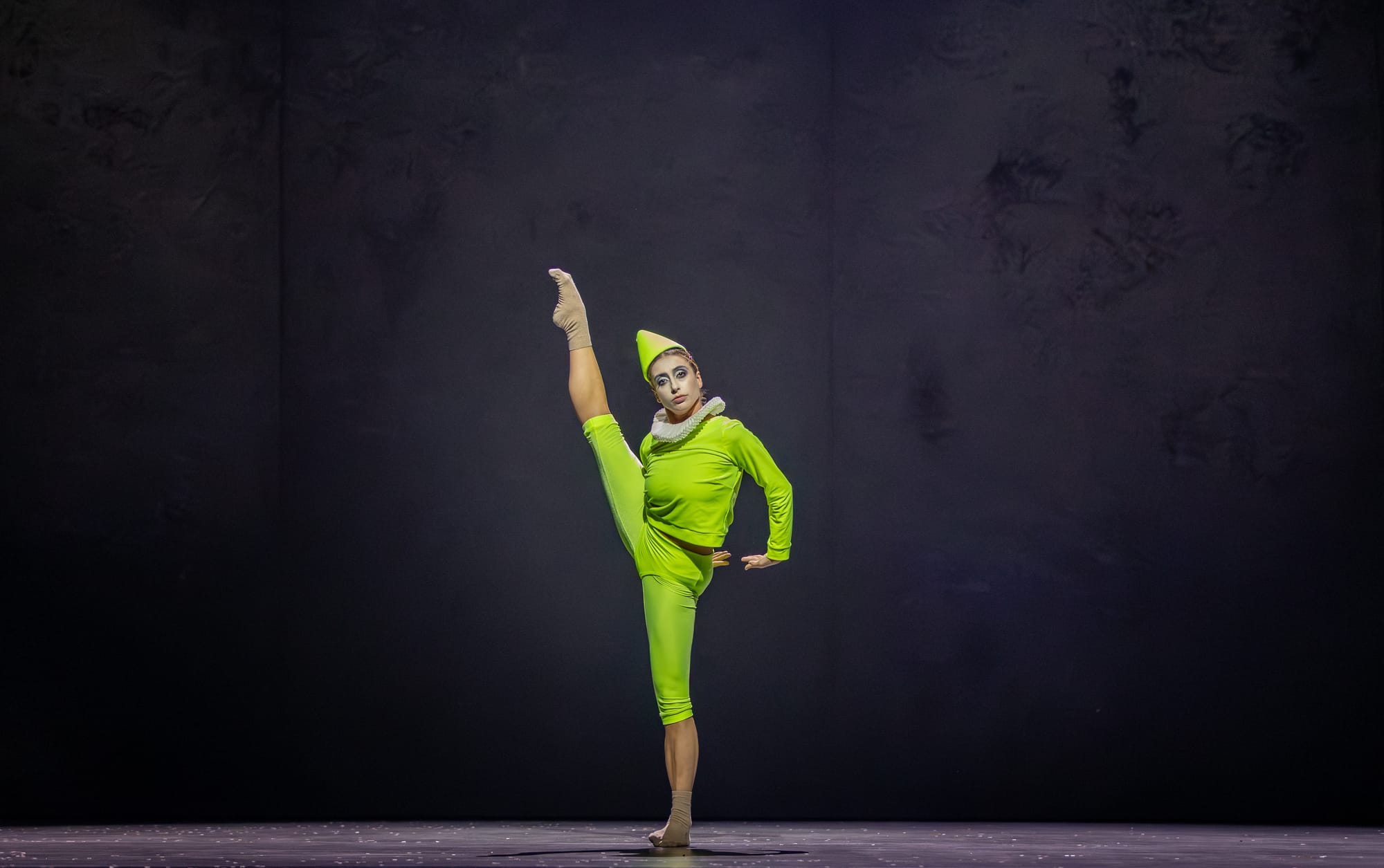
Kayla-Maree Tarantolo's Jester, in lime green, was the production's resident chaos agent and facilitator. Tarantolo danced with limber precision and vivid expressivity, and the character served as narrator, provocateur, and scene-setter — you could hardly believe that so much of the story's momentum ran through this figure, and yet. Between compelling dancing, she would appear with a giant foam finger to demark Lord Darnley, then delivered the ballet's peak comedy: wheeling out an old-fashioned bathtub containing Öfverholm's Elizabeth, scrubbing the poor queen's feet and keeping the monarch from drowning (and escaping the tub). It was absurd and perfectly timed, and the audience accepted it entirely because by this point the production had earned the right to do more or less anything.
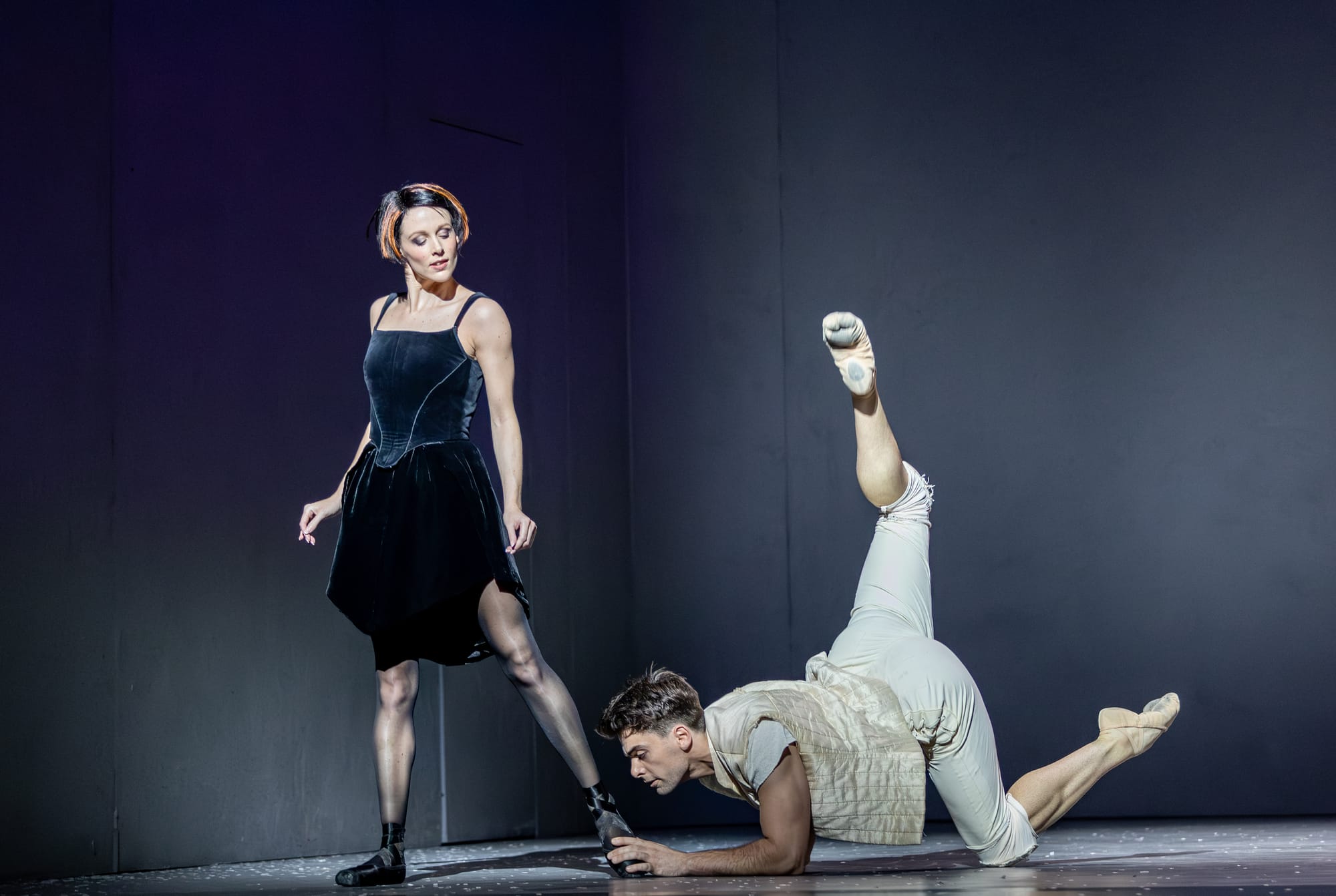
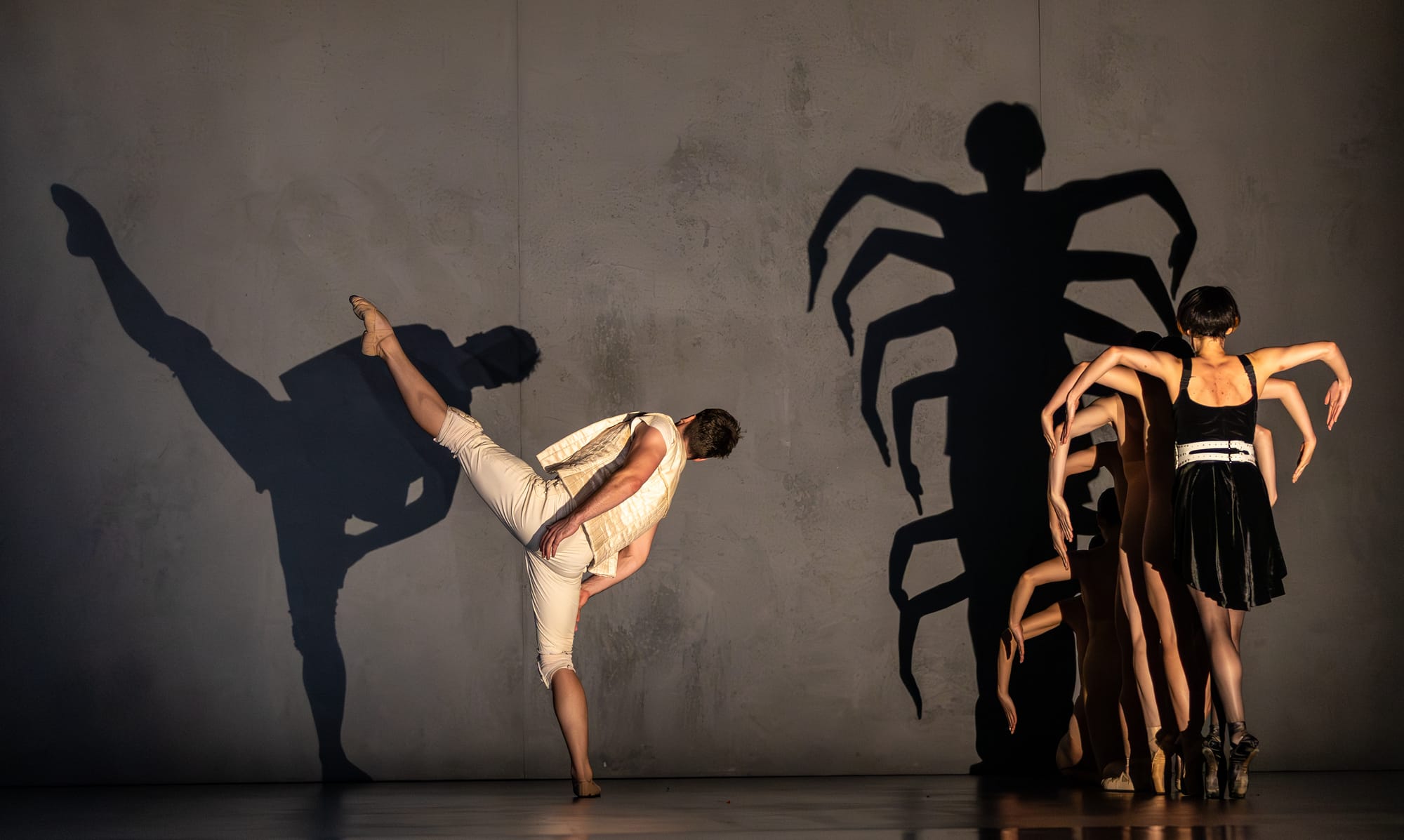
The Scottish scenes were the choreographic heart of the work. Leney's duets with Nicol Edmonds' Lord Darnley suggested passionate, equally-matched attraction — two strong magnetic charges of the same polarity, drawn together by will rather than ease. The love triangle that developed between Mary, Darnley, and Bruno Micchiardi's Rizzio — her consigliere — may have departed from historical likelihood with the two men becoming intimate with each other, it generated some of the ballet's most beautiful and most foreboding movement. As all of this got messier, Mary's character, seen through Elizabeth's deteriorated memory, transformed into something stranger and more fragile, a spider on a wall. Act 1 ended with Rizzio's murder rendered in brutal repetition — repeated falls symbolic of the 56 stabs that killed him.
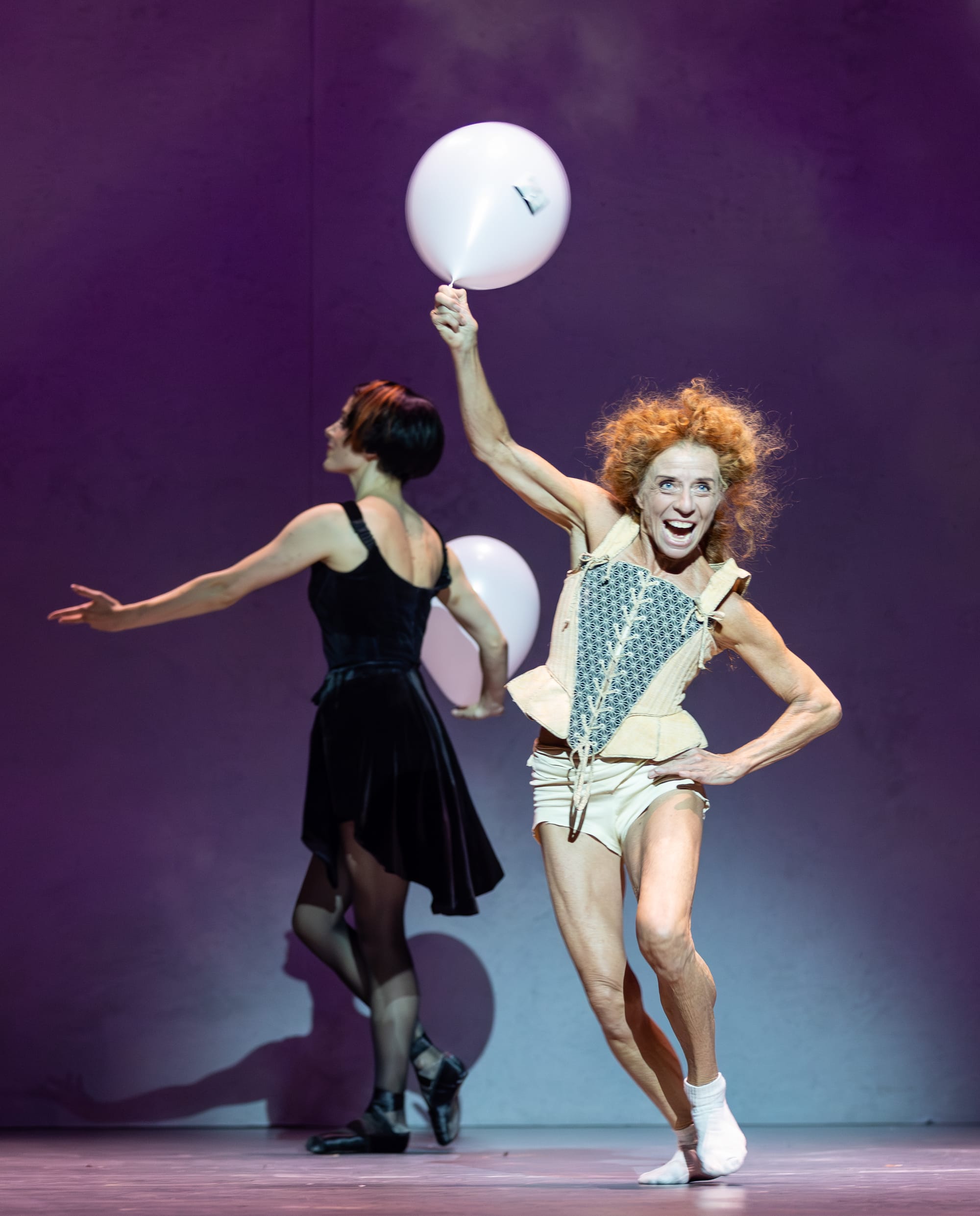
Act 2 opened in a different key. The birth of Mary's son was announced when Tarantolo danced around Mary's womb and produced from a closet a balloon, writing upon it: James. What followed was the production's most quietly devastating image: two queens, each with a balloon — Mary's named, Elizabeth's blank, representing what she had chosen never to have. Öfverholm, dancing with startling youthfulness, carried the weight of that blank balloon like a verdict she had handed down on herself, but also a yearning.
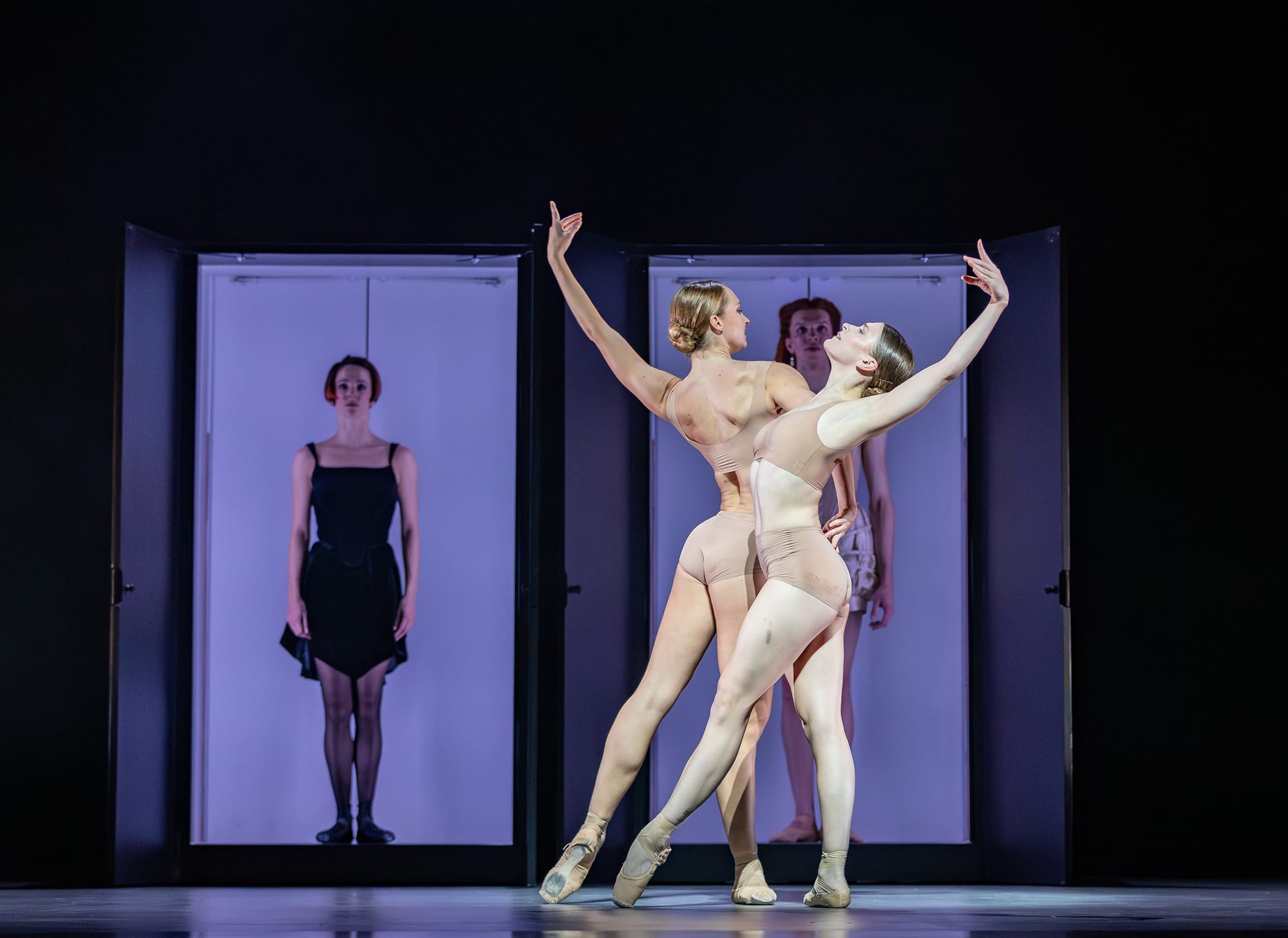
The final tender passage belonged to Anna Williams and Grace Horler, stand-ins for the two queens, stripped of costume and rank. Mary and Elizabeth never met in life; here, in the collapsing logic of a dying woman's memory, they did — softly, leaningly, in a duet of longs and echoes, the relationship that history refused them. It was exactly the kind of thing that could easily have become sentimental, and instead became simply sad.
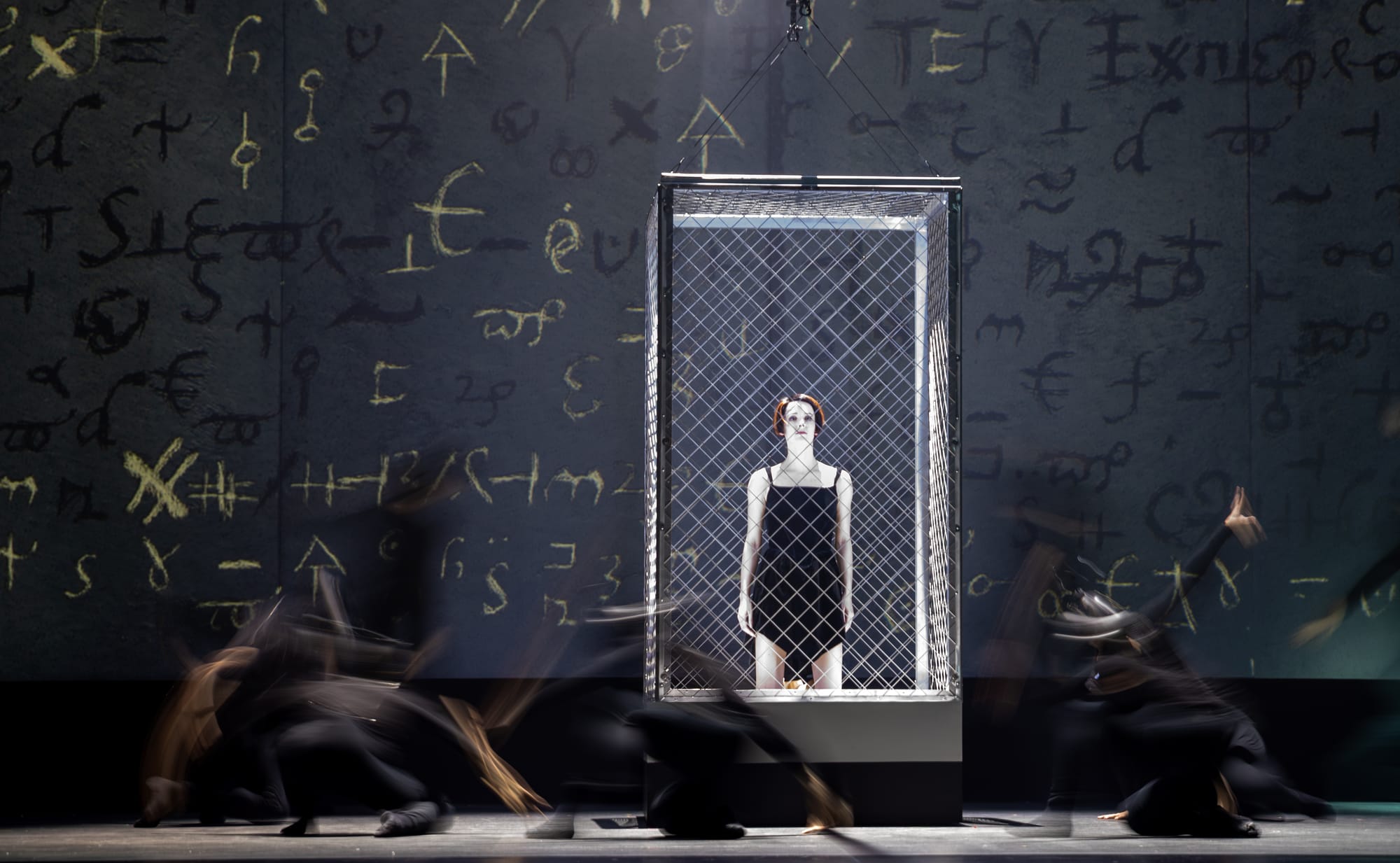
The inevitable end came with Leney on a pedestal — not quite imprisoned, not quite free — after a cage descended to a piercing cello and stage blood bloomed at her neck. Laplane and Bonas had earned this moment through two hours of theatrical trust-building, and it landed.
If the ballet was at times uncomfortable, it was uncomfortable in every right way.
copyright © 2026 by Marianne Adams



