Signature Style
“The Four Seasons”, “Morpheus’ Dream”, “The Leaves are Fading”
The National Ballet of Canada
Four Seasons Centre for the Performing Arts
Toronto, Canada
Feb. 26, 2025
The National Ballet of Canada’s diverse winter triple bill featured works from two British and one German choreographer that showcased a range of styles and movement vocabularies. The feature of the night was David Dawson’s colorful and modern “The Four Seasons”. Following opening night, the company announced that he will be appointed resident choreographer, marking the beginning of a close partnership between Dawson and the NBoC. The company has not had a resident choreographer since James Kudelka took on that role in 2007. The program also celebrated the 50th anniversary of Antony Tudor’s “The Leaves are Fading”. The romantic and poetic ballet was long overdue for a revisit after being absent from the repertoire since 1995. Lastly, Marco Goecke’s “Morpheus’ Dream” is a dynamic pas de deux that packs a punch in just ten minutes.
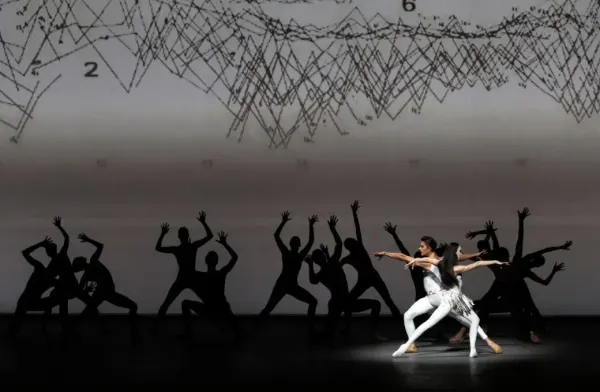
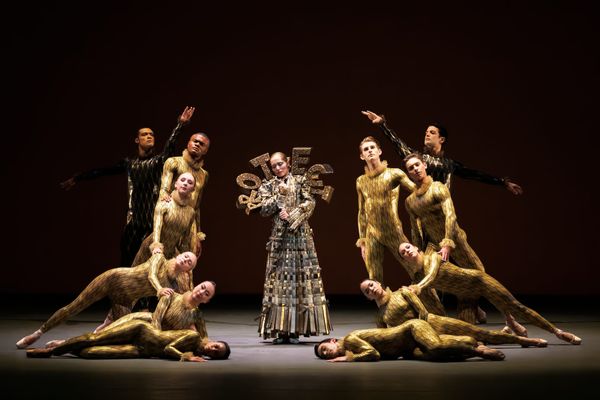
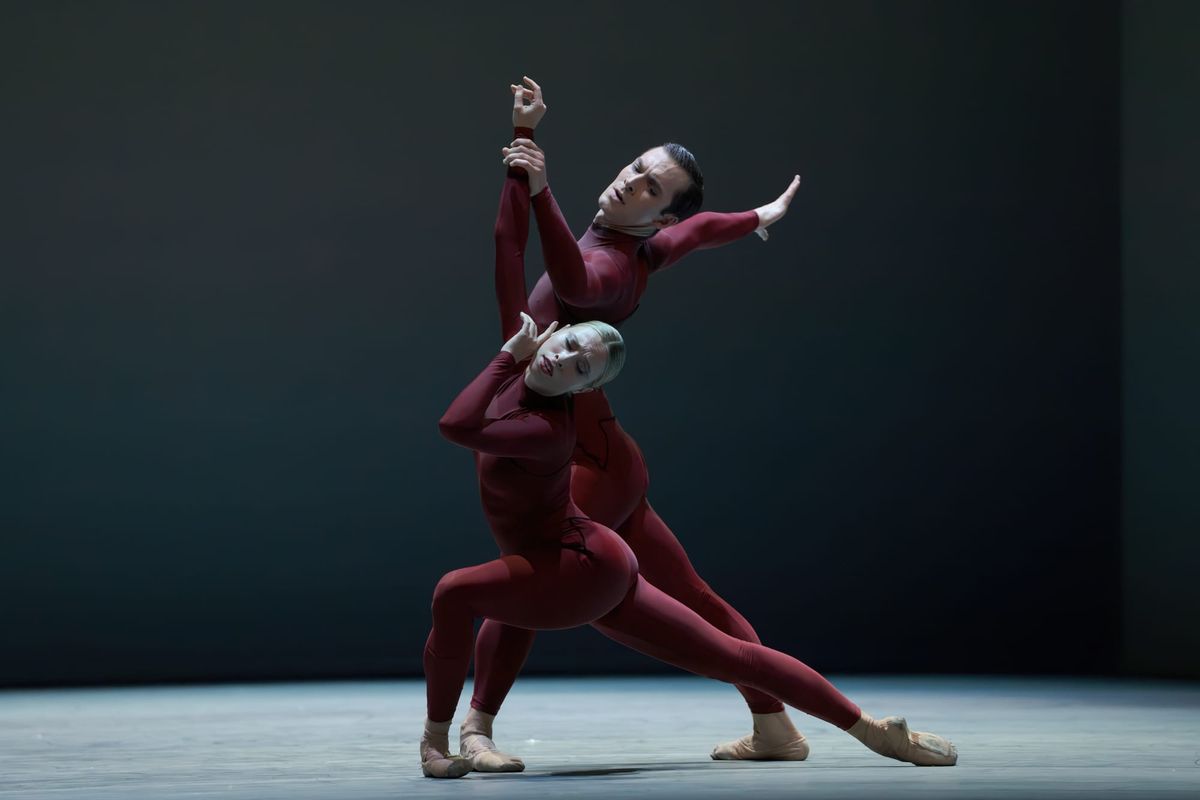
Dawson’s “The Four Seasons” is stamped with his signature style – athletic lifts, partner work that slides across the floor and distinct angular port de bras. Similar to his other recent work presented at the NBoC, “Anima Animus”, “The Four Seasons” knows how to make the dancers look good. Dawson lets them explore their full range of motion with elongated shapes and extreme extensions. The influence of William Forsythe is evident. Unlike the other “The Four Seasons” in the NBoC repertoire, by Kudelka, Dawson’s version is less literal and merely suggests the changing seasons through shifting colors of the costumes , lighting and set. But similar to the Kudelka verison, it mirrors at the human life cycle. Dawson uses Max Richter’s recomposition of Antonio Vivaldi’s famous work (skillfully played by violinist Aaron Schwebel). The set by Enzo Henze is minimalist, with just some hanging shapes on a bare background. They are lit up with different colours and shift as the ballet progresses – sometimes obviously and sometimes so gradually that it is almost imperceptible until there has been a complete shift in orientation. The costumes are flattering and simple unitards by Yumiko Takeshima, former dancer and designer of leotards coveted by dancers and dance students around the globe.
Dawson creates visual interest in the different patterns and groupings of the 16 dancers who make up the cast. The movements are high energy and dynamic – slow, pliant developés punctuated by explosive sissonnes that appear out of nowhere. There are three leading couples that dance together and then separately. After the frenetic energy of the beginning, the floaty adagio for Heather Ogden and Ben Rudisin was a breath of fresh air. The other couples, Genevieve Penn Nabity with Larkin Miller and Calley Skalnik with Spencer Hack, also held their own, cleanly articulating Dawson’s choreography. While visually appealing, “The Four Seasons” could benefit from more variation of textures. As it goes on for a meandering 50 minutes, it starts to feel a bit flat. After a while, it feels repetitive, similar to the infinity loops in Richter’s score. While the simple set creates a feeling of spaciousness, it also makes the ballet feel somewhat cold. As a ballet, it starts strong but the ending is somewhat anti-climactic.
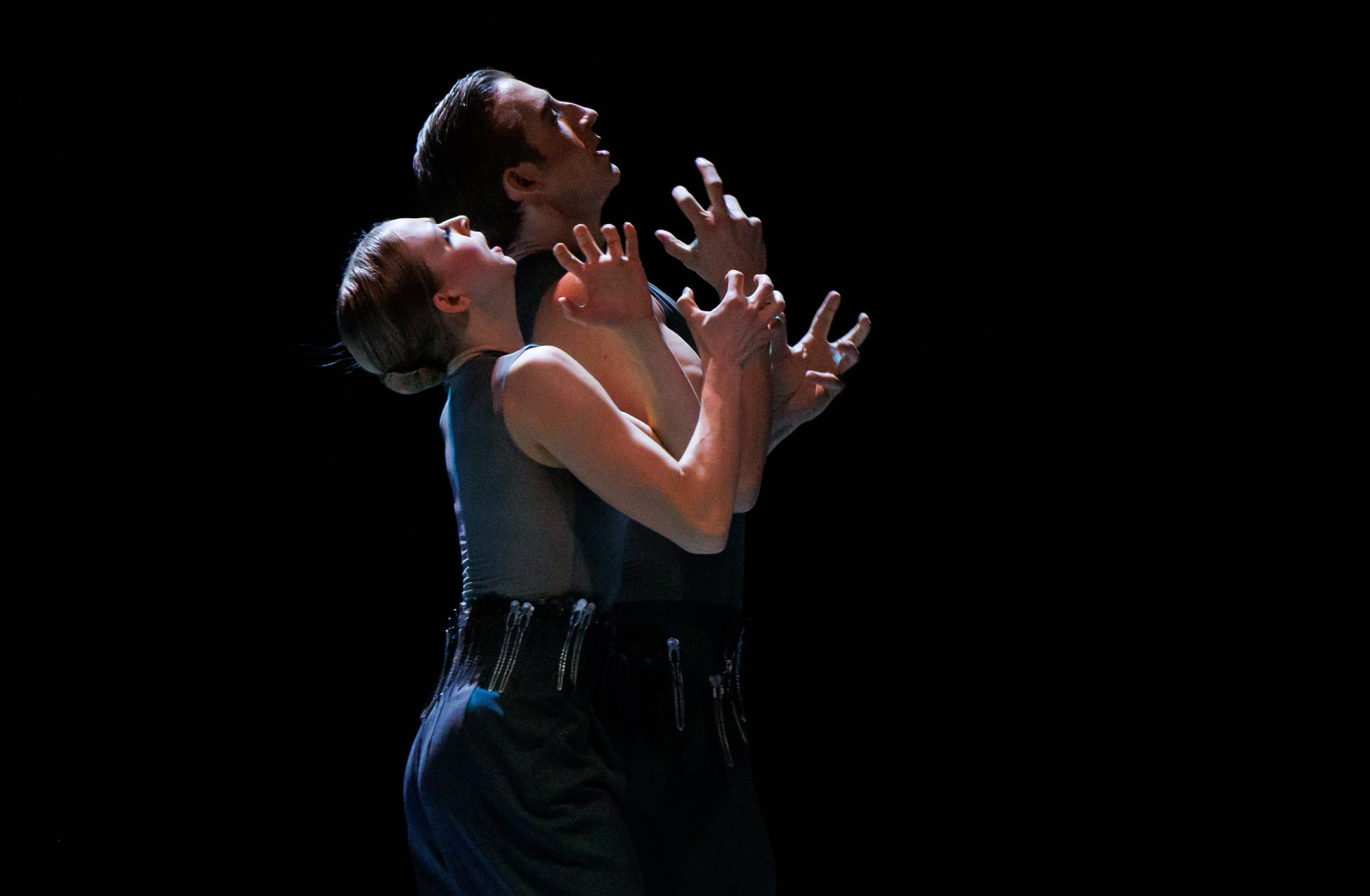
The most controversial piece of the night was “Morpheus’ Dream”. Its inclusion in the program argues for the separation of a work’s merit and considerations towards the person who created it. In 2023, Goecke famously smeared dog feces on the face of dance critic Wiebke Hüster who had written unfavorable reviews for some of his ballets. He was suspended and later stepped down from his role as director of Hanover State Ballet, issuing a half-hearted public apology. Two years after the incident, his career continues unscathed. Nonetheless, a considerable number of audience members left the auditorium during the brief pause between “The Leaves are Fading” and “Morpheus’ Dream”, seemingly in protest. At first one might assume that the people leaving their seats had mistaken the pause for intermission. However, they continued to exit after ushers told them that “Morpheus’ Dream” was about to begin, suggesting that their departure was intentional. "Morpheus' Dream" was billed as a world premiere, however it is based on an existing work staged for Stuttgart Ballet in 2021 under a different name, "Nachtmerrie" ("Nightmare" in German).
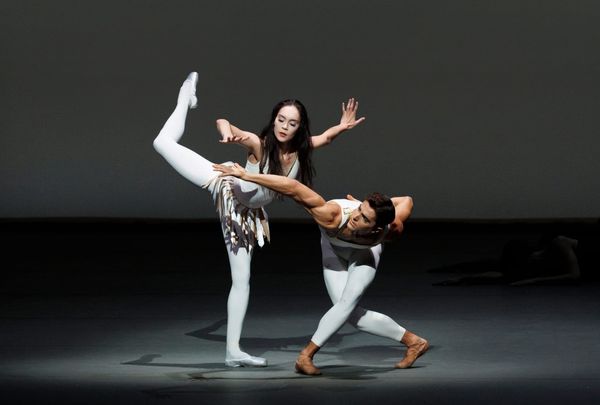
Goecke's work is the opposite of Dawson's in that the intention is not to make the dancers look good. Rather, he has created a unique and immediately recognizable style with awkward, thrashy, jittery movements. Lines are cut short, hips turned in and hands held in crunchy contractures. With the right dancers, the effect is oddly mesmerizing. Thankfully, Goecke's choreography was in the capable hands of Penn Nabity and Rudisin (Penn Nabity in particular seems to be able to perform just about anything from the classical or contemporary repertoire with aplomb). The pair was fully committed to Goecke's aesthetic and supported each other in the pas de deux, which requires them at times to manipulate each other's bodies like puppets. They made the piece feel conversational, showing an authentic exchange of energy and back and forth between them. Both showed impressive control and ability to isolate small movements for maximal effect, whether fluttering their hands or popping their chests.
The first part of the pas de deux, set to music by Keith Jarret was not particularly musical. The choreography had them dancing over the music and it felt as though the music was added after the choreography was done, as an afterthought. But the second half, set to a slow remix of Lady Gaga's "Bad Romance" fared better and felt more coherent. The stage is dark for most of "Morpheus' Dream", but towards the end, the dancers light a match. The effect against the blackness of the stage is dramatic. However, this repeats several times -- matches are lit and blown out over and over again, which felt unnecessary as the point had already been made. Overall though, "Morpheus' Dream" is an engaging new work for the company, pushing both dancers and audience members to appreciate a different style of movement.
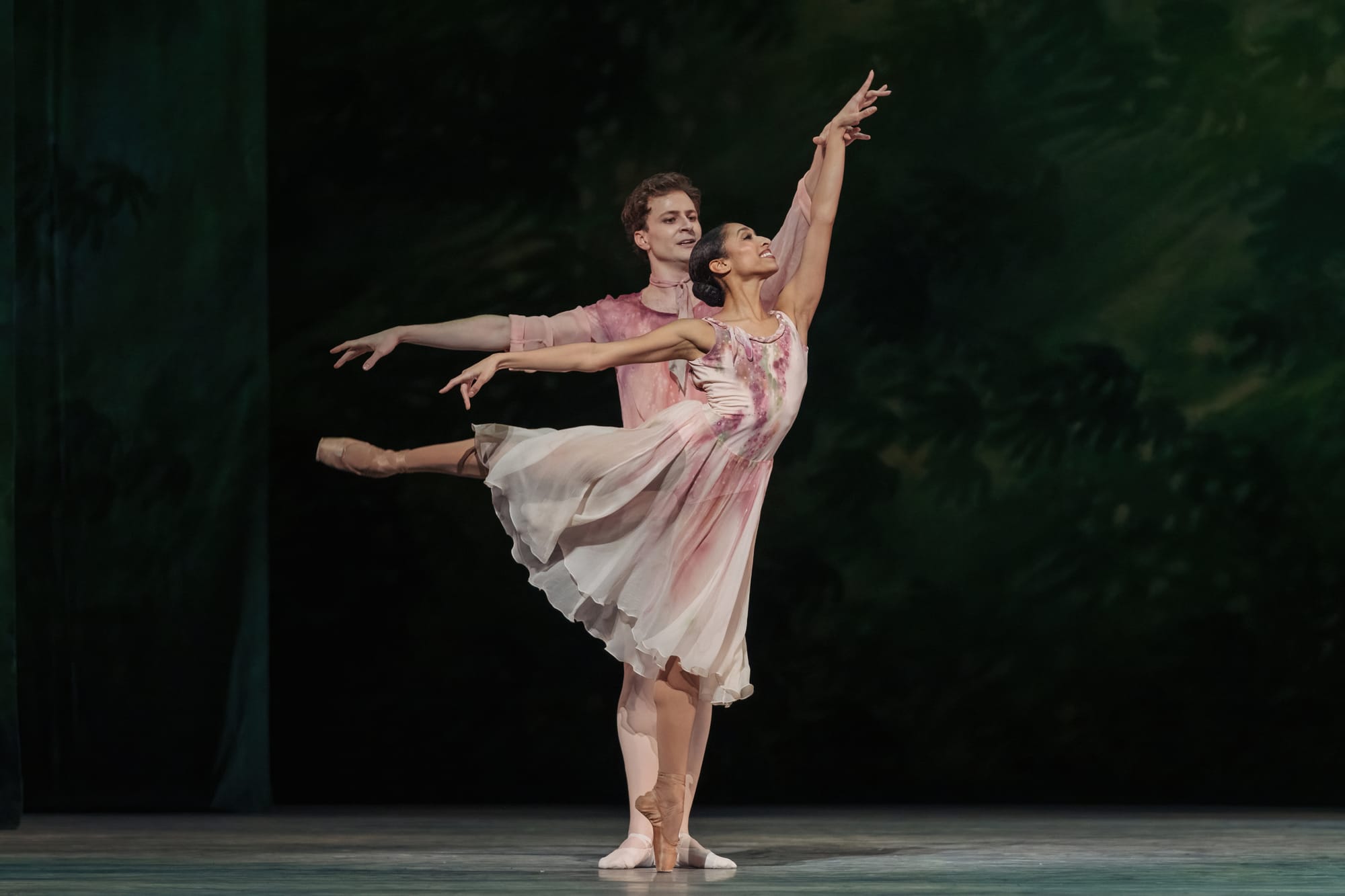
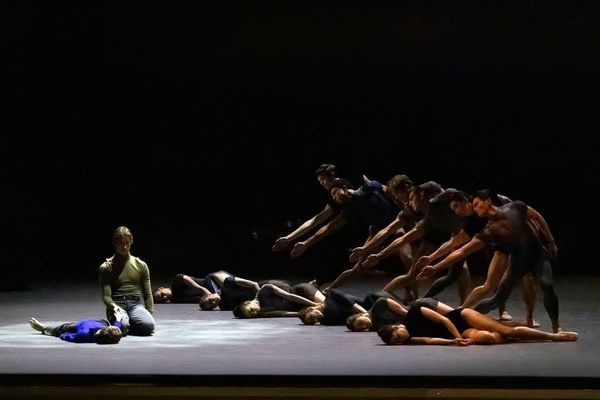
Finally, Tudor's "The Leaves are Fading" provided substance for fans of classical ballet to enjoy. While the flowing floral costumes may appear somewhat dated, the beauty and evocative imagery of this plotless work is timeless. Tudor's choreography is helped along with a cohesive arrangement of chamber music by Antonin Dvořák and a leafy green set by Ming Cho Lee. The premise is simple – a woman (Alexandra MacDonald in a walk on role) is prompted by the changing leaves to reflect on the seasons of her own life. An air of nostalgia permeates the entire ballet as the viewer is swept up in sweet memories of times past and the people met along the way. Fifty years after its creation, Tudor's choreography remains stunning as ever in its elegant simplicity. Steps and transitions feel nature and human. The upper body breathes and arms flow rather than being held in static positions. Tudor understood the beauty of saying less. With his choreographic skill, a basic sous-sus with relaxed arms hanging down is worth a second look.
There were some timing issues in the group segments where it was unclear which sections were supposed to be in unison versus in canon. However, the shifting formations and angles themselves were clean and crisp. The different pas de deux were all quite strong. Erica Lall and Donald Thom floated through their pas de deux, making the steps look totally effortless. Thom was a steady partner, not wavering once, even in a difficult part which had him running backwards while lifting her aloft. In the central pas de deux, Tirion Law and Naoya Ebe were sublime and conveyed a bittersweet romance. Law appeared weightless and suspended and Ebe was similarly light on his feet and soft in his landings.
These three works were all very different and will appeal to different tastes. Though they may not all be everyone's cup of tea, what they each share is a distinctive voice. From Dawson's cool athleticism, to Goecke's frenetic chaos to Tudor's quiet lyricism, each piece is unmistakably the choreographer's own.
copyright © 2025 by Denise Sum