Please Sir, Can I Have Some More?
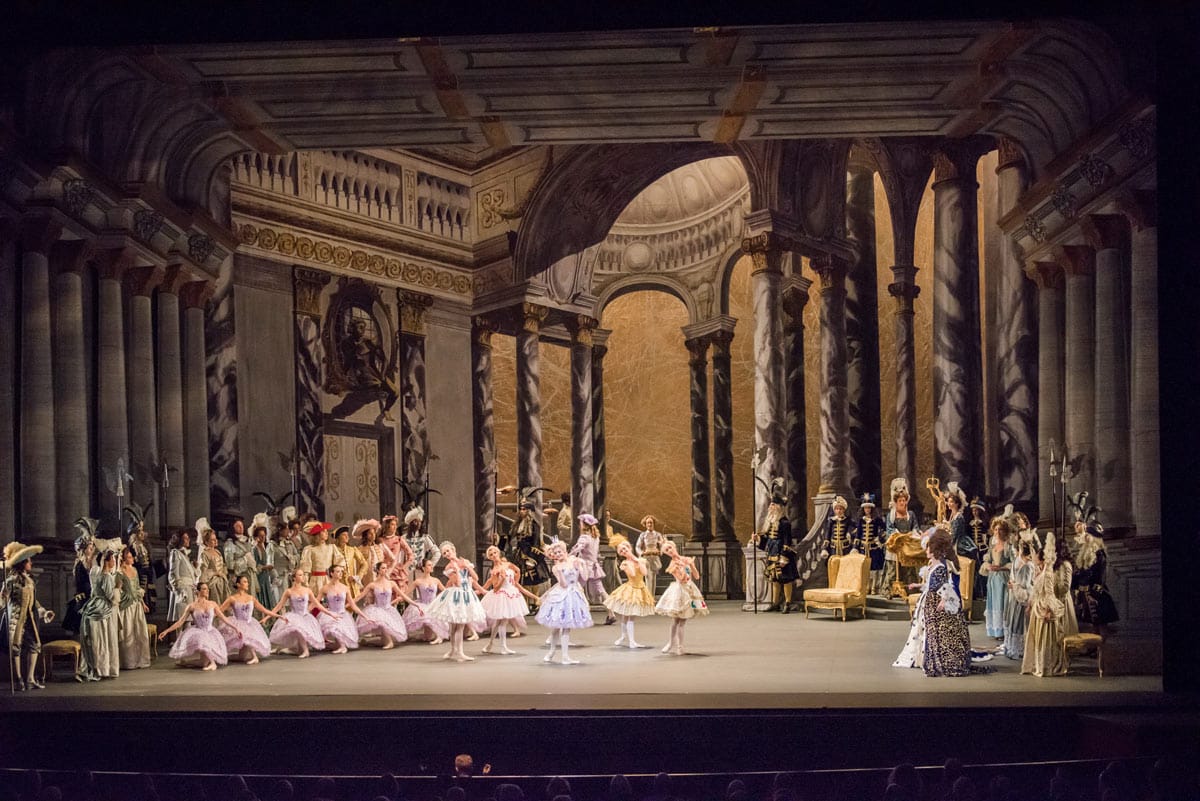
"The Sleeping Beauty"
American Ballet Theatre
Metropolitan Opera House
New York, NY
June 10, 2015, evening
At three plus hours, including two shortish intermissions, ABT's new "Sleeping Beauty" is long by today's standards, but in ballet heaven, it would be even longer, with the entr'acte music playing for a real panorama, more processions in the last act, and a grand transformation, à la the 1999 Mariinsky version, in the last act. Three hours is too short a time to spend enjoying the Petipa/Ratmansky choreography, with its lilting rhythms, subtle musicality, and modest flowing style.
Isabella Boylston and Joseph Gorak danced Aurora and Désiré on Wednesday night, cursed by Marcelo Gomes and saved by Veronika Part. Boylston, a strong, athletic jumper with a sometimes careless upper body, controlled and moderated her power, using her strength to float rather than fly. She used her subtle musicality and her beautiful feet very well. Her entry in Act I was particularly effective, as she seemed absolutely thrilled wit her suitors. Her balances were generally not over-sold and she was able to lower her hand slowly while acknowledging each Prince, giving her performance a warmth and generosity. Ratmansky's vision scene also has an unusual warmth; Aurora is not a remote, sleeping vision but a human soul, reaching out for her partner. I do have a soft spot for Ashton's solo, with its stuttering little runs, but this version, with its complex shapes, soft demi pointes and quick directional changes, is absolutely lovely.
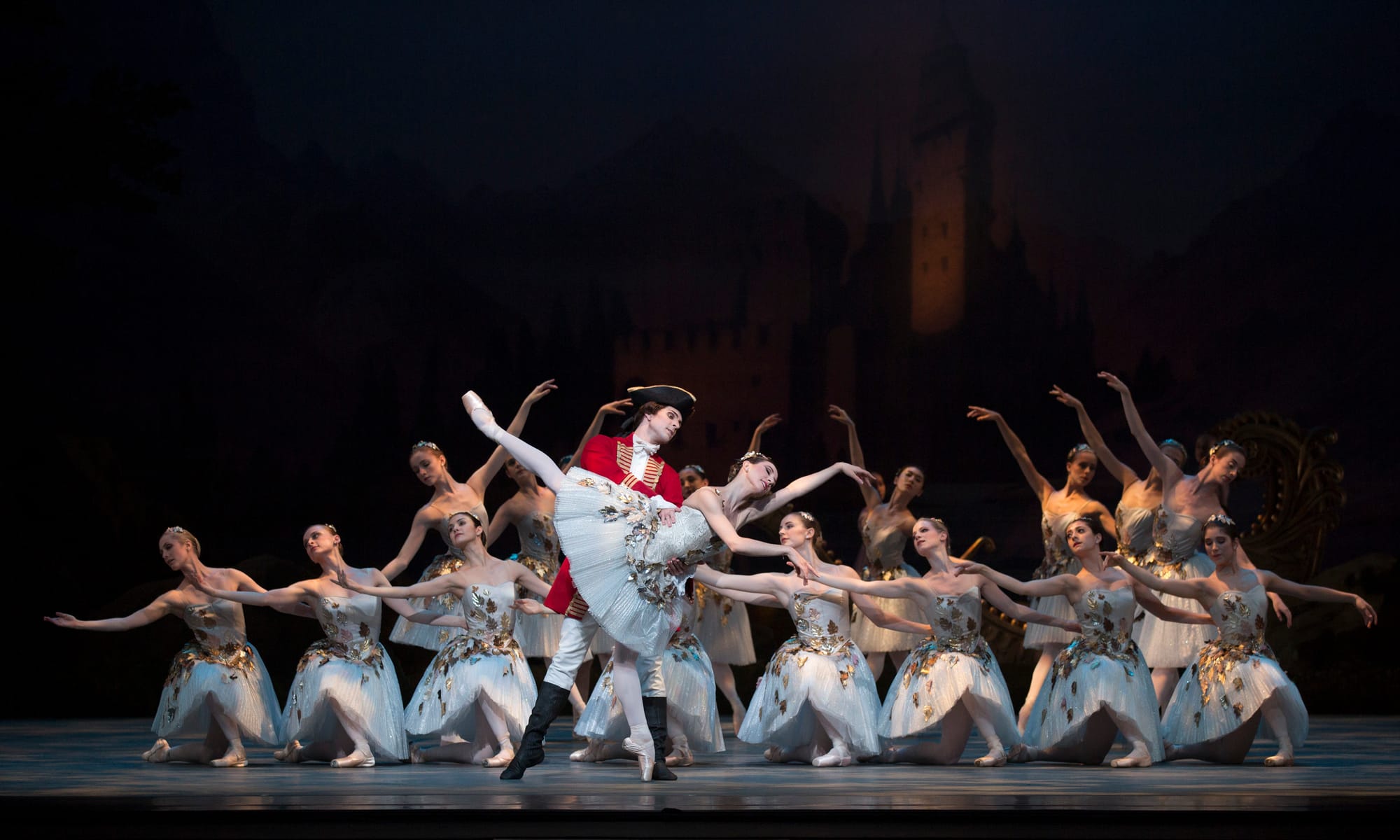
As yet, Boylston did not exude all the grandeur the last act can evoke; she still smiled like a happy teenager rather than glowed like a queen. But she took care to include her parents, her court, and of course her Prince in her gestures.
Gorak made his Act III complex, tricky and very difficult solo look elegant and noble, with his soft and easy upper body. He did have some trouble with the partnering, though, and the fish dives were a little fraught. Even two hands, apparently, were not quite enough, though the final poses were all salvaged.
Gomes is still the partner par excellence at ABT. He is not the first working Désiré to moonlight as Carabosse; Robert Helpmann used to dance them both in the same performance, a practice that has obviously not caught on. Gomes, in the expanded mime scene, was magnificent, using his height to emphasize his power by hunching over and then snarling upwards. His Carabosse was easily affronted, vain and vindictive, all recognizably human qualities. I loved the baleful glare he gave the King at the Wedding; "One false move and you are toast", it seemed to say. Ratmansky has avoided the trap of making Carabosse an outlandish caricature--we can all recognize part of ourselves in her and understand that we can be forgiven.
Part's Lilac Fairy was regal and gracious, with a slightly stern streak; she was slightly contemptuous when dismissing Carabosse. She danced a slightly simpler version of the Prologue solo (apparently this is the one notated for Marie Petipa) with lovely little rocking moves for her arms as she blessed the baby. She looked lovely in the long vision scene costume, though the high heels did slightly trip her up getting into the boat. And those long lilac gloves do look like they would be more at home with a cigarette holder than a wand.
Ratmansky's coherent and subtle style permeates the company and the supporting roles were all danced very well. I loved the detailed fussiness of Alexei Agoudine's Catalabutte and his reaction to the bureaucratic snafu that started it all (blame someone else!). I do find the audience for the grand pas de deux a bit depleted; it looks like most of the guests have retired to the dining hall. They had certainly earned a break, though, after such stylishly demanding dancing. Stella Abrera and Blaine Hoven were the confident, exciting Blue Birds, and gave the pas de deux a warm, emotional tone as she mimed the little listening moves. Jamie Kopit was a worried looking Little Red Riding Hood, using her dark eyes so expressively as she tried to avoid the very funny Daniel Mantei. Christine Shevchenko as the Diamond Fairy looked like a Lilac in waiting, and Zhong-Jing Fang as the Sapphire Fairy stood out for her elegant and soft upper body. This production shows off the company's riches so beautifully; if only it lasted longer.
copyright © 2015 by Mary Cargill