History in the Present Moment
“Les Sylphides,” “Gala Performance,” “Rodeo”
American Ballet Theatre
David H. Koch Theater
New York, NY
October 17, 2025
Celebrating its 85th anniversary, American Ballet Theatre presented a program titled “A Retrospective of Master Choreographers,” featuring works from deep in the 20th century. The evening showcased Michel Fokine’s “Les Sylphides,” Antony Tudor’s “Gala Performance,” and Agnes de Mille’s “Rodeo” – all treated with distinctly modern reverence and an almost overcautious care to preserve their original character.
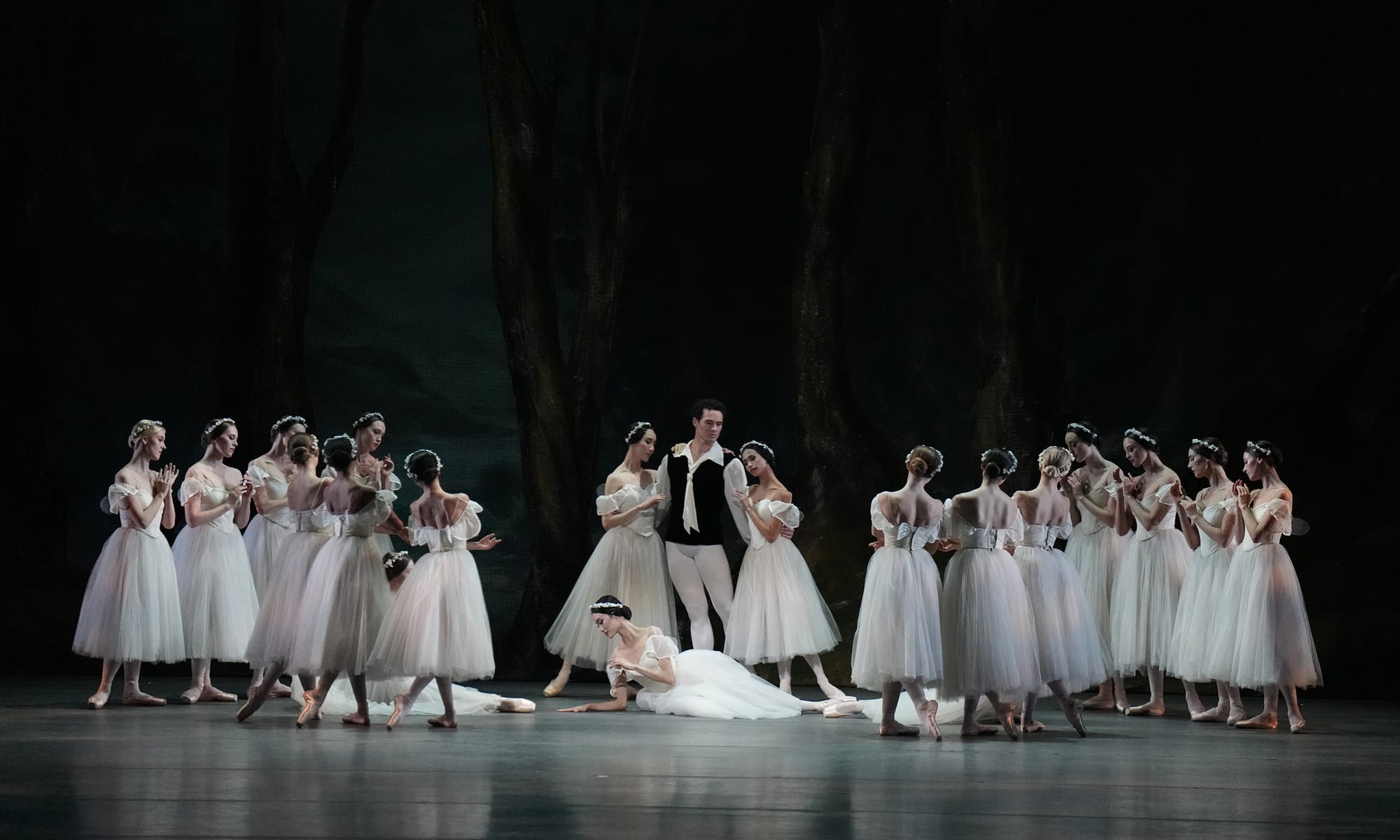
That preservation instinct was most evident in “Les Sylphides,” the oldest ballet on the program. Lea Fleytoux's Waltz suffered from overemphasis on period styling and upper body accents at the expense of the dancing itself – a peculiar fate for this normally virtuoso performer. Hee Seo, as the lead, faced similar constraints, her stylizing appearing overly tilted forward and perhaps to blame for her struggles with basic bourrées in that position. Her duet with Cory Stearns, who himself had far more lightness in his variation than the rest of the cast, registered as merely technically executed – the connection between them looking pictorially splendid but emotionally vacant. Fangqi Li's Mazurka reached for inspiration but also remained trapped in the steps. For those in the back of the house, the styling was probably enough, but closer to the stage, the dancing could have used more soul.
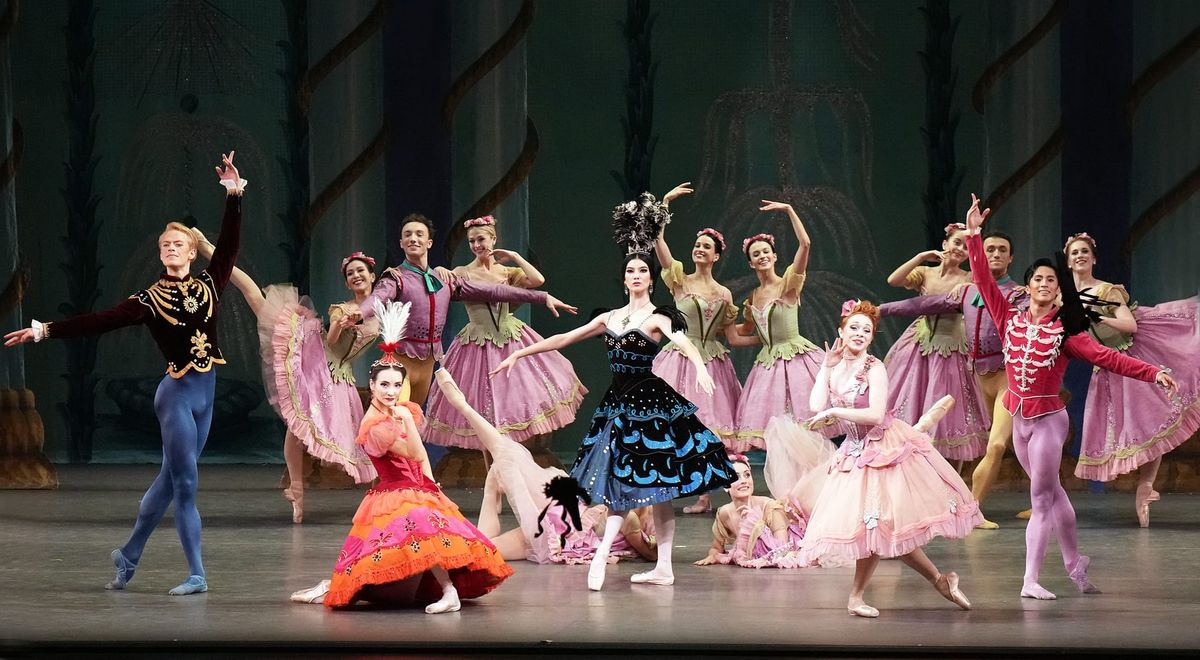
After this dutiful opening, “Gala Performance” arrived as a complete and welcome tonal shift. Casting proved pitch-perfect: Christine Shevchenko as the imperious Russian (echoes of legendary Maya Plisetskaya flickered through her exaggerated moments), Chloe Misseldine as the steely Italian, and Zimmi Coker as the simpering French ingenue. Shevchenko owned the stage from the opening tableau, gesturing dismissively at the scenery as if to declare “This hovel won’t do.” When performing for the "audience," her demeanor shifted into something perhaps too broadly mocked, with hunched postures that bordered on caricature. Yet her bows, which she could never get enough of, were comedic gold, and by the finale's fouettés, she had proven her technical mettle.
Coker’s French ballerina, by contrast, charmed as an incessant people-pleaser with endearing insecurity. Whether certain technical deficiencies were intentional character choices or genuine struggles remained charmingly ambiguous – her seemingly deliberate turned-in cabrioles contrasted sharply with her partner Takumi Miyake's pristine jumps, perhaps by design. Towering over both was Misseldine’s Italian, a force of arctic vanity. Her entrance was a commanding, territorial claim with every step, and the veiled fury at not getting the bent-forward balances betrayed the magnitude of possible icy rage from this diva. In the final bows, as she pilfered bouquets from rivals, Misseldine’s subtle head tilts showed a manipulator’s glee, turning Tudor’s farce into something searingly modern.
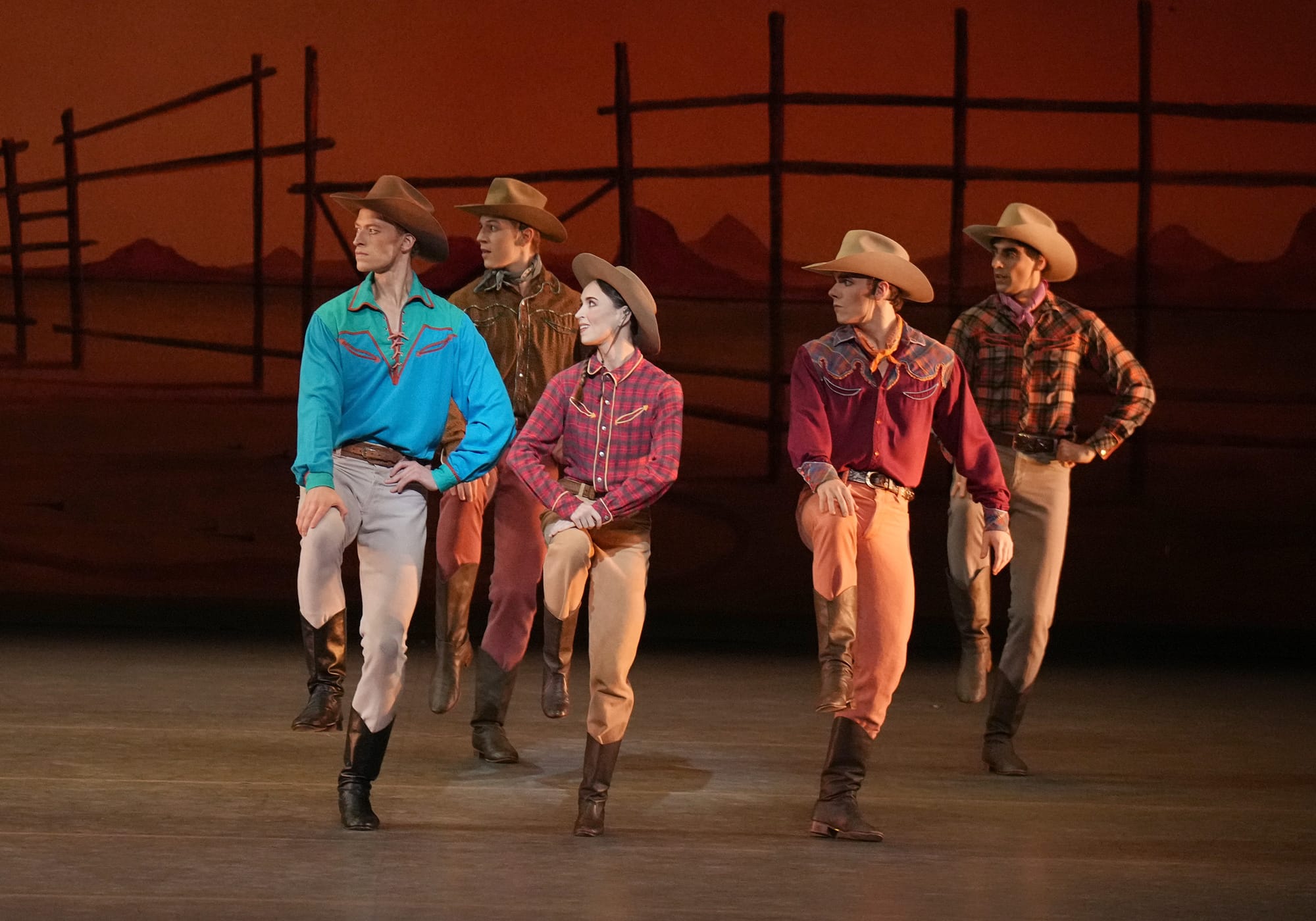
The evening concluded with "Rodeo," where all the leads excelled. Skylar Brandt was a convincing Cowgirl, stealing a bit more of the show in the Corral scene than later in the ballet with assertive humor. She even looked like she had bowed legs – a surprising feat in fairly straight pants! Jarod Curley as the Head Wrangler was the perfect gallant cad, courting everyone effortlessly and ruthlessly dismissing Brandt. His flirtation with a dashing Ingrid Thoms seemed almost sincere, and she gave just enough reciprocation to suggest she was leading him on. Beyond the romantic drama, the ensemble’s clap-along interludes – raw, rhythmic, utterly unballetic – ushered in completely new energy, and build-up well to Jake Roxander’s Champion Roper solo: a tap-infused whirlwind that, for a ballet dancer, bordered on phenomenal.
Of course, today “Rodeo’s” narrative would reverse itself. Rather than sulking over male rejection, Brandt's character would run confidently with the boys and dismiss or pity the women seeking male validation. Perhaps in recognizing that, Brandt found her key to the role. Once her Cowgirl transformed into a Lady, she became only marginally convincing – her heart seemed to have remained self-assured and ready to ride with the men. In 2025, that might be the only honest way to dance it.
copyright © 2025 by Marianne Adams



