Only Connect
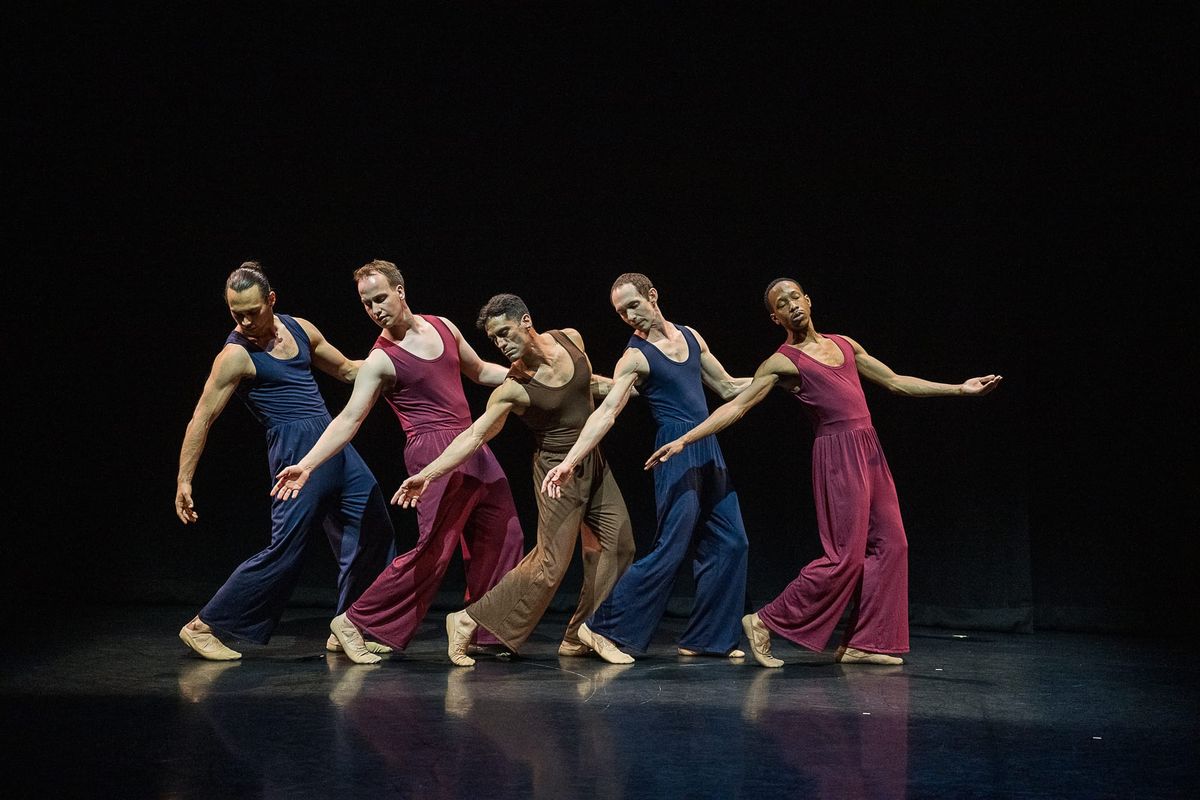
Lydia Johnson Dance
"Evening", "Legacy", "Ode", "Undercurrent"
New York Live Arts
New York, New York
June 19, 2026
Lydia Johnson Dance, a small company, was established in 1999 and dances the musically and emotionally complex works of its founder. The company is ballet based but casual in outlook—arabesques are pure while arms swing, jumps are solid but low, and the women dance in practice shoes, showing the beauty and variety of demi-point. There is nothing florid or exaggerated about her choreography, it just seems to have a natural and inevitable flow. The program, called “Stirrings of the heart”, presented four works, two of which were premieres. The music (on tape) was eclectic and diverse—the first piece alone (“Evening”, a premier) used works from four composers, including the Baroque violinist Johann Paul von Westhoff, and selections from the contemporary composers Lera Auerbach, Nico Muhly, and Ludovico Einaudi. Johnson has a subtle and sophisticated approach to music; she seems to get under the skin of the composers and the choreography flowed seamlessly through the different composers.
The first three dances, “Evening”, “Legacy” (2024), and “Ode” (premiere), shared a similar outlook, with couples mixing in with a corps; there were no narratives though the couples showed a range of emotions. Seeing these three dances together was a bit like reading a picaresque novel, watching the same people weaving in and out of different places and times. The moves and shapes were similar—crouching, walking, standing, crossed arms, circles, and lines—but the musical emphasis was varied and constantly shifting. The simplicity of the moves combined with the control and intensity of the dancers gave each dance a quiet and gripping power.
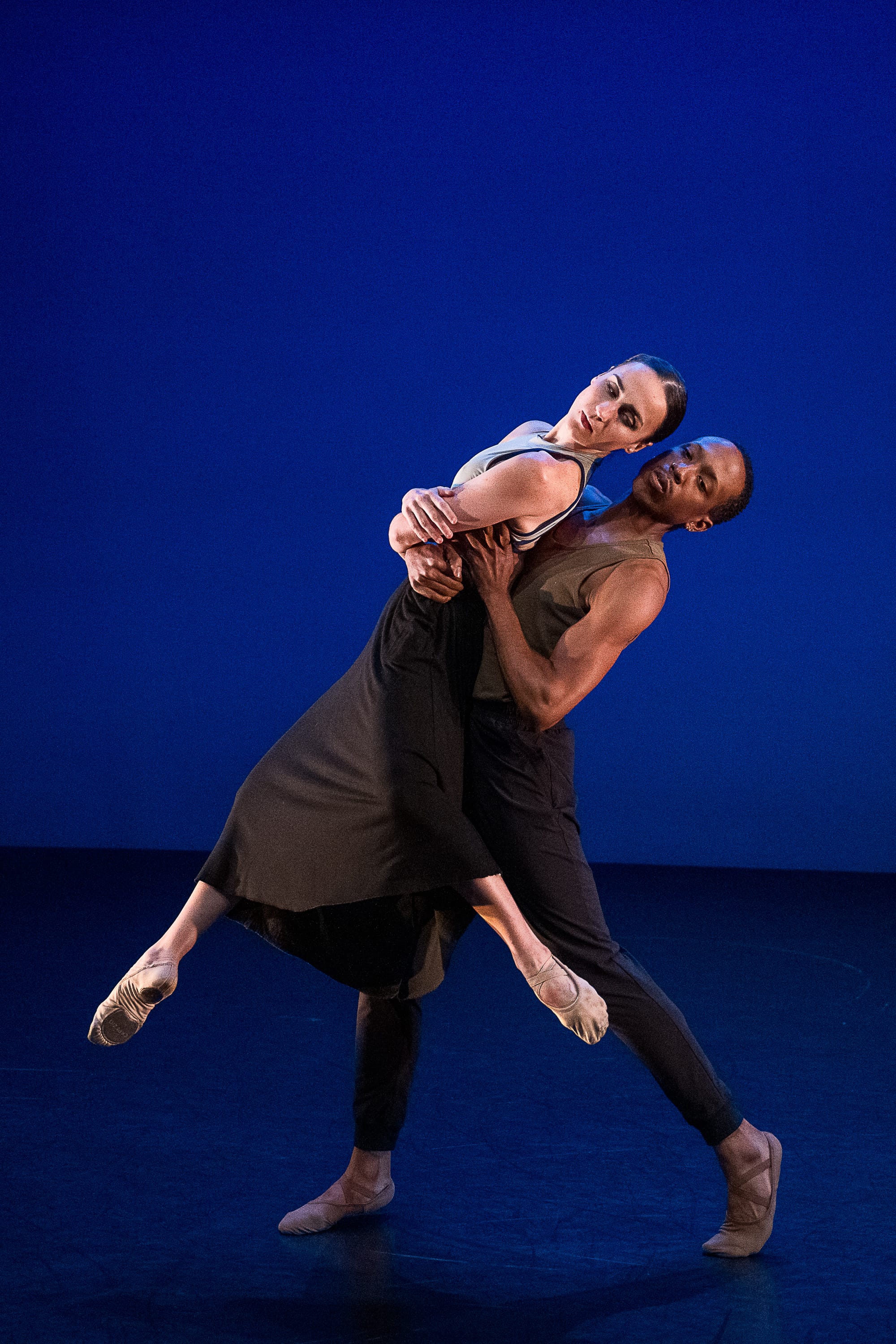
“Evening” used ten dancers and featured two couples, Laura Di Orio with Oscar Antonio Rodriguez and Cara McManus with Michael Miles. The costumes, credited to Johnson and Di Orio, had a quiet formality, black skirts for the women and black slacks for the men, both with softly colored leotards. The dancing, too, had a quiet and stately formality, as the group formed circles which broke into pairs (mixed and single sex); the movement was both grounded and statuesque.
Di Orio and Rodriguez had two pas de deux; there was no specific narrative but their movements had a wide emotional variety as they alternatively sank to the ground, seeming to comfort each other. Di Orio, with her powerful wing span, was quietly dramatic. Their second pas de deux, in the final section, as the backdrop turned dark blue, had a serene, otherworldly feel, as Di Orio frequently reached upwards. McManus and Miles, in the third movement, were quieter and more elegiac, with low, gentle lifts.
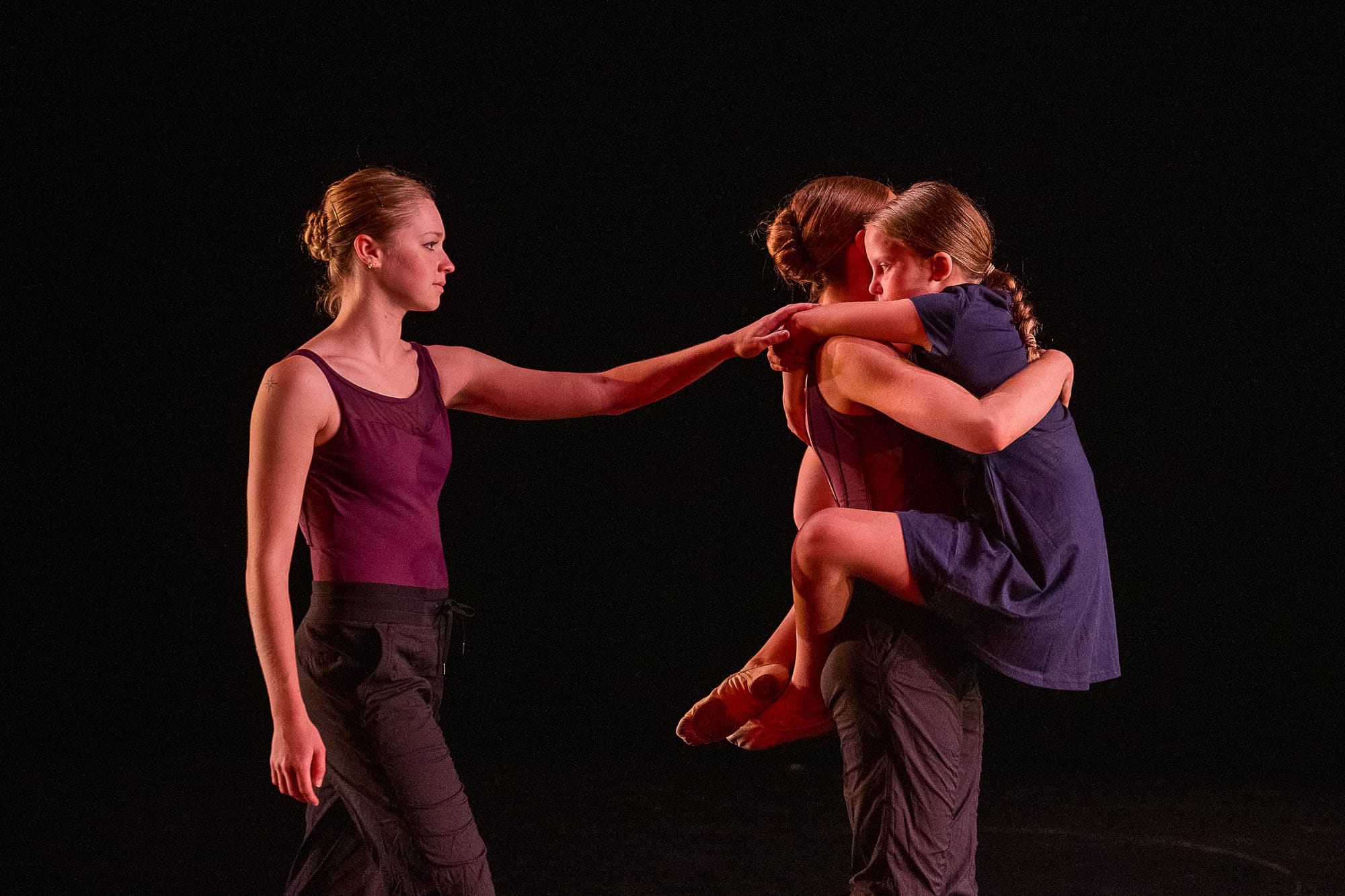
“Legacy” had its elegiac moments too, as four very self-possessed young girls, moving without any hint of coyness, wove through the work, finally departing with the older dancers. The music, Terry Riley’s “in C”, has a haunting, minimalist feel. Di Orio, McManus, and Miles danced the opening trio, a grouping of slow, stately, slightly mysterious poses, as the group bowed over as if carrying some burden. They seemed isolated from each other yet somehow connected until the children entered and they walked off holding their hands; the slightly astringent music and their calm, impassive yet focused demeanor meant that there was no hint of sentimentality.
The second half added a larger corps, a bouncier rhythm, and a sunnier atmosphere. The four girls joined in the fun, swinging, skipping, and jumping in the grownups’ arms. McManus’s brief solo, full of steady balanced attitude turns, seemed to show that the group had found equilibrium, and in the end, the group walked off with the children into what looked like a happy future.
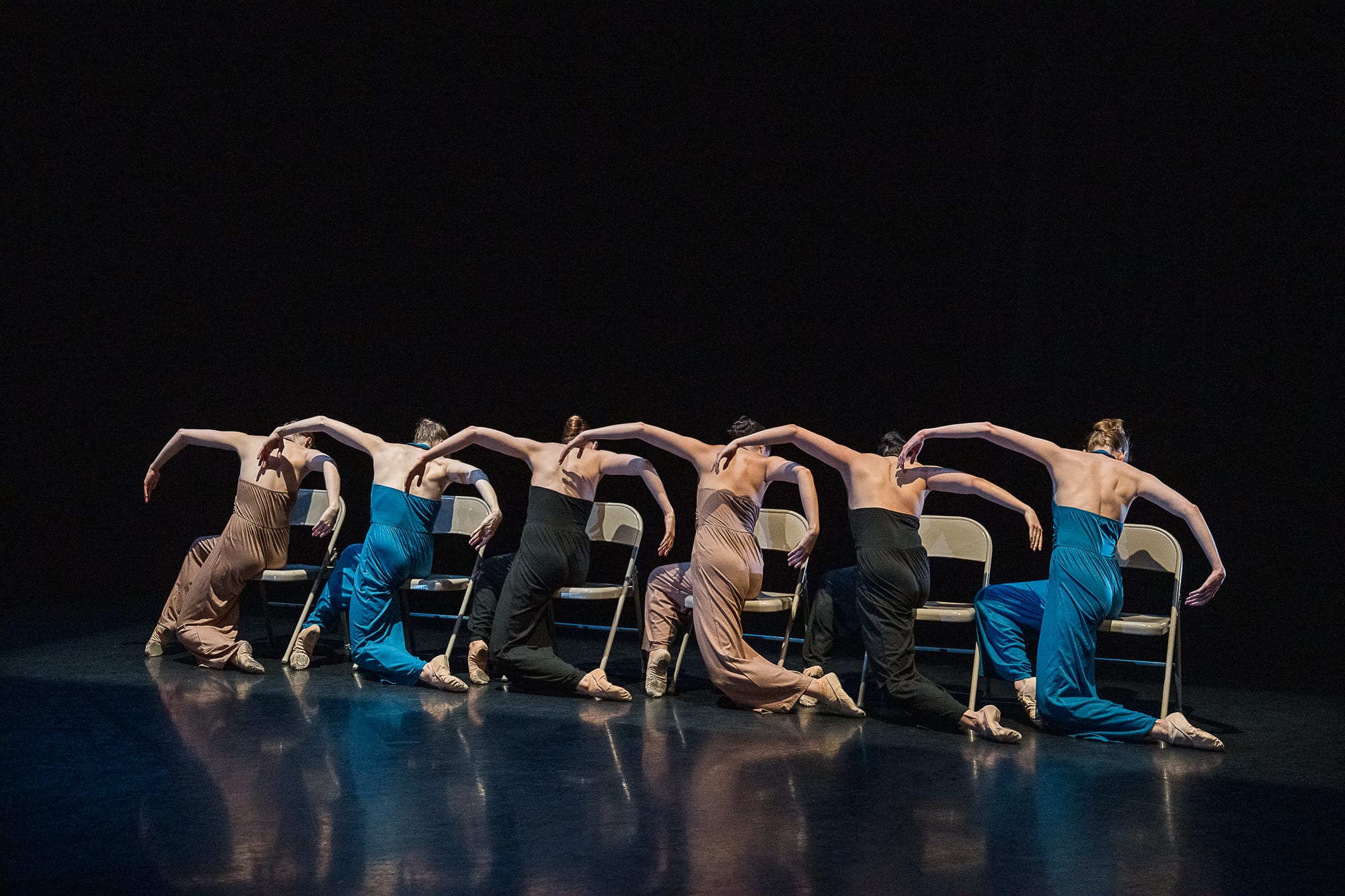
“Ode” is set to 4 of Aleksandra Vrebalov’s “Sea Ranch Songs”, written to commemorate the 50t anniversary of the California nature community. The dance also celebrates a community; it opened with six women seated in a row of chairs, observed by a line of six men, with linked arms. The dancers mingle and separate in complex and ever shifting shapes, showing a variety of relationships, some romantic and some conversational. In the end, the group faces the rear as the light fades.
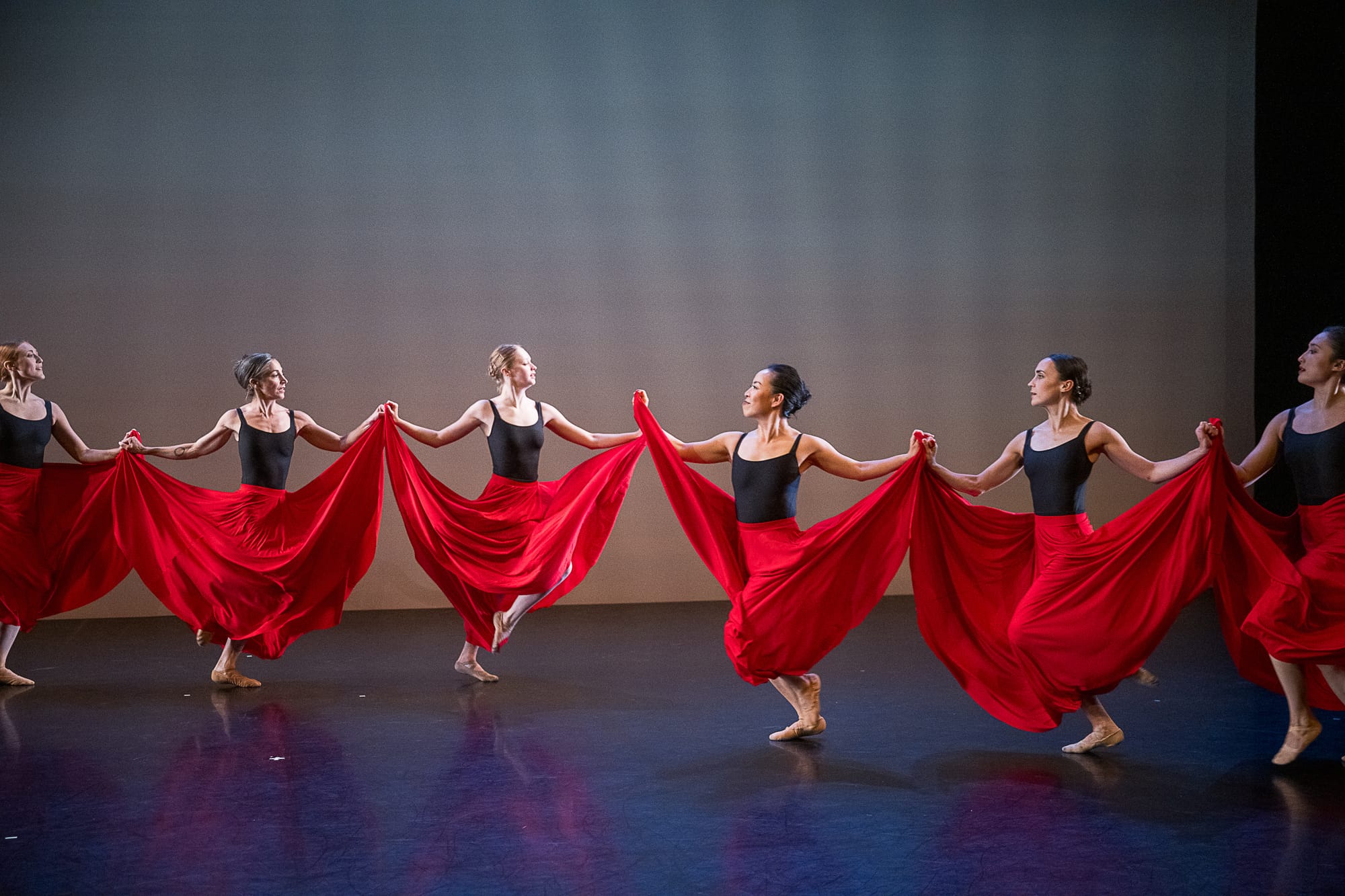
There was no fading light in “Undercurrent” (2018), set to “Three Dances” by the Polish composer Henryk Górecki which ends with an explosion of movement, like flashes of red lightning in the rhythmic folk-inspired line dancing. The simple, repetitive steps built excitement as the company, augmented by a number of students poured on crossing and recrossing the stage, connecting with each other, the rhythms of the music, and the audience.
© 2026 Mary Cargill



