Modern Takes
“Hallelujah Junction,” “Herman Schmerman,” “The Exchange,” “Concerto DSCH”
New York City Ballet
David H. Koch Theater
New York, NY
April 24, 2019
One of the most exciting things about New York City Ballet as a company is the sheer number of new choreographic works it manages to usher into the world season after season. That it has whole programs devoted to 21st century choreographers is a testament to that, and those tend to be my favorite evenings as they give a real chance to look at new works in their own context, without reference to the classics. The second of such two programs staged during the company’s spring season offered ballets by William Forsythe, Alexei Ratmansky, Matthew Neenan and the company’s departed artistic director, Peter Martins. None of them were premieres, but the program succeeded at showing the rich, if not flawless, state of modern classical dance.
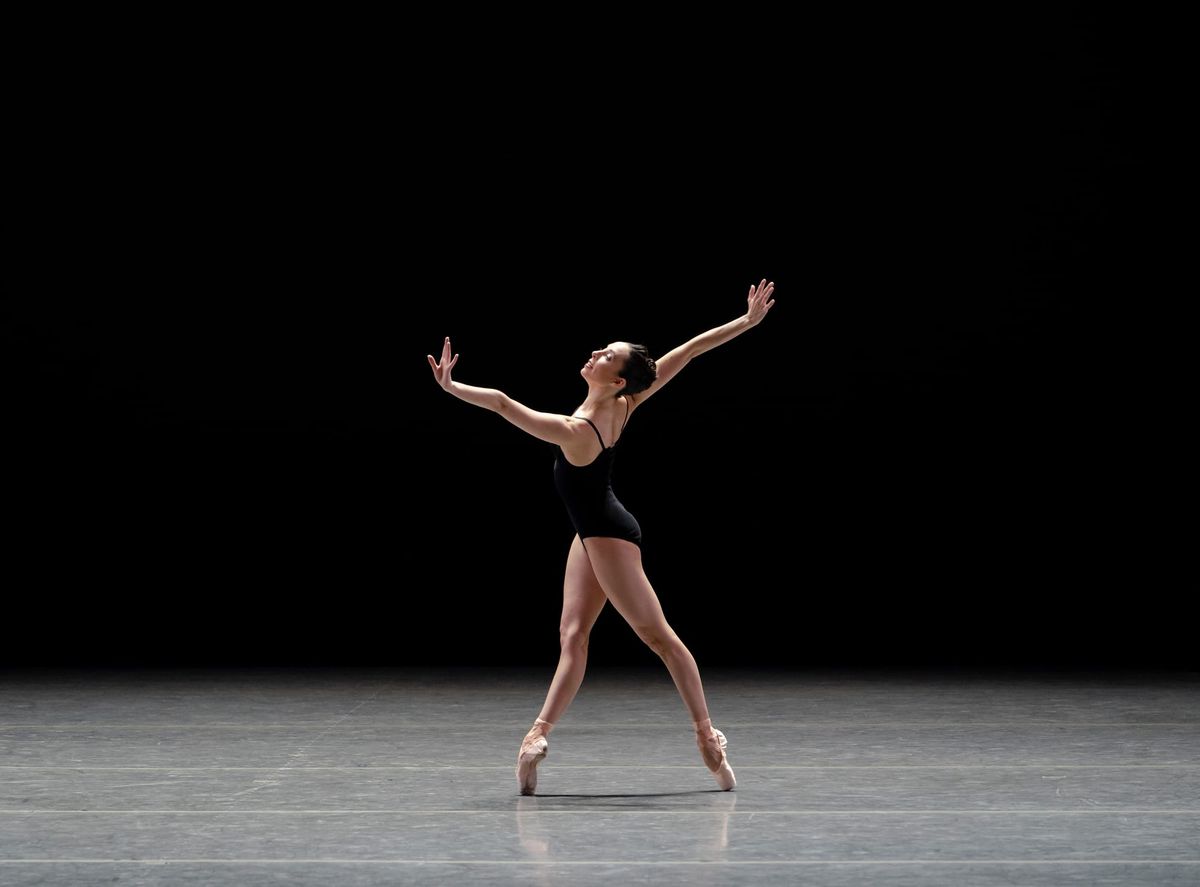
The opening work, Martins’ over-played “Hallelujah Junction” to John Adams’ busy score, was a bit of a surprise in NYCB’s new era given the rich vaults into which the company could reach for programming. (The reason for it, evidently, might have laid in Martins’ involvement in the programming for this season prior to his departure from the troupe in December.) Still, it was danced expertly by Sterling Hylting, Taylor Stanley and Daniel Ulbricht. Hylting and Ulbricht are old hands when it comes to this ballet, and their dancing was largely predictable stuff, as Hylting is a master of making the work shine with her musical precision and Ulbricht dazzled with virtuosity. Next to them, Stanley, as the man in white, offered just enough lyricism to contrast the power of Ulbricht, and the dancing overall was marked by so much impressive technique, with not a note unfilled, that it helped look past the ballet’s choreographic shortcomings.
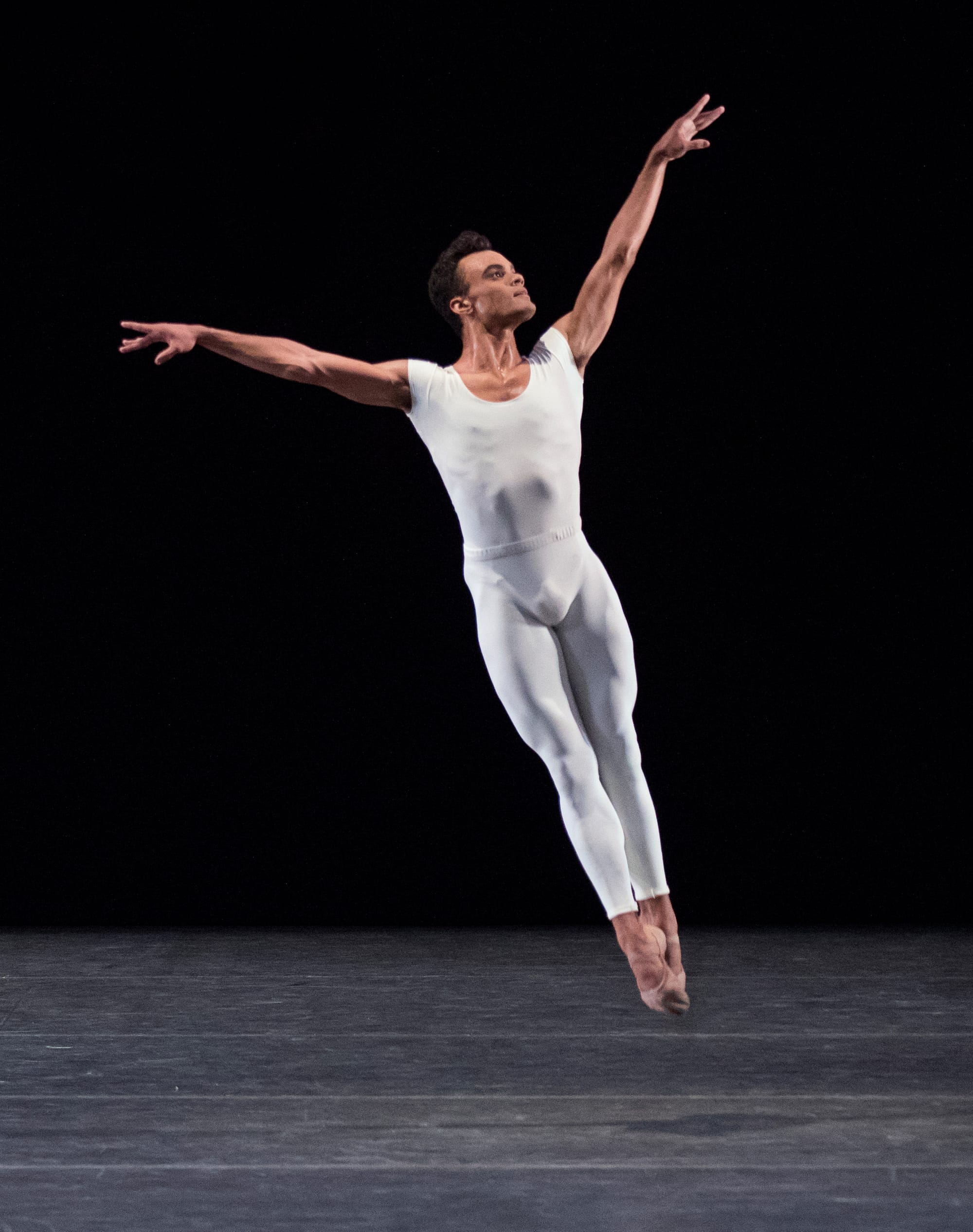
From one repetitive score to another, the second work on the program was Forsythe’s “Herman Schmerman” to Thom Willems music, this time, unlike in recent years, in its full form, including a dance for five along with the famous duet. The largest discovery in the quintet was Unity Phelan’s growth as a dancer. Forget the fact that her physique and flexibility is particularly well suited to Forsythe – a transition from a 180-degree arabesque to an à la seconde without the leg losing much of its height and position drew audible awe from the audience – but in the piece Phelan had enough stage presence to outshine fellow performer Sara Mearns, a star not usually easy to eclipse. Of the men, Harrison Ball’s aplomb, particularly in the solo, made his role memorable, though all this is not to say that Brittany Pollack and Devin Alberda were lesser performers.
For the duet, Megan LeCrone and Aaron Sanz replaced the scheduled Tiler Peck and Tyler Angle, and their dancing gave the piece a different feel with their longer lines and more disconnected and colder treatment. LeCrone’s look remained dignified, and Sanz frequently adopted an almost tango-style posture in his interactions with his partner. It was aesthetically a more fitting take on the ballet, but I did miss Peck’s engaged playfulness when we got to the skirts scene, as the dancers’ elegant style took away from some of the humor.
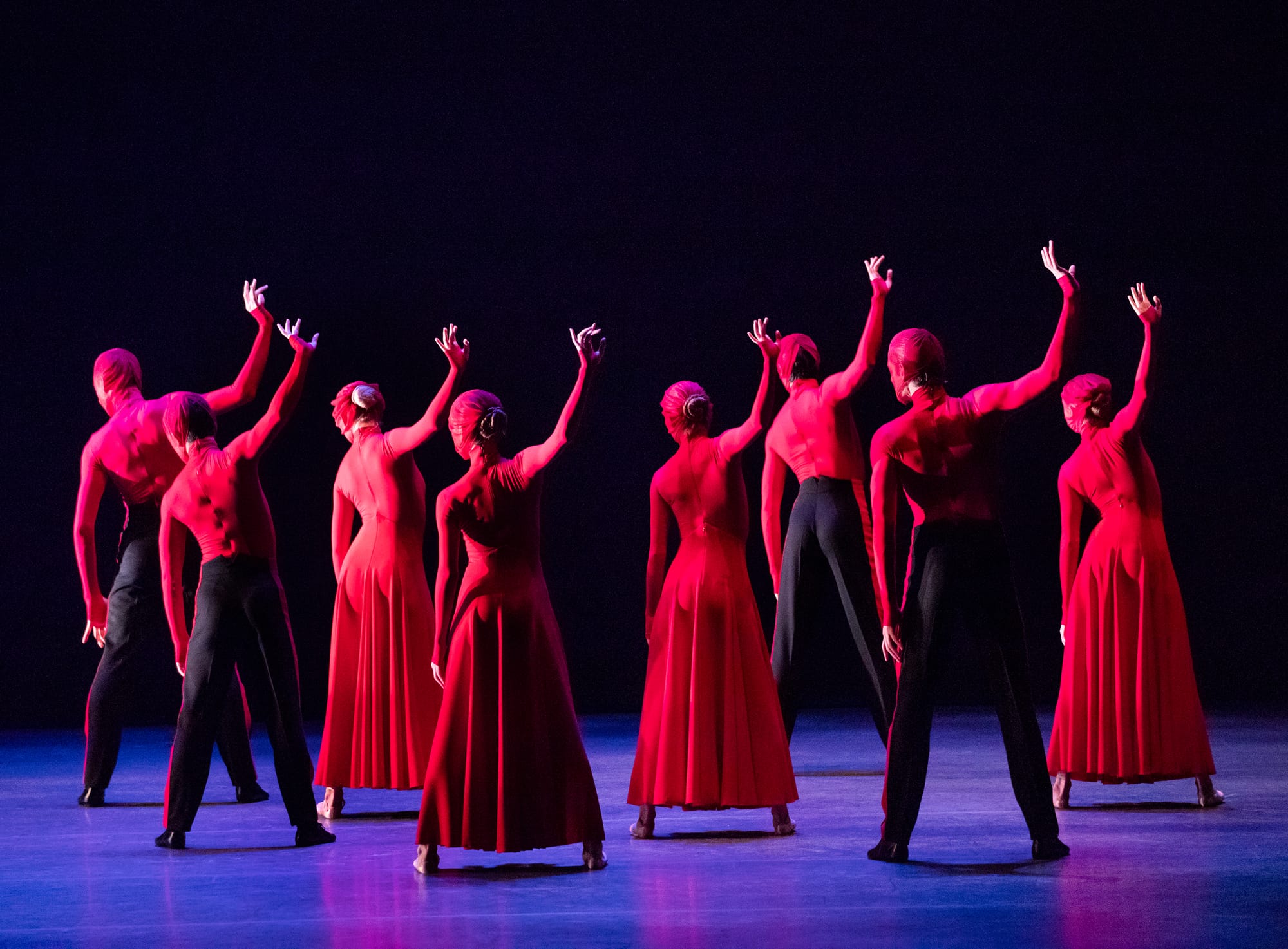
After an intermission, Matthew Neenan’s “The Exchange” was the youngest of all the works on the program. I missed its premiere during the company’s 2018 fall season, and this first encounter was enough to foster disinterest in repeat viewing. The biggest trouble was with the costumes by Gareth Pugh. Half the cast was covered in long red draping dresses, and wore red face masks. There was something about the color, the forced anonymity of the cast (I could readily only identify Maria Kowroski of the masked group) and their recurring rejecting arm gestures that kept calling to mind “The Handmaid’s Tale,” and that show’s dystopic horrors.
This disturbing association was likely unintended, but even without it the work was flawed. Set to mainly waltzes by Antonin Dvořák, the choreography is best described as incohesive. Where the music calls for structure, the steps instead were angular and jagged and the patterns were chaotic. There were masked dancers and unmasked, and as the work moved on, and particularly after an interaction between a masked and an unmasked couple, more and more of the dancers lost their face covers. It is unclear why, or through what force. The few reprieves came from Kowroski, perhaps the only dancer to succeed at not letting the costume obscure her dancing, and Erika Pereira, one of the “unmasked,” whose joyful dancing in a flowing short red silk dress was one of the few things to elevate the work and make it palatable.
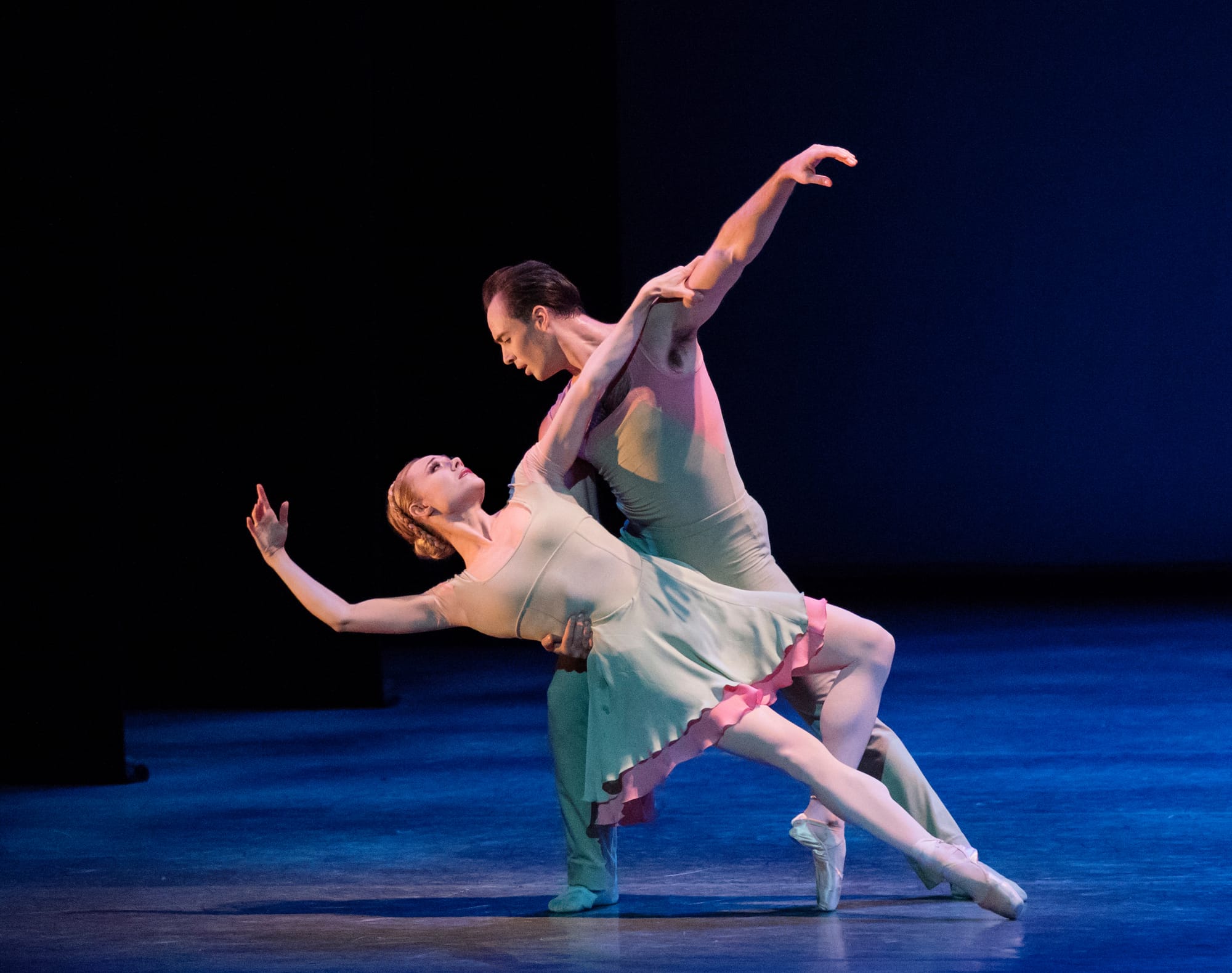
Ratmansky's “Concerto DSCH” to Dmitri Shostakovich’s remarkable Piano Concerto No. 2 closed the program, and was bound to end the evening on a good note. Ashley Bouder, of this work’s 2008 original cast, was remarkable as the girl in blue, with her ability to get the steps perfectly on the note in the first and third movements, even as Andrew Litton’s conducting felt particularly fast, even for those sections. Similarly, Anthony Huxley took control of the role, timing his jumps to perfectly accent the music. The best moments of the ballet though, and really the whole night, were in Mearns’ duet with Tyler Angle. The gorgeous score, which usually reflects fragility, was instead infused by the dancers with the richness of innocent feeling, and as the duet went from what looked like courtship to blossoming love, these dancers took their time to layer the tenderness of the music with nuance, from a pause from Angle before he lifted Mearns, to her eloquent foot movement echoing every note that Litton managed to highlight, to the final moment when Mearns looked up at Angle and smiled while wrapped in his arms. It was an unexpected and revelatory modern take on the classic music and the roles.
copyright © 2019 by Marianne Adams