Mixed, Not Matched
“Glass Pieces,” “Thou Swell,” “Stars and Stripes”
New York City Ballet
David H. Koch Theater
New York, NY
October 16, 2016 (matinee)
The names of Philip Glass, Richard Rogers, and John Philip Sousa come to mind quite intuitively when talking about American music, as do George Balanchine and Jerome Robbins when it comes to American ballet. But NYCB’s American Music program consisting of “Stars and Stripes” and “Glass Pieces,” and particularly Peter Martins’ “Thou Swell,” just seemed like an odd, mismatched mix. The three ballets, with their different styles, had little commonality beyond the music’s national roots, but at least there was some respite in their execution.
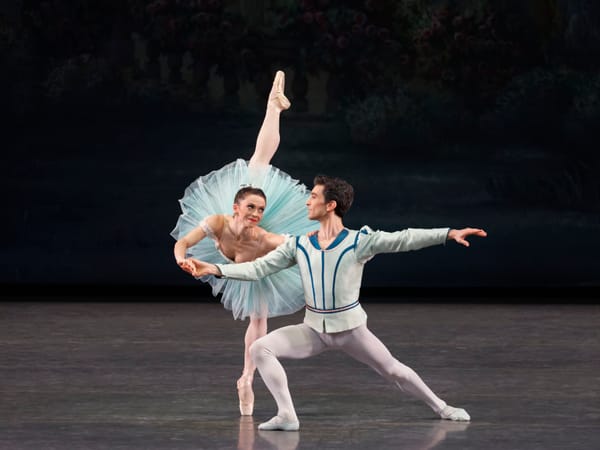
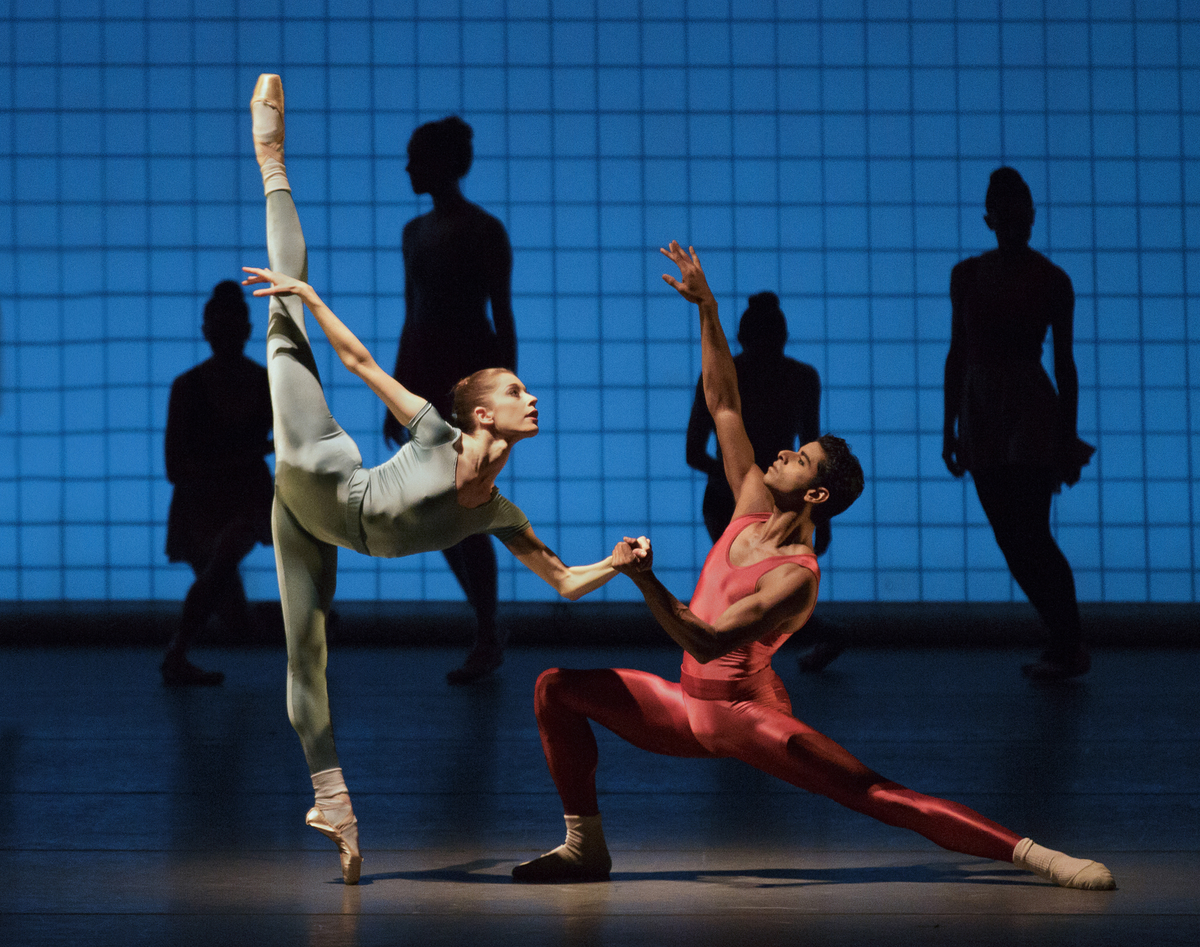
“Glass Pieces” lead the program and was the most satisfying of the presented ballets. The three duets of the “Rubric” section were a pleasure to watch thanks to the effort of the leads –- Unity Phelan, Emilie Gerrity, Lydia Wellington, Joseph Gordon, Andrew Scordato and Cameron Dieck – and their musicality and uniformity in performance. Besides the complementing dancing of all three couples, both to each other and the erratic score, the overall impression was also enhanced by the very mature and sensible partnering by Gordon, and the masterful use of the choreography, and particularly the various developpés, by Phelan to showcase and enhance it with her beautiful leg lines. Through its precision and timing, the corps similarly was an inseparable embellishment of the Glass score, and it is unfortunate that some of these qualities faded by the third section of the ballet, where the performance felt a little less cohesive. In between, during “Facades,” Rebecca Krohn and Amar Ramasar were magnetic in the duet, their dancing impeccably harmonious and complete with the type of absolute command of technique that liberated them to really focus on the artistry, adding color in their emotional presentation.
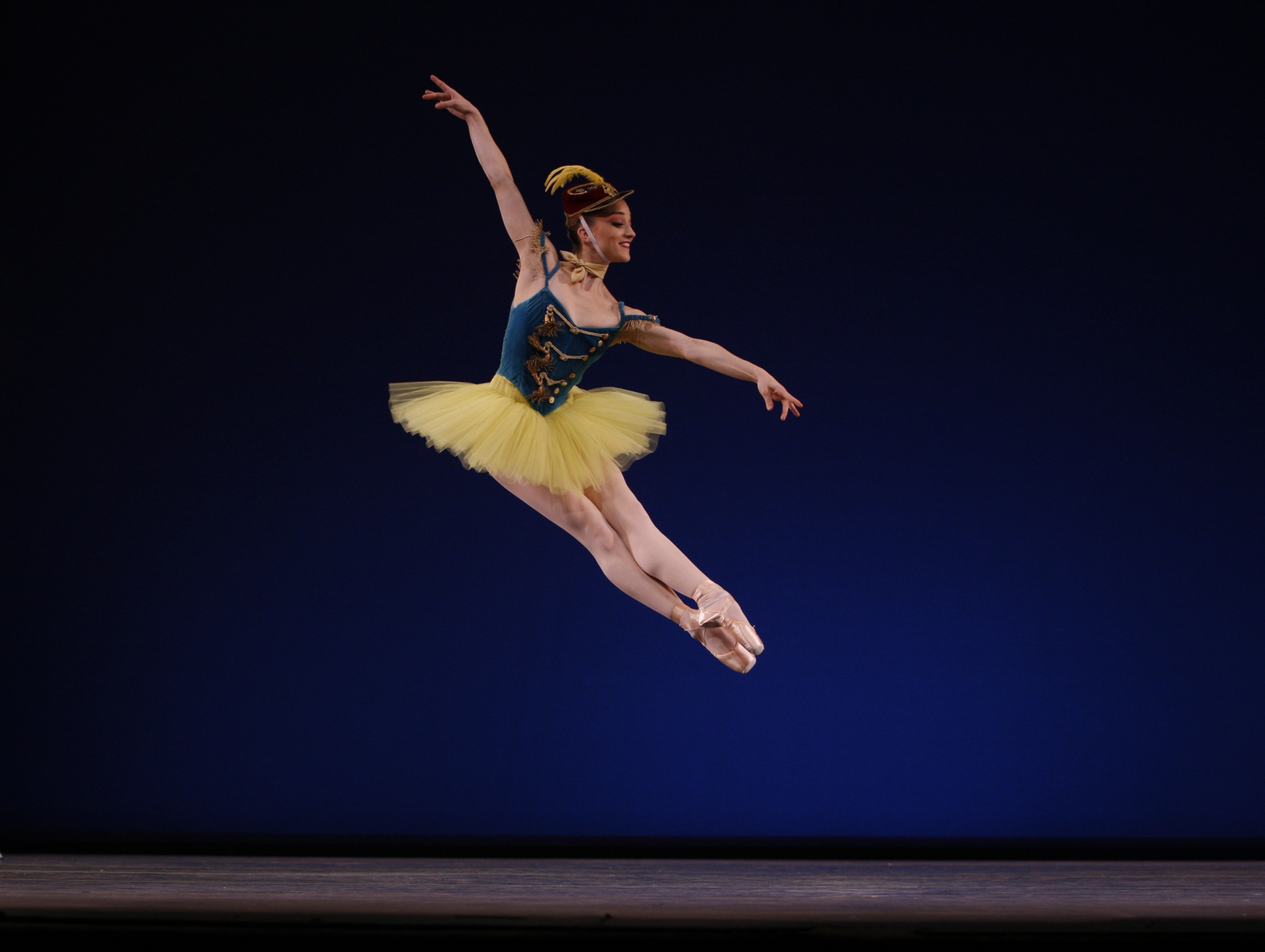
That same technical proficiency is what has distinguished Ashley Bouder prior to her maternity leave at the end of last year. Now back, and performing the lead in “Stars and Stripes,” which closed the program, this great NYCB dancer has certainly regained the technique, if not yet the artistic freedom that she showed a year ago. Her dancing opposite Andrew Veyette, himself offering rather shaky and heavy jumps, in the pas de deux of the Balanchine ballet was by no means flawed, but it didn’t quite have the playfulness and flair she usually offers and which this time was present in abundance in Lauren King’s dancing of the First Campaign. Indeed, it was unusual to see King so artistically engaged, and one hopes this sparkling quality she brought to the stage is a sign of even better dancing to come from her in the future. Much in the same way, Troy Schumacher also looked like he was truly enjoying his command in Third Campaign section, while Megan LeCrone offered a clean but forgettable performance of the Second Campaign that was too measured and tired.
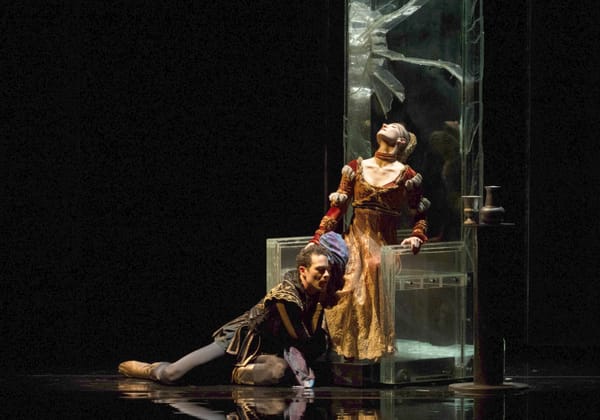
“Thou Swell,” which on a good day doesn’t amount to much more than a crafty sartorial presentation of the four evening gowns by Oscar de la Renta, did have its moments when Krohn and Sara Mearns started the ballet with beautiful, almost floating entrances, and then continued to try and craft something special with the dances they were charged with. Krohn was remarkable by really relaxing into the often lilting movements and making her dancing appear just as beautiful both from the traditional point of audience encounter and from the back –- through the reflection in the mirror that adorned the back of stage. Mearns, for her part, made “Bewitched, Bothered, and Bewildered” enchanting in all the subdued drama and imagination she brought to her expression of the song through dance. Both ladies were partnered elegantly by Amar Ramasar and Jared Angle respectively.
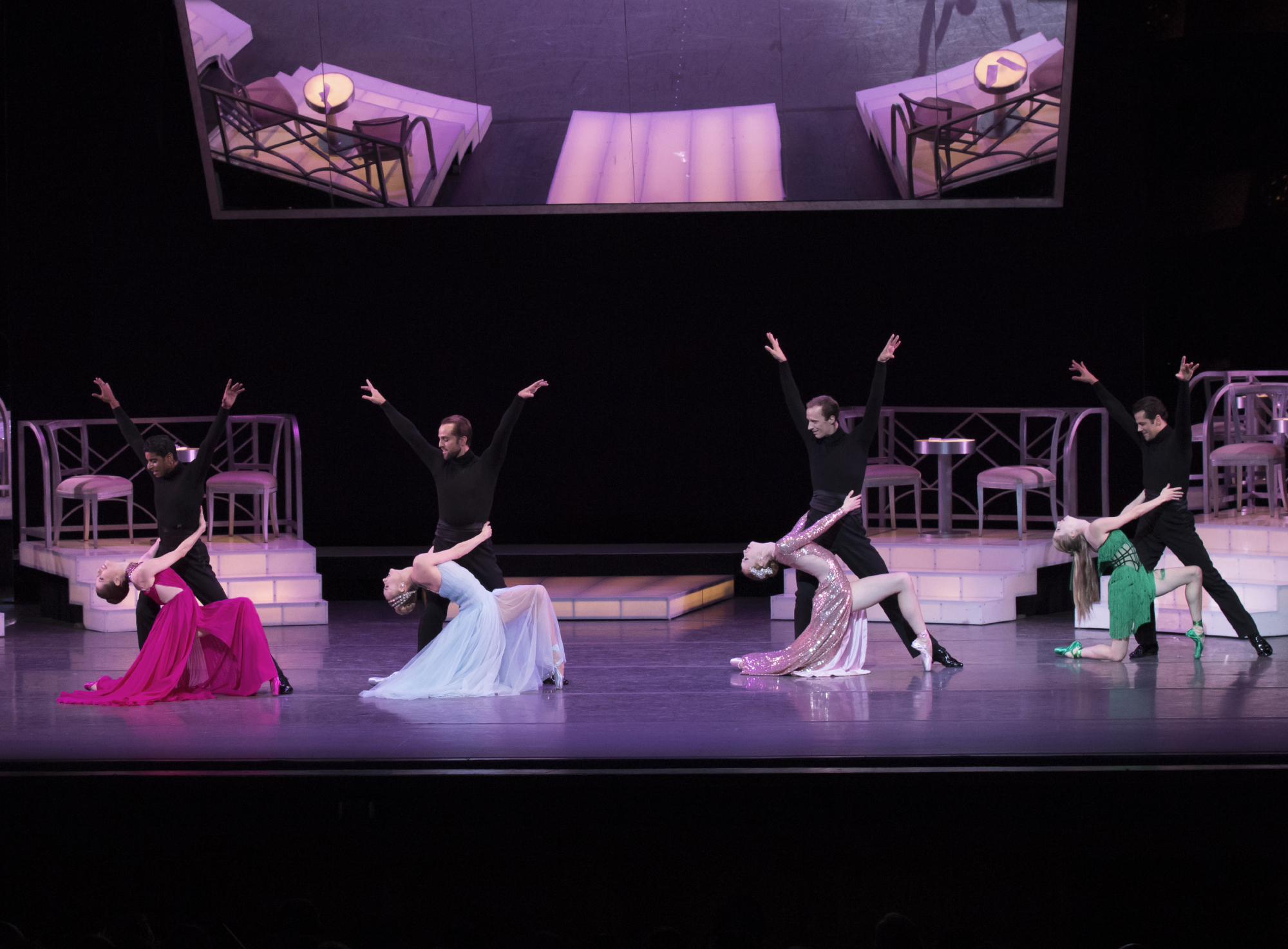
But this ballet too had its disappointments, mainly from Teresa Reichlen, who was partnered by Ask la Cour, and who failed to take advantage of her stature to display the long gold gown she was wearing. Instead, she kept falling victim to the dress, often getting tangled in the fabric, especially during “The Most Beautiful Girl in the World,” and seemingly in her legs as well. The dancing was cautious and very stop-and-go, with disappointing transitions, and made one wonder if anything (perhaps a more delectable leg line?) could’ve salvaged it. The fourth couple of Sterling Hyltin and Robert Fairchild offered a mixed performance, with the more dynamic sections working better for the Broadway-seasoned Fairchild, and the more lyrical ones, specifically “With a Song in My Heart,” better suited to Hyltin.
The program concluded NYCB's brief fall season, leaving behind hope for some of the same and some better dancing, and a wish for better programming, ahead.
copyright © 2016 by Marianne Adams