Math 101: Cheap seats=packed houses
"Red Angels", "Sonatas and Interludes", "In Creases", "A Fool for You"
New York City Ballet
David H. Koch Theater
New York, New York
May 29, 2013
In its unceasing and understandable efforts to attract a new (young and hip) audience, NYCB offered an evening of $29 seats, selling out almost immediately. The atmosphere was fresh and excited, and the applause was enthusiastic. Whether this will translate into permanent fans is as yet unknown, but seat prices are certainly an obstacle. The audience was given a modern program--that is, no Balanchine or 19th century music, and a New York premiere, the young choreographer Justin Peck's "In Creases", to piano music by Philip Glass. Peck himself, with one of the dancers (Gretchen Smith) came out to introduce the work, explaining that it had something to do with magnatism and attraction. (I forget the details.)
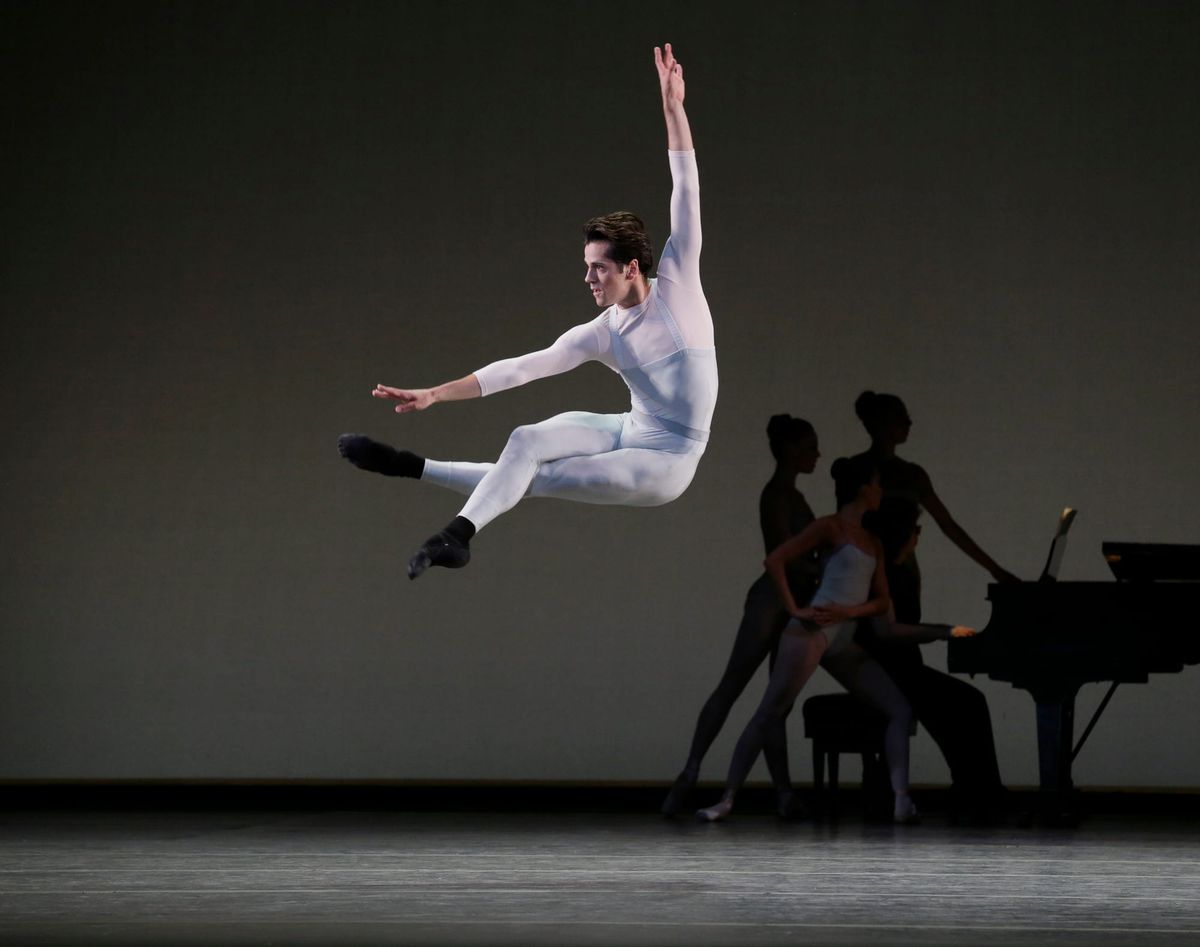
It was actually a finely structured, interesting work for eight young dancers (only one, Robert Fairchild, is a principal), stronger on geometry than feeling, but refreshingly not overworked. The opening was especially striking, as the group of dancers merged and reformed, while individuals broke out of the shape. There was a delicacy about the shifting patterns and the grey on grey atmosphere that evoked raindrops on a window pane. Eventually Fairchild was left alone for a turning, twisting, elegiac solo. Blackout. Had it ended then, it would have been a brief, haunting, work, but the lights came back on and it continued, with a fairly generic feel, some modern partnering and lots of toing and froing. The dancers, though, all looked vivid and engaged. Daniel Applebaum shone in his brief, fast solo, and Taylor Stanley proved once again that he is one of the most dynamic movers NYCB has. The women weren't as vivid, but Emilie Gerrity and Gretchen Smith had an intriguing little duet. It was a fine piece, not profound, but eminently watchable.
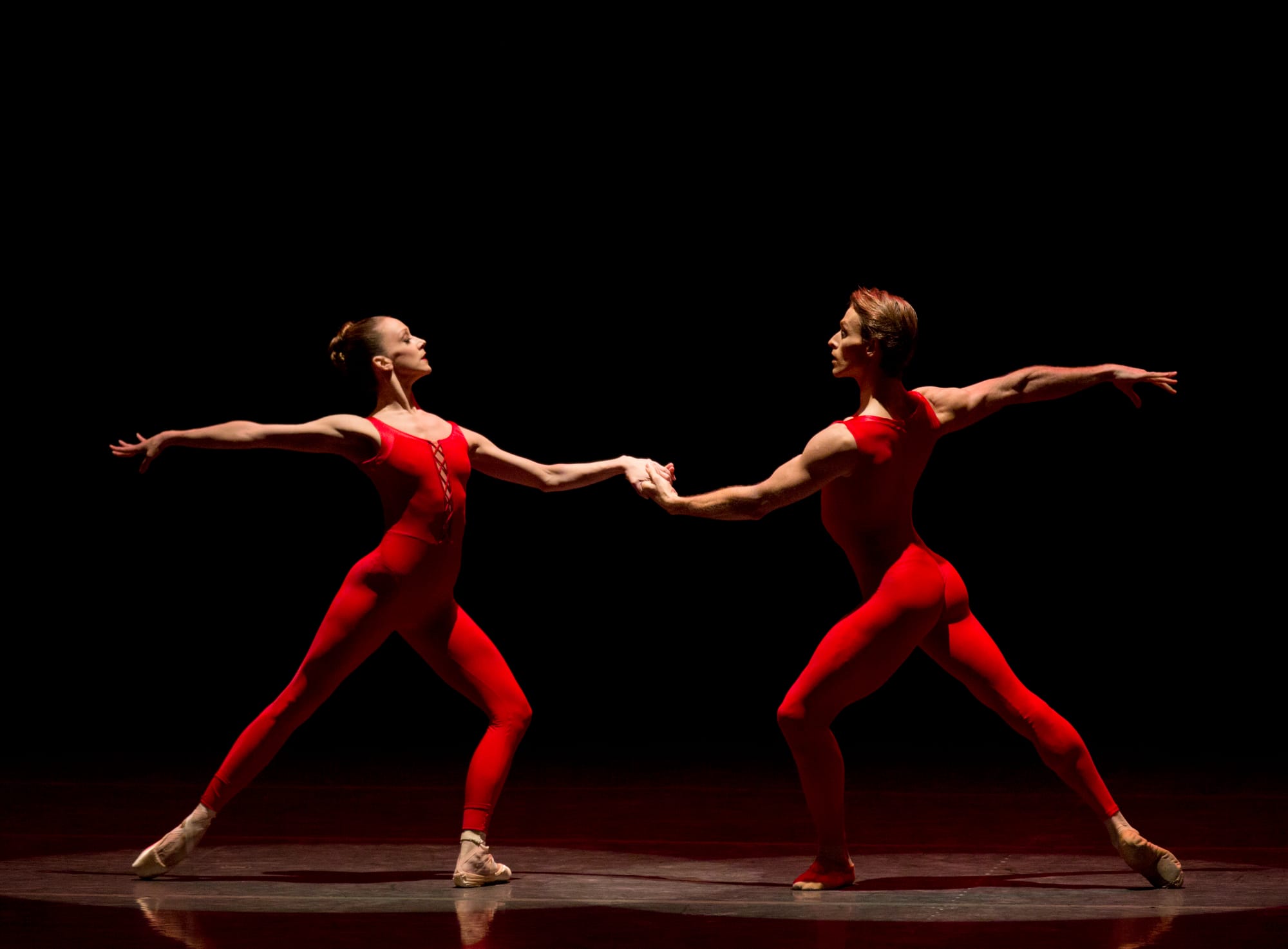
The opening work, "Red Angels", choreographed by the late Ulysses Dove for the 1994 Diamond Project, is a striking, crowdpleasing, but, for me, completely hollow exercise in trendy anomie, ballet's version of heroin chic. The dancers distort their lines, fling their limbs, and stare sullenly into the audience. The music, composed by Richard Einhorn for electric violin, is strident and aggressive, and doesn't develop; it just gets a bit louder. It was a treat, though, to see Jennie Somogyi again, back after another serious injury. She looked sleek and strong, and moved with her old concentrated, controlled power, cutting though the air.
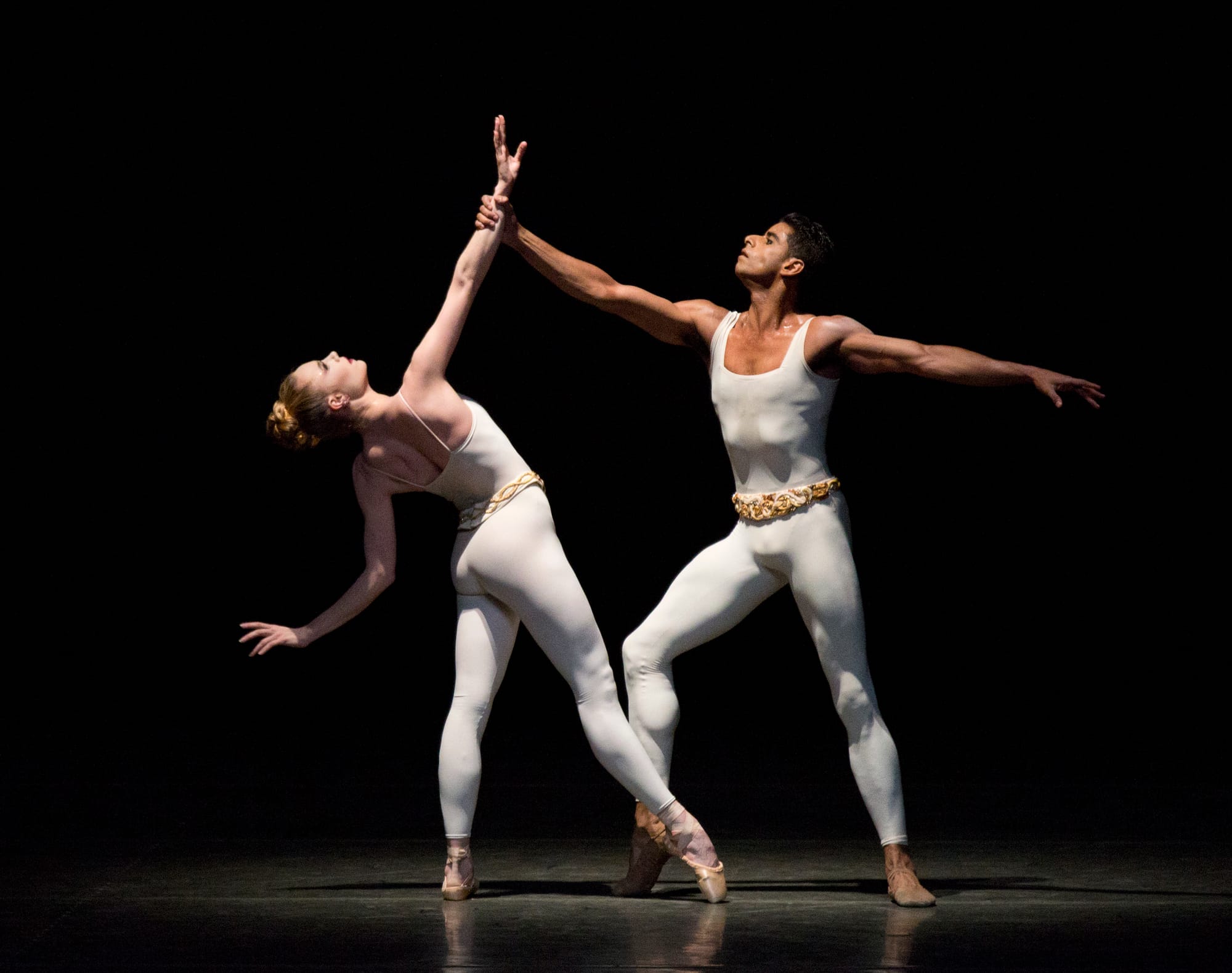
Richard Tanner's "Sonatas and Interludes", to prepared piano music by John Cage, is similar in feel to the Dove work, though where Dove is red and hot this is white and cool. Sara Mearns and Amar Ramasar twist and turn rather aimlessly and then they stop. Mearns, though, is apparently incapable of making anything look uninteresting, and gave the stop and start choreography unexpected dynamics. Ramasar, while he didn't plumb the depths that Mearns was able to find, was smooth and flowing, making the most of the quirky moves.
Ramasar was also featured in Peter Martins' "A Fool for You", to recordings of Ray Charles' songs which Martins made for the finale of his ambitious but artistically disappointing 1988 American Music Festival. The original featured live music by Ray Charles, played on stage. This gave the piece a once in a lifetime feel, and I remember reading an interview with Martins saying that it was intended as a tribute to the music he had enjoyed as a teenager; it has a warmth and humor not usually found in the knotty and anonymous partnering of so many of his works.
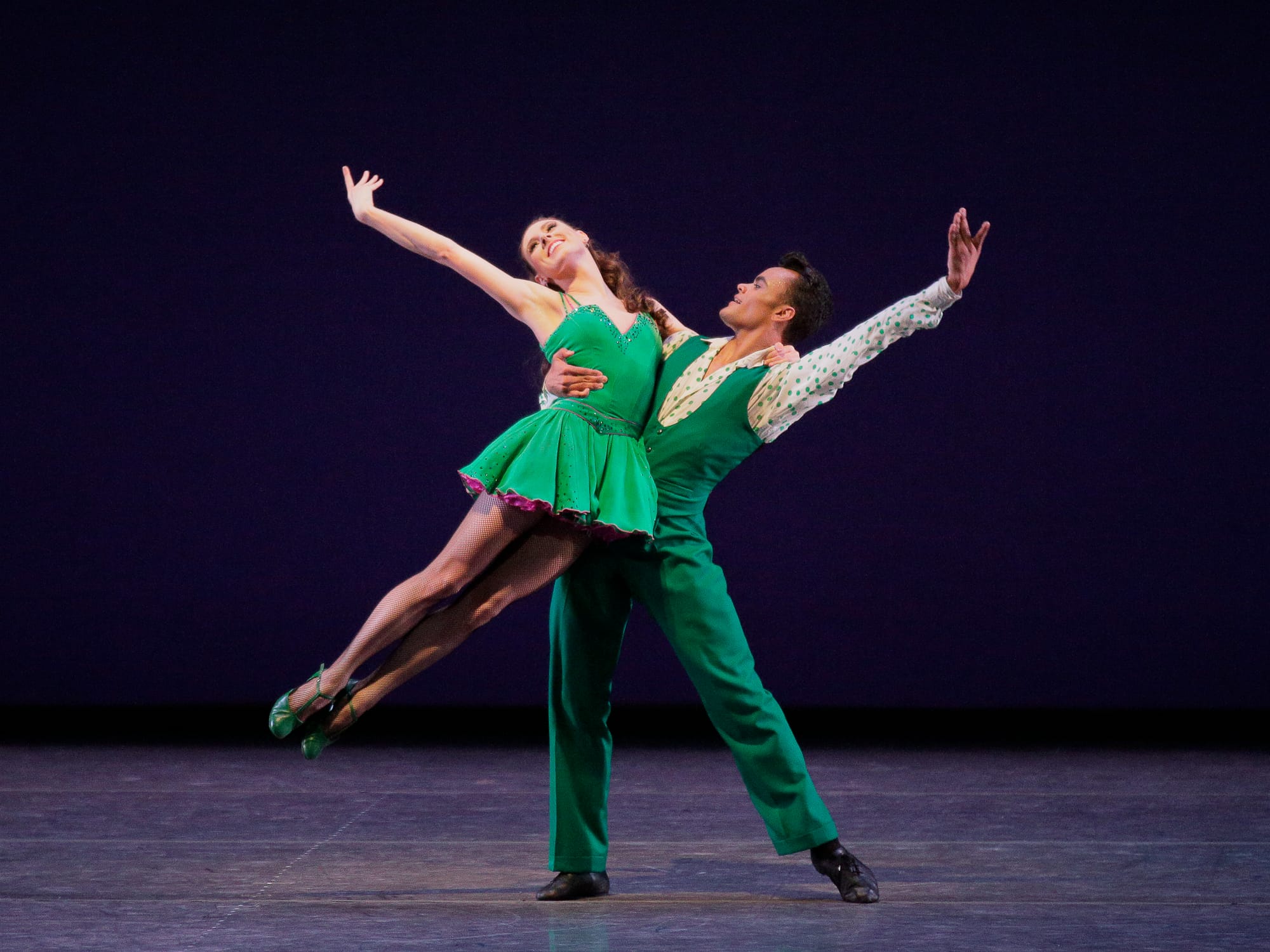
The three main couples (Tiler Peck and Taylor Stanley, Britianny Ppollack and Jonathan Stafford, and Rebecca Krohn and Amar Ramasar) strut and prance magnificently, the women wearing black fishnet stockings and high heels. The character shoes give the dances a down to earth feel, and suits the music. There are a few too many times when the women are wrapped around the men, but it feels like an homage to the Lindy hop, not to the woman as spagetti schtik.
Joaquin de Luz danced the sad sack chair piece, "It Should've Been Me" originally performed by Robert LaFosse. He lacked some of the comic timing and rueful floppiness that LaFosse so unforgettably had, and it seems that a few flamboyant turns have been added, which de Luz, of course, tossed off with great spirit. "Mess Around", too, seems to have been augmented, with Daniel Ulbricht's trademark silken, centered spins. There was also a dance off between the two in the finale that I don't recall from the original, but it was absolutely thrilling. And all for $29.
copyright © 2013 by Mary Cargill



