In With the Old
"Haieff Divertimento", "Concertino", "Episodes", "Rodeo: Four Dance Episodes"
New York City Ballet
David H. Koch Theater
Lincoln Center
New York, New York
February 6, 2020
New York City Ballet's February 6 performance was a look back, featuring two revivals (Balanchine's "Haieff Divertimento" from 1947 and Robbins' "Concertino" from 1982), a rarely performed solo from "Episodes" which was choreographed by Balanchine for Paul Taylor, then a member of the Martha Graham Company. (The first episode by Martha Graham for her company depicting Mary Queen of Scots' death has long since disappeared.) The final ballet was Justin Peck's modern take on "Rodeo", Agnes de Mille's first major success, choreographed in 1942.
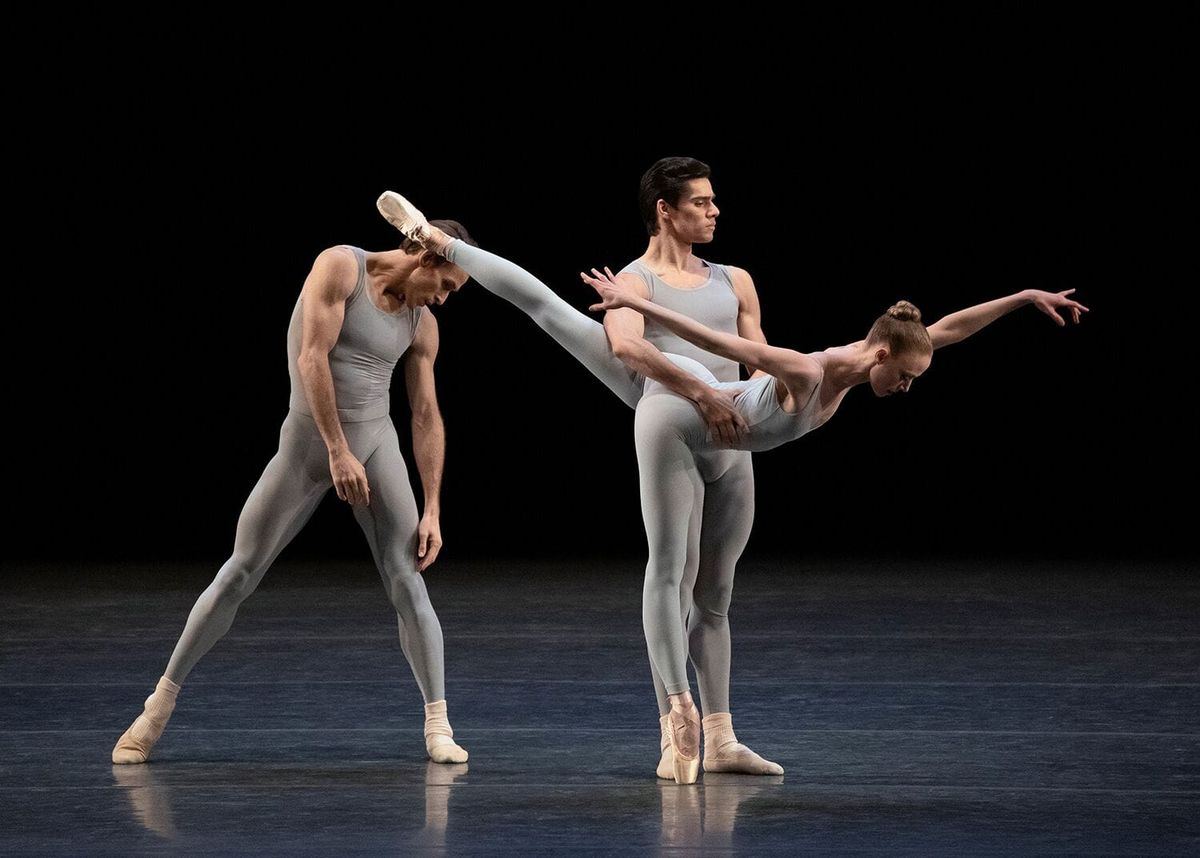
Balanchine dropped "Haieff Divertimento" from the newly formed New York City Ballet in the 1952 but it was revived for the 1993 Balanchine festival, based on the 1985 Kansas City Ballet production which had been set by Francisco Moncion, a member of the original cast. It is a chamber work, with a lead couple supported by four other couples, the men in black and white and the women in pale blue tunics, and, though it has some delightful and surprising choreography, the 1993 performances showed why Balanchine may have passed it by--he seems to have mined its combinations for other works, especially the "Four Temperaments" and "Square Dance"; I also saw a hint of "Agon" in the four corps men lined up at the back of the stage.
But ithe 1993 performances also showed that is a fine work and too good to lose. Wendy Whelan danced the lead in 1993 and possibly we have her to thank for the current revival. The serene and leggy Unity Phelan (a debut) was, to my mind, even more successful that Whelan in conveying the dreamy, languid atmosphere, as she hovered just out of the reach of Harrison Ball (also a debut). Ball was equally impressive, moving with an understated nobility as he bowed to his invisible partner; like so man of Balanchine's poets, he ends up alone.
The work's focus on the male dancers is more unusual and the four male corps men (Cainan Weber, Kennard Hanson, Maxwell Read, and Victor Abreu) looked powerful and fluid as they flew through their brief bouncy solos. The female corps looked less well rehearsed (their spacing was a bit off) but they too got their brief chances to shine; Alston Macgill was particularly effervescent.
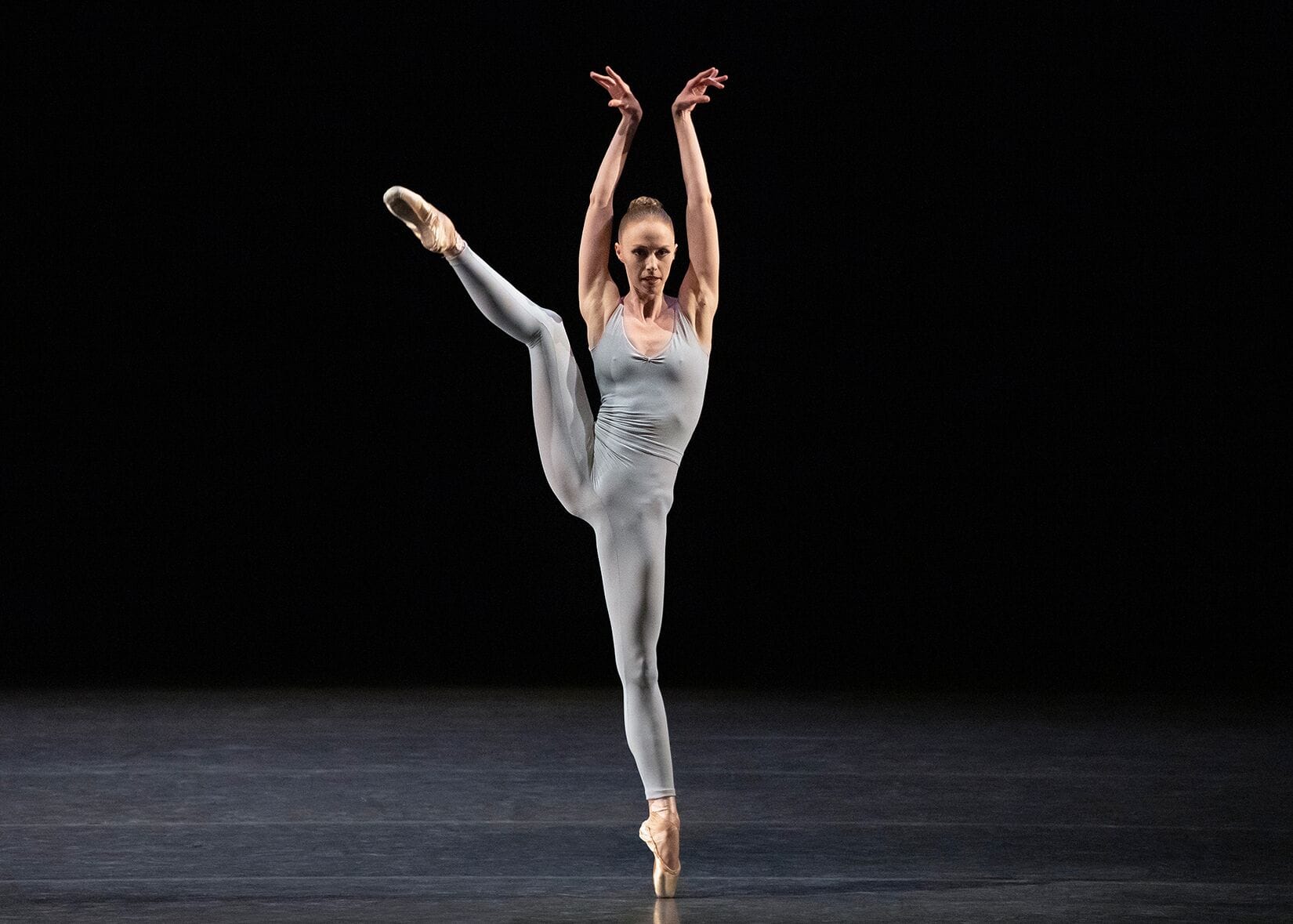
Robbins' "Concertino", choreographed for the 1982 Stravinsky festival, was originally part of a longer work, a set of unconnected vignettes united by a circus theme. The circus has disappeared but the trio (Teresa Reichlen, Adrian Danchig-Waring, and Jovani Furlan, all debuting) with their concentrated balances and shifting shapes might have been tightrope walkers. It did seem as if Robbins were trying to channel Balanchine as the choreography had odd, off-center lifts, flexed feet, and an impassive serenity, so at odds with Robbins' earlier dramatic focus. The dancers gave the choreography a sharp, clear attack; Reichlen especially mixed an astringent dryness with a pristine clarity.
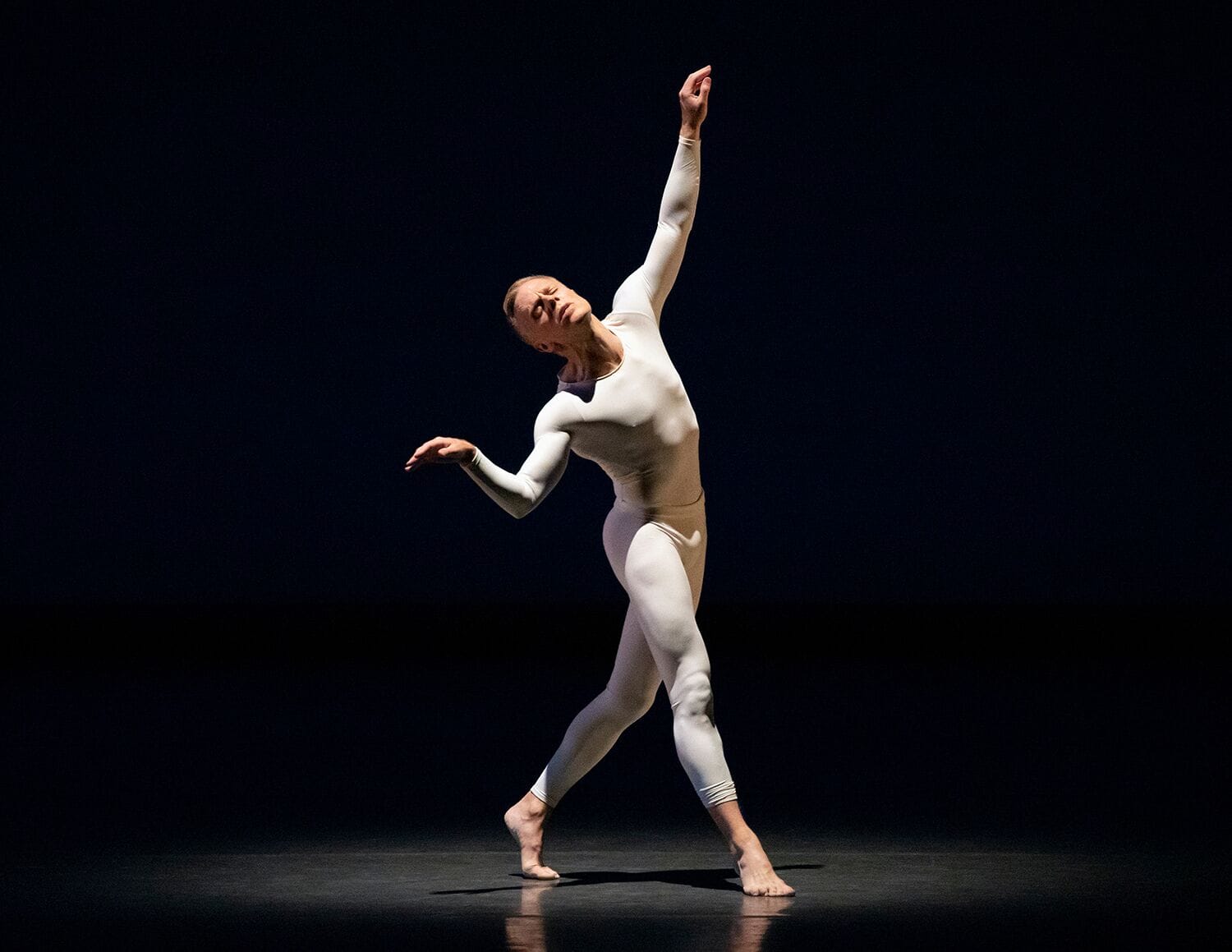
"Episodes" (to Webern) was a richer and more varied examination of spiky, spare modernism. Michael Trusnovec, recently retired from the Paul Taylor Company, danced the rarely seen solo. His innate and modest but intense nobility gave the quirky, huddled moves a push/pull dynamism and his weighted, grounded style helped isolate him from the more fluid NYCB dancers--a man alone. It was a majestic combination.
There were several other debuts in "Episodes", all women. Lauren King, with Andrew Veyette, led the opening section with a generous impassiveness--she seemed to brighten up the stage without effort. Lauren Lovette, with Taylor Stanley, gave a sharp and elegant wit to the third section, balancing nonchalantly as Taylor manipulated her into those quirky shapes. Reichlen debuted at the lead in the final Ricercata, a variation based on Bach's "Musical Offering".
Coincidentally, some of Trusnovec's most memorable performances were in Taylor's take on Bach's "Musical Offering" and the differing approaches of both great choreographers to the breathtaking majesty of the music was clear. While Taylor used a mass of bodies swirling around in the dark, Balanchine had his groups of dancers move simply, building momentum with their arms. Reichlen as yet doesn't have quite the command for the final, powerful move, where she lowers her arms, seeming to open up to the music--she was echoing the phrase rather than inhabiting it, but the spare beauty of the section was clear.
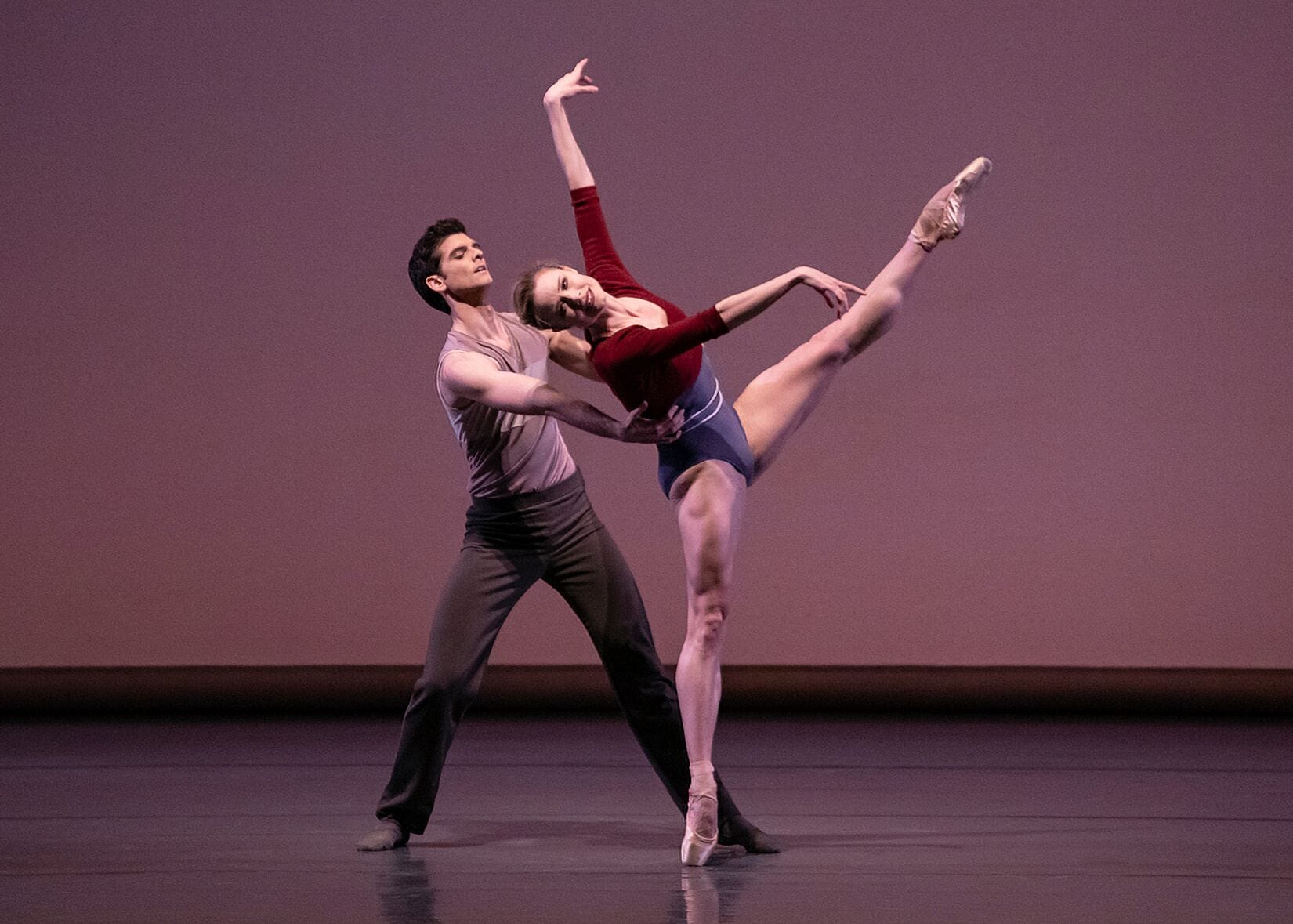
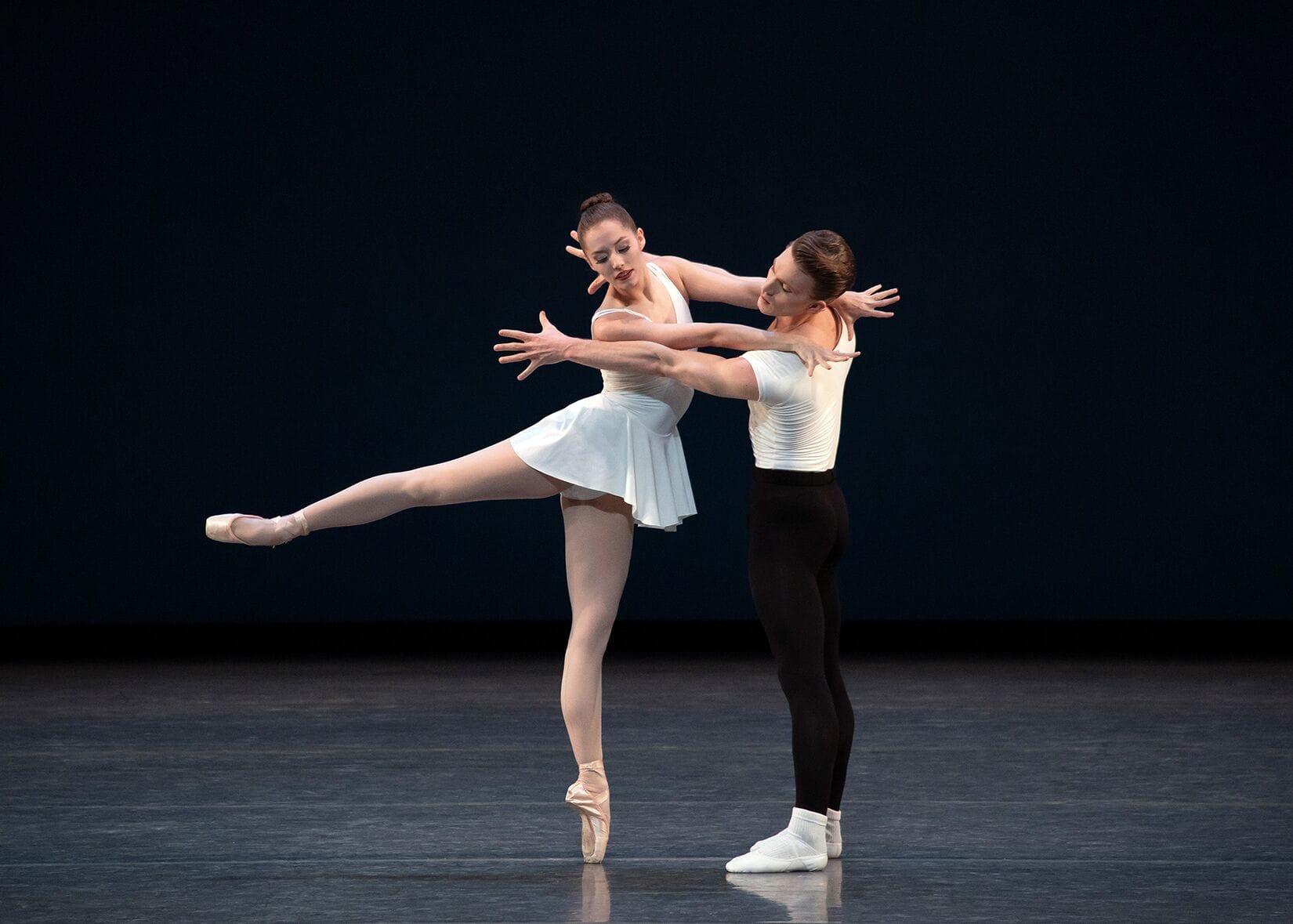
Peck's "Rodeo: Four Dance Episodes" (the original odd spelling--Rōdē,ō--has apparently been dropped) is set to Aaron Copeland's symphonic arrangement of his familiar ballet score. The soaring melodies evoke distant horizons (visible in the sets for the de Mille ballet) but Peck's work seems stage bound, as if the dancers were looking no further than the rehearsal hall. They were certainly well-rehearsed, with three men (Anthony Huxley and Cainan Weber, led by Daniel Ulbricht) bounded through some invigorating choreography. Ulbricht's controlled turns a la seconde (slowing down at will, almost daring the music the trip him up) were astounding, but expressed little more than a brilliant technique. The only woman (Sara Means) danced a rather generic pas de deux with Peter Walker (a debut) whose fussy choreography skated over the folksy nostalgia of the melody, based on the old cowboy song "Goodbye, Old Paint". Only the second episode, for five men led by Taylor Stanley (an unannounced substitution for Jonathan Fahoury), a quiet interlude celebrating male friendship as the steps flowed seamlessly from dancer to dancer, seemed to reach the heart of the music. It was a heart worth waiting for.
copyright © 2020 by Mary Cargill



