Heart and Soul
"Gong", "A Month in the Country", "Piano Concerto #1"
American Ballet Theatre
David H. Koch Theater
New York, NY
November 9, 2013
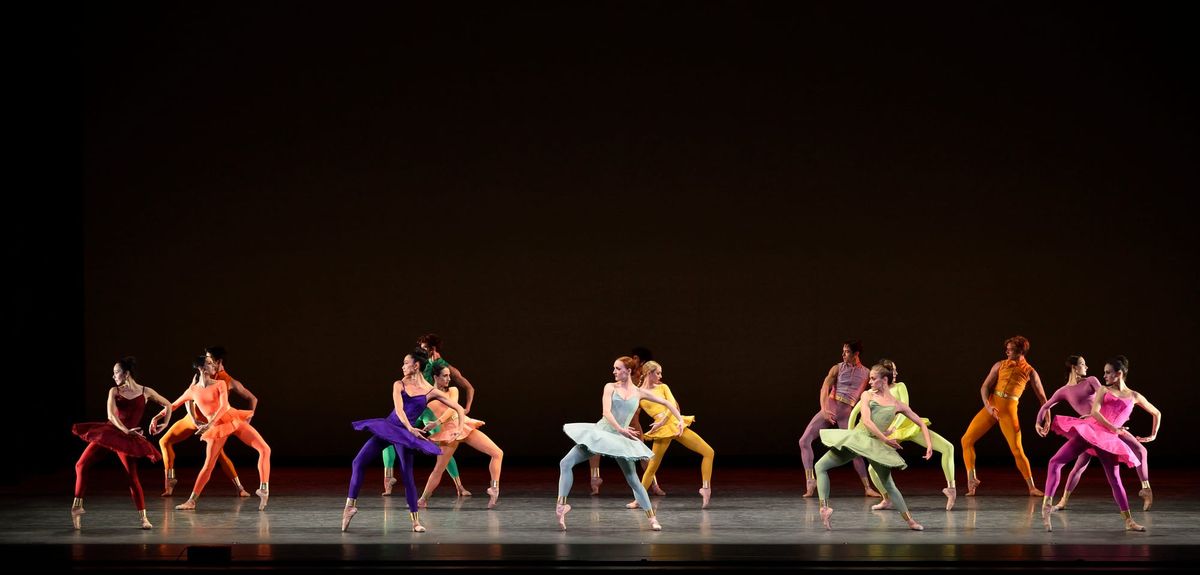
ABT's fall season, away from the cavernous Metropolitan Opera House, allows it to feature the younger dancers and shorter works, and the dancers have seized their opportunities, giving the performances an exhilarating gusto. Mark Morris' "Gong", while not an especially rich or profound work, let the corps show off in the cascade of steps. It is a faux-ethnic work to bouncy music by Colin McPhee, with little head bobbles and exotic, Javaesque arms and squats thrown in seemingly random. It was musically incisive, beautifully crafted and colorful (the bright costumes made it look like a string of beads), but essentially soulless. The dancers, all dynamic and individual performers, seemed indistinguishable, and the audience learned nothing about them, other than the fact they they were all terrific dancers.
Ashton's "A Month in the Country" also included ethnic touches, but the choreographer used them to explore and expose his characters. This concise distillation of the Turgenev play is a model of transferring emotions from words to movement, as dancers break out of the narrative to dance solos showing their thoughts and feelings. Xiomara Reyes and Cory Stearns were debuting as the mismatched couple. Reyes bubbled through Ashton's "La Fille" when ABT performed that gem a number of years ago, and she is a passionate and moving Juliet, but she didn't quite get the measure of the bored, spoiled Petrovna, making her more of a perky flirt than a mature, self-centered woman. There were telling moments that floated by unaccented; she seemed more upset for Vera when she came across the younger couple, and just closed the door quietly, whereas Julie Kent closes it as if she were going to strangle someone. But the final moment, when Natalia drops the flower, all that is left of her brief unsatisfactory fling, was harrowing. How powerfully Ashton shows that vain, silly people can suffer too.
Stearns' Beliaev was neither vain nor silly, just naive and fundamentally innocent. I did miss the wind machine at the Met, when the curtain billowed ominously as his entrance, but his diffident elegance and basic sweetness made him natural catnip to all the females, and his dancing had a plush and elegant line. He caught the little class distinctions that Ashton built into the role, as he was deferential to Natalia and relaxed and expansive in the little Russian dance with the maid. Sarah Lane was a spunky, determined Vera, and her natural dark hair was much more attractive than the blond wig of her Met performance. The supporting roles were equally well danced. Arron Scott, though taller than his stage mother, was a memorable Kolia, explosive in his heedless, playful, innocent dance with the ball and shattered when his world broke apart. The hurt look on his face when no one would play with him, not even the footman, and his lonely run with his fluttering kite encapsulated so many childhood slights; a real lump-in-the-throat moment. Roman Zhurbin was the oblivious husband, kind, but obviously a complete and exasperating bore; he had clearly lost one too many sets of keys.
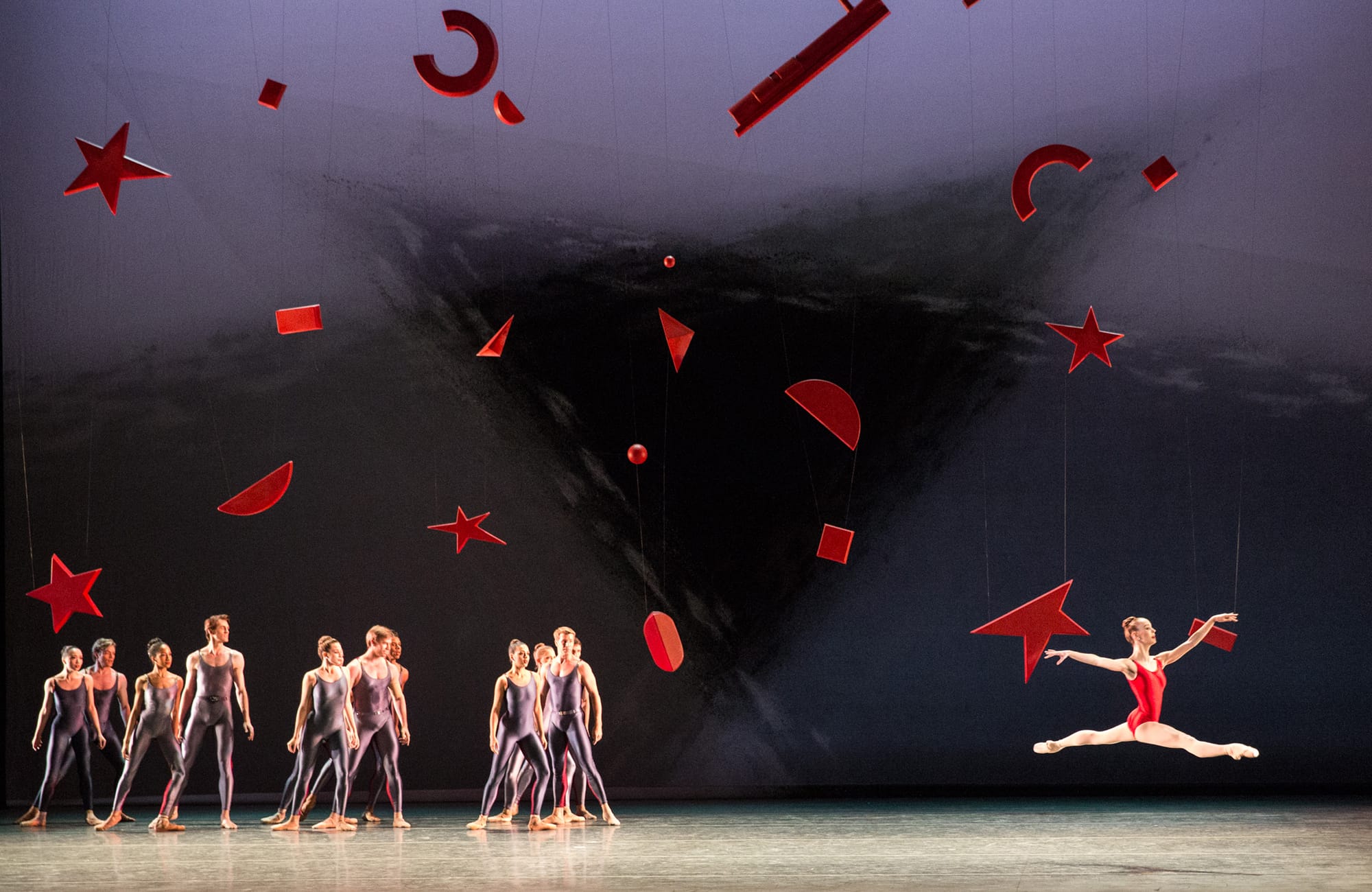
Alexei Ratmansky's "Piano Concerto #1" could probably use a key, for clearly it means something specific to the choreographer, but too much explanation might destroy the varying emotions the piece can evoke. The fractured Communist symbols on the background, with the exploded hammer and sickle, ground the work emotionally, and the corps' two-colored leotards, grey on the front and red on the back, help shift the mood from dark to light as they turn in the dense, complex patterns. Gillian Murphy with Calvin Royal III and Skylar Brandt with Gabe Stone Shayer were the two main couples. By accident or design, Murphy/Royal looked like older versions of Brandt/Shayer, and the middle section, an island of peace in the maelstrom, where the two couples observed each other, dancing sometimes in tandem and sometimes separately, seemed to conflate present, past, and future, as the audience in the present watched the dancers looking at their younger and older selves, and not necessarily seeing pleasant things. It was an eerie, spine-tingling moment. The backdrop, with its ominous symbols, was raised up during the final moments, signifying, perhaps, a new dawn, but it was a new world without sentimentality, still haunted by the past.
The dancers, with the exception of Murphy, were corps members, and all danced with a zinging confidence. Royal and Shayer, especially, looked like they were claiming their kingdom, not by conquering anyone, but simply by divine right.
copyright © 2013 by Mary Cargill



