Fairy Tales Can Come True
"Cinderella"
American Ballet Theatre
Metropolitan Opera House
New York, NY
June 29, 2015
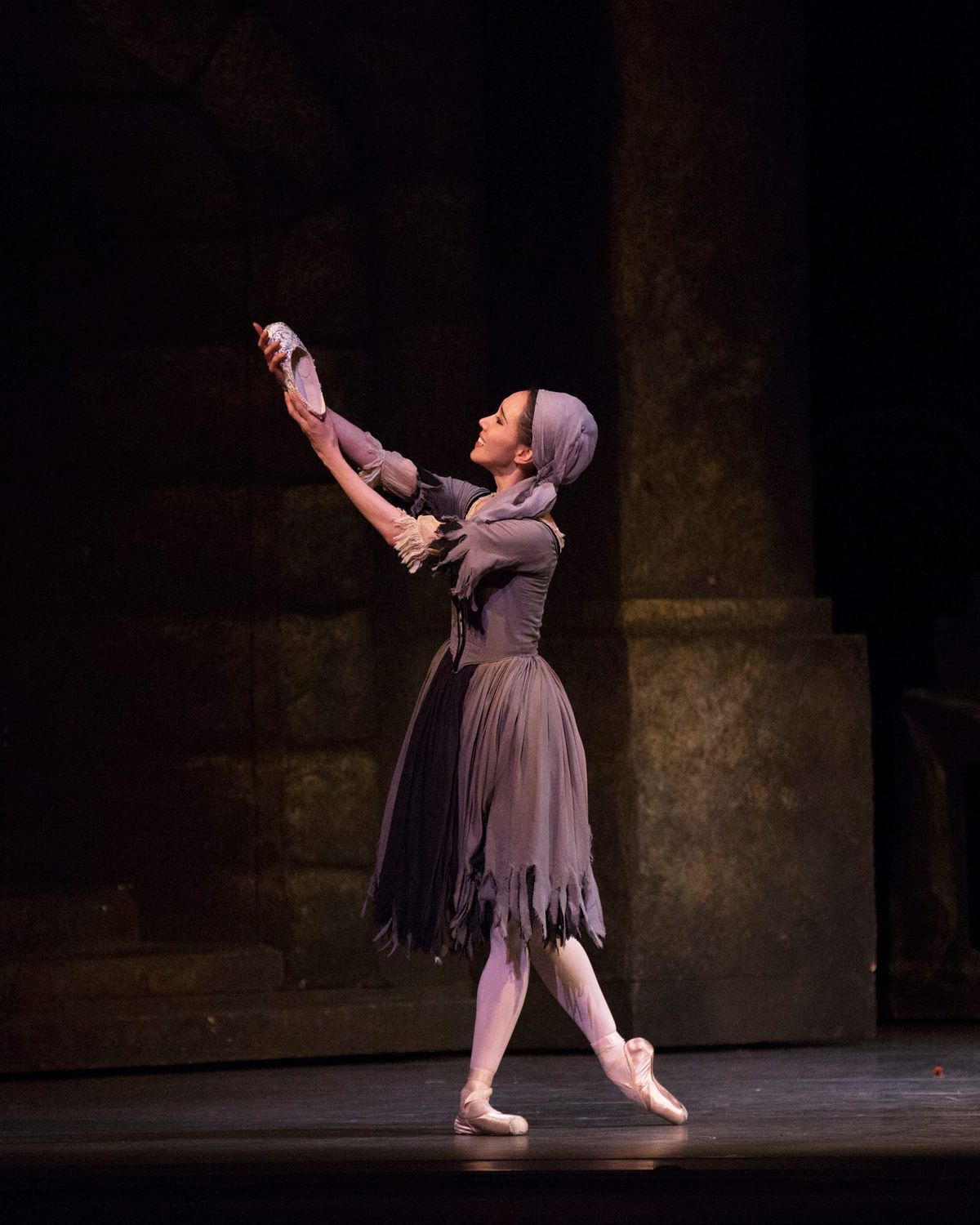
ABT's final week is devoted to Sir Frederick Ashton's "Cinderella", a glorious combination of lyricism, virtuosity and comedy, both high and low. Cory Stearns was the opening night Prince; he had been scheduled last year but was injured so this was his New York debut. Even though, like his cousin in "The Sleeping Beauty", he Prince doesn't arrive until Act II, he dominated the evening with his combination of lush dancing (those rich pliés!) and emotional involvement. He was gracious and polite (even to the Step-sisters) at the beginning of the ball, but clearly isolated from the general hubbub. Once Cinderella appeared, he never took his eyes off her and seemed genuinely thrilled to share the stage with her. Many of Ashton's emotional highlights come as the dancers are still, with the music soaring around them, and the final Act II tableaux in the back holding the shoe as if it were a lifeline was one of the most moving images I have seen. The combination of classical purity and emotional generosity made his performance glow. Ashton's Prince is anonymous, but apparently his name is Cory.
Hee Seo was his Cinderella. Her beautiful feet and restrained lyricism suit the choreography, though the quick and musical little backbends in her ballroom solo were a bit abbreviated. She also missed some of the pathos and desperation of her Act I character. The dance with the broom shouldn't be a pleasant exercise, as poor Cinders breaks down in frustration and longing; "You are just a broom and I am so lonely" some have seemed to cry. But Seo's gentleness served her well in the last act and she was radiantly touching as she forgave those Step-Sisters.
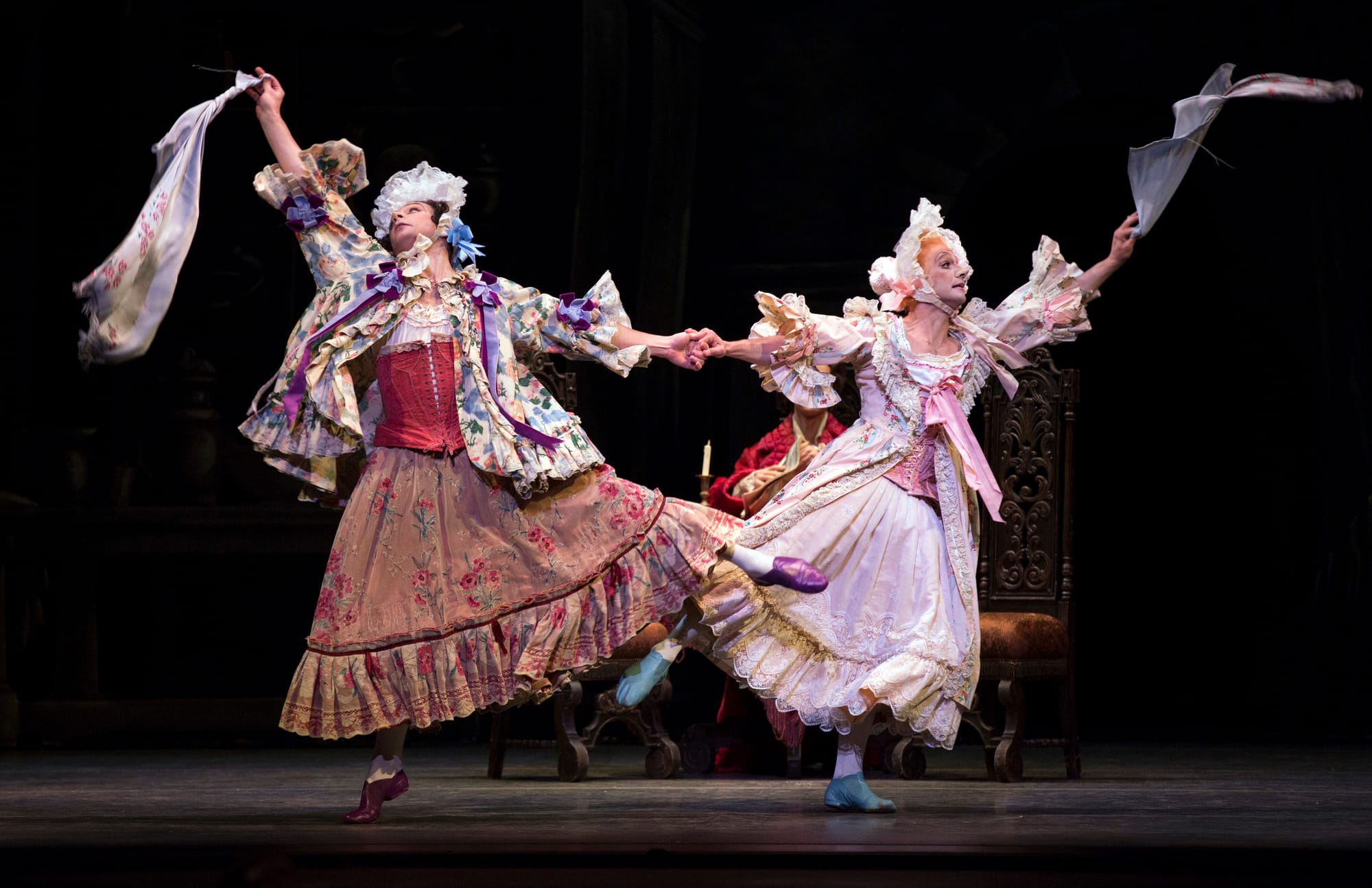
Craig Salstein and Roman Zhurbin were the ones pardoned. Zhurbin underplayed the bossy sister, to great effect. I especially enjoyed his brief moment of doubt when seeing Cinderella at the ball, and then just dismissing the awful possibility with a toss of his head. Salstein was especially musical in his opening dance, luxuriating in the mincing, prissy steps. He wasn't able, though, to show the underlying, self-deluded pathos of the shy sister, playing her for broad laughs and looking at the audience with an "I'm such a silly-billy" wink. His get-up, with overly mascaraed eyes and balding reddish hair didn't help, and he looked like a superannuated Lucile Ball, complete with open-mouthed double-takes. Salstein is usually a subtle and distinguished mime and, considering the current vulgarity of the sisters' two suitors, I expect this is the way the sisters were coached. When Ashton danced her, she was another of the choreographer's vain, deluded and richly human characters (such as Bottom and Alain). The audience should laugh, but the laughs have a rueful tinge, as we recognize ourselves.
The Fairy Godmother is not deluded; she, like her sister Lilac, is the embodiment of goodness and generosity. Veronika Part, the opening night Godmother, had trouble with Ashton's quick changes of direction and the thrilling horizontal gallop with the dives into arabesque penché remained resolutely vertical. But no one can open her arms and exude warmth and graciousness the way she does and her silhouette against that starry sky more than compensated for any stiffness.
There was no stiffness in Skylar Brandt (Fairy Spring) or Christine Shevchenko (Fairy Summer). Brandt, with her alert, vibrant dancing, seemed to charge the air around her and her quicksilver flicks seemed to be blown by the wind. Sevchenko's lush upper body luxuriated in the soft twists of Ashton's choreography. There was nothing soft about Arron Scott's jester, he just flew through the apparently infinite variety of jumps Ashton devised. He was an open-faced, cheerful Jester (without Alexander Grant's long, pensive face, the role has lost its ambiguity) but seemed to be dancing for the court, not the audience.
Fine though all the solos are, one of the main glories of the ballet is the complex, multi-layered corps work, and the ABT dancers looked engaged and happy. The twelve stars dove into their patterns--how subtly Ashton uses the music to create a mini-vision scene in the ballroom, with Cinderella flitting through the corps, their arms in inverted "V's", so expressive of Prokofiev's spiky music. It really is a fairy tale come true to see those dancers used so well.
copyright © 2015 by Mary Cargill



