Doomed Innocence
“Romeo and Juliet”
American Ballet Theatre
The Metropolitan Opera House
New York, NY
June 18, 2015
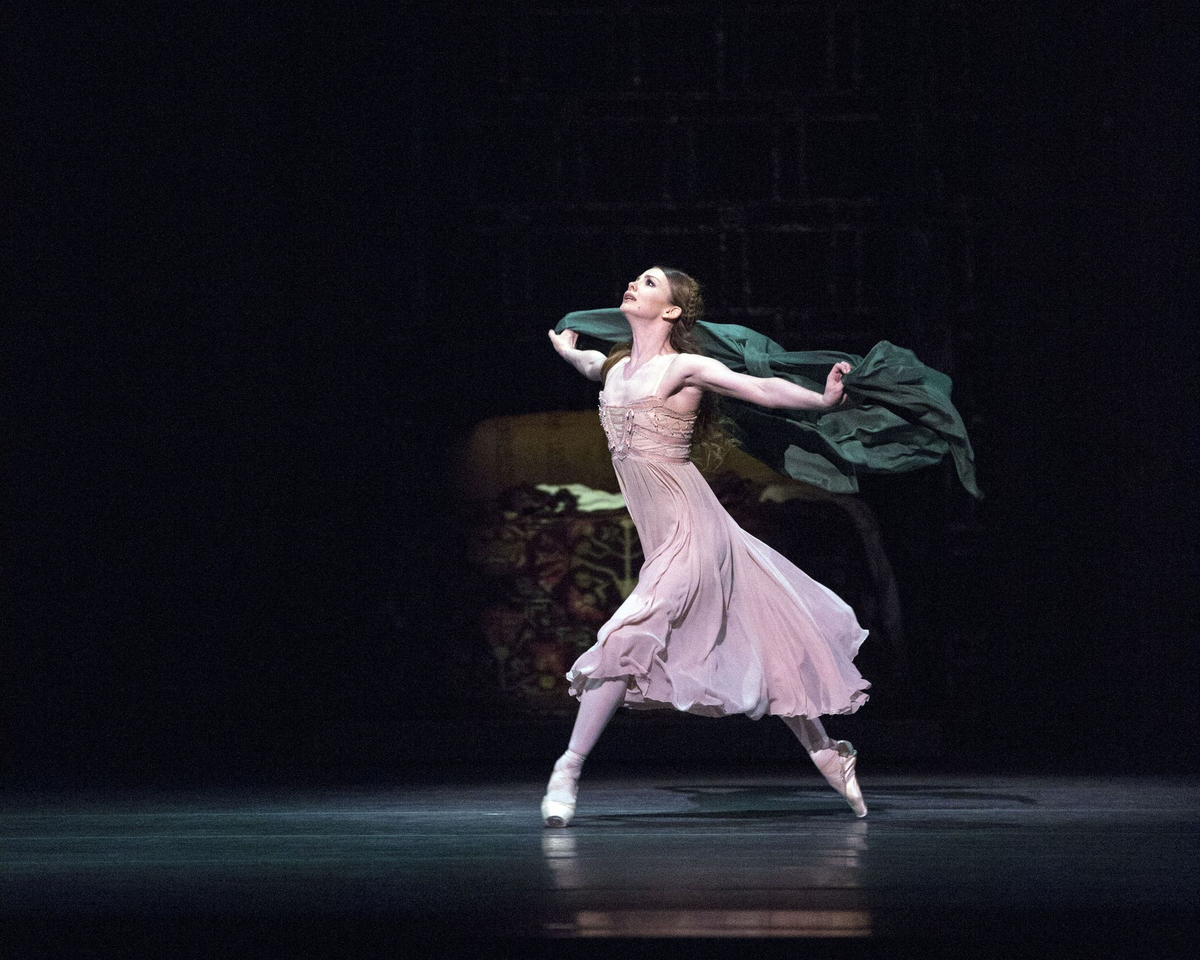
It was a long time coming, but Russian ballerina Evgenia Obraztsova, and her signature role of Juliet, finally made it to New York. The Kenneth MacMillan version of the ballet that ABT puts on season after season may not be the best vehicle for Obraztsova’s iteration of Shakespeare’s famous heroine, but the trademark innocence with which she dances the role nonetheless shone through, and blended elegantly with the assured romantic style of Herman Cornejo as her Romeo.
Juliet was Obraztsova’s first principal role upon graduation from the Vaganova Ballet Academy in St. Petersburg, and in that debut of it with the Mariinsky Ballet in 2003 she firmly placed herself on the map as a Russian ballerina to watch. Since then, Obraztsova attained star status, switched companies, joining the Bolshoi in 2012, and has been dancing extensively throughout the world, but her Juliet nonetheless seems to remain the crown jewel of her repertory, and an important incarnation of the role around the world today.
The calling card of her interpretation that makes it so special are the purity and innocence with which she is able to deliver her portrayal, and this quality manifested itself almost immediately in the ABT performance. From her first appearance where she virtually floated around her nurse by appearing light as a feather with not a care weighing her down, all made even more believably thanks to her effortlessly impeccable technique, to her first slow walk with Grant DeLong’s regal-looking Paris, where you could almost hear her heart racing from the encounter, Obraztsova’s heroine was all innocence, and a creature wholly unfamiliar with the harsh realities of life that existed around her.
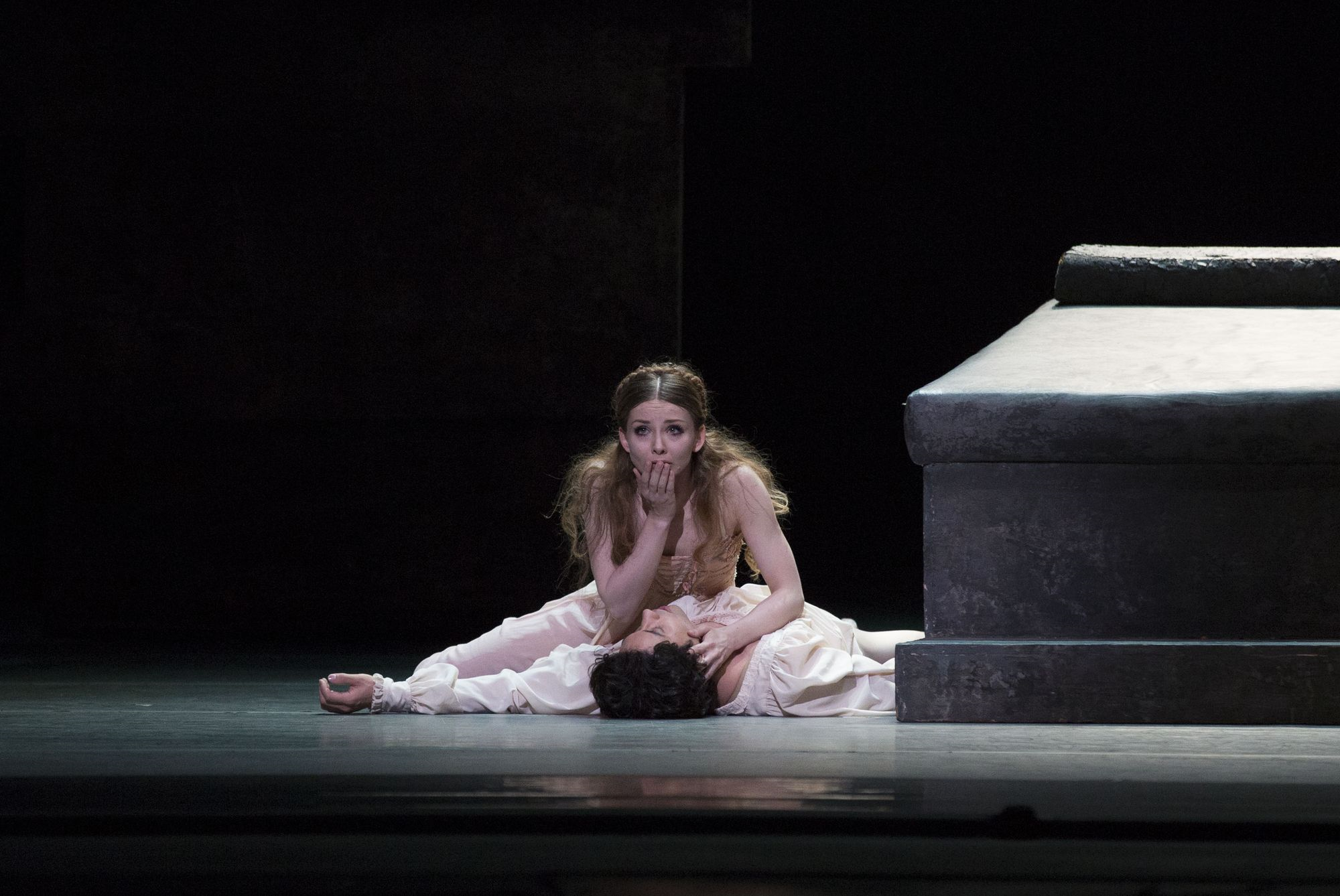
As the story progressed her composition may have been tested, but she retained the signature purity despite the story’s assaults on it till the ballet’s end, and consistently remained the yang to the rest of the ballet’s yin. The first of many instances where such variance appeared most acutely was the ballroom scene, where the inflated dignity of the Pillow Dance and the rest of the formalities were starkly contrasted by Obraztsova’s excitement and nervousness in the face of this new to her glamour and ceremony. Upon arriving at the ball she stood wide-eyed and exhilarated, smiling with her head up at the center of the stage; later, she shyly moved away from the formal greeting of a kiss on her hand. And this approach worked well for her all through the balcony scene, where Cornejo sought to match her innocence, and despite a slightly more assured presence contributed to a uniquely light duet of pure romance.
What remained missing from Obraztsova’s performance was burning passion and a rebellious streak, which to me is essential for a good delivery of MacMillan’s ballet, particularly in Act 3. Here, the bedroom pas de deux remained light and sweet, and Obraztsova’s elegant pleading with Cornejo’s Romeo to stay despite morning’s dawn was better suited to the Leonid Lavrovsky version of the ballet that launched her career. The same timidity appeared throughout the act, and Obraztsova showed little assurance and resolve in deciding to seek the Friar’s help, where she moved through the stage almost absent mindedly, and then showed little resistance in her bedroom duet with Paris. Surely importing tried and true styles into new choreography is hardly something you could blame a ballerina for, but Obraztsova is not new to the MacMillan version, having danced it with the Royal Ballet as a guest artist before, and it would have been interesting to see her experiment and try something different this time around.
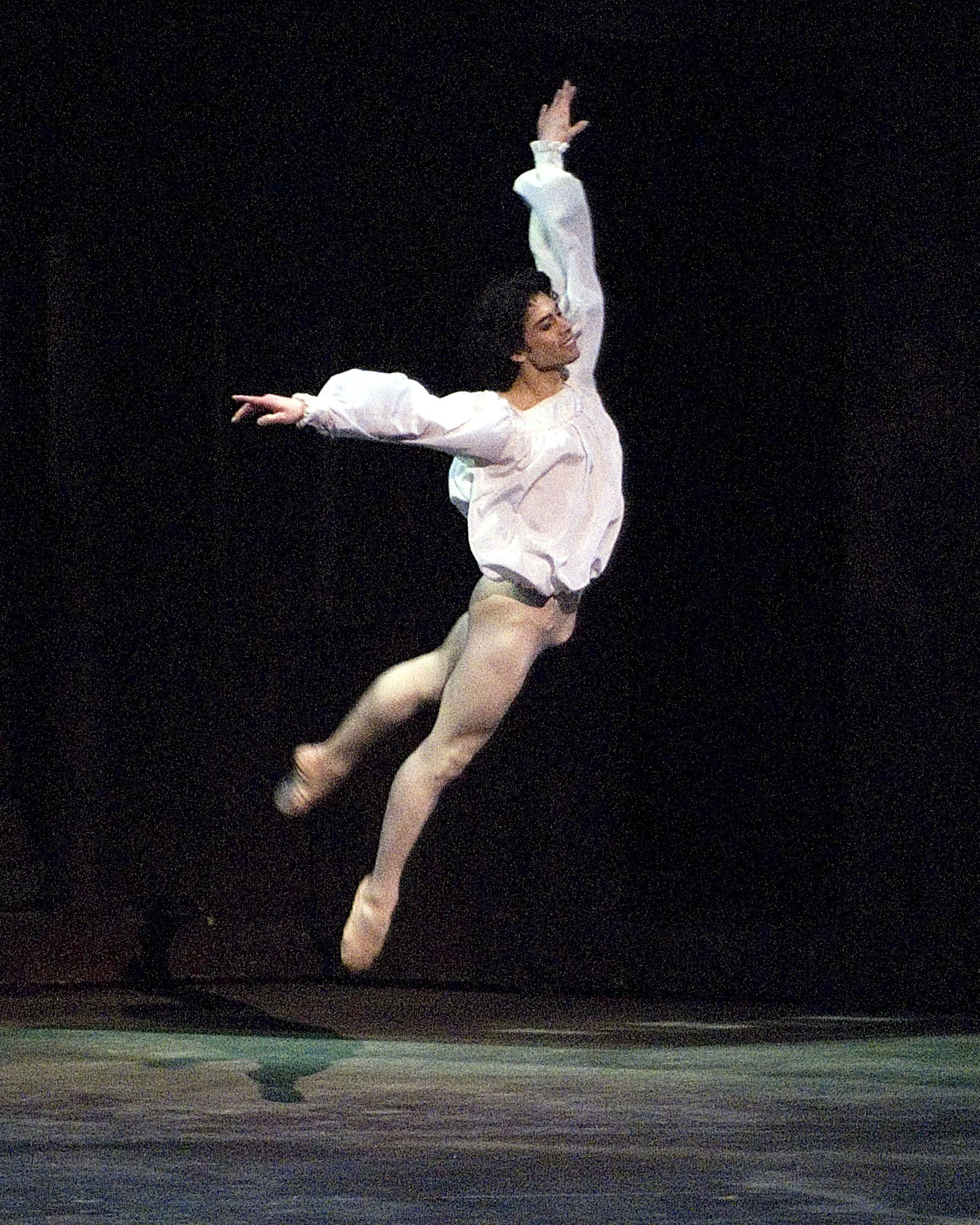
As a seasoned artist and Romeo, Cornejo wisely adjusted his style to blend with Obraztsova’s, tempering his portrayal and making his role less fiery than it could have been. While he came off as the more self-assured half of the leading couple, he nonetheless remained youthful and docile. This toned down passion likely caused Cornejo to tone down some of his virtuosity as well, with his jumps, particularly in the balcony pas de deux, possessing less explosive and more lingering quality – air seemed something he sought to be part of, rather than take on and cut through with passion and force.
In other scenes, particularly next to Daniil Simkin’s Mercutio and Joseph Gorak’s Benvolio, the more elegant approach worked slightly against him and made him a less noticeable part of the trio. Gorak’s stately presence was a quick spotlight stealer, and Simkin wasted no time grabbing the audience’s attention with bravura and natural ability to really have fun with his role. So engaged was he, in fact, that sometimes he even got a little too carried away, blocking the hits in some of the sword fighting scene before a blow against him was even initiated, and making the renversés in the Mandolin dance look too rushed and twisted. It was nonetheless great fun, and its own contrast to the sweet main couple and the tragic way in which their innocent lives fell apart.
copyright ©2015 by Marianne Adams



