Doll Face
"Coppélia"
New York City Ballet
David H. Koch Theater
Lincoln Center
New York, New York
September 29, 2024
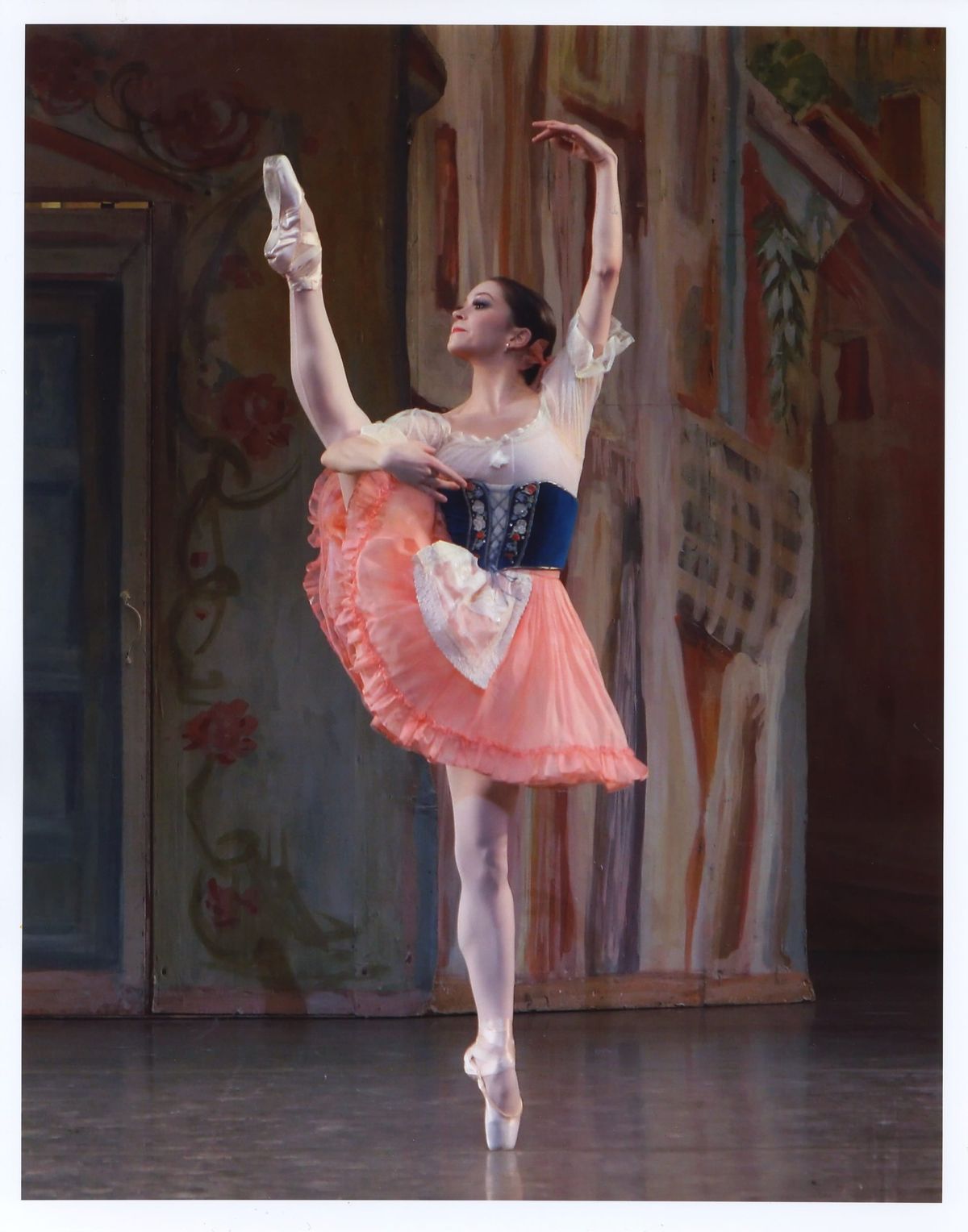
About twenty years ago I saw Megan Fairchild, then a new member of the corps, dance one of Swanilda’s friends. She was completely absorbed in the ballet, eyes wide, listening carefully to the wheat ear, watching Swanilda’s reaction, and sharing in her disappointment. “There’s our new Swanilda” my seat mate said to me, and indeed soon after that she danced “Coppélia's" spunky heroine in Saratoga as a last minute substitute, and later, in 2004, only nineteen, made her New York debut as the mischievous heroine. At the time I wrote that Fairchild “grabs the audience by focusing her attention on her surroundings. She creates a fourth wall which she never breaks, but it is so transparent the audience is brought into the action. The mime was not rushed or performed by rote; she was not just waving her arms when the music told her to, she was using her whole body to communicate with her fellow dancers, and by extension, the audience.” This is still true; her performance was lively and vivid and her dancing by turns spunky and expansive.
Fulfilling as abstract ballets are, there is something exhilarating about watching characters develop and change through a full length work. New York City Ballet dances few full length ballets, except, of course, the “Nutcracker's” Christmas run and “A Midsummer Night’s Dream”, though these ballets are essentially one act of the story and one act of pure dancing which is only tangentially related to the first act drama. "Coppélia" follows the old nineteenth century conventions and Act II, set by Alexandra Danilova and based on her memories of the old Ballet Russe version, which was in turn based on the 1884 Petipa version of Arthur Saint-Leon's ballet, remains one of ballet’s most perfect acts, a seamless combination of comedy, drama, and virtuosity. It is storytelling in dance at its absolute peak. “Coppelia’s” serene and lyrical final pas de deux is all the more moving for having watched the couple maneuver through the earlier shenanigans.
Fairchild’s sailed through the dancing with a carefree nonchalance, making the fast, elegant footwork and turns look easy. She moved with a delicate expansiveness and a confident but not indulgent musicality, letting that gorgeous music (Delibes’ music is one of the most melodically danceable ballet scores ever written) propel her. Her Act II was sparkling, lighthearted and thoughtless, without cruelty. She seemed to be making things up as she went along and gave the act a vital freshness.
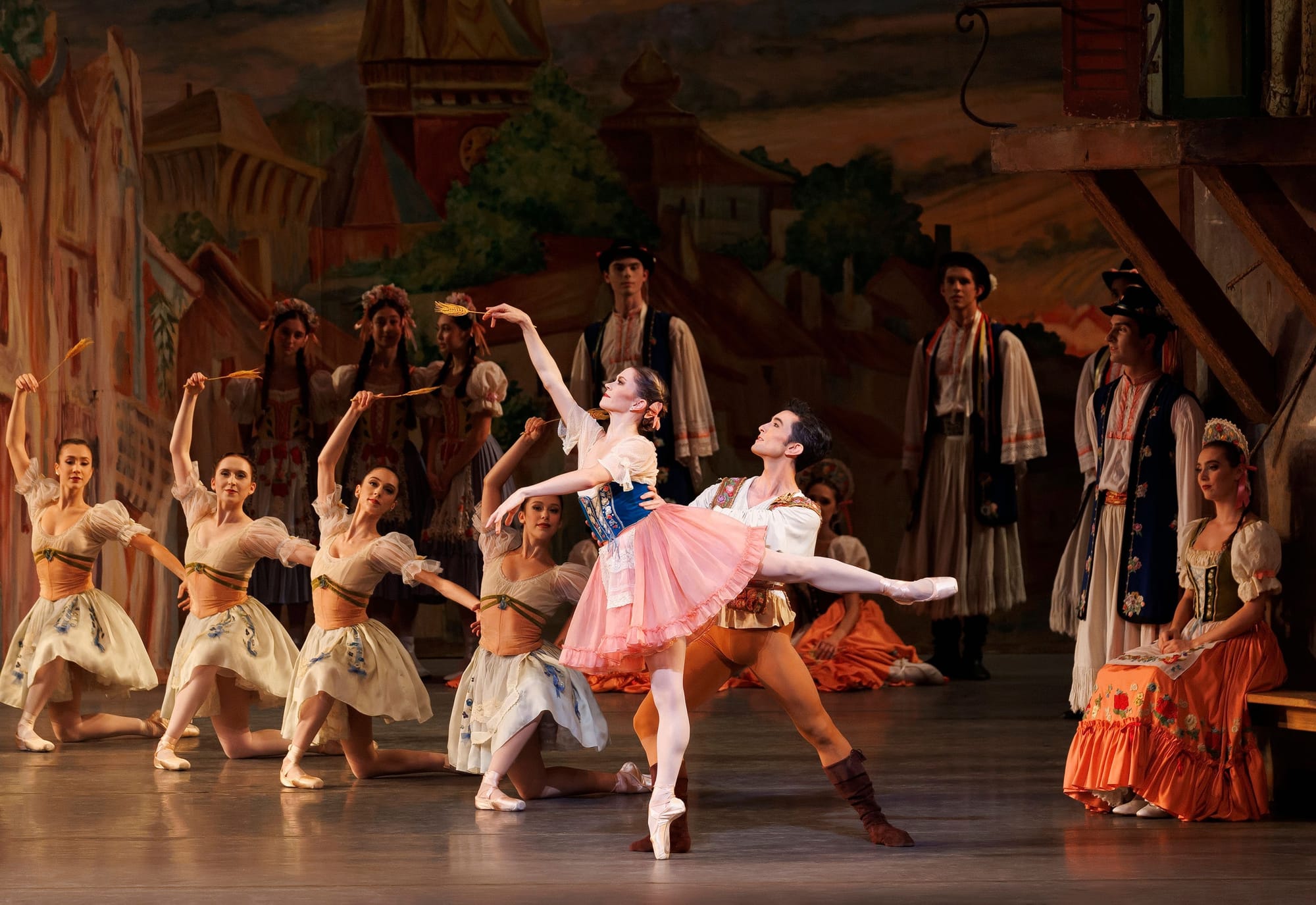
Anthony Huxley danced Franz; he is a light and airy dancer, and the rather bumptious Franz is a bit of a stretch, though his opening mime, as he ruefully signaled his infatuation with both Swanilda and the inanimate doll, was very funny. The group attack on the poor Doctor has been toned down a bit, but Huxley could have been more forceful; it looked a bit like Franz was politely asking him the time. He did have some partnering issues in the third act, and some of the lifts in the adagio were careful rather than confident, though the final one handed pose was serene and lovely. Huxley’s Act III solo was fleet and elegant, with springy entrechats and thrilling turns; he looked like he barely touched the ground.
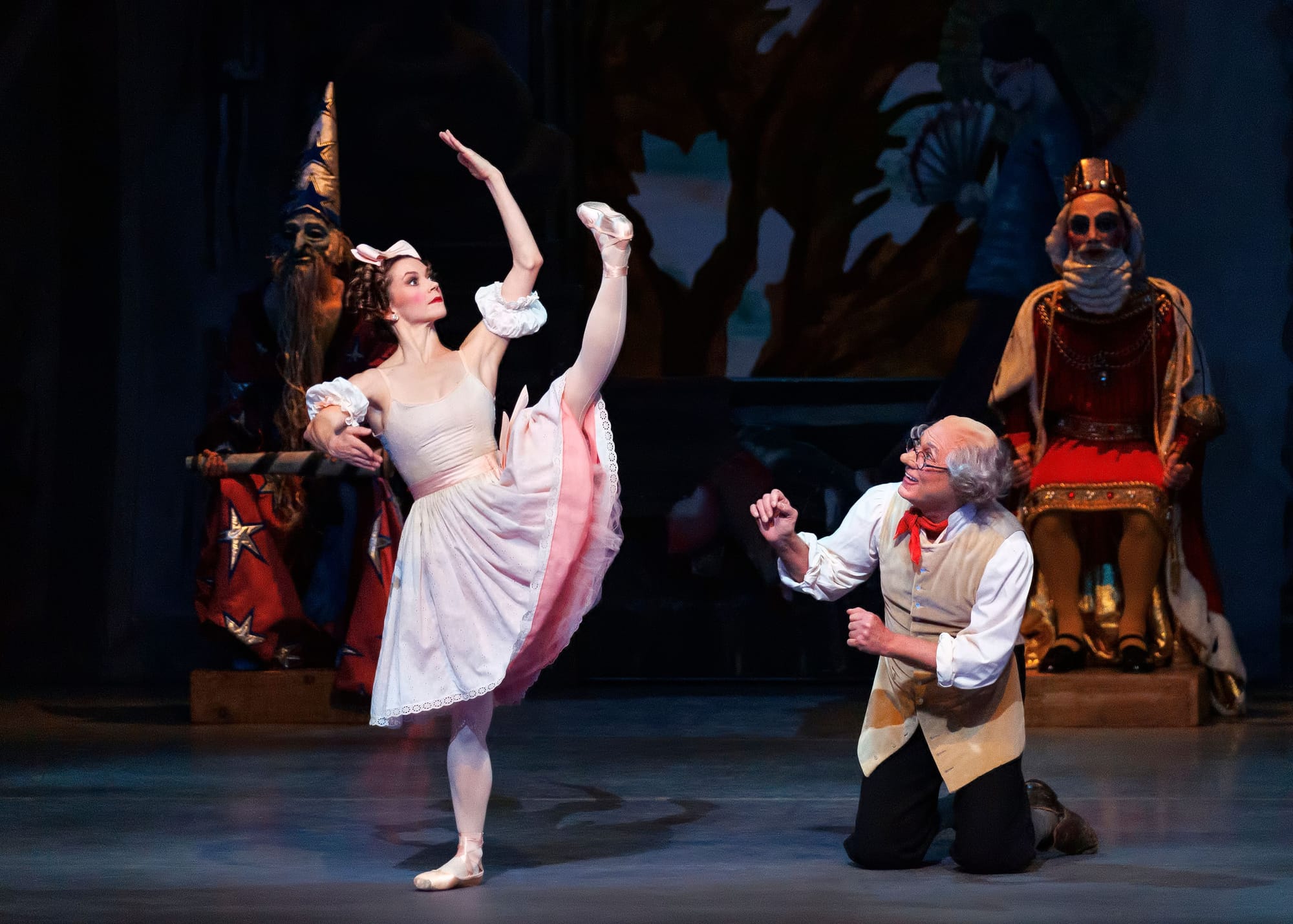
Dr. Coppélius spends a lot of time on the ground, and Robert La Fosse, making a welcome guest appearance, gave him a gentle complexity. He played him as a doddering old fussbudget, walking just so, and quite persnickety about his beloved dolls. He was deluded, rather than dangerous, worshiping his own creation, and his appalled shame when he realized that he had been aiming too high was sincerely touching. This lighter approach works well with the comedy, though the more sinister doctors are closer to the original E. T. A. Hoffmann story and I did miss the shiver of danger when Dr. Coppélius thinks he is pulling the breath out of poor Franz. And it is too bad he gets such short shrift in Act III and is just pawned off quickly with a bag of gold. Many versions have Swanilda and Franz begging his forgiveness, which shows that they too have learned a lesson and deserve all of their happiness.
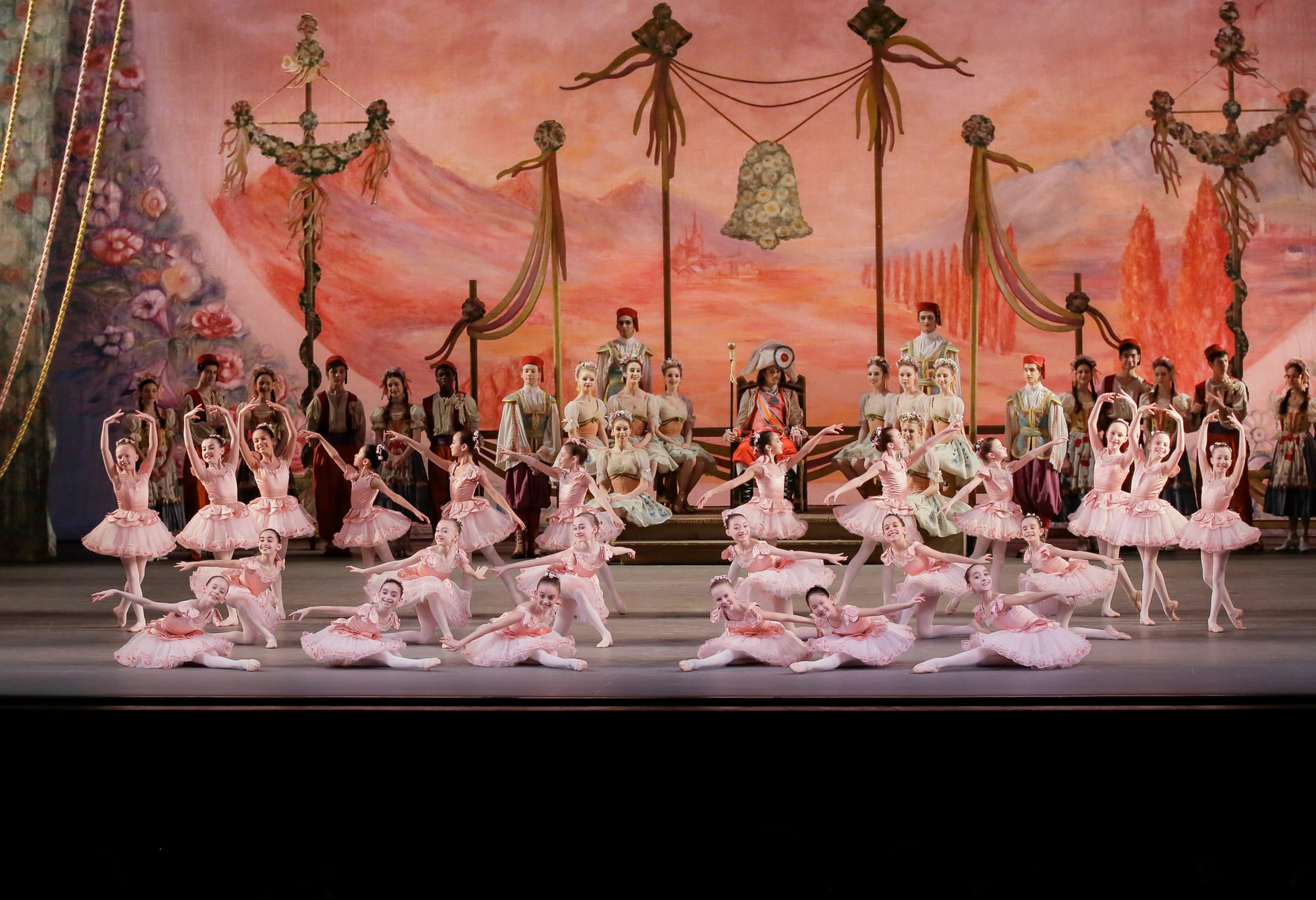
The Act III children looked extremely well rehearsed, and got their usual round of well-deserved applause. Miriam Miller, who debuted as Prayer earlier in the week, danced with a majestic authority, warmly including the children in her blessing; she has extraordinarily eloquent arms. Olivia MacKinnon, who also debuted this week, showed off elegant upper body in the Spinner’s little folk-inflected gestures, and skimmed through the fancy footwork with a sprightly authority.
© 2024 Mary Cargill



