Curating and Collaborating
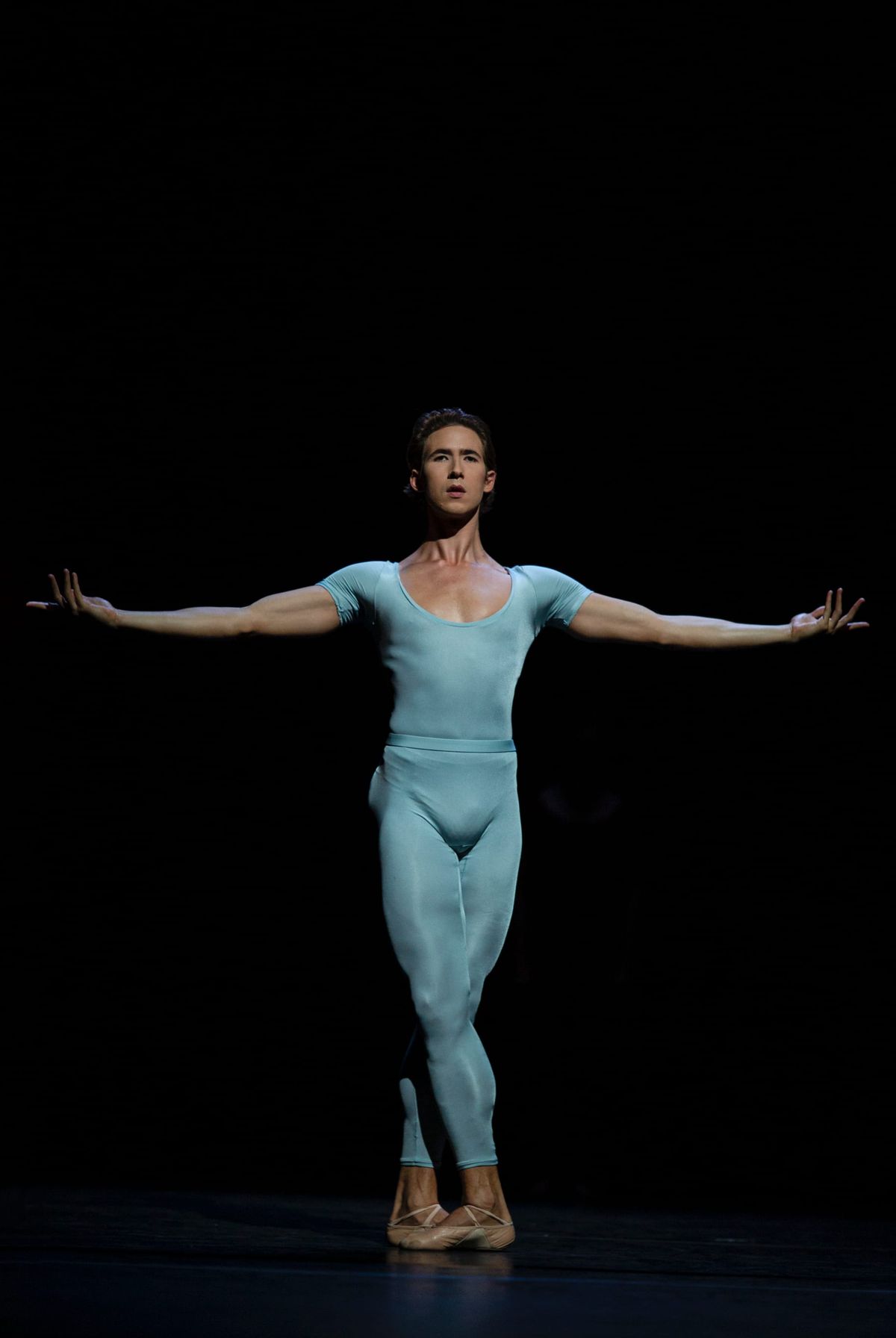
"Then and Again", "Song of a Wayfarer", "Elite Syncopations (divertissement)"
Ballet Festival Program C
The Joyce Theater
New York, NY
August 13, 2019
If The Joyce Theater's 2019 Ballet Festival is intended as a showcase of or for the Royal Ballet, this program, created by the designer – and former dancer – Jean-Marc Puissant, a frequent collaborator with Christoper Wheeldon at the Royal and in New York, seemed a strange way to show it. Members of the company did not arrive onstage until "Elite Syncopations" the final ballet of the evening and the only one actually in repertory at the Royal Ballet. Even then, they were joined by Cassandra Trenary of American Ballet Theatre. True, Gemma Bond, choreographer of "Then and Again" danced with the Royal Ballet and studied at its school, but after years at A.B.T. she seems like a local. True, Béjart's "Song of a Wayfarer'" was made for Rudolf Nureyev who found his home in the West with the company. But those links are indirect. Perhaps Trenary's presence and the program as a whole were intended to underscore the theme of collaboration, considered by the Royal's director Kevin O'Hare to be central to this edition of the festival.
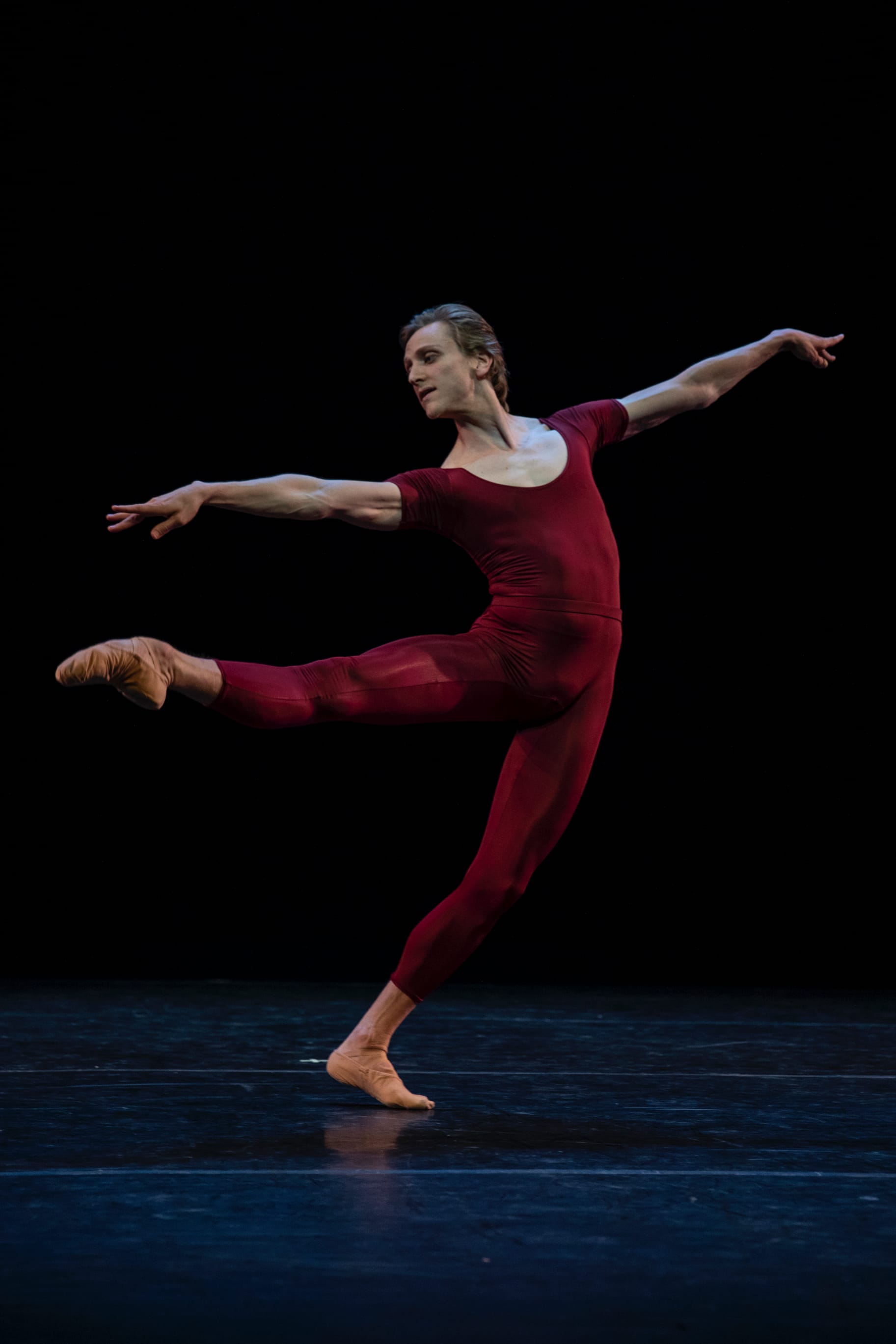
The hit of the evening, perhaps surprisingly, was "Song of a Wayfarer,: for Béjart has never been universally acclaimed here. He also seems aesthetically about as far from New York's dearly held memories of the Royal Ballet as it is possible to be. But this duet is about as far from the philosophical, bombastic, arena scale athleticism, set to scores which would seem to resist dancing, which make many Americans leery Béjart. It is, quite simply, the journey of the wayfarer of the title, making his way in and through the world until death, accompanied his destiny, here Joseph Gordon of New York City Ballet and David Hallberg of A.B.T. respectively, set to a recording of the eponymous score sung impeccable diction by Dietrich Fischer-Dieskau. Small in scale, intimate in tone, the ballet looked at home on the small stage of the Joyce.
The work is also quite subtle in its developmen, building tension and in the end upending the balance of power, between the two characters in a way that is only obvious after the fact. The destiny figure does not dance at all during the first movement and hardly at all in the second. How can you have David Hallberg on stage and not have him move? During the second half of the piece, there are moments of concord and moments of discord, like any couple. Finally, the wayfarer, beaten down and unhappy is led upstage into the darkness. Destiny -- Death in Destiny's clothing? -- has simply been biding his time, knowing that he will prevail.
Like any other choreographer, Béjart's ballets can be elevated or decimated by their performers. At its premiere in 1971, "Song of a Wayfarer" featured Paolo Bortoluzzi, the choreographer's best classicist, alongside Nureyev. David Hallberg is probably the American danseur noble of his generation. Joseph Gordon, a decade or so younger, is just making his mark in the princely roles at New York City Ballet ("Diamonds", "Theme and Variations", "Tchaikovsky Piano Concerto No. 2"). Their pristine restraint served Béjart well. Gordon's youthfulness and fresh-scrubbed demeanor, as well as his lightweight arm gestures, revealed a newly minted apprentice who dies young, and all the more poignantly for it. Hallberg was imposing, his eyes unrelentingly on Gordon like a cobra intent on its prey. Only some imprecision in unison passages betrayed that this was a debut performance. The audience cheered them both, continuing to applaud after the curtain came down, and throughout the three minute pause before the final ballet, "Elite Syncopations".
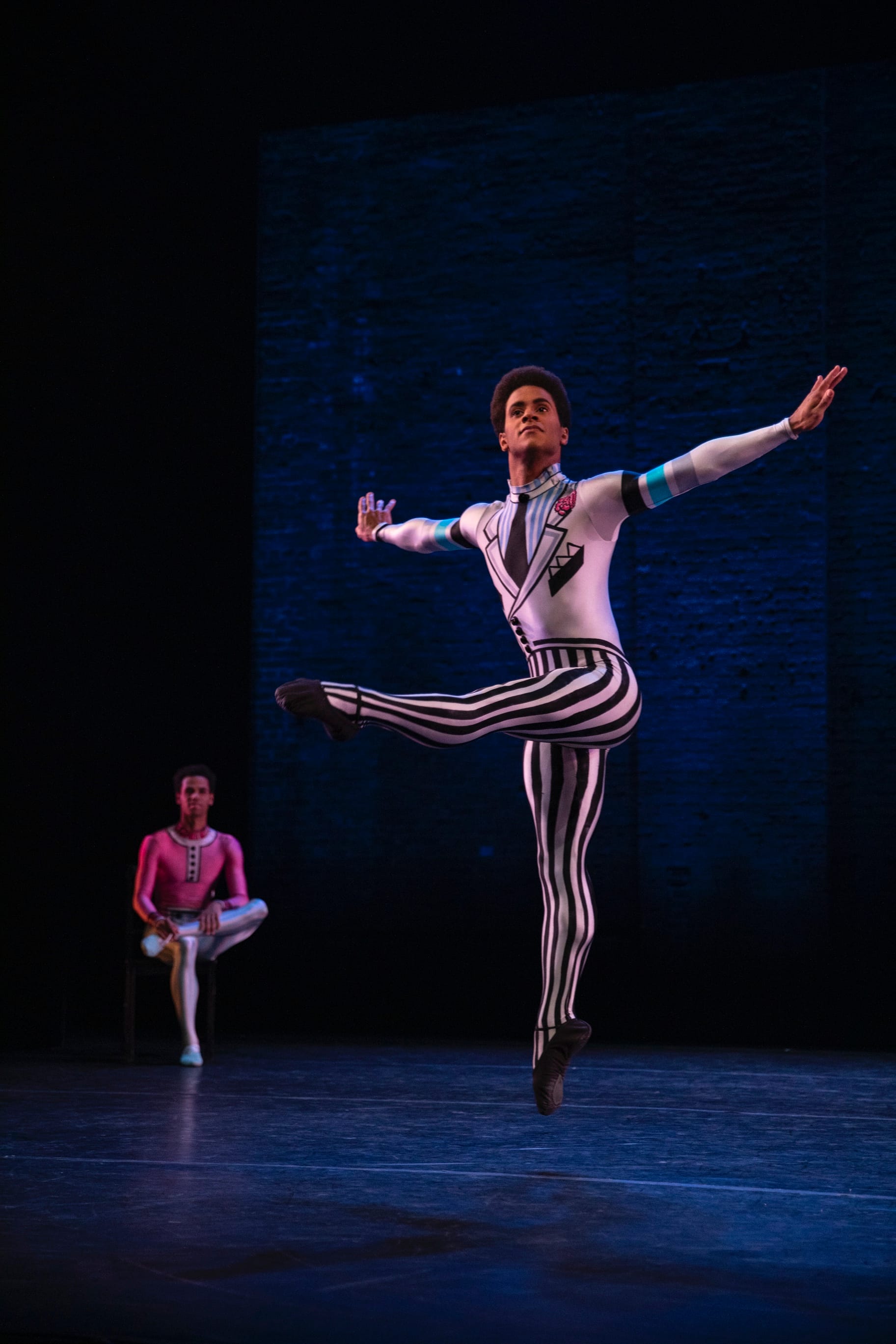
"Elite Syncopations" should have been the perfect closer. Kenneth MacMillan's suite of dances in a raglime dance hall, here abridged by half, is peppy, colorful, upbeat. At least it is with its full cast and twelve piece band on stage. Without all the hustle and bustle, there is something almost tawdry about the piece, with Ian Spurling's costumes cutting the men's bodies horizontally while the women's accentuate breasts, navel or backside. The dancers dancing are rendered almost invisible. Nonetheless, Sarah Lamb has the perfect legs for a white unitard. Marcellino Sambé delivered his solo with the right mix of bounce and insouciance. Cassandra Trenary's restraint and phrasing made her solo elegant.
The program opened with Gemma Bond's "Then and Again," previously performed at the Ballet Festival in 2017. Bond can think in phrases and make her dancers look good.Thomas Forster stood out at this performance. The costumes, shifts in red and rust for the women, sleeveless tops and tights in dark blue and gray for the men (by Ruby Canner) are attractive. Bond showed taste and style, But what was lacking is a sense of urgency. The question of why "Then and Again" needed to exist remained unanswered.
copyright © 2019 by Carol Pardo



