Consider the Lilies
“Giselle”
American Ballet Theatre
Metropolitan Opera House
New York, NY
May 27, 2015, matinee
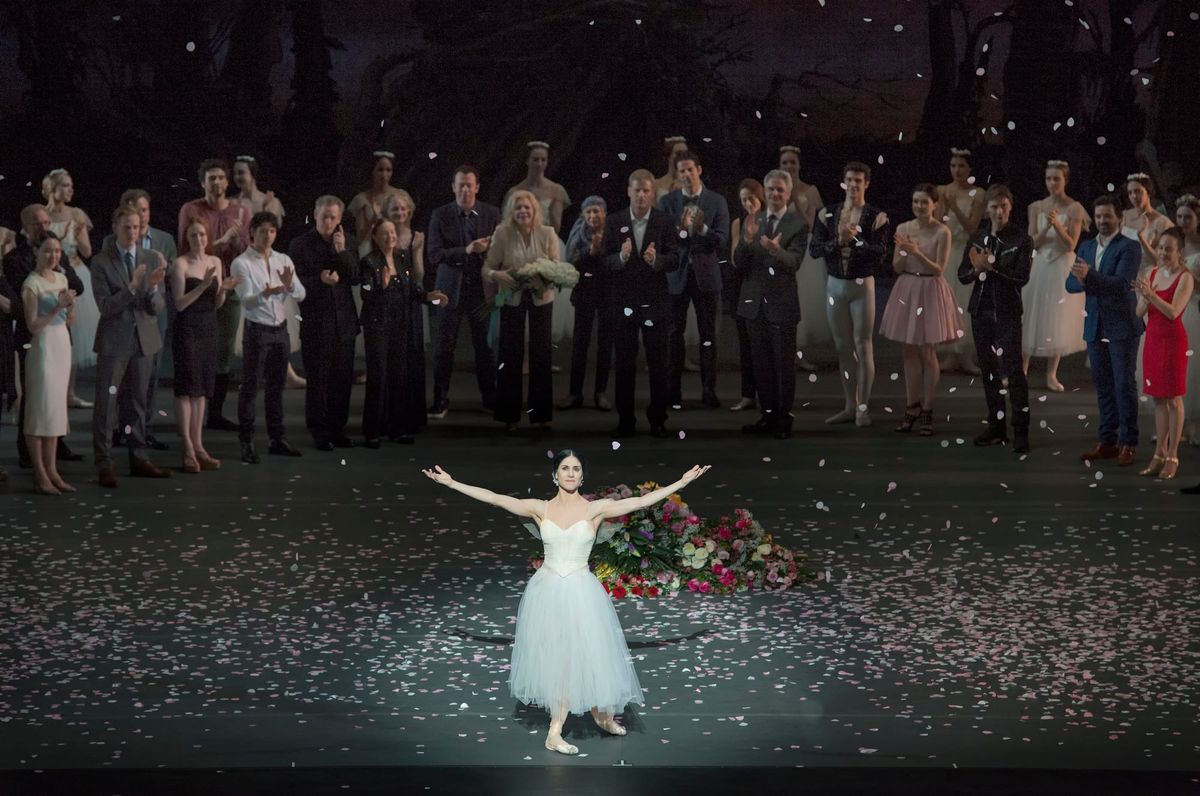
There were lots of lilies the Wednesday afternoon Paloma Herrera gave her farewell performance in "Giselle", both in the ballet and on the stage afterwards. There was a lot of toiling and spinning too, though by and large the toiling didn't show. Herrera was a gentle and youthful Giselle, looking and dancing as if she were about 22, supported generously and lovingly by Roberto Bolle. ABT's version is a sturdy production of the classic and gives the dancers many opportunities to put their own stamp on the characters. Herrera's Giselle was shy but quietly determined and not afraid to show that she was in love. I was especially taken by the way she carefully selected the prophetic daisy and cradled it to her heart for a moment, encouraging it to come out right. In her opening solo her dancing seemed to savor the little pauses, as if she wanted to stop time.
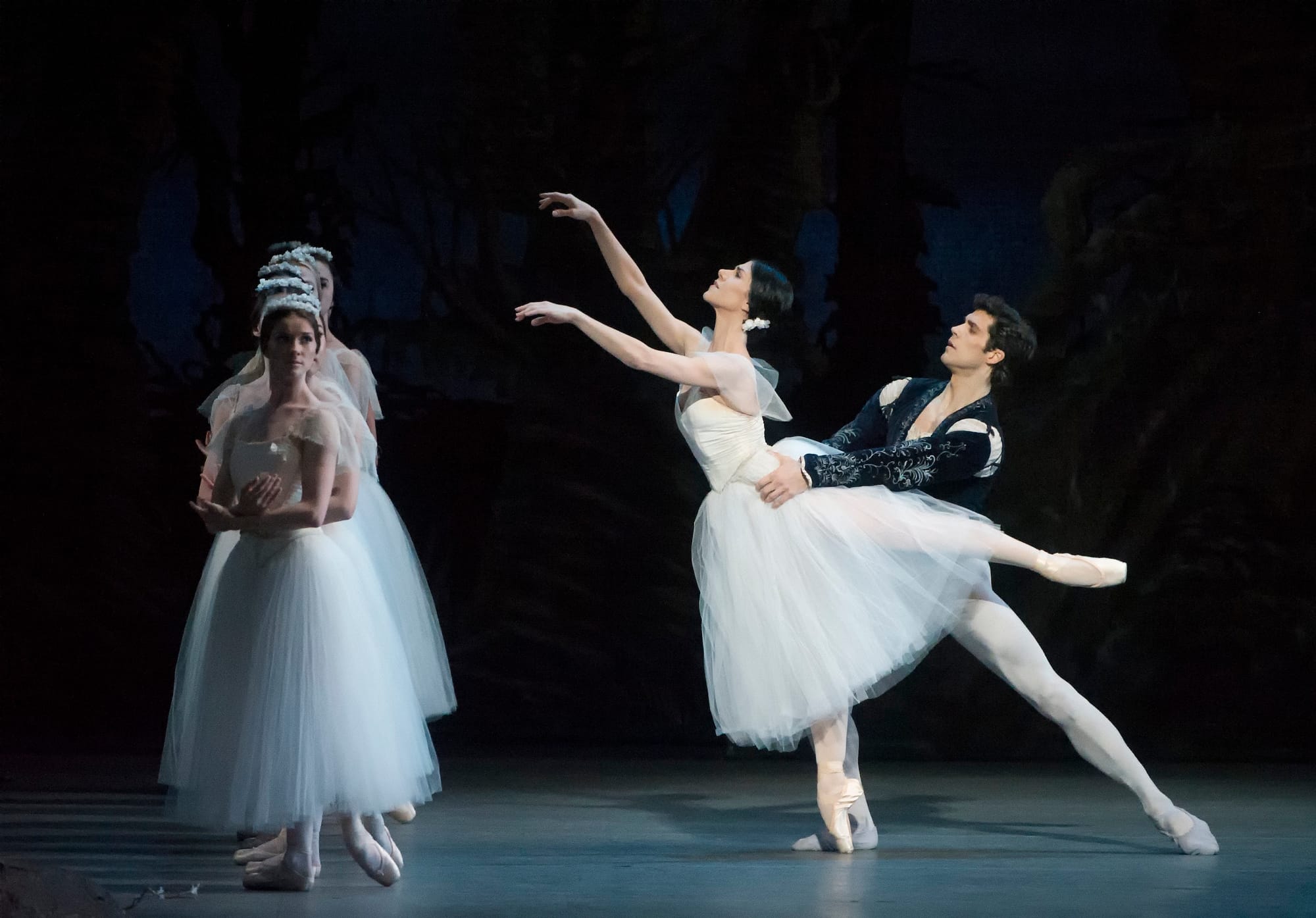
Her second act was made of heart and mist, with soft but not overly decorated arms, as she danced with a fervent determination focused on Albrecht. Bolle was a fine Albrecht, a bit smooth and callous at the beginning. He was perfectly aware that Wilfred was right but didn't care much, though he was genuinely touched by Giselle's first act devotion. He was always the aristocrat, taking it as a personal compliment that his Giselle was queen of that village, if only for a day. He did learn his lesson though, and his hesitant opening walk in Act 2 seemed to finally acknowledge that Giselle's death was really his fault.
His second act was focused completely on Herrera and his dancing was impeccable, with numerous entrechats and a pure line. His final scene was deeply felt but not overwrought as he lay on the grave almost clinging to the cross, finally getting up with that one last lily.
The supporting dancers seemed determined to make the performance special and the dancing by the hearty peasants and the mysterious wills in their soft quiet shoes was outstanding. Skylar Brandt and Arron Scott danced the peasant pas de deux. Brandt seems to be sporting slightly darker hair which helps emphasize her eyes. Her dancing has never needed extra emphasis and it was fresh, controlled and crips. Scott, always a musical dancer, used his rich plié to shape his solo. They gave a sparkling performance.
Thomas Forster made Hilarion into a sympathetic but misguided swain. He seemed both proud and happy when he found the sword, thinking "She will turn to me, now that I can show her I was right"; Forster made his fate it own mini-tragedy. Devon Teuscher's Myrta was lighter than the typical vengeful harridan, but her smooth and very quiet dancing made is seem as if she were weaving a web for the unwary men. Her mime was clear and deliberate; those wilis were absolutely under her spell.
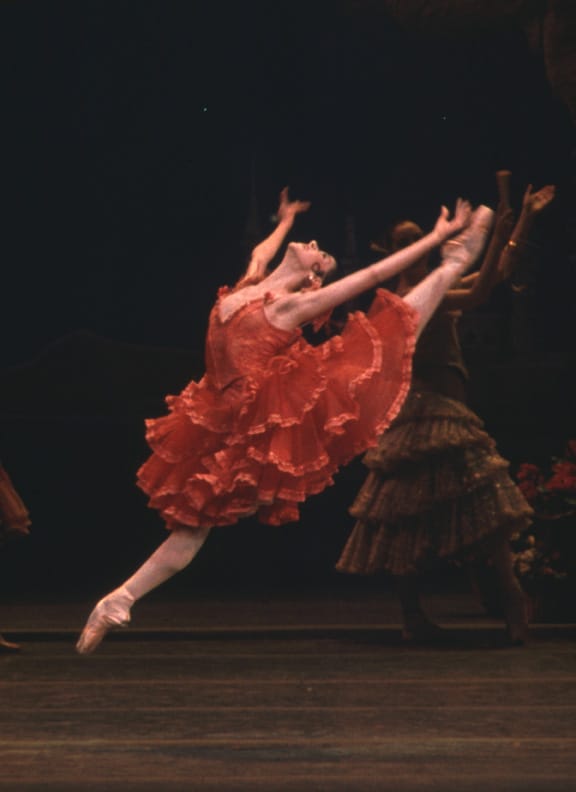
Herrera has had audiences under her spell since she joined ABT as the sixteen-year old wunderkind with the beautiful feet. But she was so much more than a technician, and brought unalloyed joy and freshness to so many roles. She made Kitri, which can turn into a jumping and turning contest, the purest champagne. I can still see a "Don Quixote" she danced with Angel Corella (who came to say goodbye to her in the curtain calls) that exploded with sunshine; it really did seem that Kitri and Basilio were going to live happily ever after even when they were too old for fouettés.
She was equally fine in modern works and her dancing in Twyla Tharp's pieces were raucously and stylishly energetic. She was, I think, definitive as "Fancy Free's" girl with the red pocket book, spunky, fun-loving and very human. She brought this youthful innocence to "Giselle", especially the moment when she tried to give Myrta the flowers, looking at her with a bewildered but confident trust of a child who has always been treated fairly and doesn't understand why she is being punished. She could have been the audience, offering lilies to Father Time and begging for one more chance to see this lovely dancer.
copyright © 2015 by Mary Cargill



