Character and Destiny
“Sleeping Beauty”
New York City Ballet
David H. Koch Theater
New York, New York
February 21, 2019
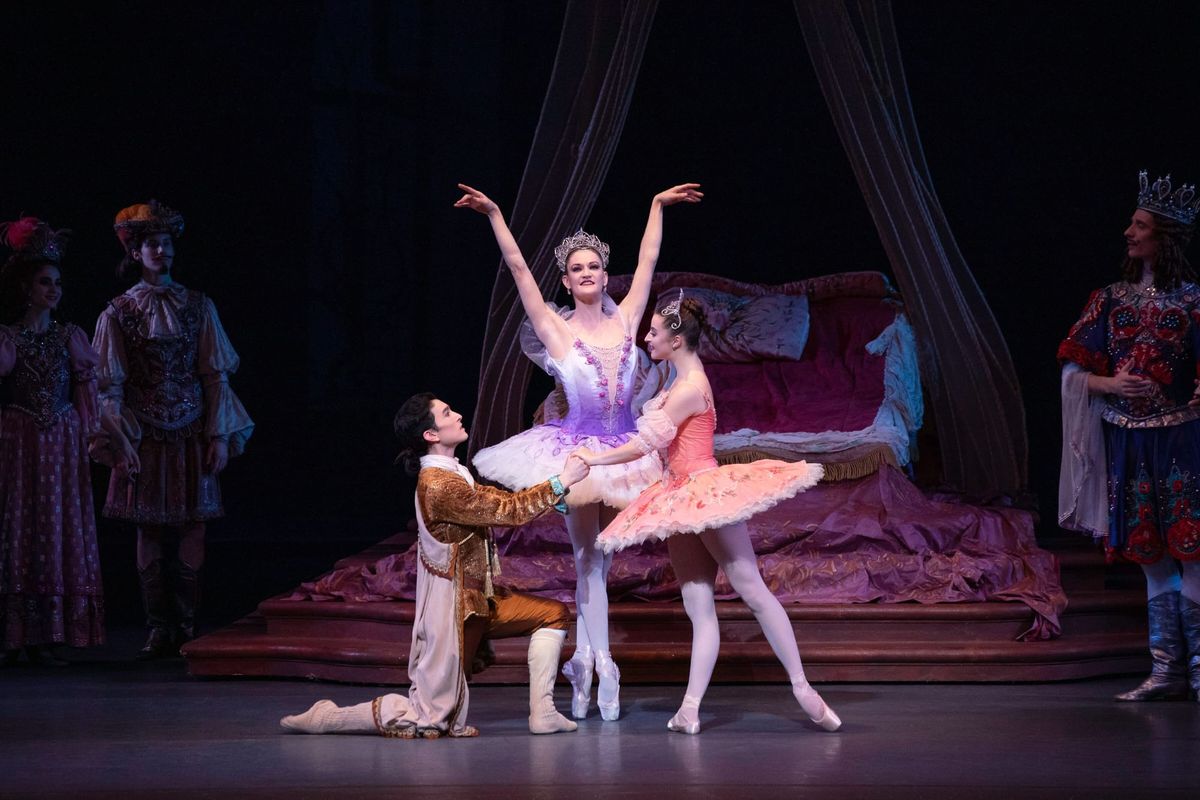
“Sleeping Beauty” is many things to a ballet lover. One of Tchaikovsky’s greatest scores, the ballet laid the foundation for the post-World War II ballet boom when Ashton’s staging for the Royal Ballet, starring Margot Fonteyn, took the Euro-American stages by storm with its Rose Adagio and famous balances. But first and foremost, the debut of young Indiana Woodward as Princess Aurora on Thursday night at New York City Ballet, opposite Anthony Huxley as Prince Désiré, reminded us that “Beauty” is still an absorbing drama. It’s a rare performance that shows you this, but the young dancers’ knack for stringing the ballet’s iconic moments together with a dramatic line brought it to life.
Woodward, who joined NYCB in 2012 and became a soloist five years later, has long been a thrilling performer to watch in grand allegro roles like the Third Movement of “Symphony in C.” But “Beauty” was only her second time leading an evening length ballet. Unexpectedly she used a radiant and soft presence to master the ballet and put the dance chops in service to her characterization. If the Rose Adagio had some tension at the start, she had the uncanny instinct to make the nerves those of the princess, her character, so the scene read as a progressive relaxation during her debut at court. The dancer making a debut on the big stage and the princess coming out at her court merged.
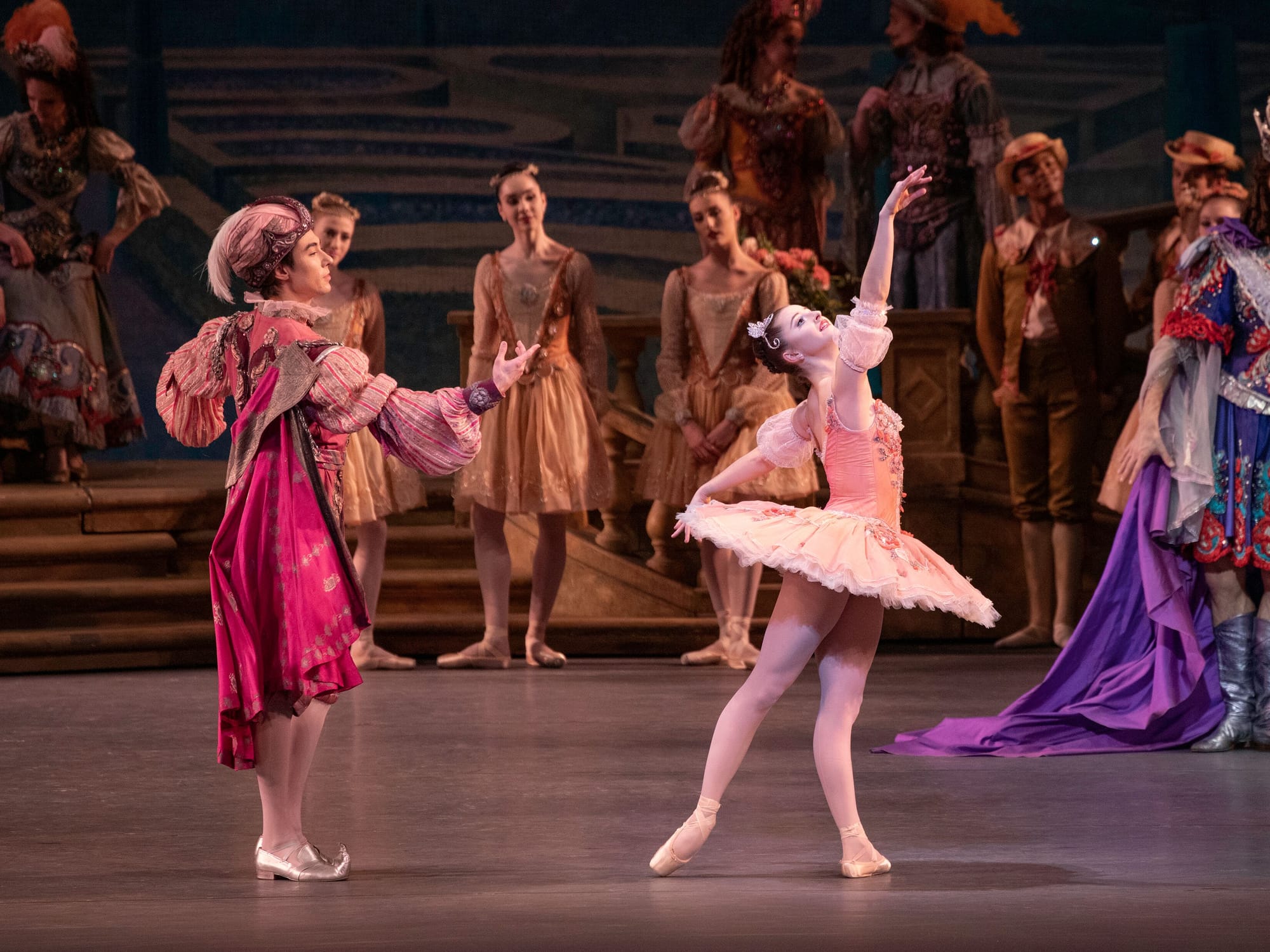
The vision scene then elevated to romantic poetry as she abstracted her character from everyday life. The wraith of the sleeping princess seemed animated by the desire to be awoken, until the stunning third act became a full blossoming of her persona in a commanding grand pas deux.
Dance wise, Woodward is amazingly coordinated in how all of her motion comes out of her back and proceeds as it were from the inside out. While above the waist she’s even now a complete dancer, one would like to see a little more through line in the arabesque penché. The killer instincts for the stage she displayed here, the sense that she will always rise to the occasion and turn nerves into fuel for triumph, are the stuff that stars are made of.
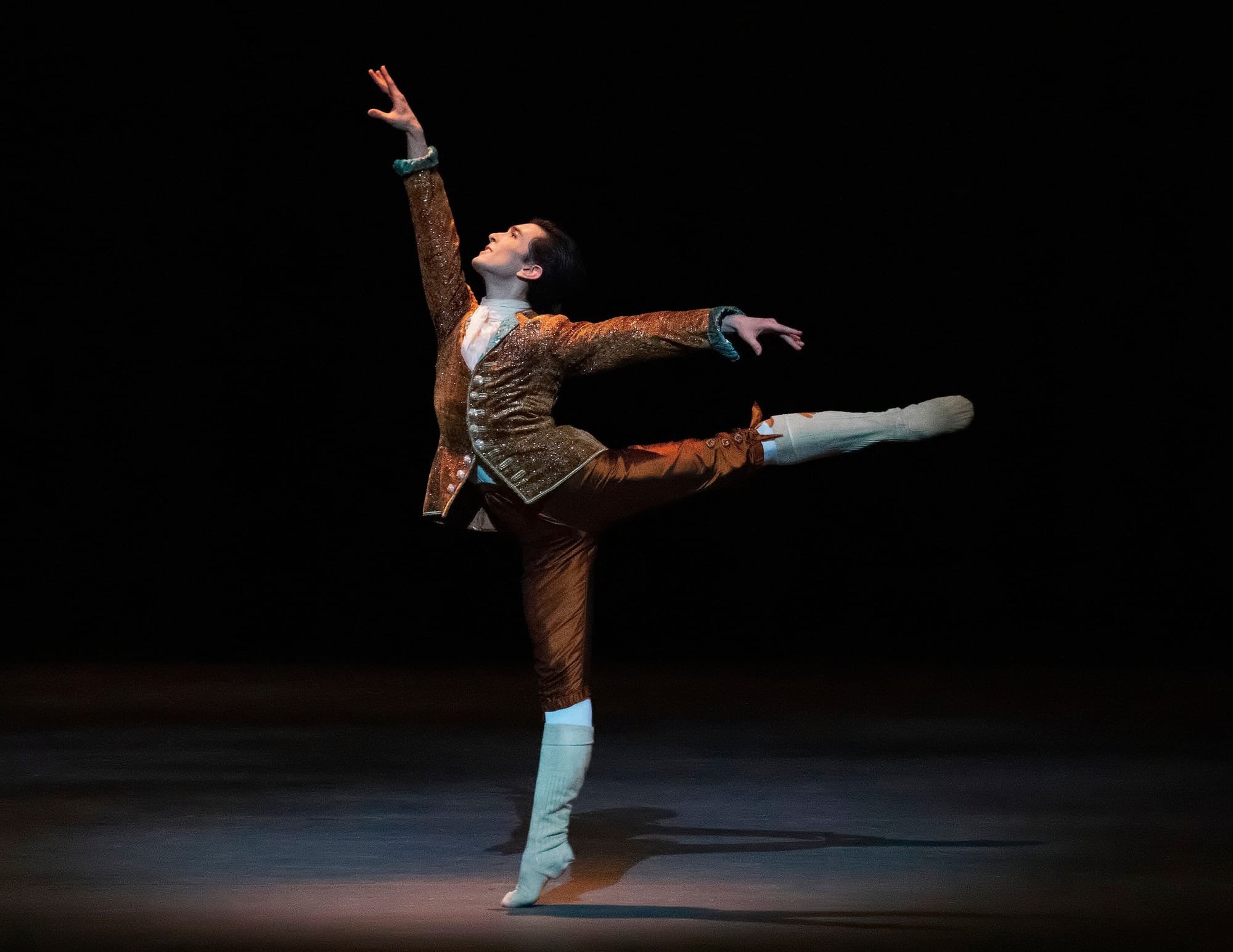
Meanwhile the thirty-year-old Anthony Huxley, as her Prince, also deserves the highest praise. Always naturally sensitive, if not introverted, on stage, he too used his default personality to inform his character in the ballet. The sensitivity became romantic sadness, the prince’s longing for true love. Relatively small to partner Woodward, Huxley nonetheless managed the physical aspects of the role with great strength, powering through the series of fish dives in the grand duet with confidence before picking her up and throwing her into the final pose. The ecstatic manège of saut de Basques at the end of the Vision scene as well as the third act solo entrance had complete authority. Huxley dances with great freedom and ballon, opening beautifully across his chest and is by far the purest classicist among the company’s principal men.
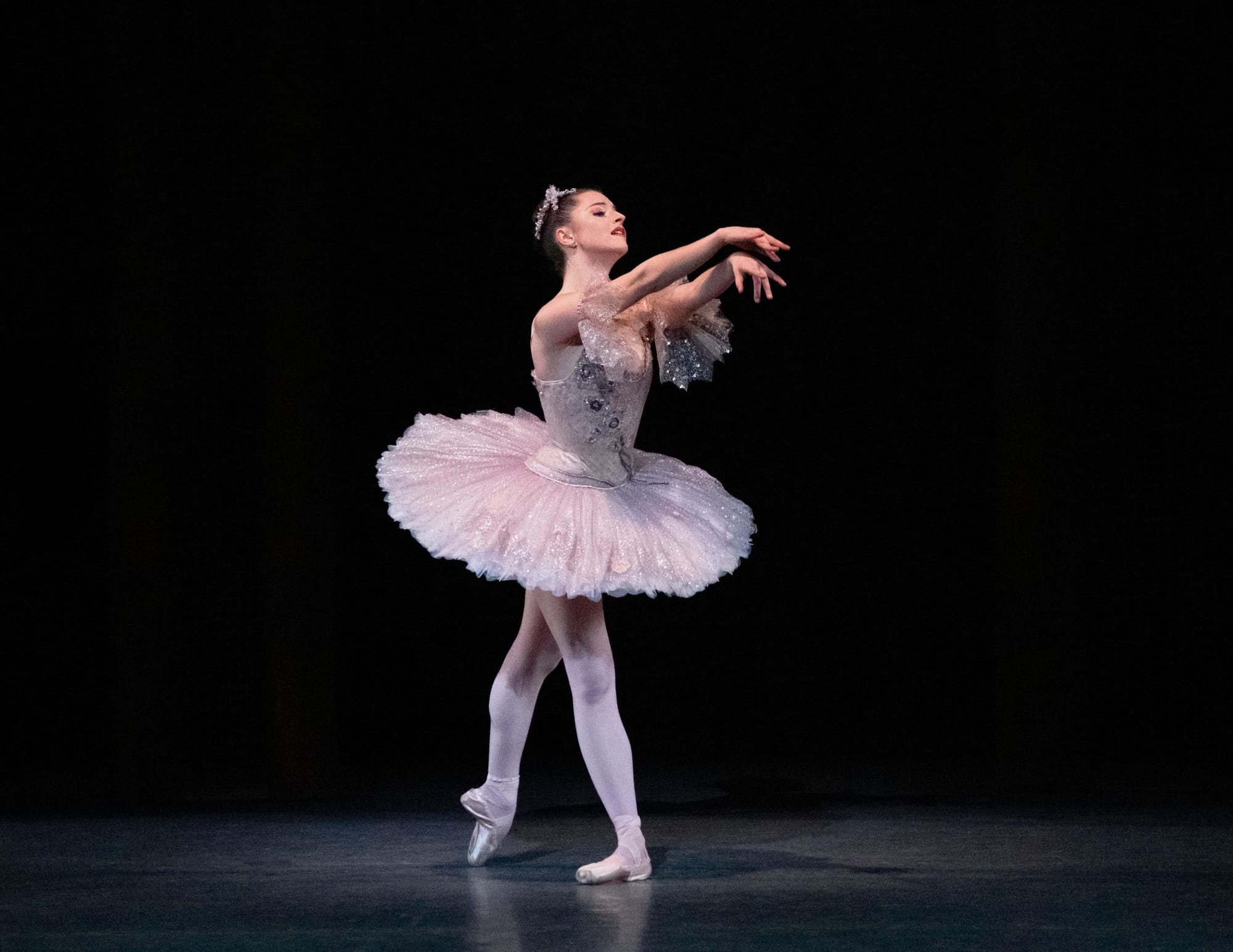
Megan LeCrone’s rendition of the Lilac Fairy in the evening’s other major debut was also a major success. The relatively tall soloist has always had the aplomb and strength for major roles but here created a character that seemed as it were lit from within by a redemptive and traditionally feminine goodness. Where the Lilac Fairy intervened at the key dramatic moment to counter Carabosse: changing the death spell into sleep; recruiting the Prince to rescue Aurora by showing him a vision of her; transporting him through a panoramic landscape to her castle; finally leading him forward for the awakening kiss – LeCrone controlled the action with personal authority. Her mime was graceful, the use of her arms radiantly lovely.
In the supporting roles, Gretchen Smith was the prettiest Carabosse you will ever see, as she downplayed the Disneyesque villain of her character and instead portrayed her as attractive but very angry. She seemed to know that this Beauty wouldn’t really die. It worked; stylizing the character made Martins’ production less cartoonish and took the creepiness away.
Meaghan Dutton-O’Hara and Miriam Miller were superb as the Fairies of Tenderness and Generosity respectively. Ask La Cour used his early training at the Royal Danish Ballet to portray the King in a much more courtly manner than that of others in this role and was ably seconded by Marika Anderson as the Queen.
The Jewels divertissement at Aurora’s wedding was also particularly good. Harrison Ball had real élan and lift through the chest in his turning jumps with extended working leg and then a wonderful musicality in his waltzing diagonals. Unity Phelan’s Diamond was big and impulsive. Petipa would turn over in his grave could he see that variation; that, as well as Emerald (Brittany Pollack) and Ruby (Ashley Laracey) are pure Martins, well-larded with the artificial dance difficulties he so loved to tack onto anything, actually onto everything, particularly at the conclusion of any variation. That element of his choreography will not be missed.
Copyright © 2019 by Michael Popkin



