Birds of a Feather
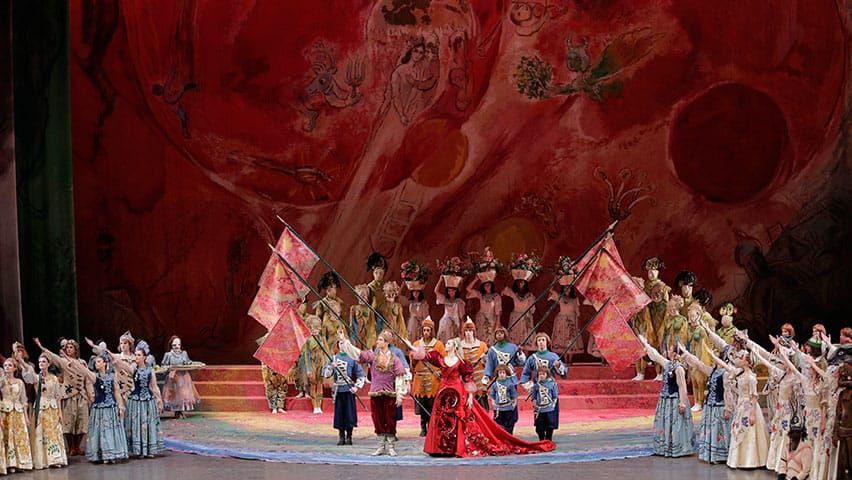
"Dances at a Gathering", "Firebird"
New York City Ballet
David H. Koch Theater
New York, NY
October 14, 2016
"Dances at a Gathering", Jerome Robbins' marathon exploration of Chopin, was paired with the Russian "Firebird"; two American ballets with an Eastern-European heritage. "Dances" works best when the dancers react as a community, rather than performing a series of dances. This feeling is illusive, and, in this performance, came in fits and starts. There were late substitutions and some debuts (Robert Fairchild in mauve, Harrison Ball in brick, and in his New York debut, Chase Finlay in green), which may have affected the delicate balance, but there were many beautiful and moving moments as the ten dancers flocked together.
Gonzalo Garcia danced the man in brown and his opening solo was smooth and polished, but not spontaneous; it looked like a reflection of a memory rather than an emotional journey. He did, however, make the pure beauty of the choreography clear. Rebecca Krohn, in mauve, gave her opening dance a similar polish, moving her long limbs into shapes as if propelled by a metronome. She did find more depth later on and was wrenching as the abandoned girl consoled by her two companions. Finlay's boy in green showed off his natural, almost casual nobility and Harrison Ball was both springy and crisp in his dance with Megan Fairchild, who sparkled in apricot.
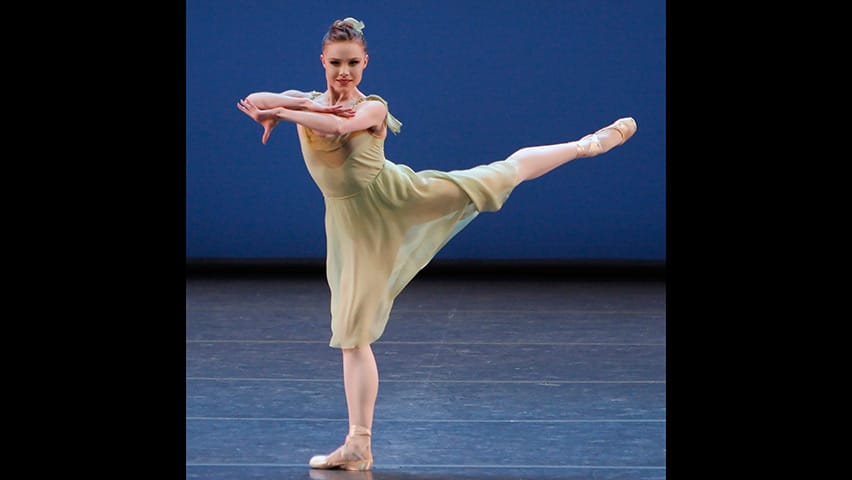
Sara Mearns, in green, danced her solo with her usual vividness, reliving her moments of triumph with relish, as if she were waving an invisible cigarette holder. Sterling Hyltin is an experienced girl in pink and has found her own way into the role. I missed some of the sensuality that some dancers give the first mazurka as she opened and closed those legs as if she were solving a geometry problem, but she gave her final pas de deux a vulnerable and iridescent glow (reminiscent of her remarkable Sylph). She seemed to float away in the backwards bourrées while reaching towards her partner (the dignified and warm Robert Fairchild) with a fragile yearning; I expect every man in the audience was eager to protect her.
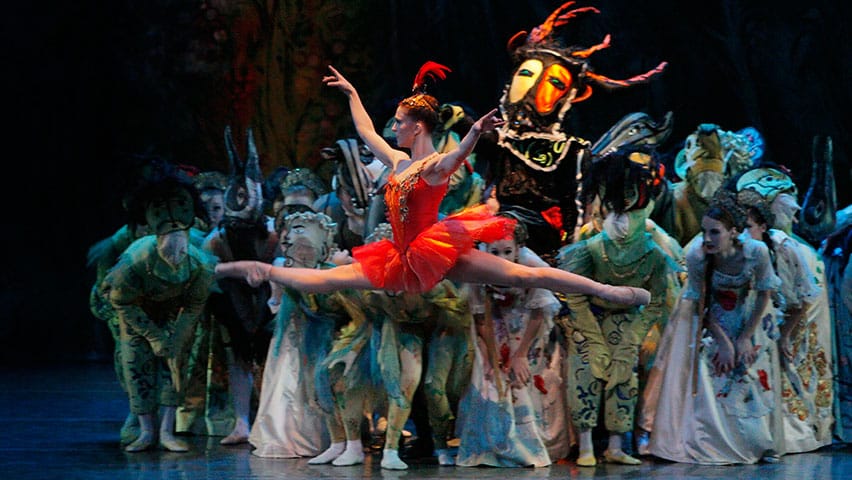
Ashley Bouder's "Firebird" certainly needs no protection, thought the stage did seem a bit slippery and she tumbled in her opening solo; it certainly didn't faze her. Balanchine's "Firebird" has some stunning elements, notably the magical opening tableaux and Stravinsky's music (conducted a bit diffidently by Music Director Andrew Litton). The simple story, however, of the magical bird captured by Prince Ivan and released in return for a magical feather which saves the Prince and the captive maidens from Kastchei, the evil magician, is a bit mangled. The opening pas de deux looks like the love story of a man soothing a shivering woman (I miss Fokine's blazing, apple-eating, space devouring creature) and the Berceuse, written to lull the demons to sleep so the Prince could destroy Kastchei's soul, is danced after the magician has been killed, when any rational Prince would have high-tailed it out of there with the Princess. Bouder was a strong, forthright Firebird, using her magnificent jump to powerful effect. She has mastered the Dying Swan's rippling arms and her Berceuse was a tour de force of feathery shimmers, but she seemed too good natured for the feral, dangerous bird.
Zachary Catazaro made his debut as Prince Ivan. Fokine's valiant hunter, fierce yet noble, was hidden behind local-yokel strides and squishy lows bows (it looked like the Prince and the maidens were made of sawdust). He seemed much more comfortable when dancing and he gave the pas de deux with the beautiful Princess a generous nobility, using his upper body so graciously. Ashley Laracey, in her debut, gave the Princess a lyrical delicacy and a rare beauty, prancing lightly through that glorious music.
Copyright © 2016 by Mary Cargill



