Appetizers
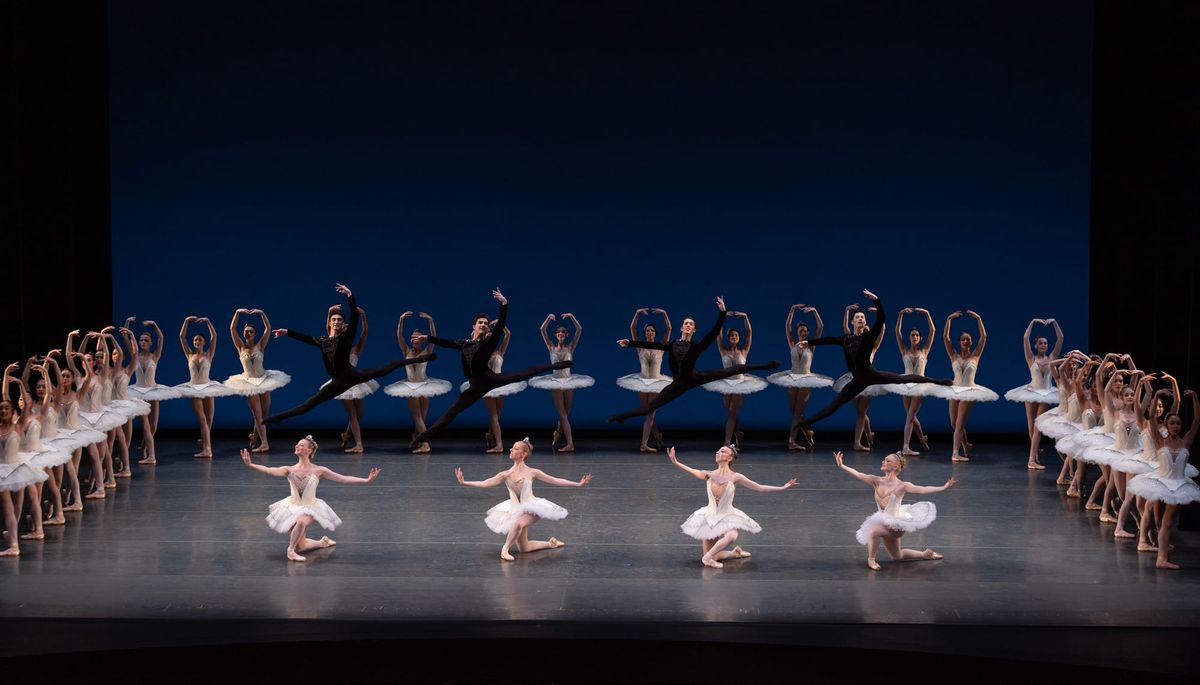
"Signs", "A Suite for Kay", "Circus Polka", "Symphony in C", fourth movement
School of American Ballet Workshop
Peter Jay Sharp Theater
Lincoln Center
New York, New York
June 4, 2022 matinee
This SAB program, attended by a packed and enthusiastic audience, was a bit more piecemeal than usual, with only one complete work, Giana Reisen's premiere "Signs". ("Circus Polka", Jerome Robbins' charming bonne bouche for young dancers, hardly counts as a work.) "A Suite for Kay" was a collection of Balanchine solos, and only the finale of "Symphony in C" let the dancers tear into some great choreography. Rehearsing in smaller groups may have been an understandable safety measure, but I did miss the thrill of seeing meticulously rehearsed productions.
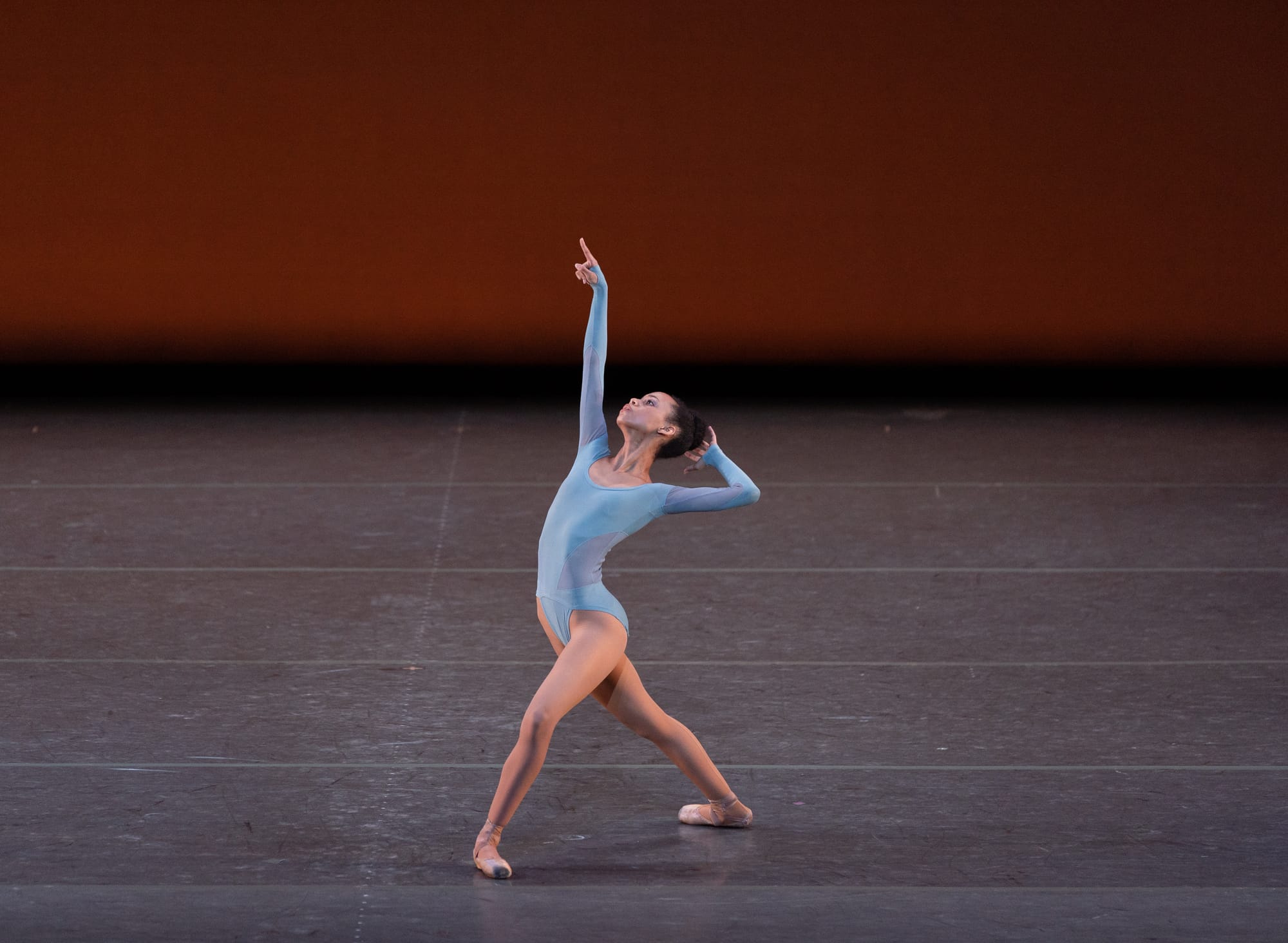
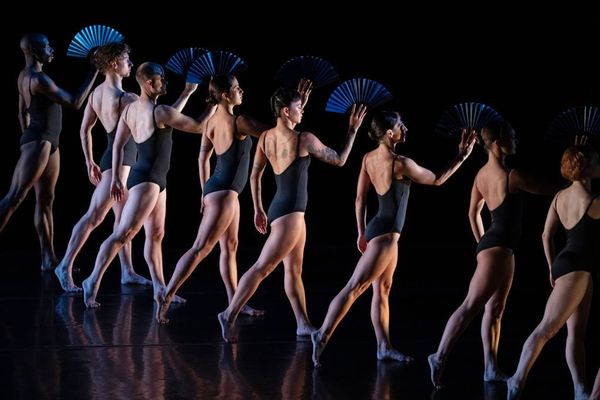
Reisen choreographed "Signs" to three piano works by Philip Glass, music which was a little less Glassier than much of his work and which provided shifting moods and a hint of melody. The work, though pleasant, was a bit of a meandering cliché, starting with a lone dancer (the confidently understated and charismatic Olivia Bell) staring soulfully at the piano. Reisen moved her ten member cast well, and the small groups formed and reformed seamlessly, though the actual dance phrases were a bit staccato, with many pauses to pose, and frequent "I have a snake in my spine" shivers.
There were several repeated gestures, mainly of the head grabbing type, which could mean either "let me shade my eyes and ponder infinity" or "boy, do I have a headache". There were opaque hints of female empowerment; a female couple wandered off stage to end the ballet, and every so often the girls would inexplicably aim finger guns at the boys, who seemed quite affable and engaging chaps.
"A Suite for Kay" was a salute to Kay Mazzo who is retiring as the faculty chair. The dances, all classical Balanchine solos from "The Nutcracker", "La Source", "Cortège Hongrois", and "Raymonda Variations", were danced in groups of six or seven (a total of 21 women and six men) and showed off the impressive quality of the dancers she had helped train. This format, though, with groups performing solos as an ensemble, did not allow individual phrasing or nuance since the steps had to be danced with complete uniformity, and the performances had a tinge of a studio rehearsal. Of course six or seven individual performances would reek of a ballet competition, and the absence of any elbow-pushing flamboyance had it own distinctive charm.
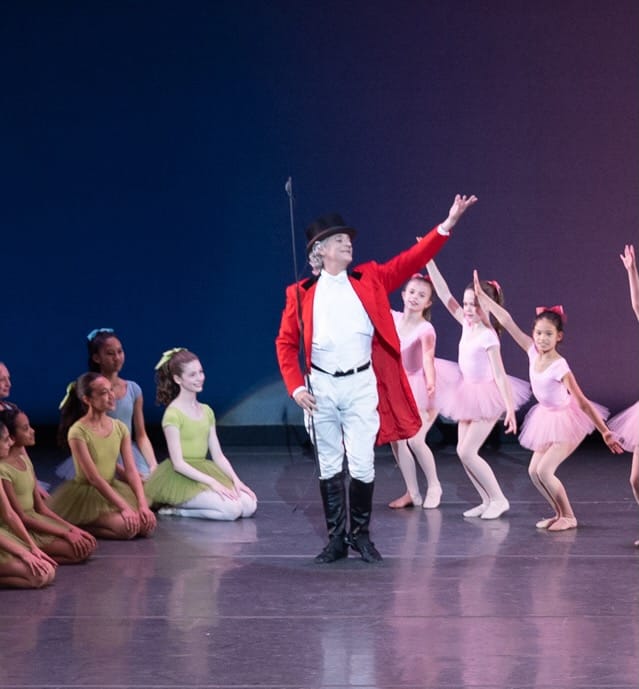
"Circus Polka" is all charm, as the bevies of young dancers pour on the stage in color-coordinated groups overseen by the benevolent Ringmaster, danced by Arch Higgins, the former NYCB soloist who is now teaching at SAB. He gave a fine lesson in stagecraft, focusing on the dancers, pausing to look before his gentle but firm corrections, and occasionally loosing himself in Stravinsky's pulsating rhythms, almost prancing for joy, a joy he shared with the whole theater.
The fourth movement of "Symphony in C" was led by Kali Kleiman and Henry Berlin. Kleiman, a statuesque blonde, negotiated the fast and deceptively difficult turns with aplomb, not quite getting sharply accented leg quite straight, but grace is always better than grit. Berlin as her partner was a joy to watch as he sailed through the jumps with an elegant bounce. The couples of the first three movements made their brief appearances, then the corps poured on with joyful abandon, leaving the audience hungry for the complete ballet.
copyright © 2022 by Mary Cargill