A Fond Farewell
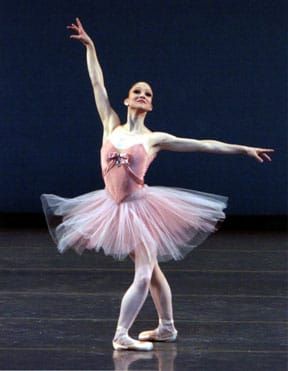
"Scotch Symphony", "Sylvia: Pas de Deux", "Firebird"
New York City Ballet
David H. Koch Theater
Lincoln Center
New York, New York
February 13, 2025
In January 2001, I was at a matinee performance of NYCB, expecting a pleasant afternoon watching the light, spun-sugar of “La Source” when the soloist bounded on with the most exuberant and musically incisive heel-to-the-head leaps I had ever seen. The entire audience gasped and leant forward as if pulled by a magnetic field; it was Ashley Bouder, and the electricity she generated reverberates to the day. Though her farewell “Firebird” showed her jumps have lost some of their power, her nuanced and fluid performance was very moving, especially her final exit after the berceuse, where she paused for a moment before her luxurious backbend, as if remembering her time on that stage.
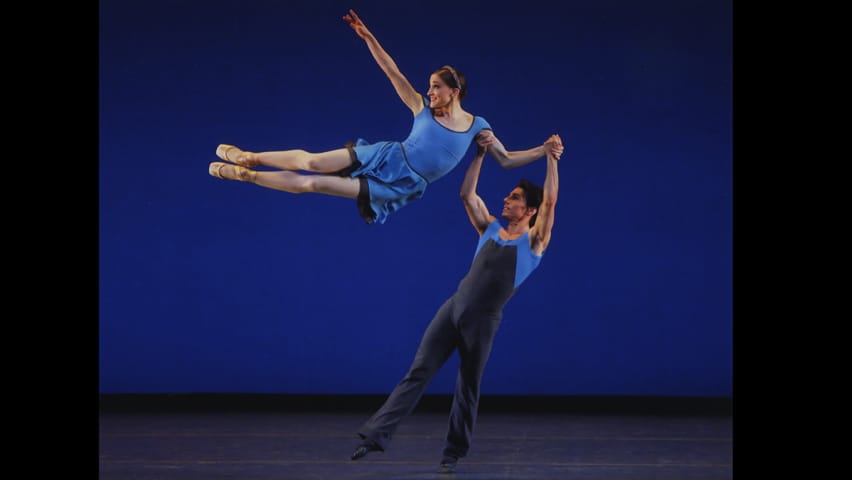
There were so many highlights; certainly her controlled powerful jumps enlivened many performances from the very start of her career. “Boy, can she dance!” I remember someone behind me saying in awed tones as she flew through the lark dance in Balanchine’s “Harlequinade”, and her surprise “Firebird” debut at seventeen is legendary. Her sky-scraping pas de chats, her go-for-broke approach, and the freedom she exuded were gifts to many ballets. The athletic trio in Ratmansky’s 2008 “Concerto DSCH”, which she danced with Gonzalo Garcia and Joaquin De Luz, is full of fast footwork, quick jumps, playful changes of direction, and breathtaking daring and is a lasting summation of her gifts.
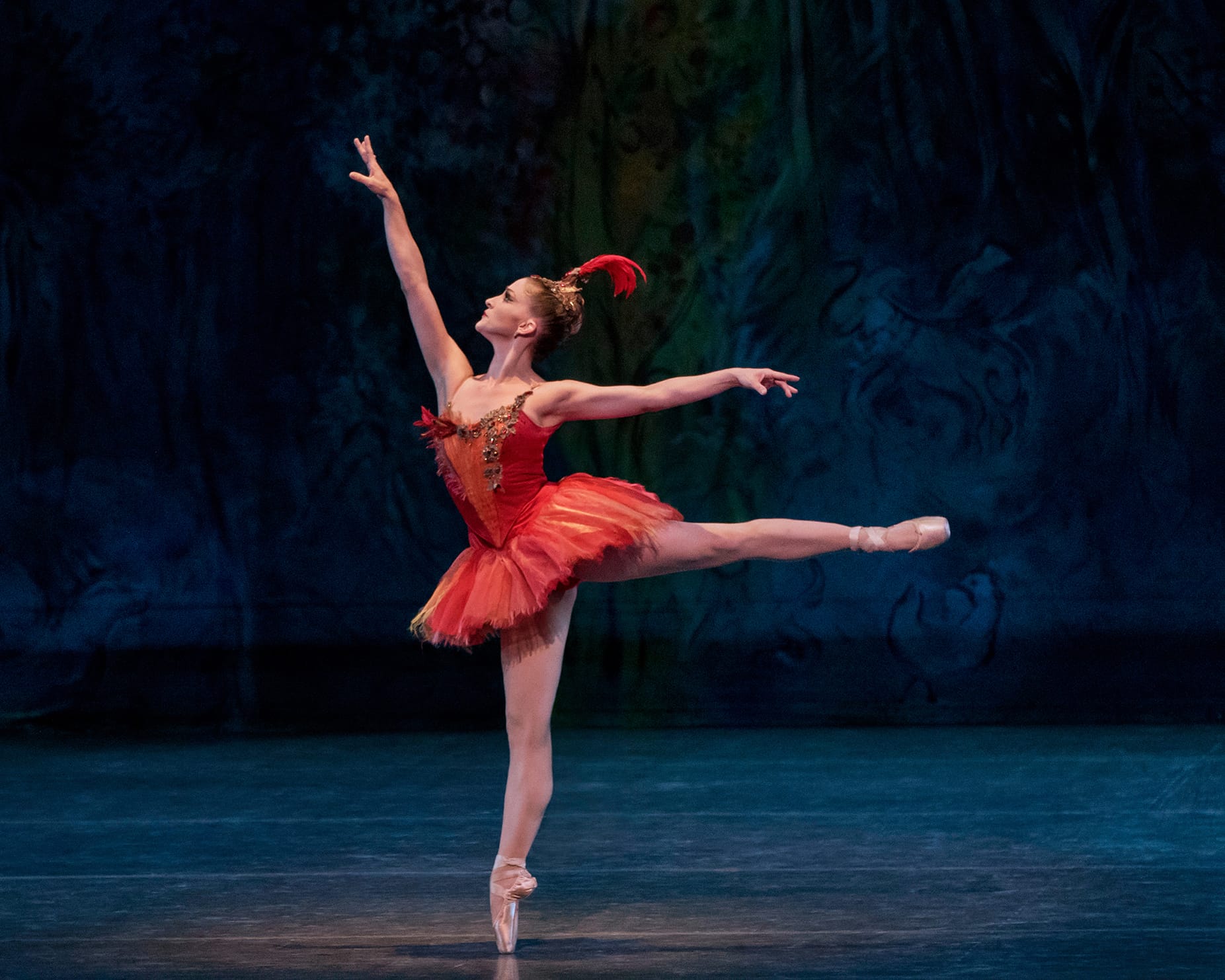
But she was more than a technical dynamo, and combined her thrills with beautifully formed classical dancing; she never distorted shapes with flamboyant extensions, her arabesque flattered her line, and her upper body never seemed strained.
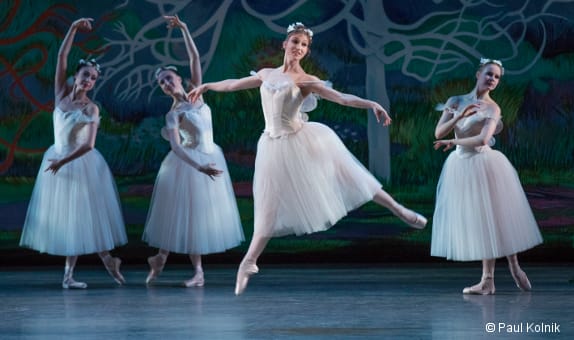
She was a lovely sylph in Peter Martins’ “La Sylphide”, both piquant and elegant; her “Emeralds”, too, had a haunting beauty and her Aurora in “The Sleeping Beauty” gave each act its own character. The packed audience (the theater was sold out) relished each moment of her final performance, cheering wildly and resolutely standing throughout the extended curtain calls, as dancers and staff paraded on with bouquets. It was a heartfelt and bittersweet thank you for so many fine performances.
There were other dances to cheer about that evening, which opened with Indiana Woodward and Jovani Furlan heading off to Scotland via Balanchine’s “Scotch Symphony”. The first and third sections do feel like an animated travel poster with the kilted lads and bouncing lassies Highland flinging around, but the haunted center movement seems like a misty section of a luminous lost Romantic ballet. Furlan was a noble Scot, bowing politely to the little Scottish girl (Baily Jones, sweet-natured but lacking really crisp footwork) before he entered the magical forest, where he seemed to sense rather than see the sylph.
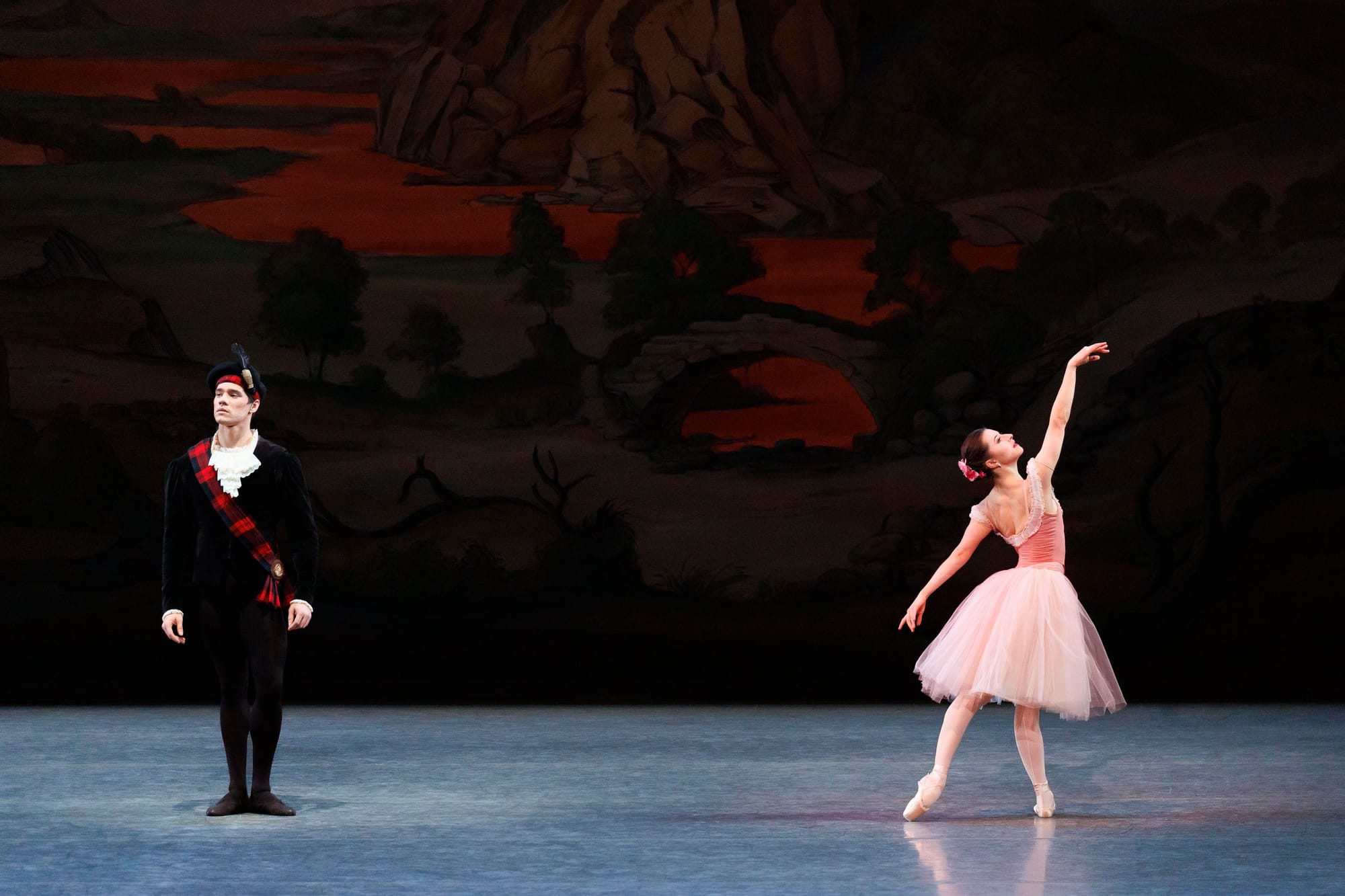
Woodward was a lyrical sylph, absorbed in captivating this strange man. Her limpid control, as she slowly raised her leg in arabesque and her fluid backwards bourrées made it seem as if she were a creature floating in the air. Her gentle playfulness, as she seemed to play with his arms, her trusting falls back into his arms, and her near-mime, gesturing “come with me to my forest” made her irresistible. The ominous guardians who kept separating the couple were quite inept though, as she reappeared seeming quite human in the triumphant finale.
Balanchine's “Sylvia Pas de Deux”, to the lovely, danceable Delibes music, has another triumphant finale. It is a model of classical construction, with a delicate entrée, where the dancers enter slowly, and gently dance, arms apart, building up to more exciting technical challenges, and ending with an explosive coda. Balanchine has stripped his dance of all narrative background, and there is nothing of the nymph and her loving shepherd from the original story in the choreography, it is just pure dancing for its own sake.
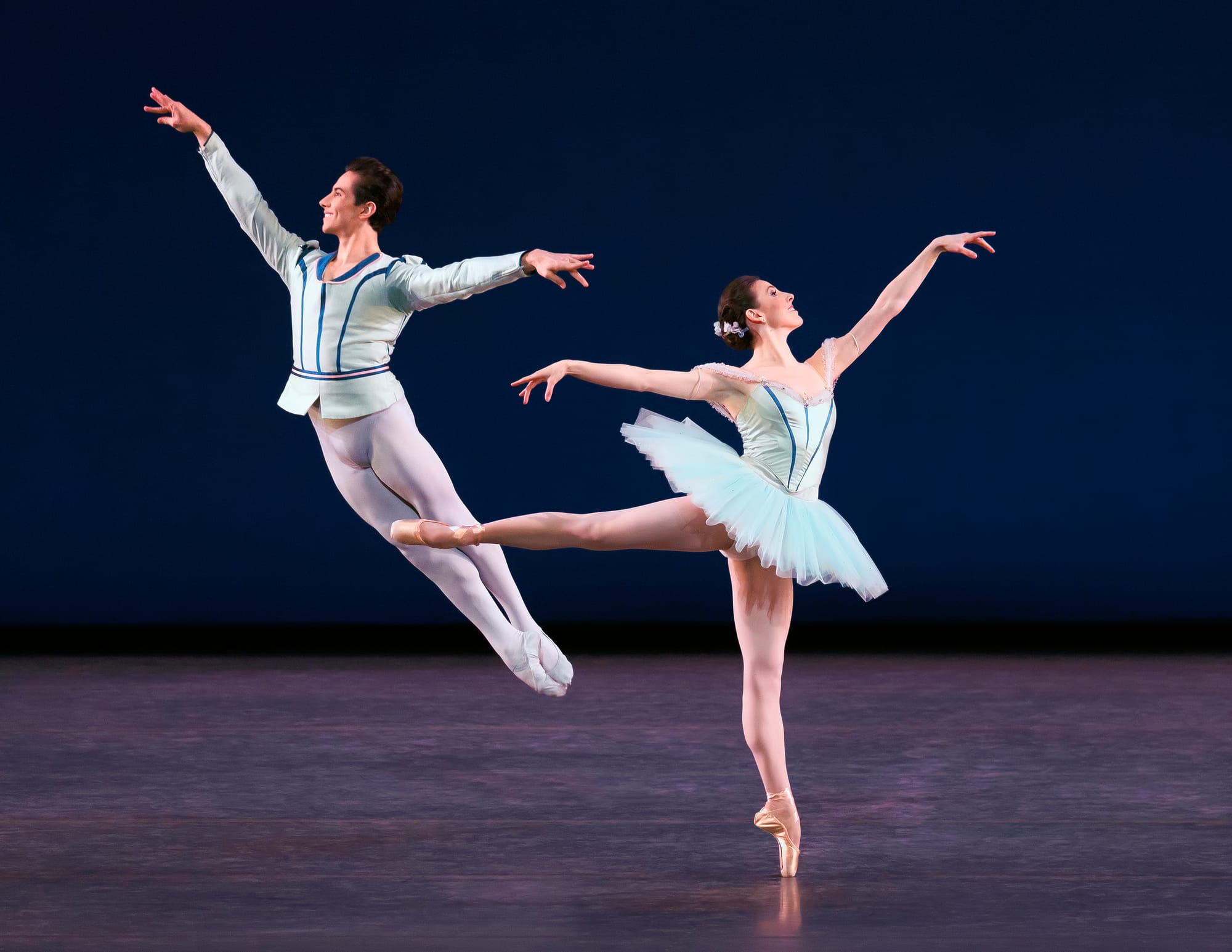
And what amazing dancing we saw! Tiler Peck, with Roman Mejia, were in absolute control of the choreography. The opening adagio had a creamy, luxurious quality which amplified the piercing sweetness of the music. Their partnership seemed instinctive, with their soft arms and solid balances, as they switched hands, which gave their dancing a gentle and understated magnificence.
Mejia’s solo, so familiar to “Coppelia’s” audiences as Franz’s final act turn, had a soaring lightness, with floating cabrioles and fast jumps in second position plié combined with perfectly soft landings. He did turn up the heat in the coda with some fast pirouettes which he slowed down, apparently just because he could, and some brilliant turns a la seconde and did include a very pleased smile, which was appropriately endearing. Peck’s control, too, was astoundingly musical, which made every position seem to glow, as her arms seemed to carve out shapes in the air. She paused her hops on point at times to slowly extend her leg in perfect time with the music, breathtaking and beautiful.
There was plenty of beauty in “Firebird” beyond the Bouder celebration, as Gilbert Bolden III and Meaghan Dutton-O’Hara made their debuts as Prince Ivan and his enchanted princess. Bolden made an especially vivid entrance, stepping carefully through the mysterious forest avoiding the branches while warily looking around, setting the atmosphere. Dutton-O’Hara was a gracious Princess, and seemed to relish the folk elements of her dance. They both helped make “Firebird” such a special sendoff.
© 2025 Mary Cargill



