A Ballerina Gives Us One for the Ages
“Jewels”
New York City Ballet
David H. Koch Theater
New York, New York
September 17, 2019
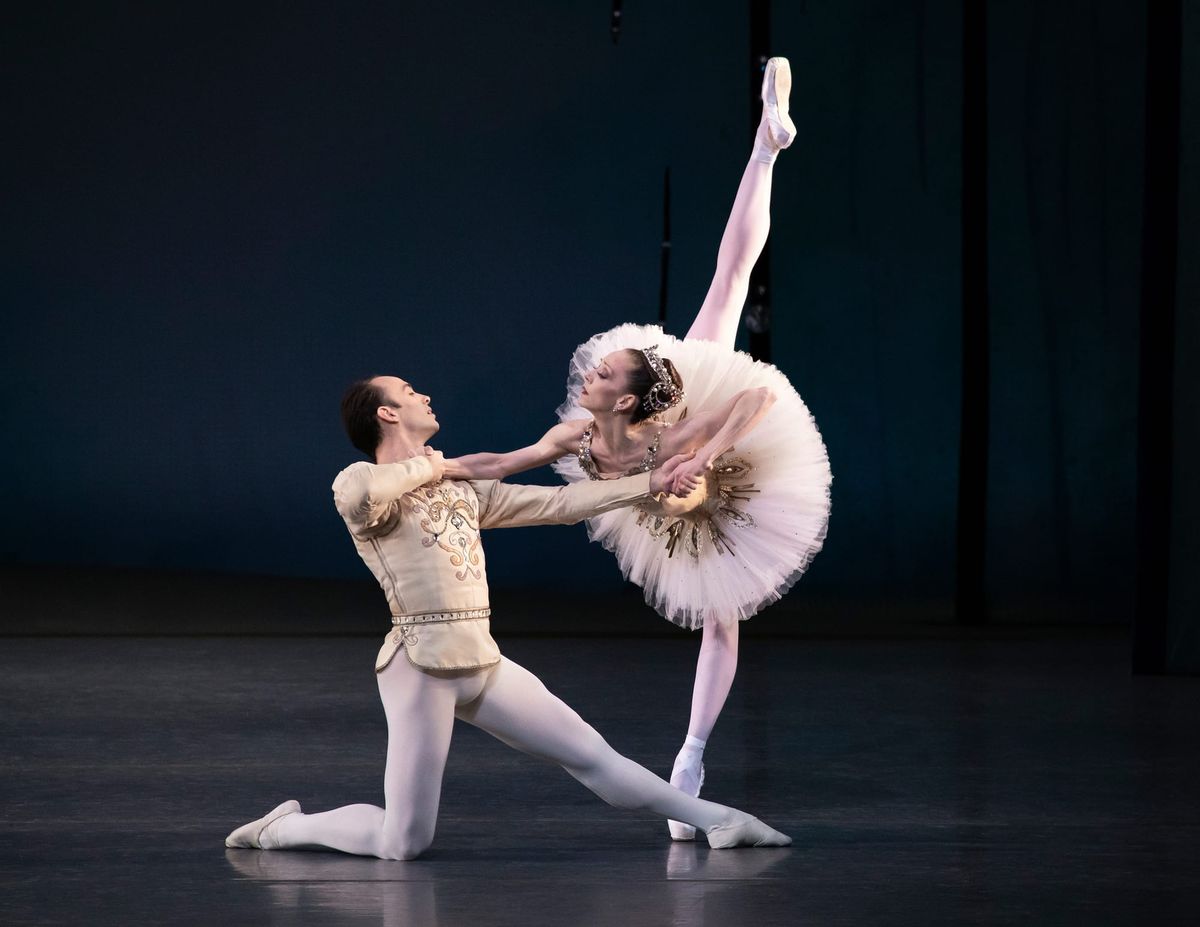
In “Diamonds,” at the New York City Ballet's fall opening performance of “Jewels”, Maria Kowroski was how you’d like to remember her. Not that she’s going anywhere. But by now the company’s senior dancer (she joined NYCB in 1995), she, along with her partner Tyler Angle, rescued opening night from lackluster performances of “Emeralds” and “Rubies” and made you forget about what came before. An incandescent performance, shot through with artistry, what was most surprising about her reading in particular was how frankly emotional she made it, and how she did it simply by being herself, by opening up to her partner without adding any overt or histrionic expression to her dancing. Also surprising was how, for a tall dancer who was all legs early in her career, she last night got the expression out of her upper body, back and arms.
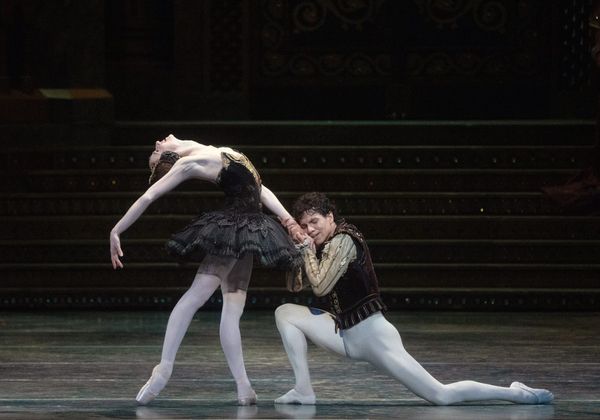
Conveying a tenderness and vulnerability, even a shy fear of her partner in the delicate but highly dramatic initial adagio, Kowroski approached Angle obliquely before she stepped into a series of effortlessly expressive high Russian penchés. Angle’s gallantry in these passages, as the couple zig-zagged in their nearly ritual approach to each other, was pronounced, displaying a protective tenderness to match her vulnerability. His final submission and fall to the knee at her side brought down the house. But then when the tempi picked up during the allegro middle portion, Kowroski had the good sense to stay within herself, to dance honestly and actually on a small scale that allowed her to control and compose her long limbs and keep centered in the turns, going for no effects that would put her at risk, yet at the same time pushing her technique boldly to the edge. The final series of piqué turns to exit the stage with a jeté into the wings was done with composure, in well centered turns where she brought her hands beautifully down to gather herself exquisitely at the bottom of each rotation. Having watched Sara Mearns punch out this section rather heavily for several years now, it was a welcome interpretation.
In the final polonaise, first among the larger forces of the corps de ballet, then during the understated but intricate scherzo for the principal couple that Balanchine builds into the structure, the couple carefully controlled its dynamics. The excitement built on the group entrance, then became restrained again until the end, when Tchaikovsky’s stirring theme began to pulse its grand melodic line, and the entire company went to their knee. Kowroski's developé against the swelling melody, free and ecstatic, brought the emotional journey to an end. One remembered so many performances over so many years, the failures and successes, the discomfort sometimes at the curtain, a ballerina who always wore her heart on her sleeve (when Kowroski was happy or unhappy you knew it), and all of those thoughts superimposed over the melodic line and the spectacle. All the strange layering of perception and memory that is classical ballet at its best when you’ve watched a company for decades.
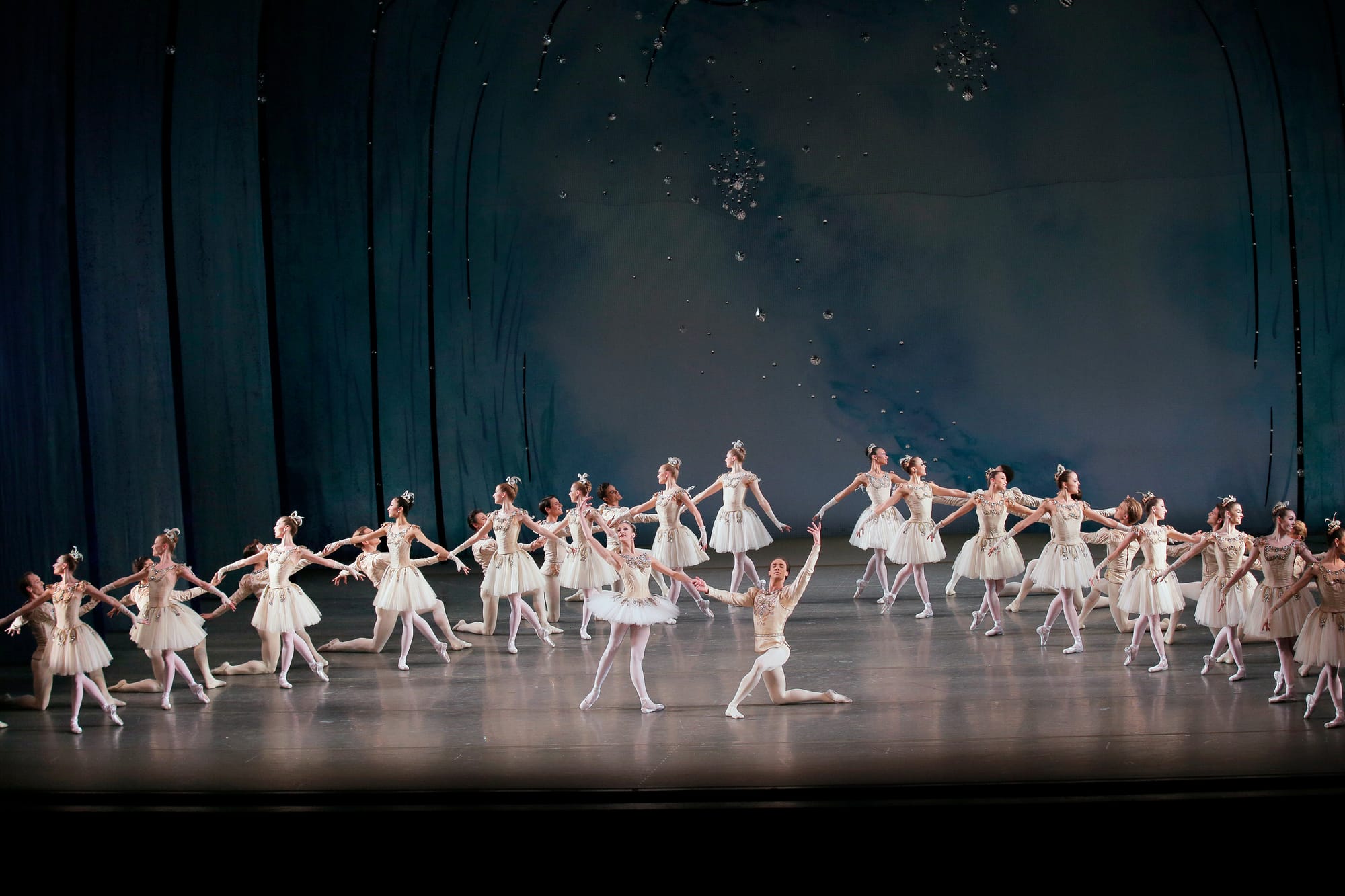
In support of the leading couple, the company as a whole danced at its highest level. The four demi soloist women – Laine Habony, Olivia MacKinnon, Mary Elizabeth Sell, and Lydia Wellington – were well matched in size, relative age and long limbed physique, and danced with a beautiful blend of relaxed academic training and unforced, indeed impetuous freedom of movement and musical interpretation. The large corps de ballet was similarly on fire. In contrast to the performances of “Emeralds” and “Rubies” that started the evening (about which more anon), NYCB “got” “Diamonds” on this particular night; that is, the company understood the aesthetic and style Balanchine is about and was able to express the ballet’s intention.
The inability to do that – that is, the failure to “get” the basic aesthetic idea of the ballet – was what the earlier two ballets missed. “Emeralds” – danced by Abi Stafford (returning from injury) and Amar Ramasar as one couple, and Unity Phelan and Ask la Cour as the other – felt not only perfunctory but also diminished. The mysterious idyll to Fauré’s music that’s a masterpiece at its best looked instead like an exercise in academic composition by Balanchine and one that the dancers struggled with at that. One had little sense of imagination or of being taken to an enchanted world.
Meanwhile “Rubies” (with Sterling Hyltin and Andrew Veyette, and Emily Kikta as the second taller ballerina) was if anything slightly worse: not only overly punchy but strangely adolescent in its expression. Instead of being sexy and sophisticated, the world of this ballet was characterized by the childish hijinks and jokiness that you would expect to see in a Robbins’ ballet like “Interplay,” evoking Edwin Denby’s famous comment about that work looking like “an American outdoor party where everyone is full of pep . . . [and where the dancers] know about sex as a jive joke or a general blues sentiment; they don’t know it as an individual focus of passion.” As this general sense also pervades Justin Peck’s work, perhaps the company’s difficulty comprehending “Rubies” has something do with having dozens of Peck’s work now in repertory, too.
But enough has been said about the beginning of the evening for the record. The extraordinarily beautiful rendition of “Diamonds” that followed washed all of that away. It happened that easily. That’s the miracle of dance.
copyright © 2019 by Michael Popkin