Women in White
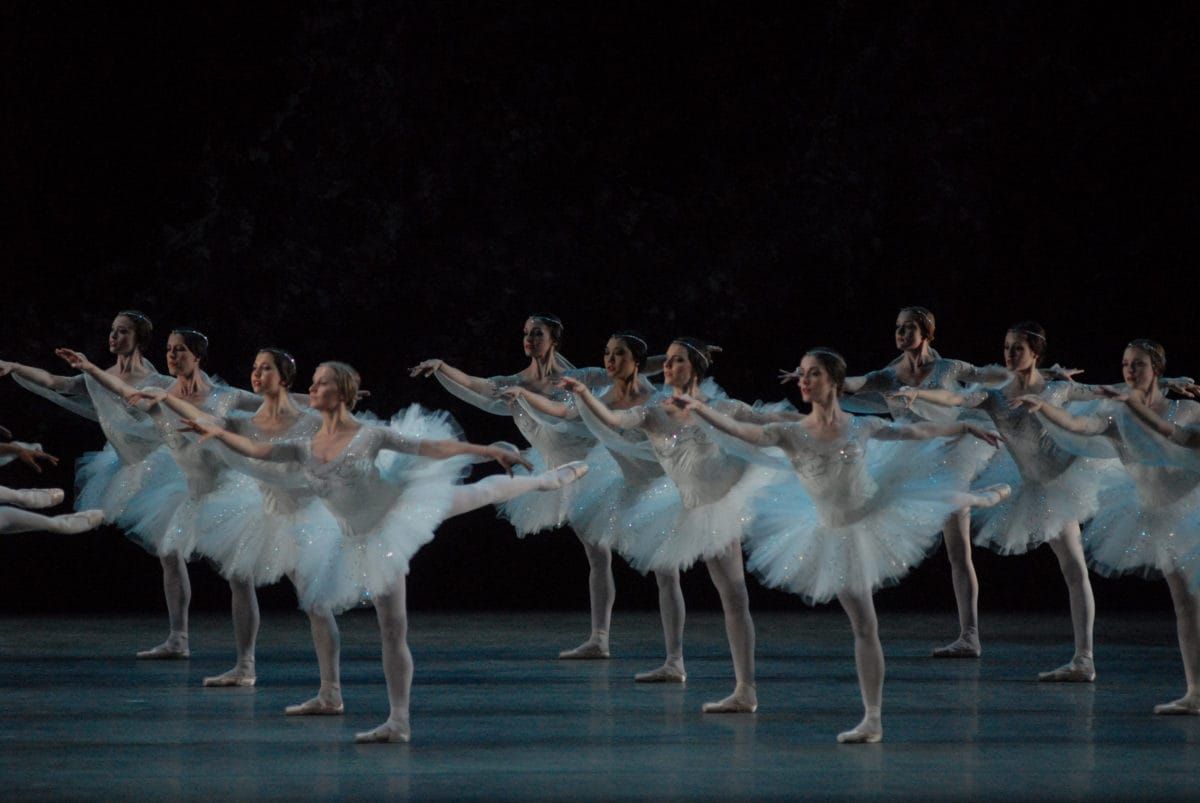
"La Bayadère"
American Ballet Theatre
Metropolitan Opera House
New York, NY
May 23, 2012
ABT's season is showing a company in transition, as many of its male pricipals leave--Jose Manual Carreno last year, Ethan Stiefel and Angel Corella this year, leaving only a few men tall and elegant enough to be princes. The answer, at least this year, is to import a number of guest stars, avoiding last year's situation, where Marcelo Gomes did a number of Bayadères in a row. (Of course, there are some who think all Gomes all the time is a first rate artistic policy, but I can see it would be a little nerve-wracking for a company director.) ABT paired the Russian-born, Royal Ballet trained Vadim Muntagirov, currently dancing with the English National Ballet, with Hee Seo, in her New York debut as Nikiya and with Isabella Boylston, also in a New York debut, as Gamzatti.
Muntagirov is tall, beautifully proportioned, a generous partner, and has a plush and exciting jump. His face, though, isn't very expressive, and Solor's various emotions didn't carry well in the huge auditorium. He was a bit understated in the first act, generically noble, without conveying the conflict that some Solor's show during the first sight of Gamzatti; Gomes, for example, takes slightly awed glances around the room, as if he is gradually realizing that all this gold could he his. Muntagirov just sat quietly during the chess scene, looking quite at home. He was distraught when he saw Nikiya die, but then seemed quite content to walk off with Gamzatti, so there was little sense of Solor's inner conflict. (Why is it that so many 19th century heroes seem to go limp at the sight of a well-turned fouette?) His shades scene, however, was wonderful, as he rushed on with real feeling, threw off some elegant and perfectly soft jumps. There is little dancing in the final act, and again, he wasn't able to convey the various emotions that Solor goes through, though he certainly cut a noble figure during the final tableaux.
Hee Seo, too, was a bit subdued as Nikiya, not as shocked and outraged at the Brahmin's advances as more experienced dancers are. Her dancing, though, was clear and eloquent. She moves beautifully, and has the ability to float into a position, hold it for a moment, and float out again without giving the impression of going from photo-op to photo-op. She was a rather innocent Nikiya, so joyful during the opening dance with Solor and seeming to grasp the knife almost by accident. But there are depths to Nikiya that this rather Giselle-like joy didn't show; after all, she is planning to abandon her religious vows to run off with her beloved. Unlike most of the 19th century ballet heroines, Nikiya is in charge of her fate. Seo's final living gesture, as she deliberately dropped the antidote to the snake poison, was a hint of what a more experienced Seo will undoubtedly make of the role. Her dancing in the shades scene was already quite magical, even with a slight mishap with the scarf (those turns are treacherous).
Isabella Boylston was the murderous Gamzatti. Her jumps were lovely, but she was a bit too soft, and the contrast between the confident, rich beauty and the poor dancing girl wasn't clear enough. She made her little solo with the wedding veil a declaration of love; this has been the style in recent years, which makes her poison flower trick seem incongruous. I think this solo works better as a demonstration of pride, an indulged daughter's desire for the best of everything. Boylston also seemed to be quite upset when the snake bit Nikiya, which made no sense. Her arms aren't always classically perfect, which gave her dancing a bit of a casual feel, not really appropriate for the choreography, though she managed the fouettes very well.
Victor Barbee was the vindictive High Brahmin, and gave a dramatic, frightening performance of a powerful man pushed by passion. His pale, almost flabby skin, shaking with desire, made him look like a malignant growth. Alexandre Hammoudi was the Radjah, and as yet, he doesn't project the overweening power that some of the Radjahs do; he was just too polite. Craig Stalstein as the Bronze Idol was able to give the dance an unusual sharpness, bringing his arms clearly into position and stopping, as if the metal couldn't move farther, which gave it a distinctive glow.
The unmitigated glory of the ballet is the white act, and the corps looked very good, with only a few slight wobbles, and a glorious consistency of the shapes, with all the legs held just so. The three shades (Christine Shevchenko, Simone Messmer, and Devon Teuscher) danced their solos very well. Shevchenko let her arms echo the delicate little hops on point, which was so beautiful. Messmer's upper body had a liquid quality, and she didn't force the sideways leg lifts to unusual heights, but kept everything in control. Teuscher, too, gave her solo an elegant shape. The corps got their well-deserved ovation; these women in white are really the soul of this wonderful ballet.
copyright 2012 by Mary Cargill



