Looking Back
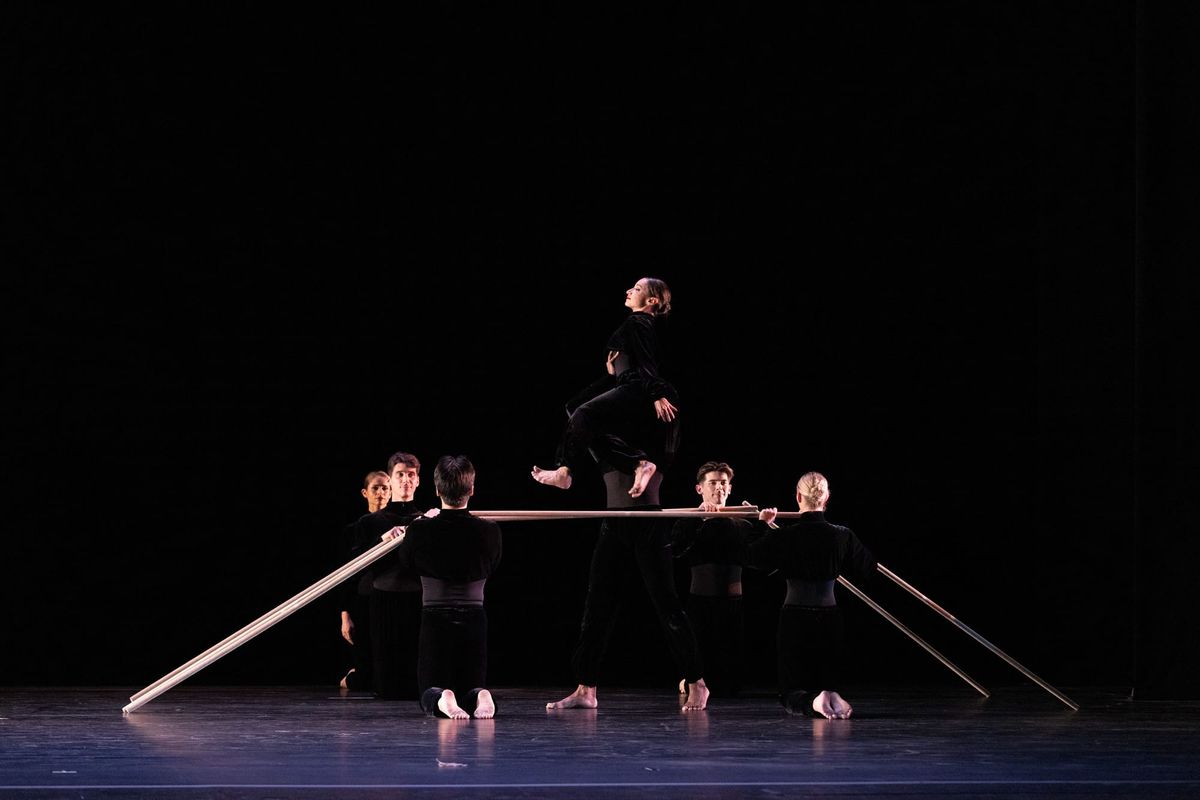
"Book of Beasts", "Le Sacre du Printemps (The Rehearsal)", "Black Tuesday"
Paul Taylor Dance Company
David H. Koch Theater
Lincoln Center
New York, New York
November 8, 2023
This all-Taylor program showed the choreographer looking backwards, from the zany take on Medieval bestiaries (combined with satires of ballet dancers) of “Book of Beasts”, to the odd homage to Nijinsky in “Le Sacre du Printemps (the Rehearsal)” with its oblique references to gangster melodramas, and ending with “Black Tuesday”, Taylor’s salute to Americans in the Depression, set to recordings of popular songs from the period. The program also gave the Orchestra of St. Luke’s a night off, since in addition to the recorded songs of “Black Tuesday”, "Book of Beasts” used what sounded like a child’s harpsichord, played with verve by Matthew Lewis, the two piano score of Stravinsky’s “Rite of Spring” made by Stravinsky for Nijinsky’s rehearsals played by Margaret Kampmeier and Blair McMillen.
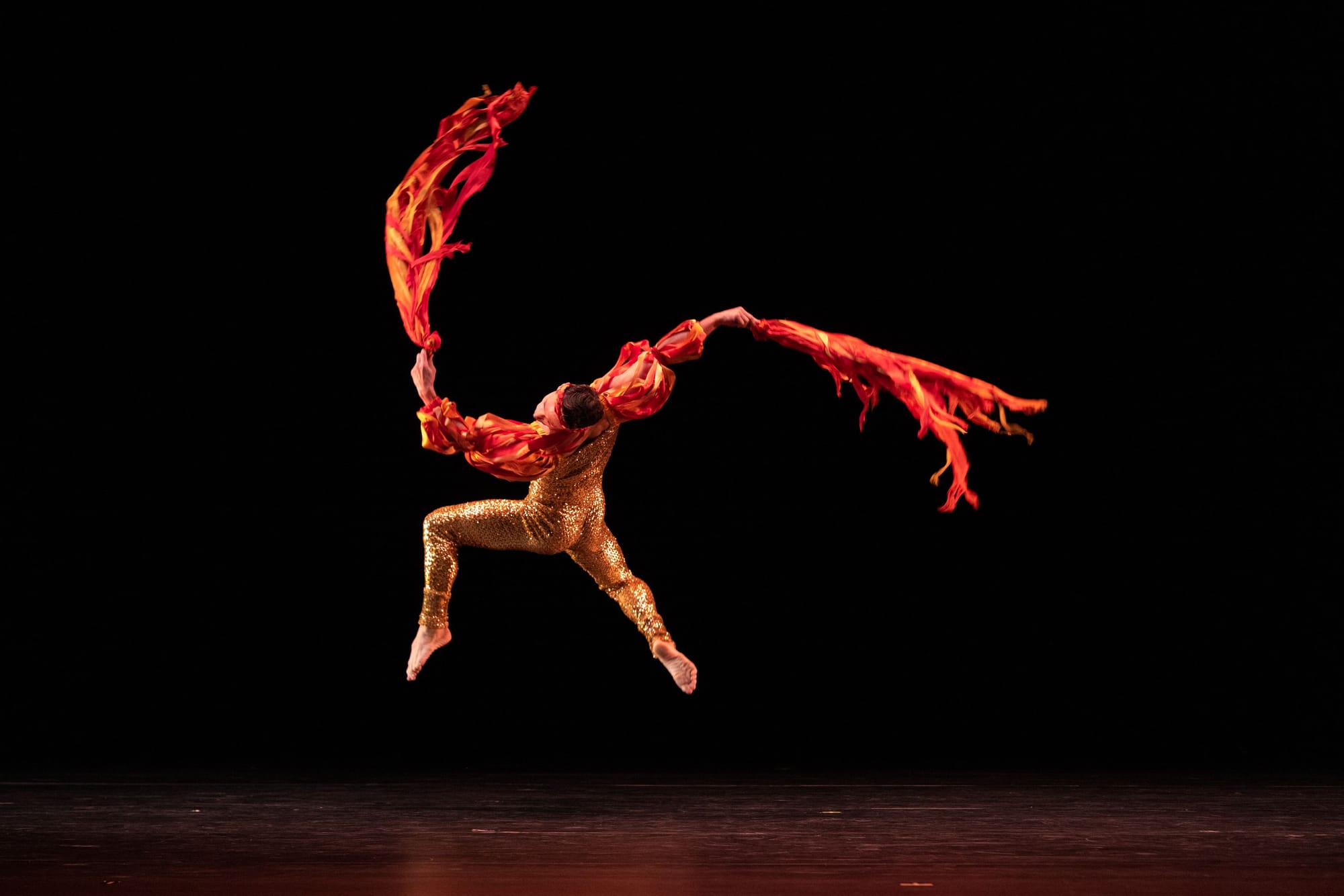
These unusual choices showed just how musical Taylor was, even in the truly eccentric “Book of Beasts”, where familiar classics (including ballet staples like Saint-Saëns’ “The Dying Swan” and Tchaikovsky’s Russian Dance from “The Nutcracker”) were transformed into music box tinkles. The opening number (to Schubert) had vaguely Medieval pages carrying spears while skipping around like zany topiary trees in a formal garden. The various beasts then rotated in like a Medieval variety show, opening with John Harnage’s phoenix, all gold sequins and flowing red feathers (the costumes were by John Rawlings). His self-satisfied ballerino, complete with fast footwork and barrel turns, could have been the misbegotten son of some unfortunate Firebird.
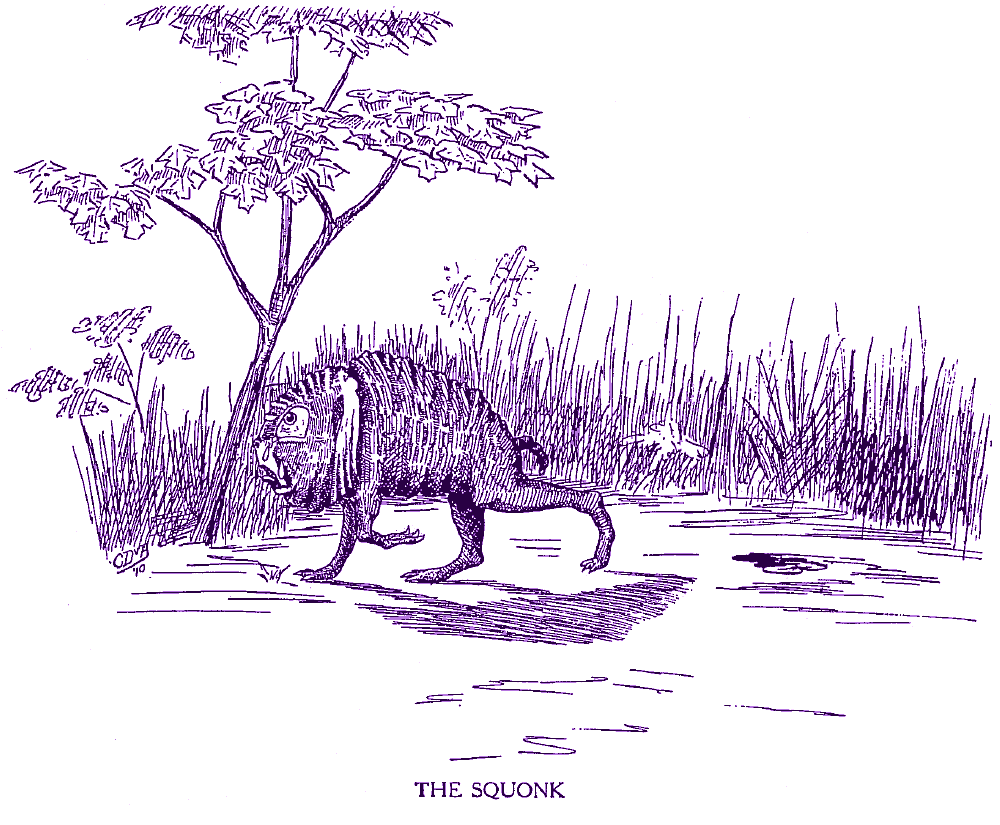
According to the trusty Wikipedia the Squonk is an extremely ugly mythical creature from the wilds of Pennsylvania, first recorded in 1910. Its main characteristic is a tendency to cry, so Taylor set its lumbering misery to “The Dying Swan”. Lee Duveneck, dressed like a moth-eaten buffalo, moved with a mournful, musical dignity, until he was carried off trussed up on one of those spears. So beast after beast appeared, including a group of affectionate dogs being trained by Kristin Draucker and Kenny Corrigan, Shawn Lesniak’s elegant Deity, and Christina Lynch Markham’s raucous Demon, swirling around to Falla’s Fire Music with exaggerated talons. In what may have been a nod to grand ballet’s traditional grand finales, the whole cast poured on to the infectious Tchaikovsky music, familiar to New York audiences as “Candy Cane”, for a glorious session of exaggerated preening.
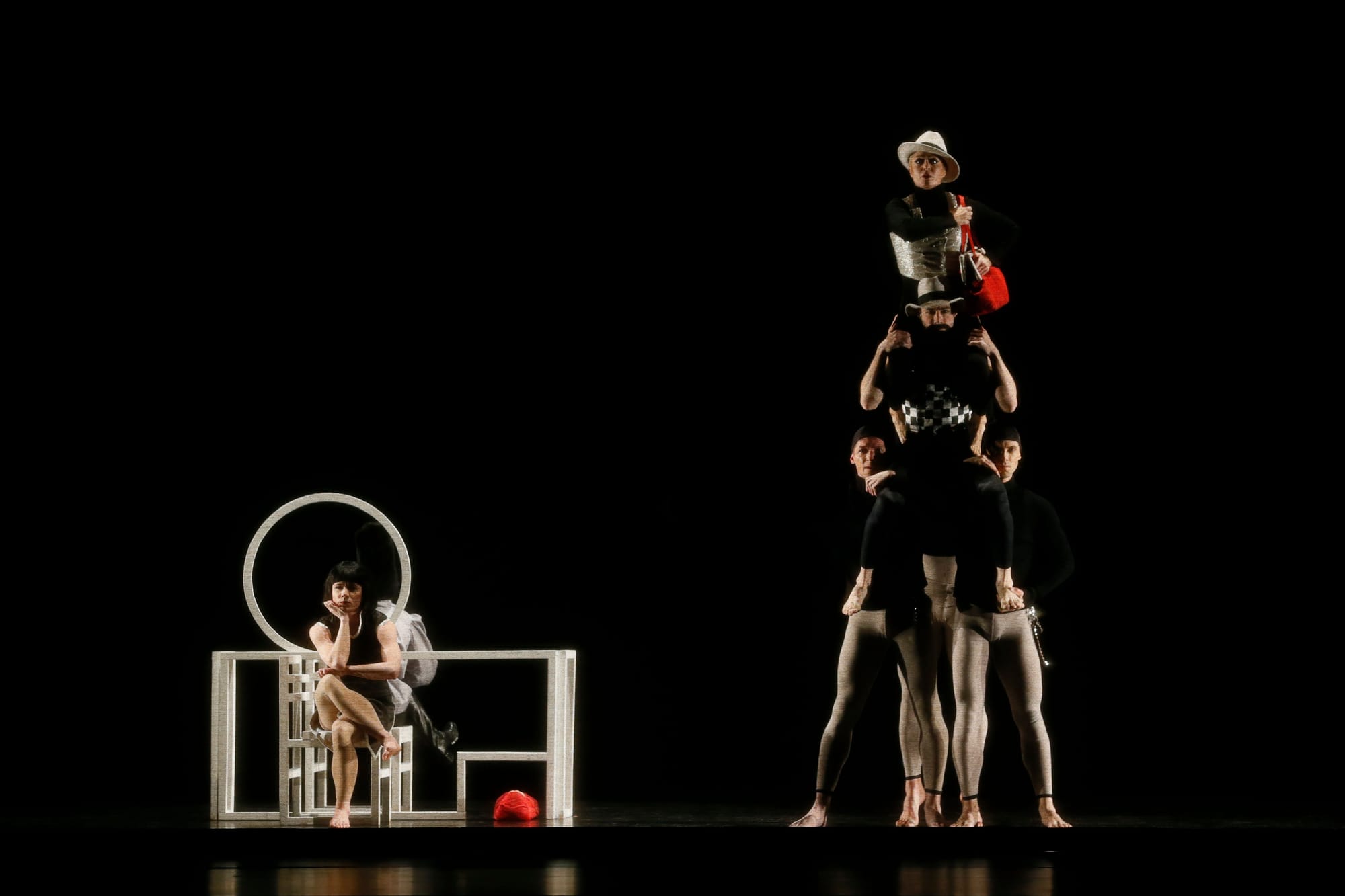
There is not much preening in “Le Sacre du Printemps (the Rehearsal)”, though the confusion is exaggerated. The story, or stories, are oblique, and though Taylor was famously reticent about any meanings in his works, he did give an interview about the work in 1980 to Alan Kriegsman of the “Washington Post” which was surprisingly explicit and very helpful. (https://www.washingtonpost.com/archive/lifestyle/1980/01/13/paul-taylor-takes-on-stravinskys-challenge/e8a6cb71-5b97-441c-8ace-203d4e20fae1/). "It's obviously a sort of Runyonesque gumshoe story, but it's all done as a dance company rehearsal, you see” Kriegsman quotes Taylor as saying, adding that he used the piano reduction because "This is the musical version Stravinsky and Nijinsky used for their rehearsals.” Kriegsman also quotes him saying "I have a great interest in the original production of ‘Sacre,' I've been reading a lot about it lately, and looking at the pictures. My version will have some hoped-for cross-references to Nijinsky, for instance, in the flat use of the body. The whole thing will be very stylized, and there'll be a bit of Oriental flavor -- I figure, the original was set in the steppes of Central Asia, and China is just next door, so to speak. So our 'crooks' are Chinese; there's a suggestion the action may be taking place in Chinatown, but it's really not very explicit. In the forefront of my mind, the whole ballet is an exercise in style, primarily.”
The dancers did have a lot of style, especially Markham as the Russian martinet of a Rehearsal Mistress, Madelyn Ho as the slinky Stooge of the Crook, and especially Jada Pearman as the Girl whose baby was kidnapped and ultimately killed (for reasons not entirely clear). In the raucous finale there were enough dead bodies piled up to serve any number of “Hamlet” productions, but then the power of the Chosen Maiden’s music took over, and Pearman’s final agonized solo, dancing herself to exhaustion, seemed like a glimpse back at Sacre’s original scenario.
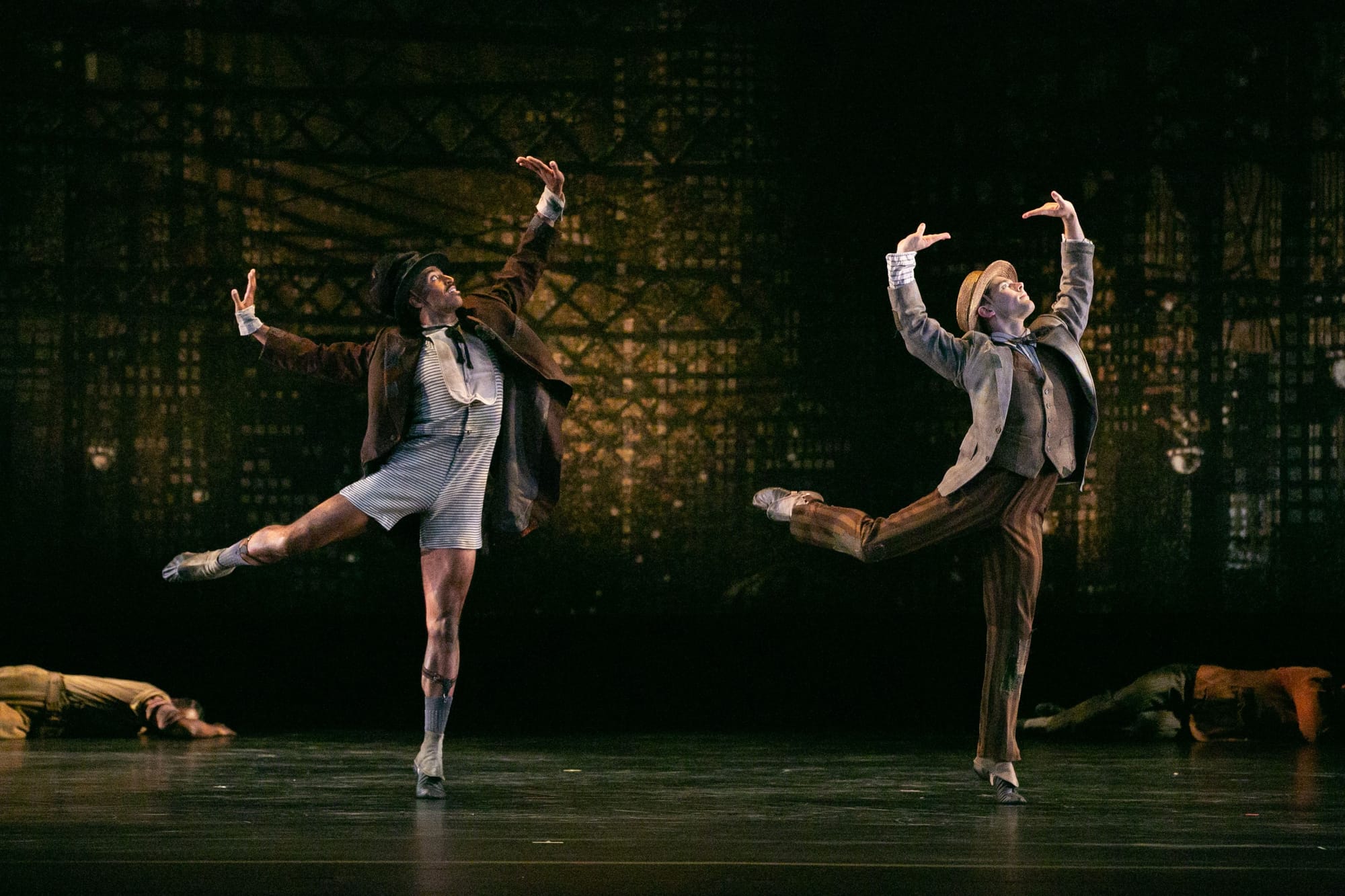
“Black Tuesday” is a more explicit glimpse back, a picture of American optimism, laced with an underlying despair, of people facing the devastation of the Depression. Like “The Book of Beasts”, it is a series of episodes, each one based on a popular song, the tinny recordings sounding like they came from an old-fashioned radio. The sets and costumes by Santo Loquasto evoked a grimy New York and a group of people scrambling to survive with an almost desperate cheerfulness. Shawn Lesniak and Jake Vincent danced “Underneath the Arches” with a debonair lack of concern, though Vincent was in rags and Lesniak in a beat up top hat and underwear; Vincent was especially fluid in with his soft shoe flair.
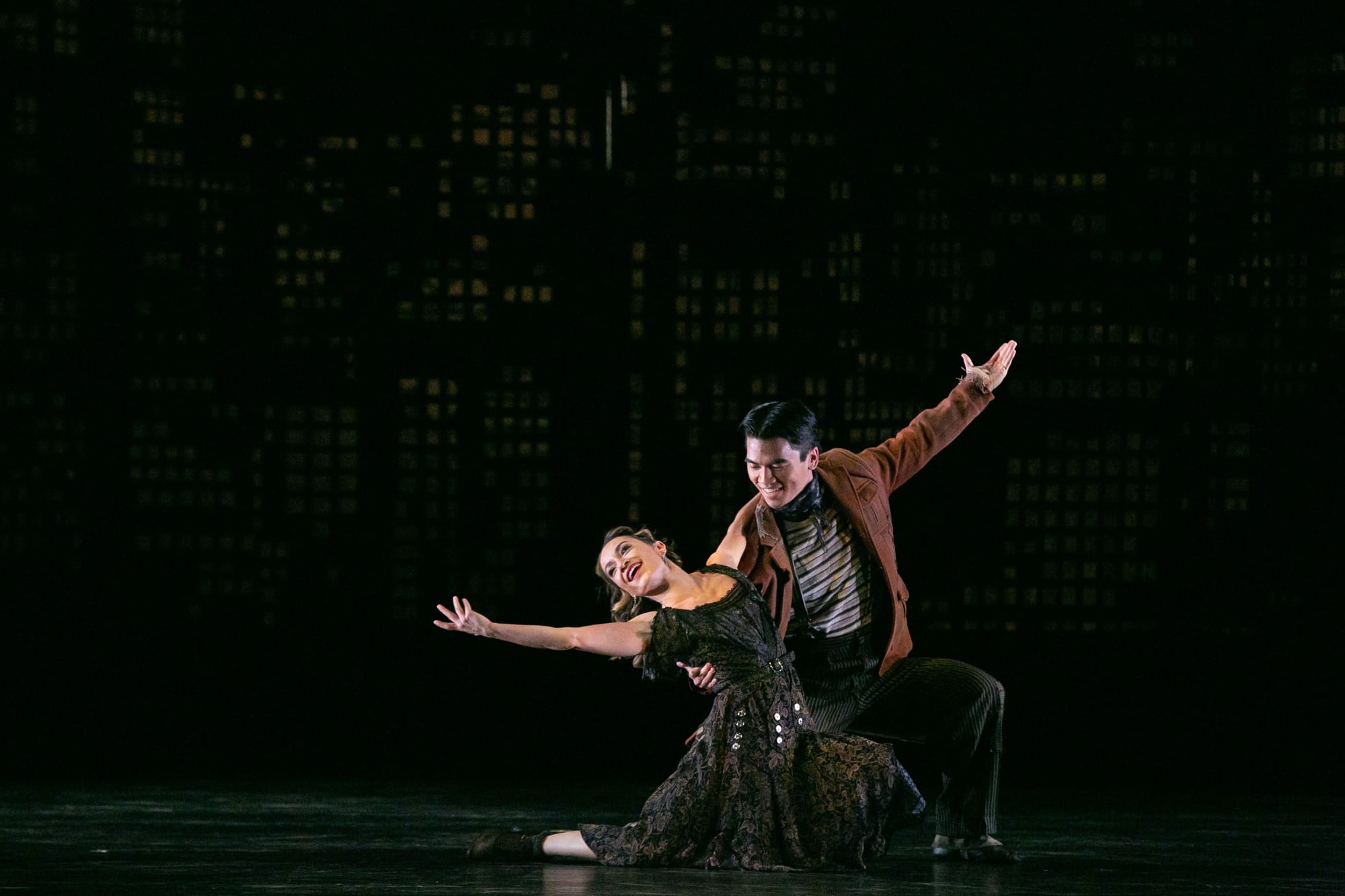
Lisa Borres and Austin Kelly were equally chipper in “Slummin’ on Park Avenue”, a lighthearted but pointed sneer at the ultra rich. Both were very funny, miming extravagant good manners, and breaking into a lighthearted Charleston. Money was also the point of Kenny Corrigan’s pimp, dragging along his product (Madelyn Ho, Maria Ambrose, and Jada Pearman) in “Are You Making any Money?”. He danced it a a pure comedy, with an easy flow, but I missed the sleazy undertones that earlier performers gave. Eran Bugge’s little newsboy in ”I Went Hunting and the Big Bad Wolf was Dead” was lighter and more innocent than the original one by Lisa Viola, almost like a child pretending that everything was fine; it was gentle and very moving.
There was no gentleness in Maria Ambrose’s “Boulevard of Broken Dreams”, the torchiest of torch songs. She danced with a rage and despair, with a seething anger at the world which treated her so badly. She did find one bit of kindness in Alex Clayton’s soldier, who picked her up and tried to comfort her. Clayton was kind, but I missed the quiet resonance that Michael Trusnovic gave to the simple gesture of putting his hand on her shoulder; as yet, Clayton does not have the power of stillness. He danced the final “Brother, Can you Spare a Dime?” with a relaxed ease, negotiating those up and down spins with a smooth flow. In a way it was too well danced, without the tense resolution the poor forgotten man needed; he moved as if he didn’t know what the Bonus Army was. When Taylor looked back, he understood what he was seeing.
© 2023 Mary Cargill



