Bolshoi, Untamed
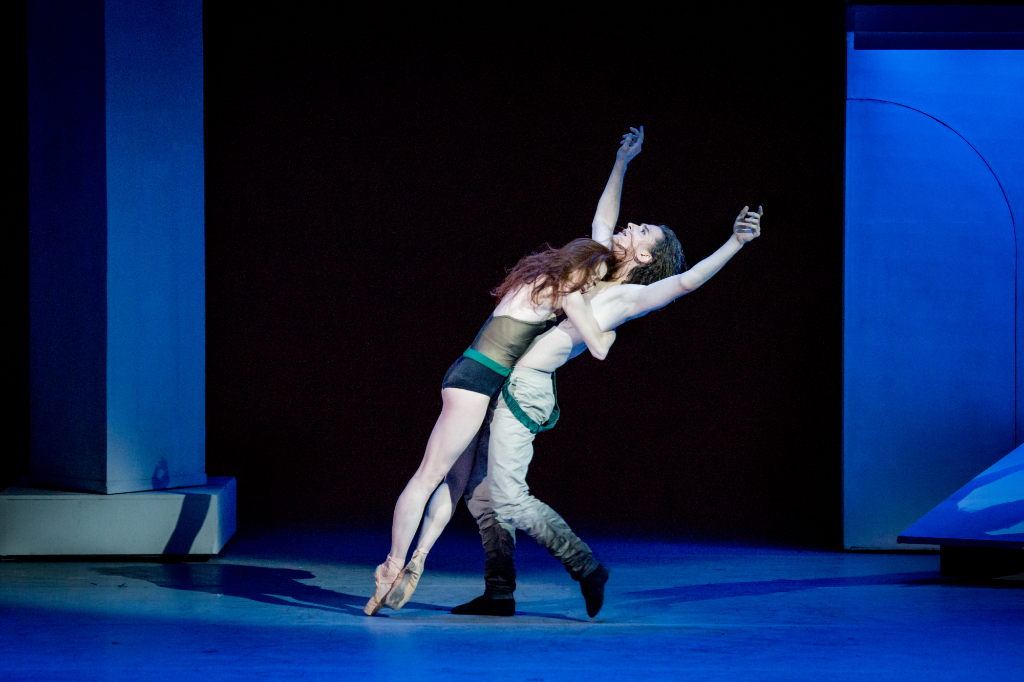
“The Taming of the Shrew”
The Bolshoi Ballet
David H. Koch Theater
New York, NY
July 28, 2017
The famed Bolshoi Ballet has given New Yorkers many tastes of its excellent classical repertory during the company’s visits over the years, but has gotten some understandable criticism for those selections – the classics are great, but was the company stuck in time and where were the new works? This year’s presentation of Jean-Christophe Maillot’s “The Taming of the Shrew,” which was set on the company in 2014 to music by Dmitri Shostakovich, was the troupe’s answer. While I’ve never been part of the camp that criticized Bolshoi for sticking with the old – after all, having a chance to see a gorgeous, expertly danced “Swan Lake” is hardly ever a bad thing – the new ballet did make me wonder why the troupe waited so long to dazzle us with the new, and when could we see more?
Maillot’s work, which was first reviewed on these pages during its worldwide cinematic broadcast in 2016, is even better live than on the silver screen, and is in all respects a different side of the company. The movement architecture and scene structures are all completely different from the company’s usual repertory, with a thoughtfully stripped-down style and accenting placed on the troupe’s stage presence and acting skills. It is hard to imagine that the novel steps, with their asymmetrical elements and overemphasized accent points, didn’t feel foreign to the dancers in the creation process, but they do exploit and extend the presentation of the dancers’ physiques and training. Even more so than with physicality, it is with the dramatic aspect that Maillot really tapped into the right vein and extracted from the dancers the type of nuance and detailing that few troupes and few works, at Bolshoi or elsewhere, are capable of showcasing.
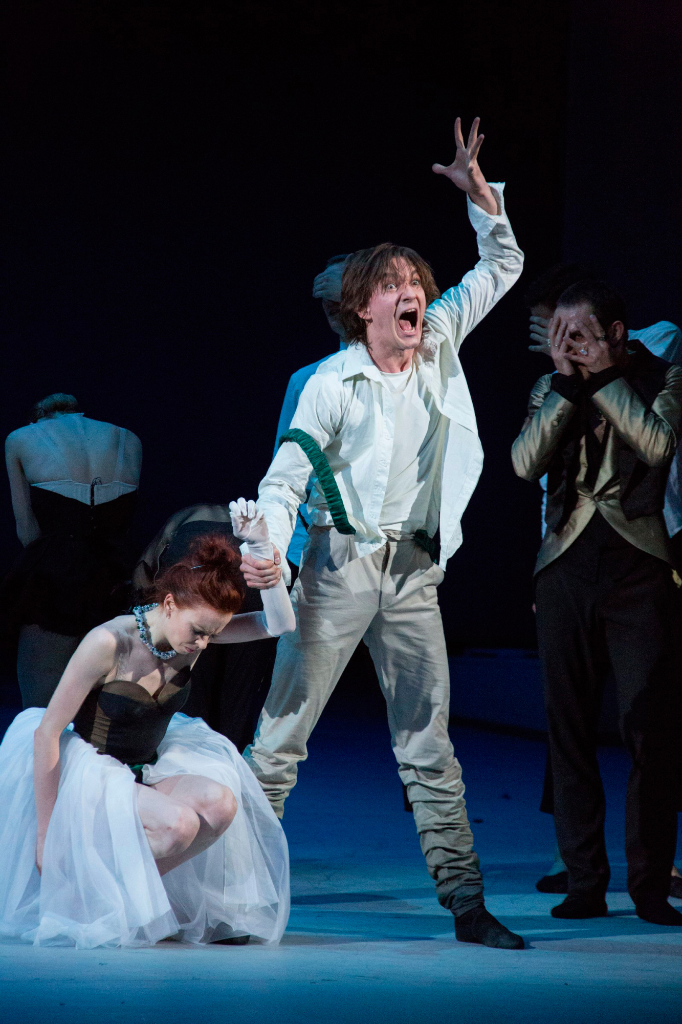
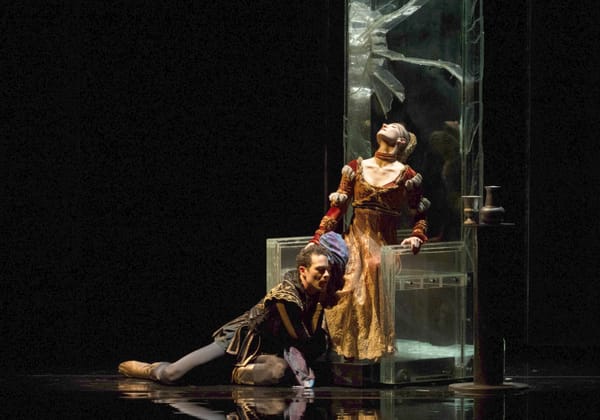
The original cast of Ekaterina Krysanova and Vladislav Lantrov were as good as ever in their respective roles of the challenging Katherina and boorish Petrucchio, showing the full range of their characters’ sentiments with detail but no over-exaggera- tions. When Krysanova walked across the stage during an earlier scene with Katherina’s suitors, it was easy to see and almost feel her boil with annoyance as her steps got heavier and heavier, and ultimately led to her pushing her character’s suitors with her foot to the ground and acerbically mock those around her. Lantrov’s Petrucchio was no worse – his late and drunk arrival during the wedding scene, falling down the stairs and all, was greeted with reprimands and disgust by Krysanova’s Katharina, and his hand gesture that erased a face screaming with rage to reveal a sort of composure before he taught her a lesson was a brilliant combination of eloquence and humor. This level of dramatic richness didn’t ebb even during their bedroom pas de deux later in the ballet, which looked almost tender and romantic, with the characters’ strength now channeled into passion.
The other leads, Olga Smirnova as Bianca and Semyon Chudin as Lucentio, this time seemed less central to the story and the dance. This couple was pretty, and their love story was endearing to watch, but overall the dancing didn’t take one too deep into their narrative. Still, their clean and sweet dancing and beautiful lines were lovely enough to bide the audience over during the lead couple’s disappearances from the stage. While this rendition in certain ways deemphasized the couple and the quality of their dancing, it did work to highlight that it was the more difficult relationship that was fun to watch unfold.
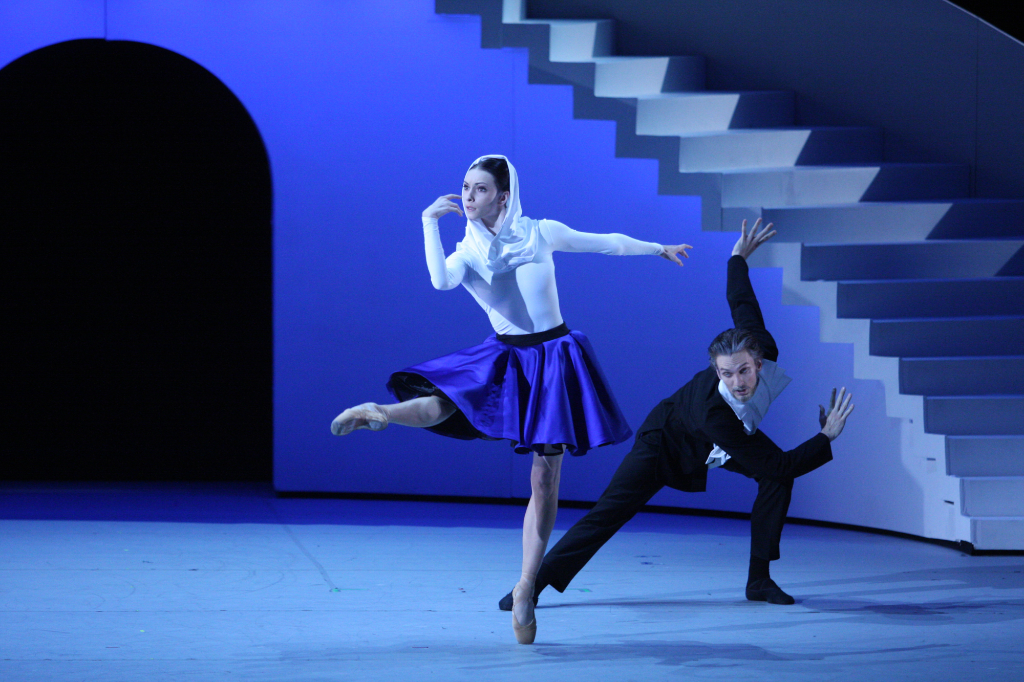
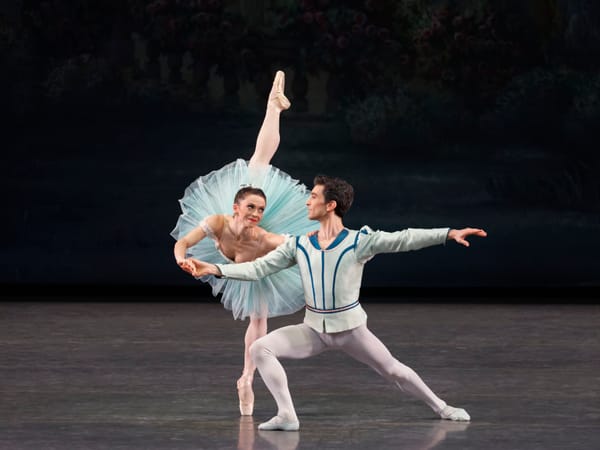
Drama aside, it seemed almost unfair that a troupe so excellent at the expressive tasks was also so perfect physically, with all of the technical feats looking crisp and effortless. In one spot Krysanova performed a perfect 180-degree turn in attitude, stopping the turn on pointe and pausing for a few seconds exactly opposite the other dancers on the stage, only resuming her dancing after the moment and her judgmental gaze had time to sink in. Elsewhere, Smirnova, as the elegant and polished Bianca, would lift her leg in a 90-degree developpé to the front with such impeccable-turn out and line that few ballet books would even dream of having as an example. The men, too, dazzled with technique, with Chudin’s manège jumps being of textbook quality, even in the fairly constricting pant and shirt costume, and Lantratov's breadth of movement and ballon working to enhance his uncontained character.
In many ways, this Bolshoi retained that quality of grandness and unabashed presentation that has come to mark its performance during the Grigorovich era and beyond, but it was different, a freer and more nuanced dancing. This Bolshoi was untamed and big, unhesitant to show the breadth of its spirit, but not at all doing it for grandness’s sake.
copyright © 2017 by Marianne Adams