A Troupe of Soloists
New Works and New Productions
“Easy”, “In the Night”, “The Runaway”, “Something to Dance About”
New York City Ballet
Opera House
The John F. Kennedy Center for the Performing Arts
Washington, DC
April 5, 2019
The dancers of New York City Ballet are artists in their own right. They may not be the masterminds behind the locomotive patterns in which they travel or the original composers of the movement they exude, but in the end, they decide what happens on the stage. Every tilt of the head, every extra inch of indulgent extension, and every breath expelled to propel their bodies through space (while guided by artistic directors and choreographers) is ultimately theirs—and it shows. The autonomy of the City Ballet dancers manifests itself in the way they own the repertory for which the company is so renowned. These potent artistic minds hiding behind the unassuming title of ‘dancer’ coupled with NYCB’s institutional yearning to invest in the future of contemporary ballet, while simultaneously honoring the dance makers responsible for its past success, informed the second program that NYCB presented at the Kennedy Center this past weekend.
This artistry prevalent in both dancers and choreographers gave rise to the vast range demonstrated by this program. NYCB’s strength certainly lies in the talent of its dancers and the diversity of its repertoire. The company performed four lively pieces —three in tribute to Jerome Robbins. The program started out with a bang, capitalizing on Justin Peck’s ingenuity and dynamic style in “Easy.” Peck is known for presenting the unexpected, as there is little distinguishable commonality to his extensive choreographic portfolio. In “Easy,” he devoted his creative energies to the dancer’s connection to their musical accompaniment. Saucy jazz riffs played by Clarinetist Steven Hartman filled the air while dancers jumped and jived. Pops of neon and sustained high energy made for a lively and colorful opening number.
Jerome Robbins’s “In the Night” followed as a classic treat. This intimate, alluring work was set to some of Chopin’s most recognizable nocturnes. The ballet is comprised of three duets, each sporting a different relationship and ambiance. The first was breathy and romantic, where the partners moved in practiced synchronization with great adoration for one another. Next came a pair radiating a more subtle regality. There seemed to be more of a disconnect or subdued passion in the way that the two dancers walked hand-in-hand, as if it was more for presentation than personal pleasure. The third and final pas de deux changed pace. The dancers were wild and flashy with an undeniable attraction that seemed to spurn more discord than harmony. Each duo exhibited a different kind of beauty, and all three were delightful to watch.
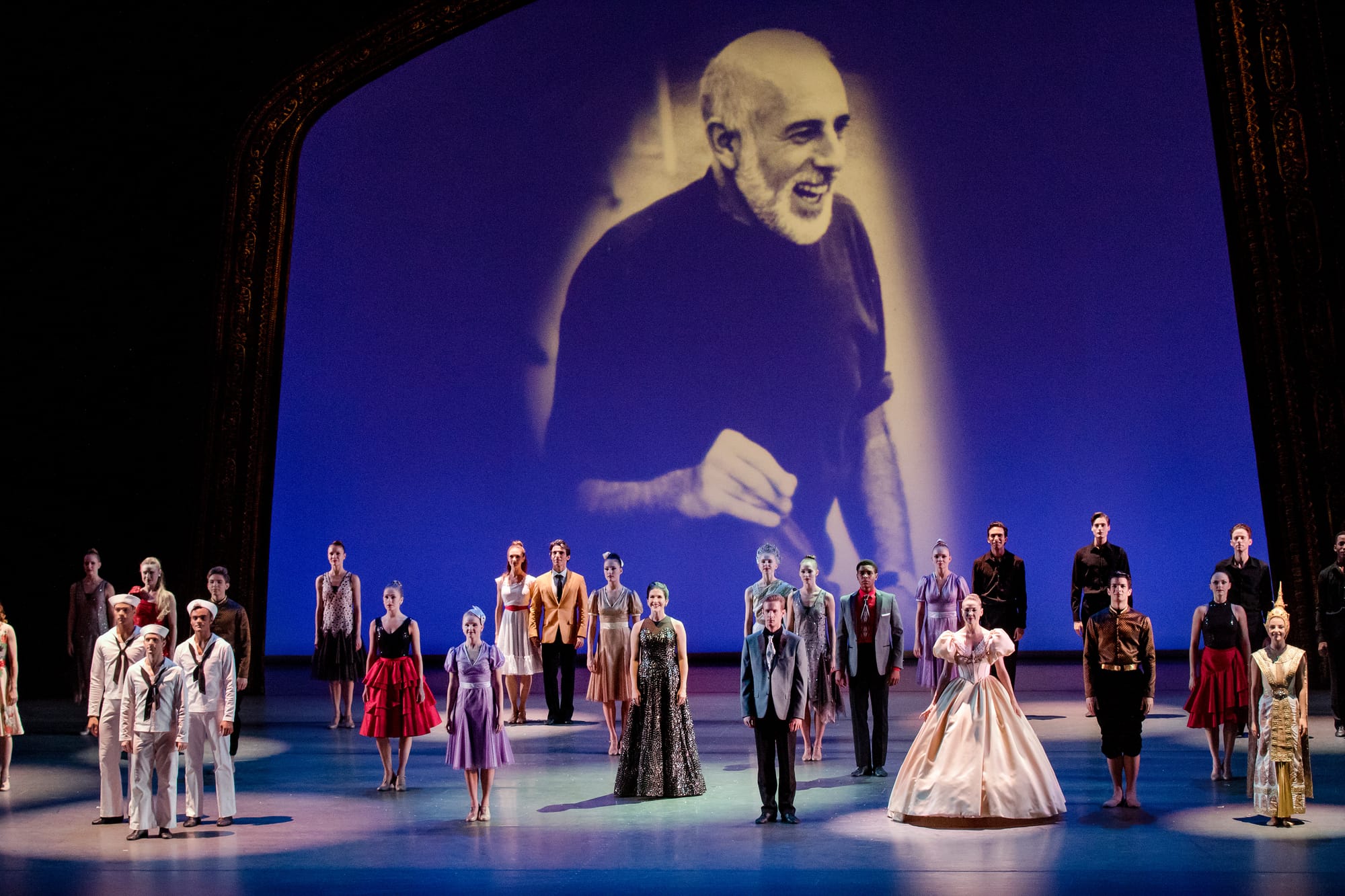
A compilation of works from Robbins’s illustrious Broadway career closed the program, featuring timeless sequences from such shows as “On the Town,” “West Side Story,” and “The King and I.” Lovingly staged by Warren Carlyle, the piece flowed well from one fictitious world to the next. The dance was also well executed, but one could tell that these were not Broadway dancers. This ensemble performed each theatrical segment like the ballerinas they are, which did not necessarily take away from the performance, but offered a different kind of stage presence. When Sara Mearns performed the lead role in “America,” I may not have really believed the character, but I surely believed in the quality of the dance.
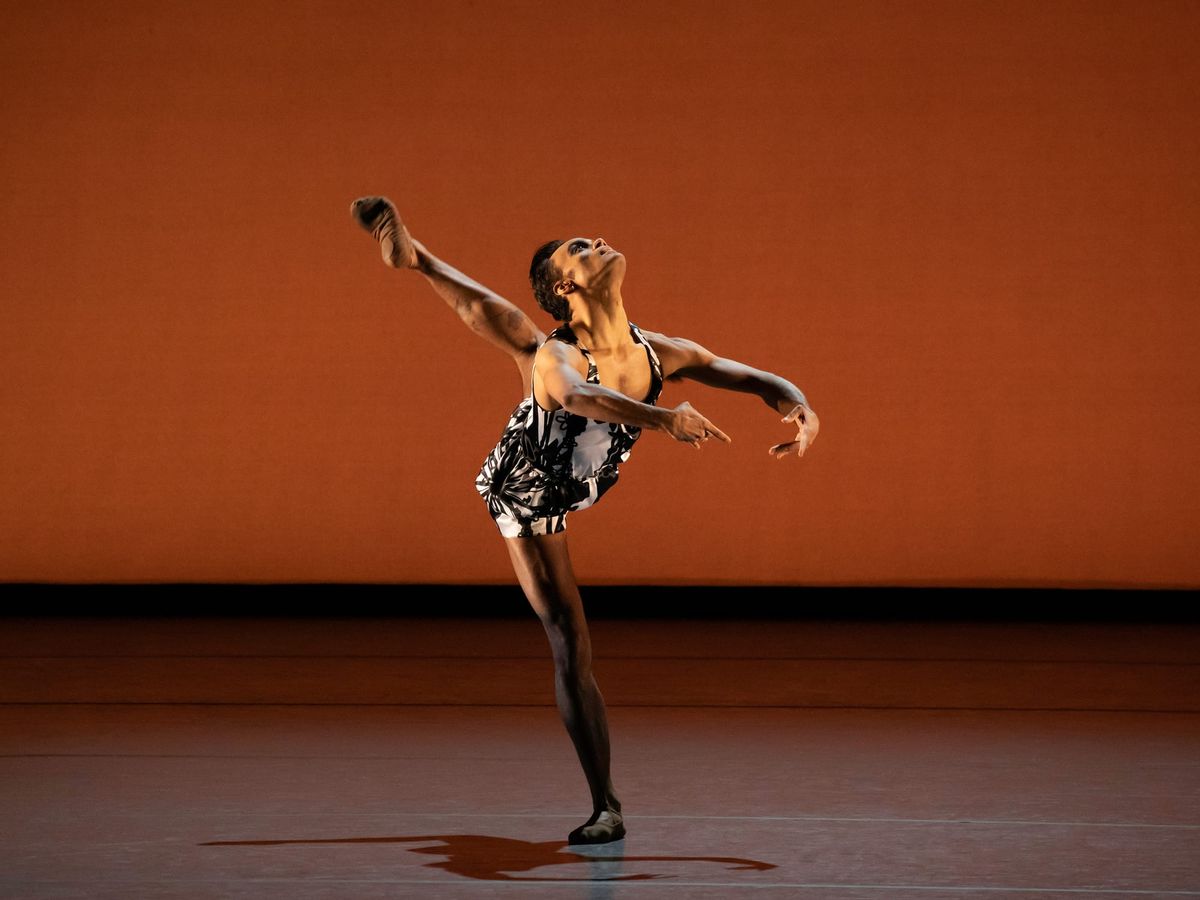
Caught in between Robbins’s works was Kyle Abraham’s “The Runaway.” A dazzling piece due to its novelty, it proposed what could be next for dance. Like most innovative ballets, there were moments that worked, and there were moments that bred dissonance. “The Runaway” began with an breathtaking solo performed by Taylor Stanley, embodying the soft piano notes that accompanied his physically demanding display. Once he left the stage, other dancers came and went, performing little ditties and leaving again. Eventually, Stanley returned to continue his movement motif, when all of a sudden, he stilled. Kanye West’s voice filled the theater. Bright orange and purple hues exploded across the cyclorama housed upstage. It seemed we were no longer in ballet land. The dancers maintained their technical poise, but commanded a more aggressive, explicit power in their performance with this newly introduced hip-hop sound. It was both invigorating and slightly disarming to see these two contradictory elements blended together, like oil and water somehow mixing.
My only qualm came when the performers danced in unison during certain points in the piece. It felt distracted and elementary — in other words, for the sake of exhibiting skill, rather than for the continuation of the piece. NYCB’s ensemble is made up of talented, independent artists, and seeing these dancers perform sequences together leaves something left to be desired.
NYCB’s second program hit its mark in paying homage to Robbins while also presenting something entirely new. The solo works were stunning and the duets were remarkable, but when it came time to revel in the full potential of an ensemble with such magnitude, the sequences performed together fell a little flat. The reason for this fault lies in what I see when I watch the City Ballet: a unified troupe of dancers all born to be soloists.
copyright © 2019 by Arielle Ostry



