A Golden Classic
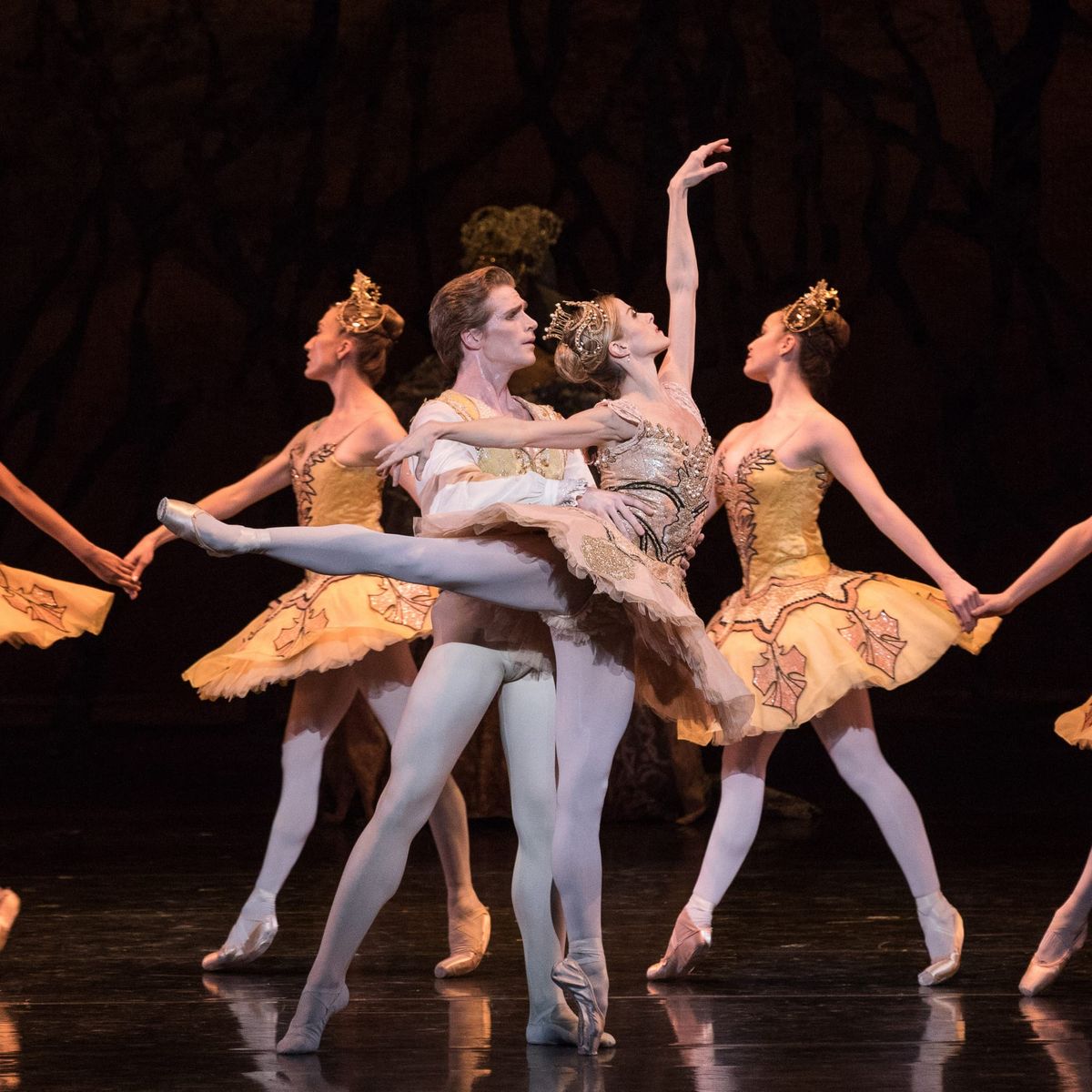
"The Sleeping Beauty"
The National Ballet of Canada
Four Seasons Centre for the Performing Arts
Toronto, Canada
March 17, 2022
Rudolf Nureyev's The Sleeping Beauty is a signature ballet for the National Ballet of Canada. A lavish production with challenging choreography for the whole company, it has been used to mark many special occasions. It opened the inaugural season at the company's current home, the Four Seasons Centre for the Performing Arts, in 2006. This ballet was also a highlight of the company's 60th anniversary. The last time they performed The Sleeping Beauty in Toronto was in 2018, marking Marius Petipa's 200th birthday. This year, the production turns 50. The NBoC has come a long way since its premiere and Nureyev's production, a huge investment at the time, has paid off and then some. It continues to be a touchstone for company dancers.
During the pandemic, the company commissioned a few new works for video and outdoor presentation. Often these were intimate works for a small number of dancers due to pandemic restrictions. How special it was then to see a large scale production after so long. The dancers were in fine form, from the corps de ballet to the soloists and Heather Ogden and Harrison James as Princess Aurora and Prince Florimund.
Ogden has been dancing Aurora for much of her career. She has always had the technical mettle to consistently make it through the difficult choreography, but now she adds more warmth and serenity to her interpretation. She can still balance for days (indeed, in the first set of balances of the rose adagio, she barely touched her fourth suitors hand, just tapping it before bringing her arms back up to fifth position) but her approach is softer and quietly assured. If she could be faulted for anything, it is for making the steps look too easy.
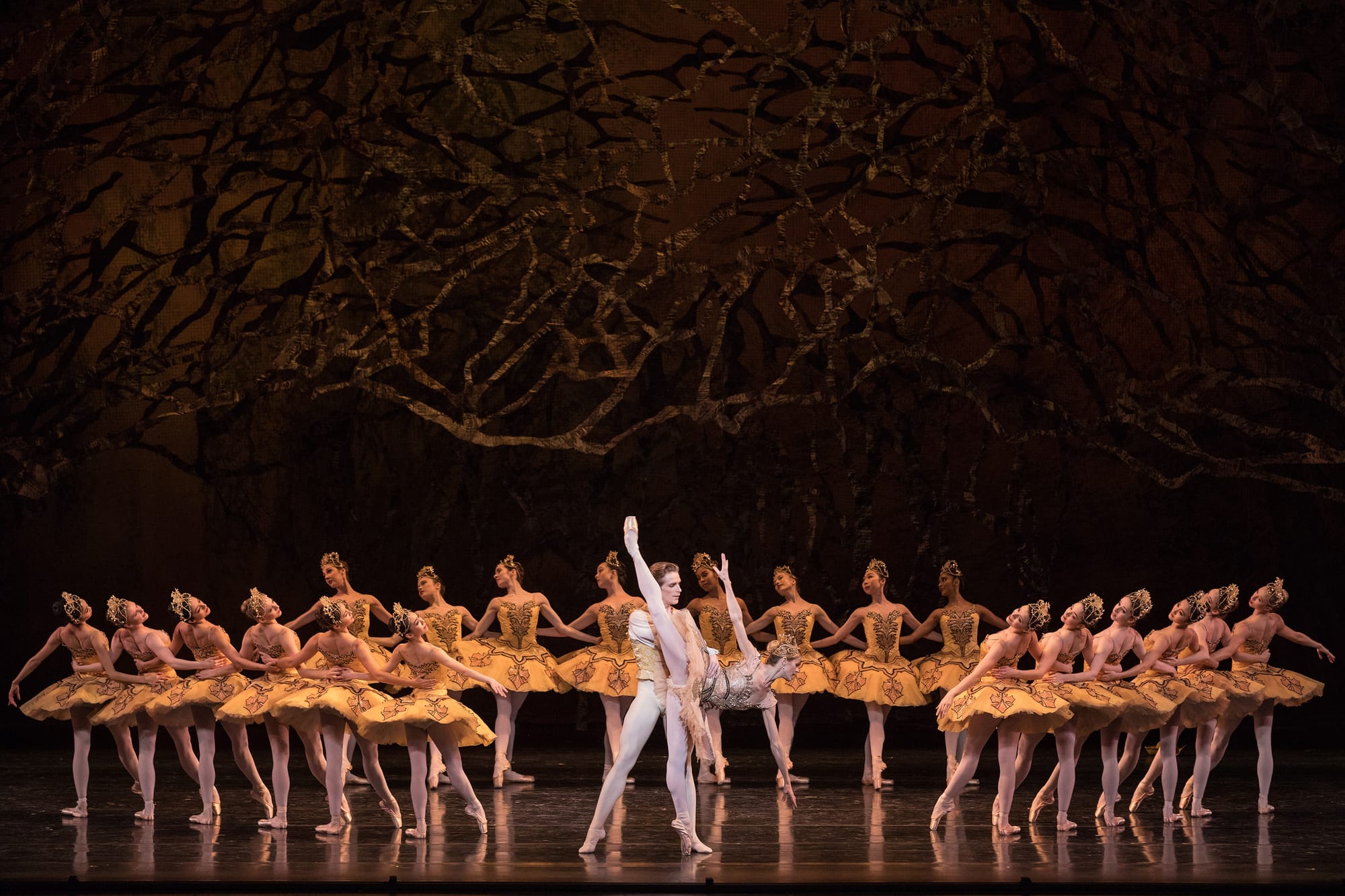
James was the true star of the evening, however. Nureyev's staging puts the Prince front and centre. He added several treacherous variations in Act II for himself. One variation in particular is filled with long adage segments interspersed with difficult pirouettes, quick changes of directions and a few grand allegro steps thrown in for good measure. James somehow managed to make this everything but the kitchen sink variation flow seamlessly and poetically. His attention to details – clean lines, precise placement and facial expressions – give him a convincingly regal bearing. Another variation reads like a very difficult pirouette exercise from ballet class. Not only does James nail the turns in both directions, he uses it to convey the Prince's fastidiousness, talent and virtue.
Rebekah Rimsay and Tanya Howard were perfect foils for one another as Carabosse and the Lilac Fairy respectively. As in Marius Petipa's original version, the Lilac Fairy here is a character role, matching Carabosse visually with a long, heavy, shimmering gown. Her soft shoes are hidden under the skirt, allowing for fast, tiny steps that give the illusion of floating on top of the floor like a Beryozka dancer. Rimsay's pantomime was clear and very dramatic.
The variations usually assigned to the Lilac Fairy belong to the "Principal fairy" who wears a blue tutu. In her debut in this role, second soloist Genevieve Penn Nabity made a lasting impression. Her dancing is solid and confident with expressive port de bras. She finds musical accents that add exclamation marks to her movement phrases. More than anything though, she truly appeared to be enjoying herself. Finally, Naoya Ebe and Tina Pereira gave a standout performance in the Bluebird pas de deux. Both were technically brilliant and light as air. The corps de ballet were musical and coordinated, providing a strong backbone for this performance.
copyright © 2022 by Denise Sum



