Women, Center Stage
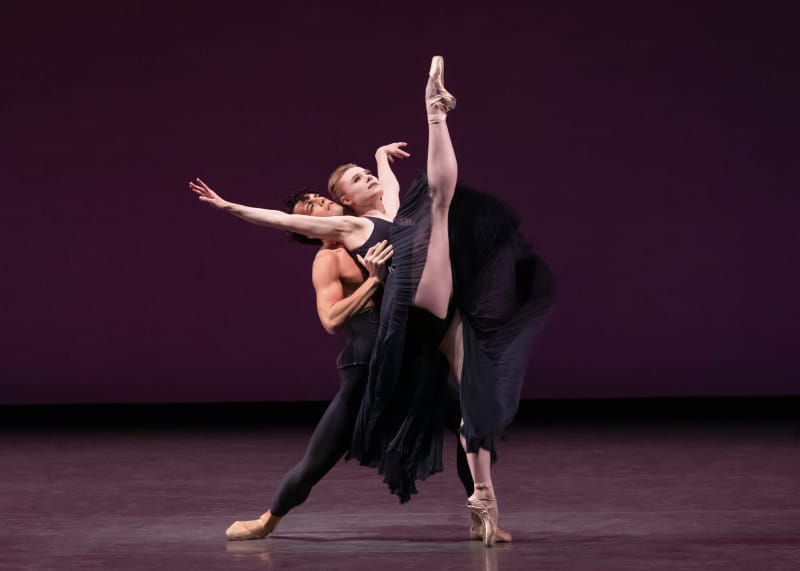
“Signs,” “Beneath the Tides,” “Concerto for Two Pianos”
New York City Ballet
David H. Koch Theater
New York, NY
October 11, 2024
In the Contemporary Choreography program of recent ballets by all female creators, including this season's world premiere, New York City Ballet presented rich dancing and a level of comfort with the material that is seldom seen with newer works. It may not have been the best choreography the company has in its repertory, but all three works were excellent vehicles for the dancers to explore ways to make the roles their own, and in all three the cast capitalized on the opportunity.
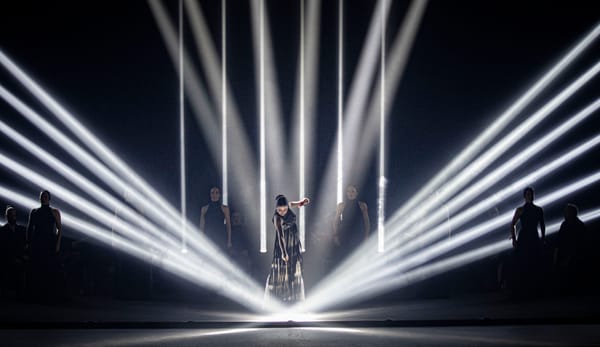
As a semi-premiere this season, “Signs,” a ballet created by Gianna Reisen in 2022 for the School of American Ballet, was being shown with a professional cast and a now more seasoned Olivia Bell in the lead (she originated the role while still a student). The ballet itself is imperfect, and in some sections struggles to make the most of the repetitive Philip Glass score and avoid cliché treatments of mirroring the musical repetition in the steps, such as when the dancers keep moving in a row from one side of the stage to the other again and again. Yet, it more than makes up for these misses with many unique moments that allow for intimate glimpses into the dance world and personal touches.
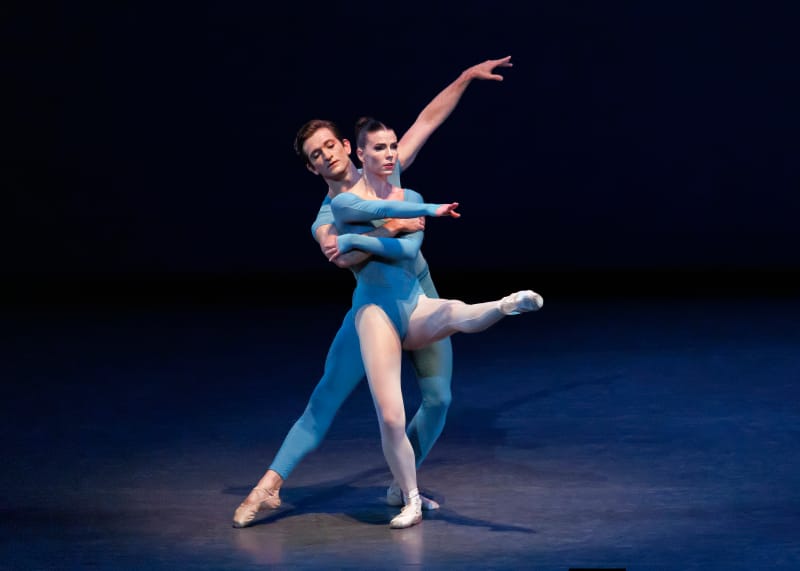
From the opening tableau with Bell standing by the piano and four couples locked in embraces on stage, to Bell’s solo later on where she made eye contact that felt like a real connection with the pianist Michael Scales, the ballet often seemed like Bell’s duet with the musician, and really the music itself. The varying other moments, like Bell giving cues in the choreography and “directing” the dancers – steadfastly but with tender care, as though not wanting to err in her instructions – were a further element that felt like an earnest invitation to peel the curtain and show how the dancers feel the work, and not just perform it. So many of the scenes were imbued with an authentic genuineness and warmth that it favorably underscored the cooler and deeper presence by Mary Thomas MacKinnon, in a debut. Dancing with Harrison Coll, the richness of movement from this ballerina made the choreography, with its various abrupt holds and accents, feel abbreviated and not luscious enough for what she was clearly capable of showing. It made one wish to see her cast in more leading roles, and reveal more of herself as an artist.
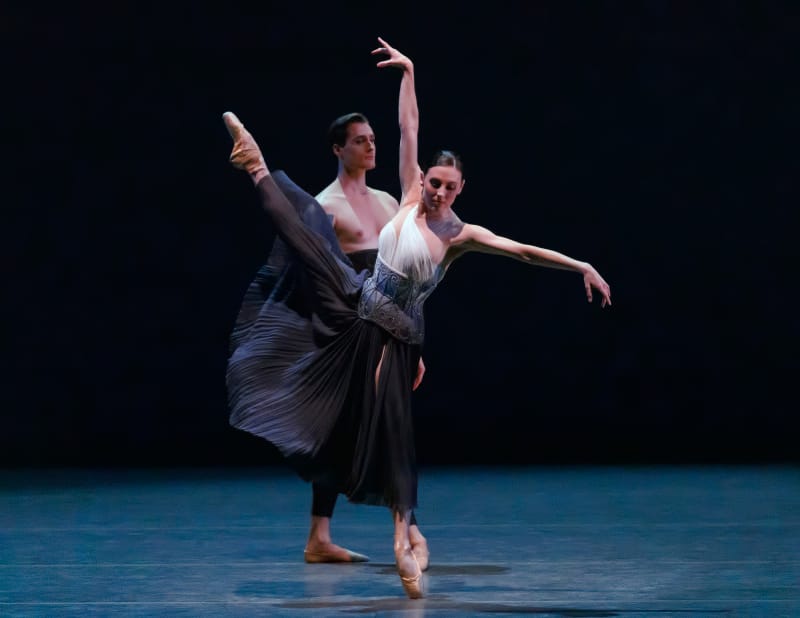
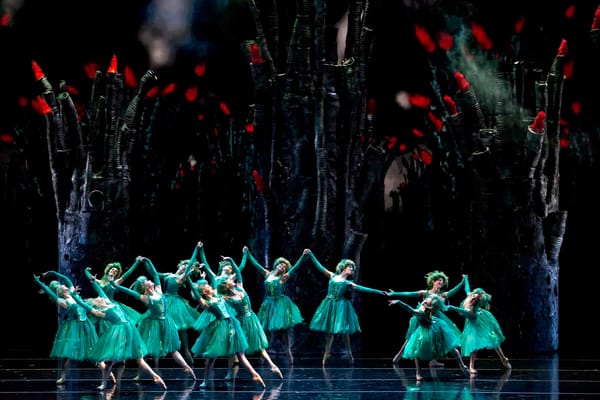
This younger cast rivaled the old hands in the new “Beneath the Tides” by Caili Quan, which premiered during the Fall Gala and leaned heavily on the talent of Sara Mearns and Tiler Peck. Starting off in silence with dancers on stage and Mearns held up in an arabesque lift, the work proceeded with choreography that tried to be innovative, but ultimately fell short of that goal and the fullness of Camille Saint-Saëns’s music. There were the arabesques that started turned out and then had the working leg suddenly turn in, the wandering and wistful walking steps, but ultimately little embedded meaning. Fortunately, the ballerinas brought their own style and drama. Peck and Mearns looked like they were dancing extemporaneously, with Peck adding accents and lilt to the poses, making hers a very elegant, refined form of dancing of the sort we rarely see from this fast turning, joyful technician. For her part, Mearns brought her trademark brooding drama, though her dancing felt more like going through the motions, beautiful though they were, compared to Peck who seemed determined to make the ballet work.
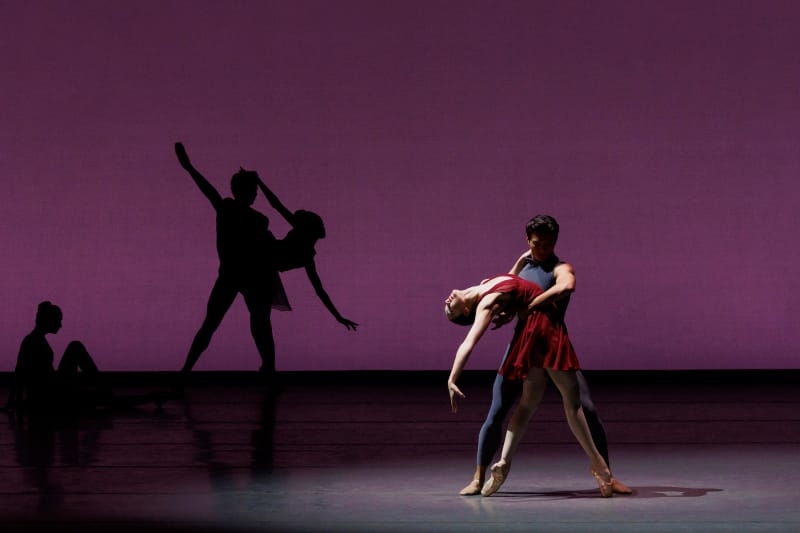
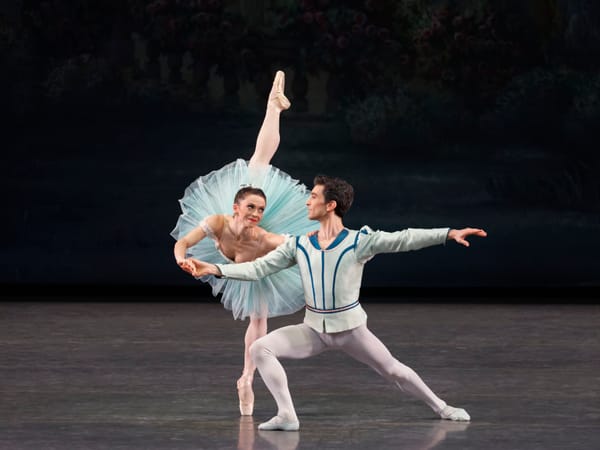
The dancers in Peck’s own “Concerto for Two Pianos,” which followed, echoed that commitment. This ballet somehow looked fresher than during its February premiere, with both Roman Mejia and Mira Nadon clearly having settled into their roles and found a solid footing in the choreography. They seemed comfortable with the very intricate steps, and that opened the door for freer artistic treatment – more playfulness, accents and flow, all intuitively distributed. Of note too were Emma Von Enck and Chun Wai Chan, whose dancing was crisp, polished and looked like a lot of fun.
copyright © 2024 by Marianne Adams