Thank you to George Jackson, a Mainstay of this Site
April 29, 2021
Washington, DC
by Alexandra Tomalonis
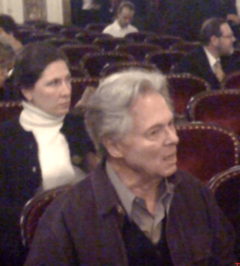
When I posted George Jackson's most recent review, I noticed how many pieces he has written for DVT — not to mention its predecessors, Washington DanceView and DanceView. (He also has written regularly for the Washington Post, Dance Magazine, Dance Now, the German magazine Ballett, and other publications.) 365 reviews – 365!! just for this site! – of ballet, modern dance, ethnic dance, and books as well. I was going to wait for a big birthday to write a piece like this, but then thought it might encourage others to write, and be active in dance during this horrible time, if they could read about how much this remarkable man has accomplished. He’s probably writing at this very moment.
George was born in Vienna, and had to escape to London as a very young boy — riding alone on a train — to be with cousins when the Nazis conquered Austria. He was eventually reunited with his parents, and the family moved to Chicago, where George grew up. He saw his first ballet performance when he was 14 and fell deeply in love with the art form. He saw everything he could, and went on to study at the University of Chicago, becoming a microbiologist. He used his scientist’s eye and analytical mind to comment on what he saw, but his writing is vivid, descriptive as well as analytical. George has been extremely helpful to me throughout my career. He was writing for the Post when I wrote my first review, and was always encouraging, offering gentle suggestions and comments. I have learned so much from him. It seems as though he has seen everything in dance, often watching a matinee in the suburbs, a late afternoon performance in a downtown church basement, then dashing to the Kennedy Center for the evening show. He travelled frequently for his job at the FDA, and would stop off in two European cities on the way to an international meeting, and two on the way back to keep up with the dance world there. George may have known everybody in the dance world, but he didn’t shill for anyone. I remember one night having dinner with some dance people after a performance, and when George joined after after writing his review for the Post he said to the choreographer, “I’m afraid you won’t like what I have written.” Everyone laughed, and the dinner continued. When I started Washington DanceView, four months after I wrote my first review for the Post, George wrote a piece for it, which made people take the publication seriously. He had a piece in every issue. He’d take a dozen copies of it up to New York to give to friends, and he could not have been more encouraging. He is a very kind and generous man and has encouraged other young writers as well. Obviously, George Jackson is tireless. During the pandemic, when there is little or no dance to watch, he’s been writing book reviews. His work is invaluable, beautiful writing telling the story of half a century of dance. And when the pandemic ends, I can’t wait to read how he views the post-COVID era.