One of the Boys
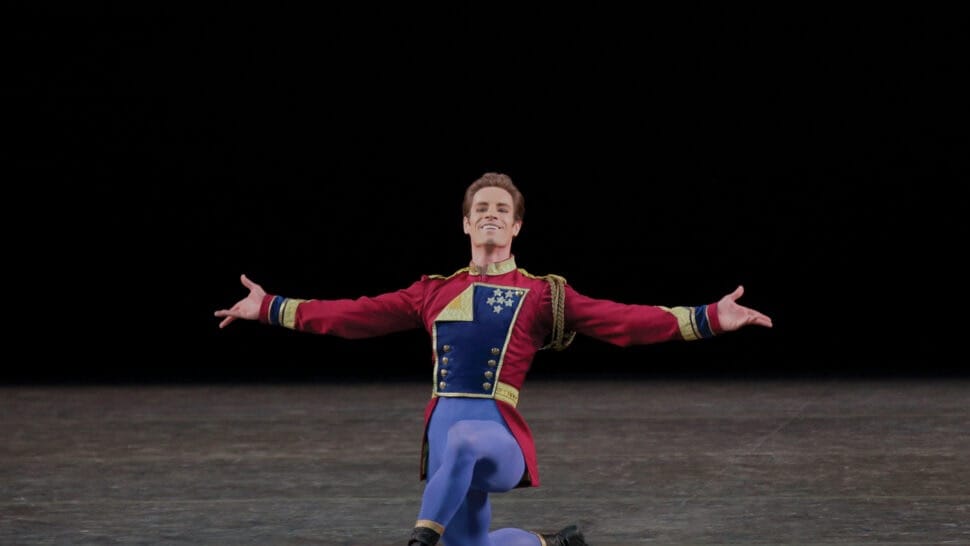
"Glass Pieces", "Chiaroscuro", "Cool", "Pas de Deux from 'Stars and Stripes'"
New York City Ballet
David H. Koch Theater
Lincoln Center
New York, New York
May 25 matinee, 2025
Andrew Veyette gave his last performance this afternoon, after 25 years with the New York City Ballet, 18 of those as a principal. I first noticed him as the lead in “Two Birds with One Wing”, a ballet choreographed by Jean-Pierre Bonnefoux for the 2006 Diamond Project. Like many Diamond Project works, it flew once and disappeared, but I was very impressed by his strong beats and powerful presence; I was not the only one, I guess, since he was promoted to principal the next year. Though he was a powerful classical dancer, his down-to-earth persona gave a special twang to ballets like “Stars and Stripes”, “Rubies”, and “Slaughter on Tenth Avenue”. He was especially vivid in Jerome Robbins’ works—his rhumba sailor in “Fancy Free” was a puffed up macho marshmallow, so gloriously confident he was impressing the ladies, and his hen-pecked husband in “The Concert” was a comic joy.
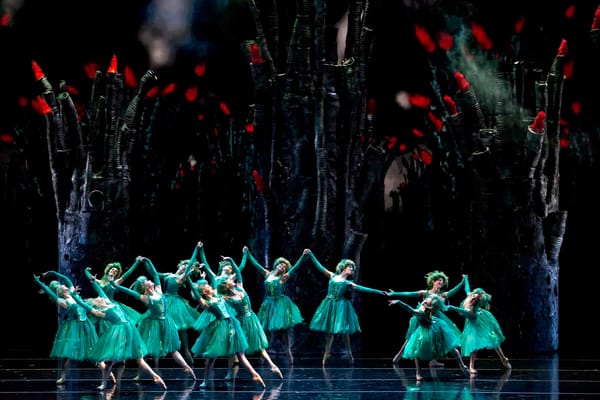
Andrew Veyette’s farewell performance was a celebration, of course, of his gifts, but also of the company. He chose to open the afternoon dancing with the corps in the final movement of Jerome Robbins’ “Glass Pieces”, charging on (to great applause) in that cohesive group of men, who chugged around the stage to that percussive rhythm in exciting symmetry, each dancer timing their hiccuping little jumps perfectly, almost sending sparks from their feet. His retirement program was strenuous, a bit too ambitious as it turned out. After the aerobic energy of “Glass Pieces”, he danced the complete “Chiaroscuro”, a concentrated emotional outpouring, sang and danced Riff in the “Cool” section of Jerome Robbins’ “West Side Story Suite”, and had scheduled the grand pas de deux from “Stars and Stripes”. This was shortened, apparently at the last minute (there was a very long pause before it started), and he and his partner (his wife Ashley Hod in her debut) danced the adagio, then watched from the sidelines as the corps paraded in. He did get a break in the middle as Emma Von Enck and David Gabriel led a scintillating performance of Balanchine’s “Ballo della Regina”.
Retirement programs are not really about the dancing, of course, they are about gratitude for past performances, but there did seem to be a special electricity in all the dancers, beginning with the “all boys together” camaraderie of “Glass Pieces”. Making the corps such an important component of his retirement was an unusual and generous gesture to Veyette's fellow dancers.
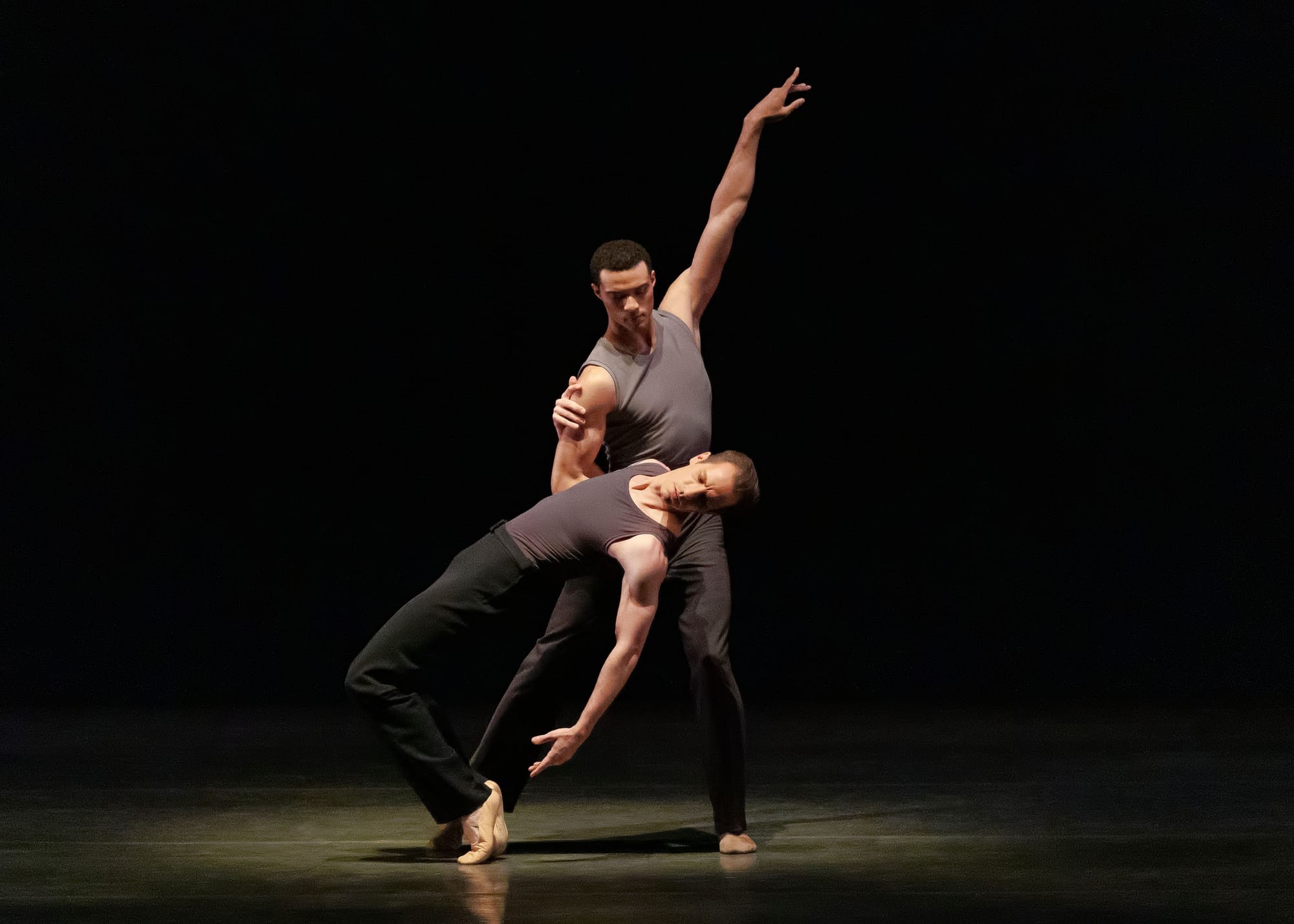
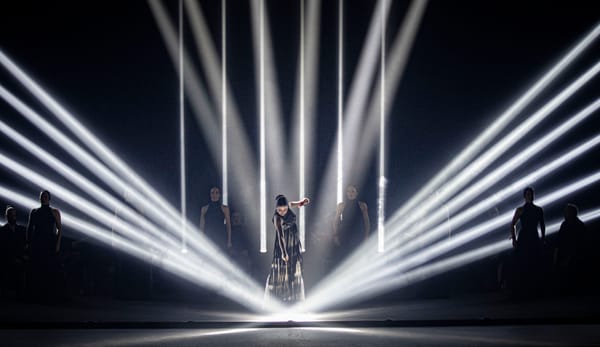
Lynne Taylor-Corbett’s “1994 “Chiaroscuro”, with its suggestion of a life examined, could well become a retirement staple. It was so moving to see Daniel Ulbricht (who had also danced in “Two Birds with One Wing” all those years ago) tossing off multiple pirouettes as if there was no tomorrow, Preston Chamblee’s dignified and weighted walk as he supported Veyette, and the three women, Ashley Laracey, Olivia MacKinnon, and Brittany Pollack, so different yet so lyrical.
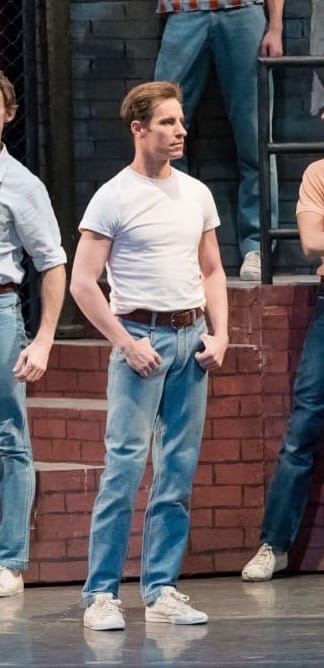
There is nothing lyrical about “Cool”, with Veyette and the Jets snapping their fingers and swaggering through the Bernstein music. Veyette has a fine singing voice and performed the lyrics with a gravelly earnestness. Though it was a man’s world, there were three female Jets on stage, performed by Alexa Maxwell, Unity Phelan, and Indiana Woodward, who danced their brief trio with intoxicating eagerness; a lovely farewell gesture.
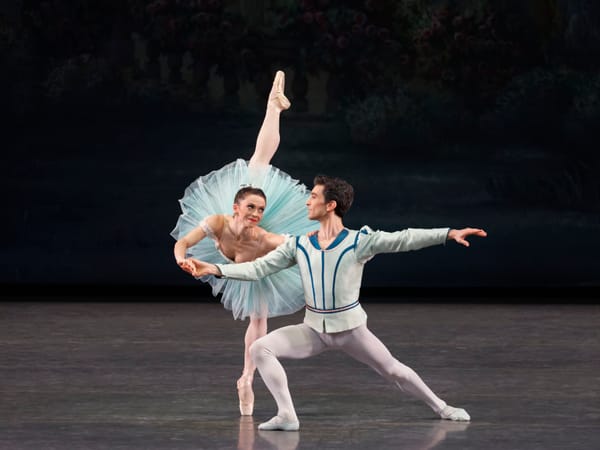
So too was NYCB’s casting of Ashley Hod as Liberty Belle, even though she didn’t get to dance her solo. The last minute switches make it even more inappropriate to judge the performance but I was very taken by her calm and noble approach—there was no “I’m wearing a cute hat, watch me smirk” demeanor. The three campaigns were led with snappy precision by Erica Pereira, Megan LeCrone, and Daniel Ulbricht, and it was so much fun to watch Hod and Veyette standing on the side, drinking it all in.
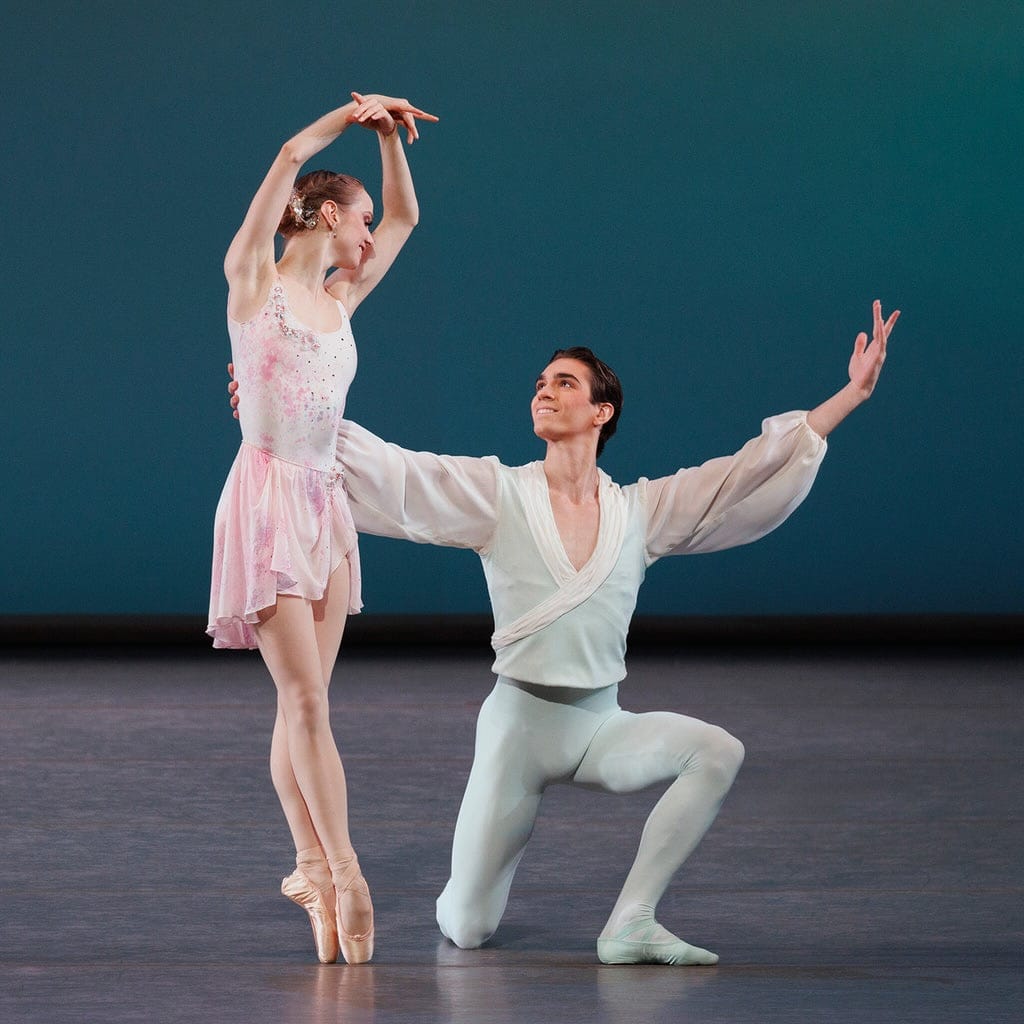
I hope he got a chance to watch “Ballo della Regina”, which was an explosion of joy. Von Enck looked like she had diamonds for feet as she flew through the rapid petite batterie with ease and grace, including a crisp and clear Plisetskaya leap. She even got to toss of some fouettés, which she did with ease, stopping just before anyone could start counting. Gabriel too, seemed to have no trouble with the technical challenges, tossing off double cabrioles and pirouettes, and jumps that seemed to float on the air. He was also a fine partner--the piece had some very tricky moves as he often had to catch Von Enck in the middle of a turn, sometimes with one hand. Technically he was very good, but what was even more impressive, he looked calm and happy, as if dancing with Von Enck was the most wonderful thing in the world. It seemed like a glimpse of the future on an afternoon spent looking back in gratitude.
© 2025 Mary Cargill