Looking Backwards
"Ballet Imperial", "The Dream"
American Ballet Theatre
David H. Koch Theater
Lincoln Center
New York, New York
October 26, 2023
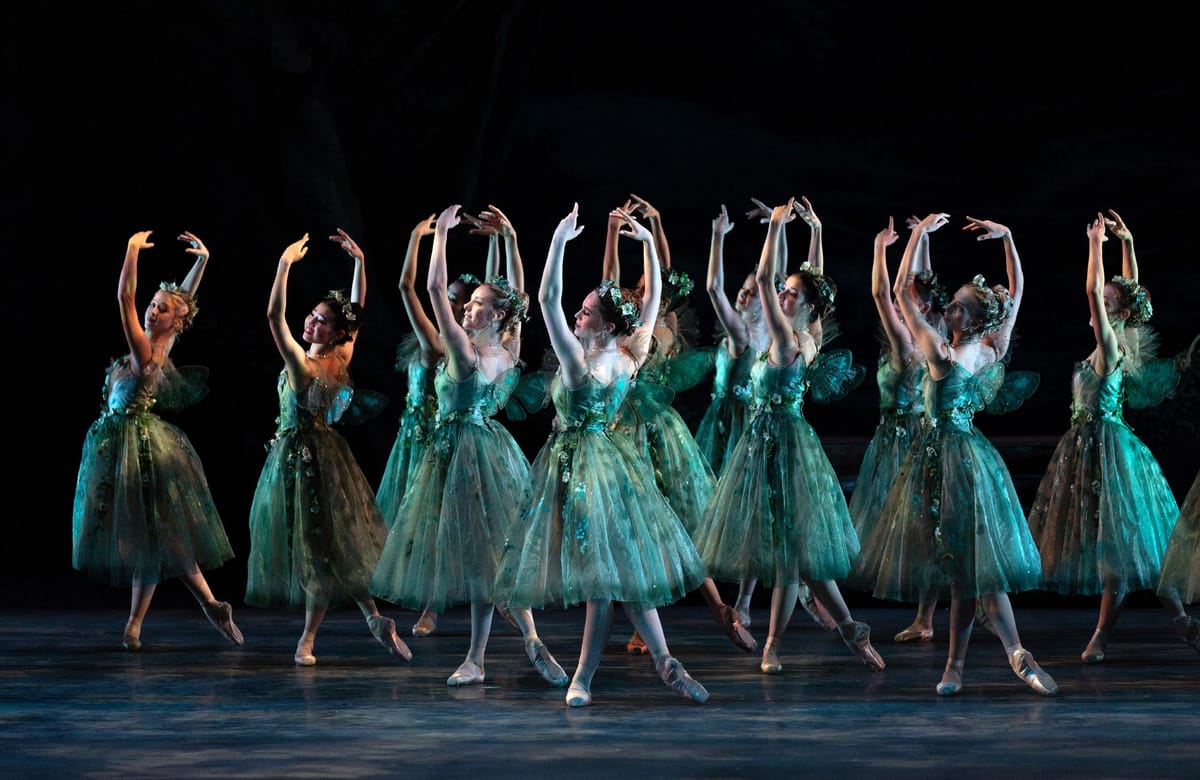
ABT’s “Ballet Imperial”, familiar to New York audiences as NYCB’s “Tschaikovsky Piano Concerto No. 2”, uses scenery and costumes based on the original Rouben Ter-Arutunian designs for the 1964 NYCB revival of the 1941 ballet when it was still Imperial (the glimpse of old Russia in the background and the elaborate tutus were replaced in 1973 by a plain backdrop and chiffon shifts). 1964 was also the 400th anniversary of Shakespeare’s birth, and the great British choreographer helped celebrate it with his version of “A Midsummer Night’s Dream”, a one-act condensation set to Mendelssohn’s 1842 incidental music composed for the play. Ashton’s ballet often looks back to the Romantic ballet of the period, with delicate footwork, tilted torsos—four fairies even give us a glimpse of the famous “Pas de Quatre” pose. But Balanchine and Ashton were not choreographing simple pastiches, and both ballets have a timeless beauty, with choreography rooted in the past but always fresh.
“The Dream” is a clear and concise retelling of the Shakespeare play, while “Ballet Imperial” is a much more oblique homage to the great Petipa ballets. It does not try to retell “The Sleeping Beauty” or “Swan Lake” but though there is no narrative (though the original version did have a detailed mime scene for the unnamed prince) there is a haunting afterglow of the emotions those great ballets evoke. There was also, unfortunately, a disruptive rat-tat-tat from the dancers’ shoes in both ballets, which was odd, since at the Met the ABT dancers move with an impressively silent control.
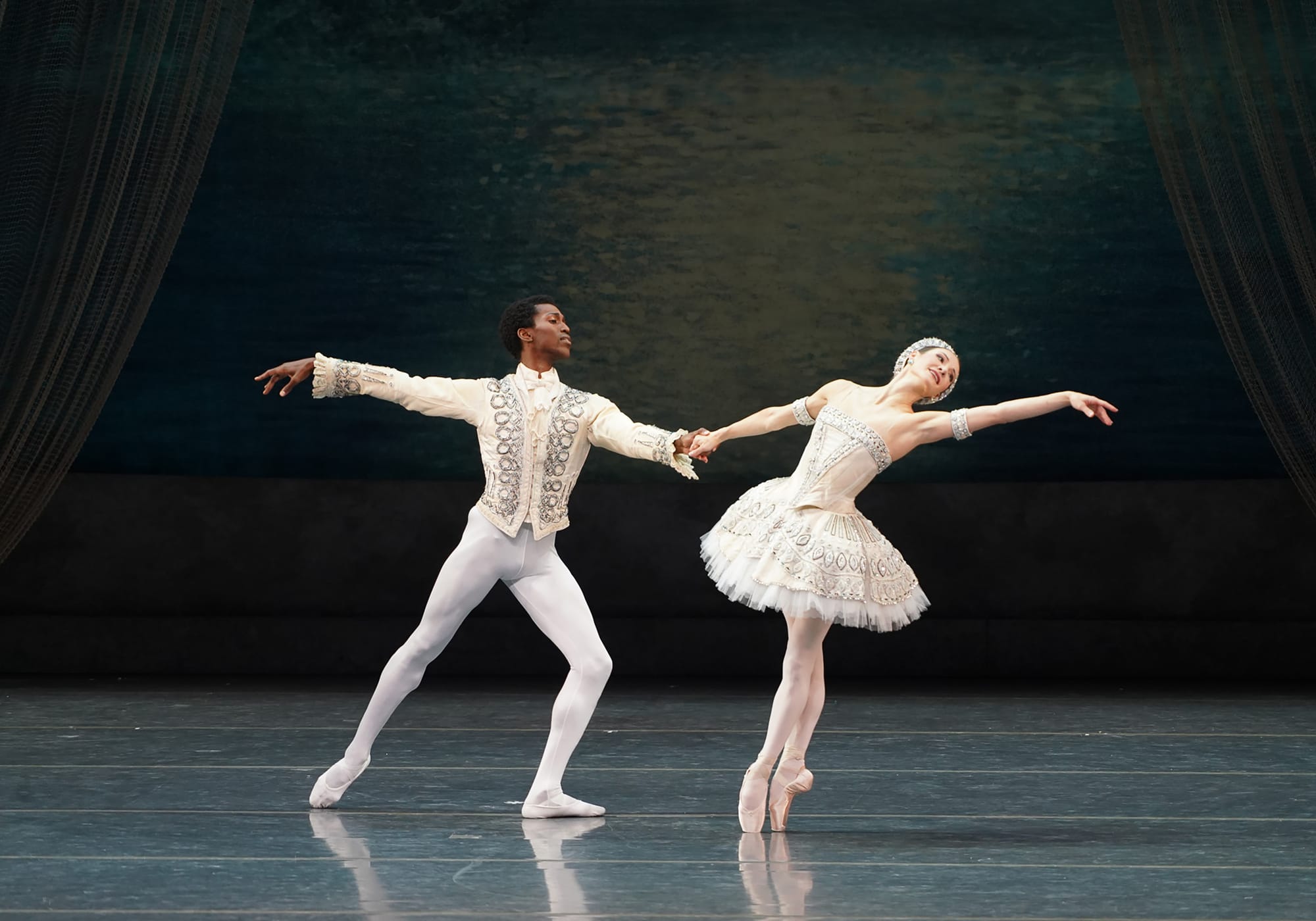
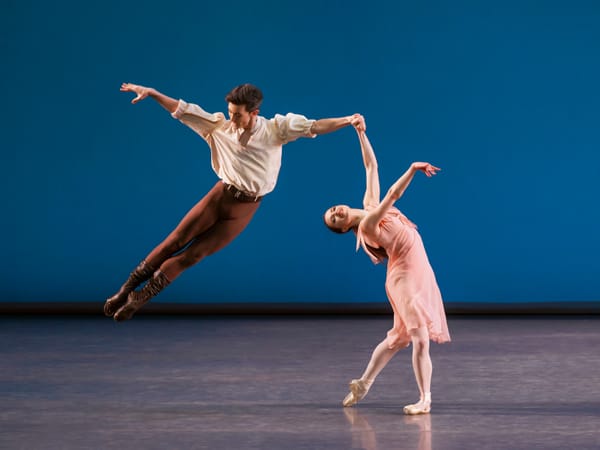
Christine Shevchenko and Calvin Royal III danced the anonymous royal couple in “Ballet Imperial”, supported by Chloe Misseldine as the gracious soloist, with hints of the Lilac Fairy. The Ter-Arutunian costumes create a proper distinctive hierarchy, unlike the current NYCB one’s, and the classic tutus emphasize the corps rounded arms though the freedom the looser chiffon skirts allow is missing; both versions have their distinctive beauties and it is a great gift to have both. Shevckenko’s style is vertical and controlled, so the ballet looked very different from the recent NYCB version. She replaced much of the speed and daring with clarity and poses, showing moments of sculpted beauty and her series of fouettés was radiantly centered, though her dancing was presentational, as if she were demonstrating shapes and emotions rather than living them.
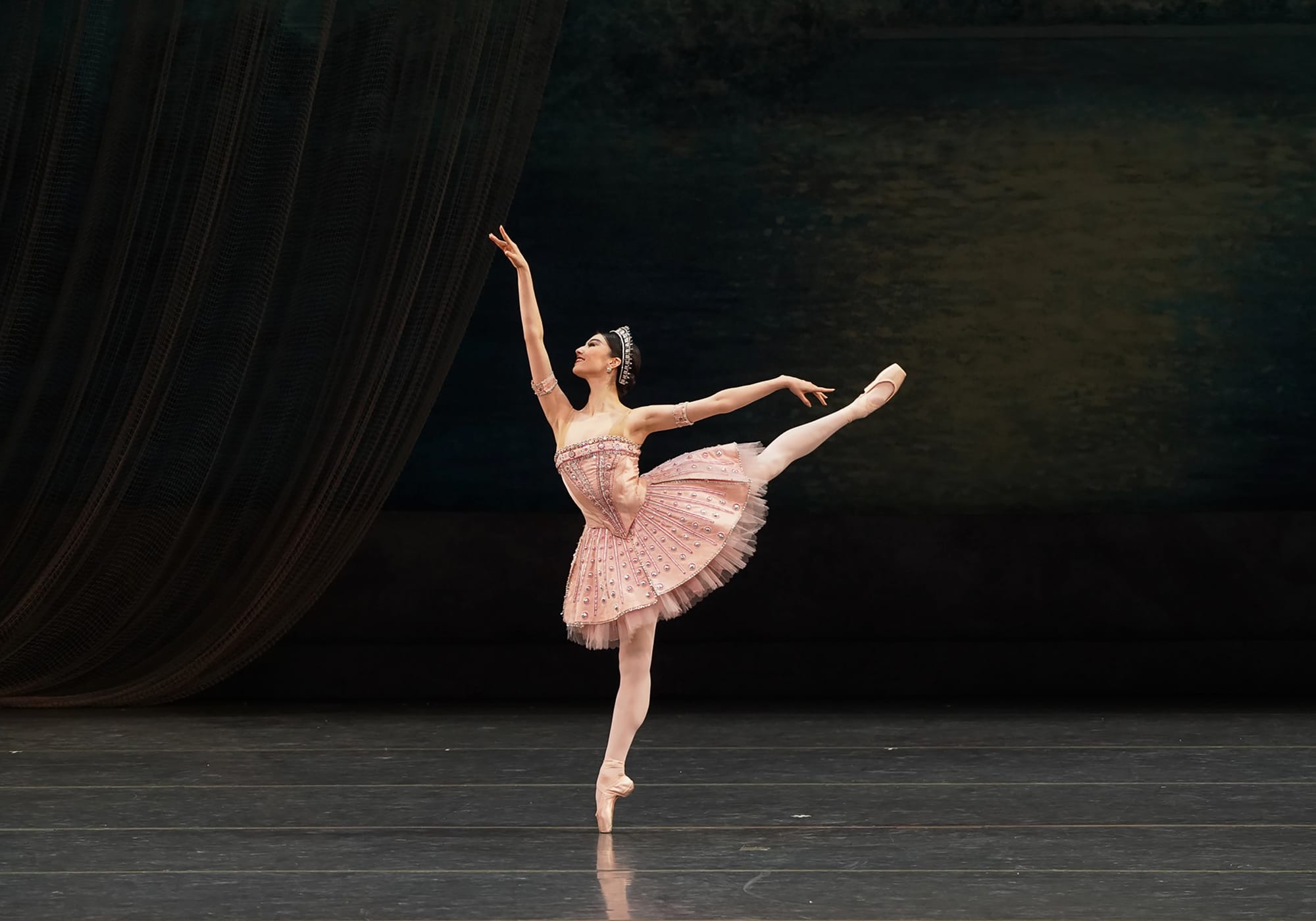
Royal to some extent had the opposite issue; his generous, engaging presence was often overshadowed by his technical issues. Though he can be a powerful force in more modern works, he does not have the line or the control, especially in his feet, for the more exposed classical variations; at one time he stopped a series of turns and posed until the music stopped. This was certainly a better option than coming unstuck, and his lilting melancholy as he searched in vain during the brief vision scene was direct and moving, but it was a disappointing performance. Misseldine was able to combine technical aplomb with warmth, and she used her long, strong legs and gracious upper body well, sailing through the tricky pas de trois. Though she did have a rather fixed expression, she is a dancer of natural authority.
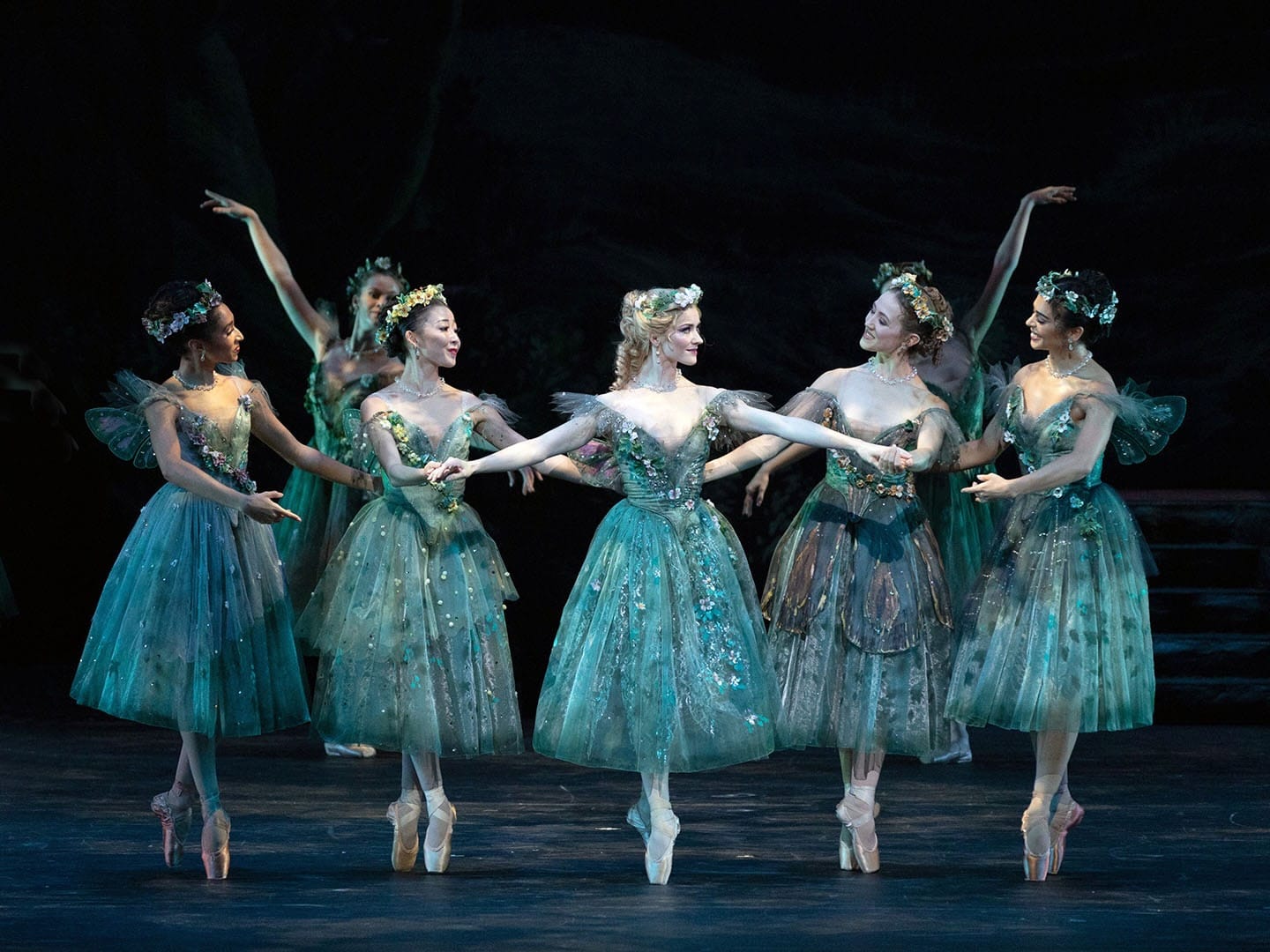
There were no fixed expressions in “The Dream” though there was much natural authority. Cassandra Trenary and Daniel Camargo were a very funny and feisty Titania and Oberon. Trenary was an emphatic, commanding Queen, clearly used to getting her own way. Her dancing was crisp and clear, and she had much of Antoinette Sibley’s (the original Titania) willful air, though not quite all of her diamond-sharp footwork; her melting arabesques, though, in the final pas de deux, were exquisite. Despite her very attractive glittery costume, there was nothing cosy about Trenary, she was powerful and potentially dangerous, which made her helpless infatuation with Bottom all the funnier. I did miss the almost hesitant air of awed rapture when she first saw the creature, such a rueful comment on love’s blindness; Trenary saw what she wanted and rushed to get at him, which did suit her decisive approach very well.
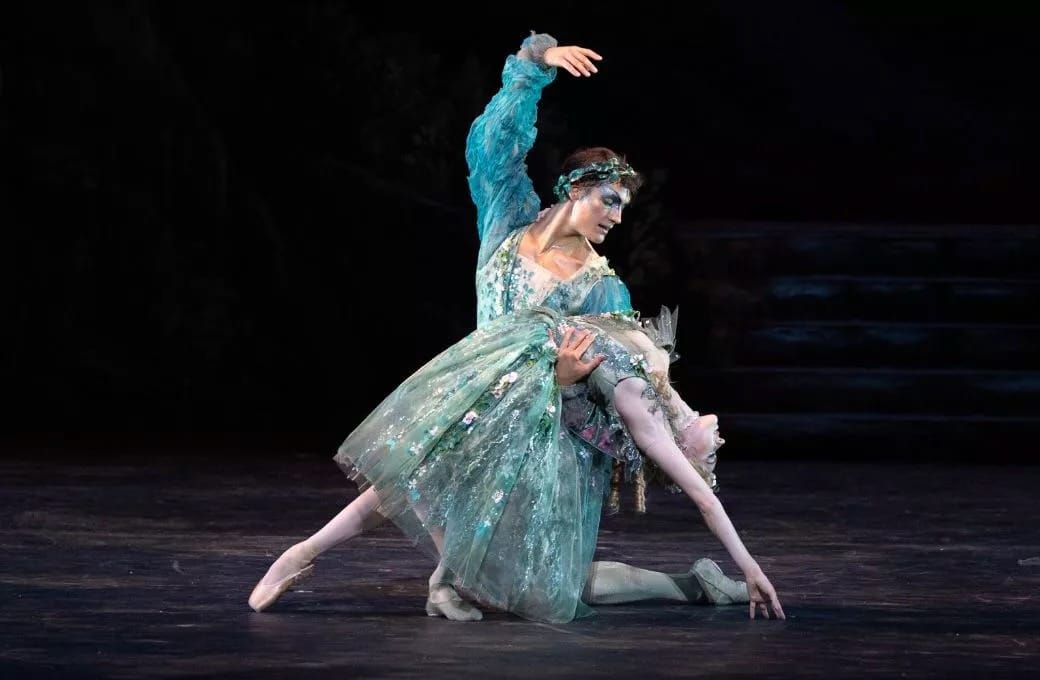
Camargo’s Oberon was equally detailed; from the moment he walked on swishing his cape, he was a power to be reckoned with, and his amused disdain when dealing with those foolish mortals was wonderfully clear. He had both the speed and the elegance needed for Oberon and negotiated those plush, expansive arabesques seemed to be second nature to Anthony Dowell with only a few minor wobbles. The final pas de deux, with its tricky partnering and synchronized movements was so strongly and musically danced that the difficulties seemed to fade away, leaving the poetry.
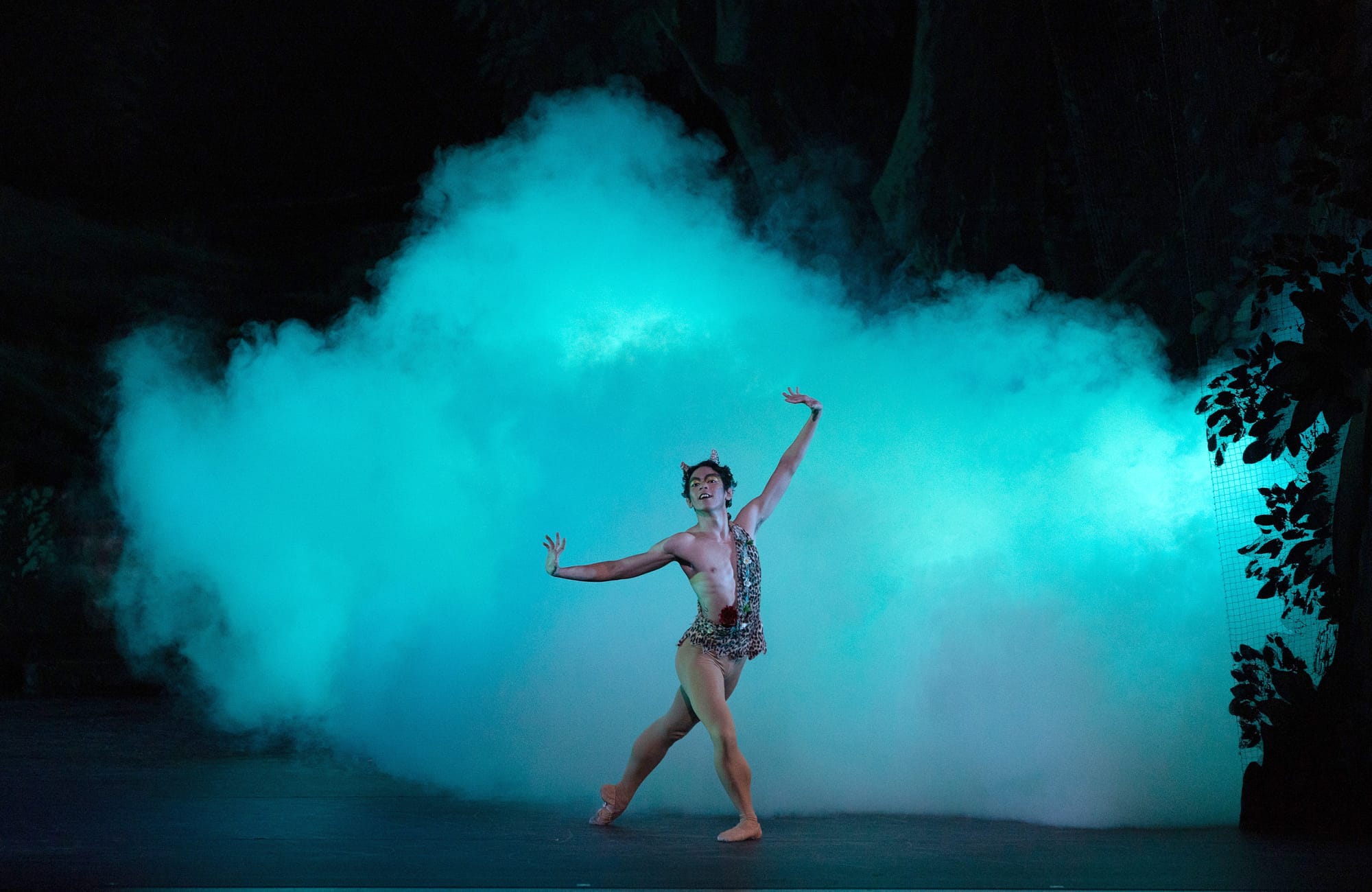
Elwince Magbitang was a lively Puck, flying through the jumps and turns and reveling in his mischief. He and Camargo had a fine rapport, playing with the expressive mimed plotting Ashton devised. Their mimed plan to trick Titania was clear and thoughtful, with pauses to think and react; they were certainly not just killing time until the next chance to jump, thrilling though those jumps were. And his final little shrug said as clearly as any actor “Lord, what fools these mortals be”.
Bottom, one of the most foolish of these mortals, was danced by Melvin Lawovi, who joined the corps in 2021, showing, it appears, that ABT is willing to challenge young dancers. It certainly paid off in this case, as Lawovi created a distinctive and detailed donkey. He had no trouble with the point work; if anything, he made it look too easy and elegant for the poor oaf, but I loved his musical swagger, as he almost skipped around Titania. I did miss the almost pathetic embarrassment at the memory (or dream) of the beautiful Titania and the final, frightened backward glance at the forest that Alexander Grant had (he could make you cry over Bottom’s fear, confusion, and longing) but Lawovi’s youthful, bumptious optimism and pure joy was irresistible. And so it that wonderful ballet.
© 2023 Mary Cargill