Lest We Forget
"Nocturne in E Flat", "Witch Dance", "Brahms Waltz", "Quasi Waltz", "As I Remember", "Time is Money", "Mourner's Bench", "Lyric Suite", "Second Line Blues", "Bonewash", "Short Story", "Etude, Op. 9 No. 12"
Modern Rebels
Sokolow Theatre/Dance Ensemble
The Tank
New York, New York
May 30, 2018
by Mary Cargill
copyright © 2018 by Mary Cargill
The generous program put together by Samantha Géracht, the Artistic Director of the Sokolow Theatre/Dance Ensemble, was made up of short dances (mainly solos) by some of modern dance's early choreographers along with three newer works. With the exception of Talley Beatty's "Mourner's Bench", the older works were all by women, a fitting tribute to those pioneers, and appropriately the program opened and closed with works by Isadora Duncan, a gracious nod to her importance. Any reconstruction (or re-envisioning, as the credit for Mary Wigman's "Witch Dance" calls it) is bound to be, if not suspect, at least questioned, but the evening was a performance, not a dance history conference or a visit with old scrapbooks, and the most important question, for me, was "does it work?" and by and large the evening's dancers were by turns gripping, profound, and yes, entertaining.
Though this was not a "compare and contrast" exercise, it was fascinating to see the various choreographers (who also included Ruth St. Denis, Doris Humphrey, Anna Sokolow, and Jane Dudley) performed back to back, and certain themes did appear, not least the constant, imaginative, and urgent use of the floor. The early dances often had a potent individuality, even with the dancers wafted around in Grecian dresses, though to my mind the Duncan dances and St. Denis' "Brahms Waltz" did have a whiff of mothballs. It may be that without their originators' personalities, these dances, with their Art Nouveau flourishes, will remain period pieces. Or it may be that in today's climate, the fiercer, grittier works seem more vivid.
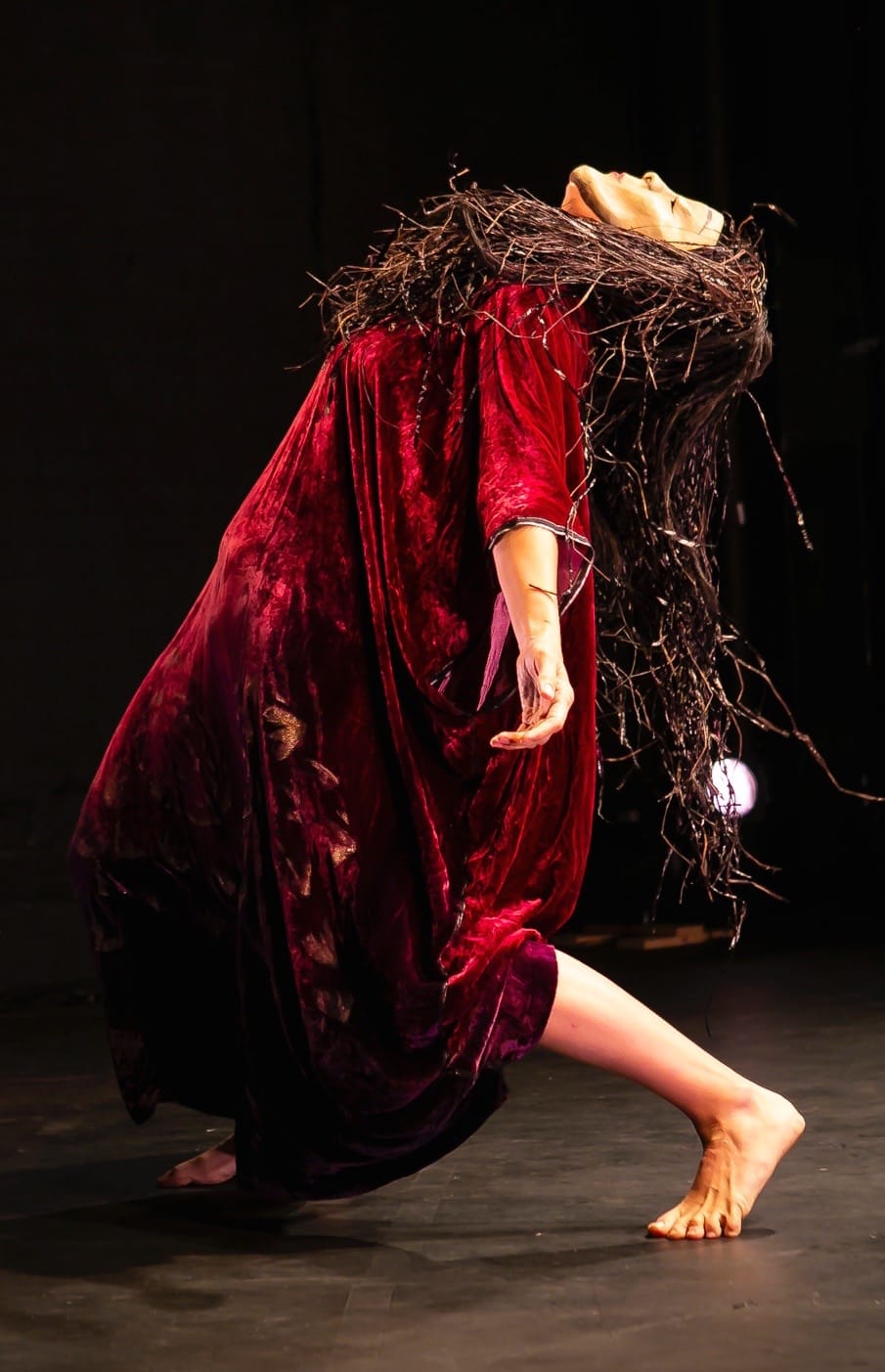
Few were more vivid than "Witch Dance", which was, according to the program, inspired and re-envisioned by Wigman's "Hexentanz" (1926). Mary Anne Santos Newhall, a dance professor at the University of New Mexico, was the re-envisioner, but the solo, danced with frightening concentration by Jennifer Conley, had no hint of the classroom and looked very similar to the youtube film with Wigman herself.
The masked dancer, starting on the ground, wove sharp, coiling shapes with claw-like hands, accompanied by a clashing score by the modern composer Jack Manno (which also sounded very like the youtube video). It was like watching an ancient ritual of unadorned hatred, a powerful and unforgettable sight.
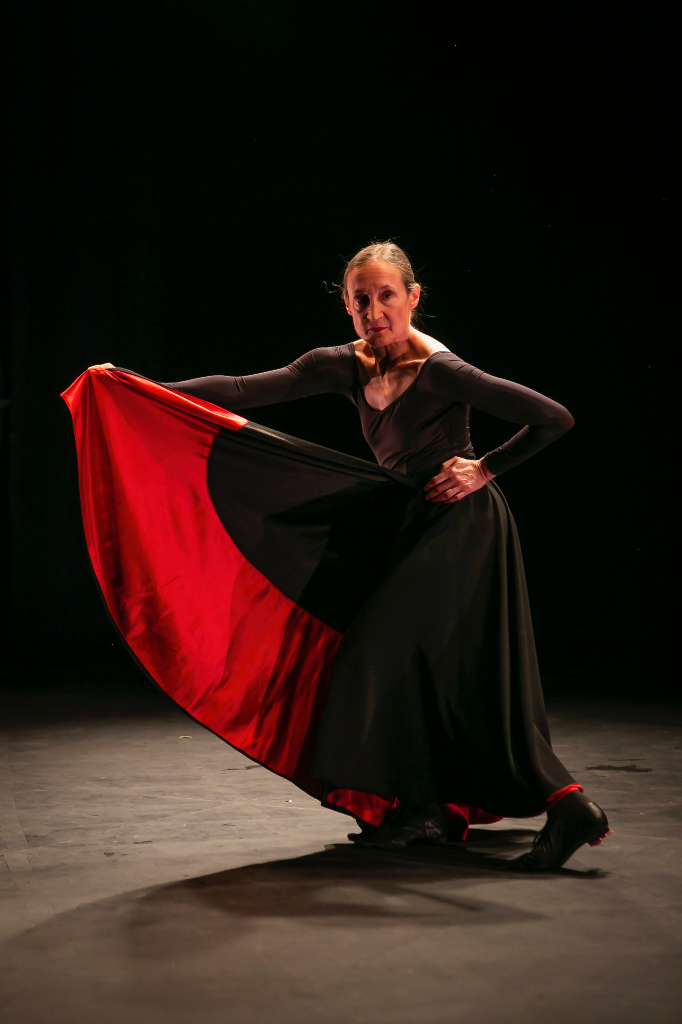
The first solo in Sokolow's "As I Remember", a collection of three vignettes, was equally powerful as Lauren Naslund danced the "Lament for the Death of a Bullfighter" (1941) with a direct simplicity. She evoked the bullfighter's cape with the flash of her skirt as she impassively acknowledged the cheers of the crowd, rising one last time after being gored. This was the matador as exploited worker, too proud to protest as he was sacrificed for the crowd's entertainment.
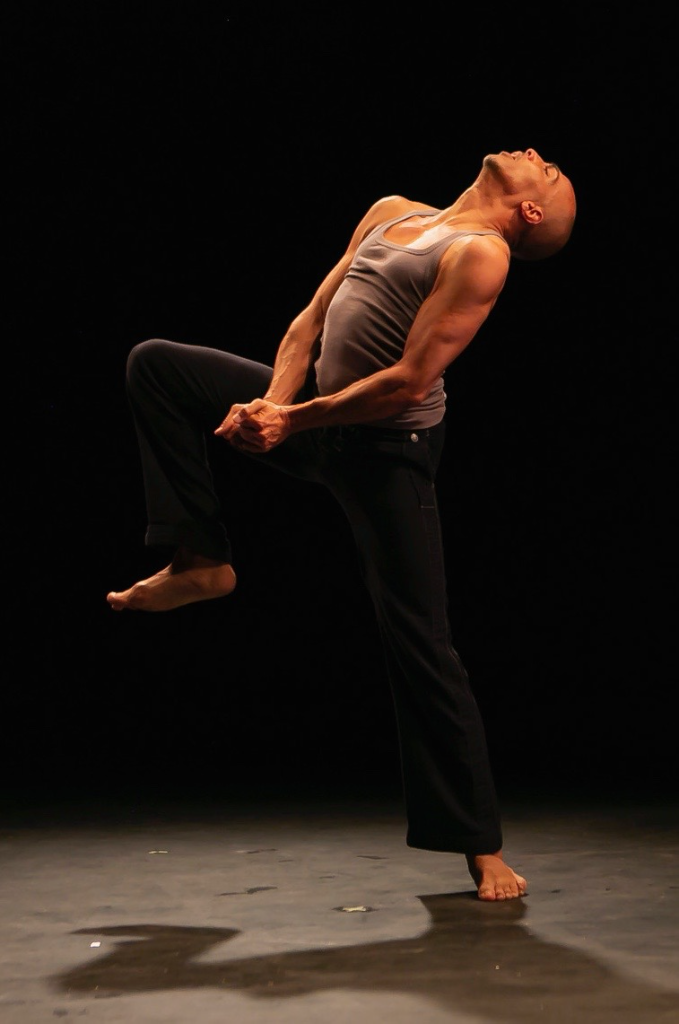
Jane Dudley's "Time is Money" (1934) is not too proud to protest and it is insists that we remember. Set to a recording of a poem by Sol Funaroff (a working class writer from New York's Lower East Side) the dancer, Martin Lofsnes, pounded through the chant ("Time is money...charred bodies in white-hot steel"). Lofsnes gave the work a passionate yet hopeful anger; this was a demand for reform, not an elegy.
Beatty's "Mourner's Bench" (1947), to the spiritual "There is a Balm in Gilead," was both an elegy and a solace (the sound of those opening vowels sung by a choir is serenity at its most potent). Clarence Brooks danced on and around a bench, embodying the feeling of the music rather than just echoing its sound as he pushed and pulled against some unseen force, reaching for and finally attaining a hard won balance. His peace was earned after a struggle and the choreography didn't sugar coat the effort, as his muscles (reflecting perhaps his soul) strained with a fragile but indomitable power.
Jamie Blanc's "Short Story" (2017), the most successful of the newer works, had no sugar coating either, as Christine Dakin, a former Graham dancer, encapsulated the anguish of a woman in the middle of a mental breakdown, remembering the happiness of her youth. (It seemed to evoke one of Tennessee Williams' fragile heroines, and indeed, when I checked the program after the performance, it was inspired by Williams' one-act play, "The Lady of Larkspur Lotion".) Dakin was phenomenal, with her faded elegance mingling with a raw and unsentimental power. Stanley Love's irritating "Bonewash" (2004), with its approximately 30 second loop of a Laura Nyro tape playing over and over as Lisa Thurrell made vague and somewhat portentous gestures did at least frequently remind the audience that there is "Nothing like the real thing", a fitting epigraph to Dakin's dancing and to the entire evening.
Copyright © 2018 by Mary Cargill