In With The New
"The Collective Agreement", "Crepuscular", "Concerto"
The National Ballet of Canada
Four Seasons Centre for the Performing Arts
Toronto, Canada
November 9, 2022
The National Ballet of Canada's 2022-2023 season opened with a mixed program ushering in the new. Toronto-born Hope Muir started her appointment as artistic director of the company in January 2022, marking a new era after Karen Kain's 16 year tenure in the role. This repertory program is the first Muir has put together for the NBoC. Muir has expressed a commitment to foster more diversity in the company and its programming, which could be seen here. It featured a new work created by Vanesa G.R. Montoya, principal dancer at Les Grands Ballets Canadiens de Montréal, which premiered in the summer of 2021 during the company's outdoor performances at the Harbourfront Centre. It also included Alonzo King's "The Collective Agreement", the NBoC's first acquisition from King and the first time this work has been performed in Canada. The program concluded with a revival of Sir Kenneth MacMillan's "Concerto", last performed by the company in 1990.
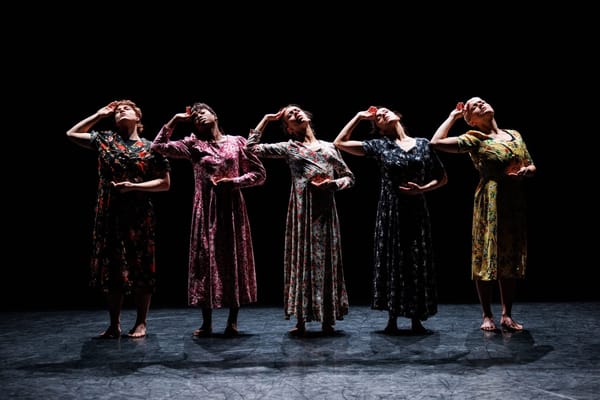
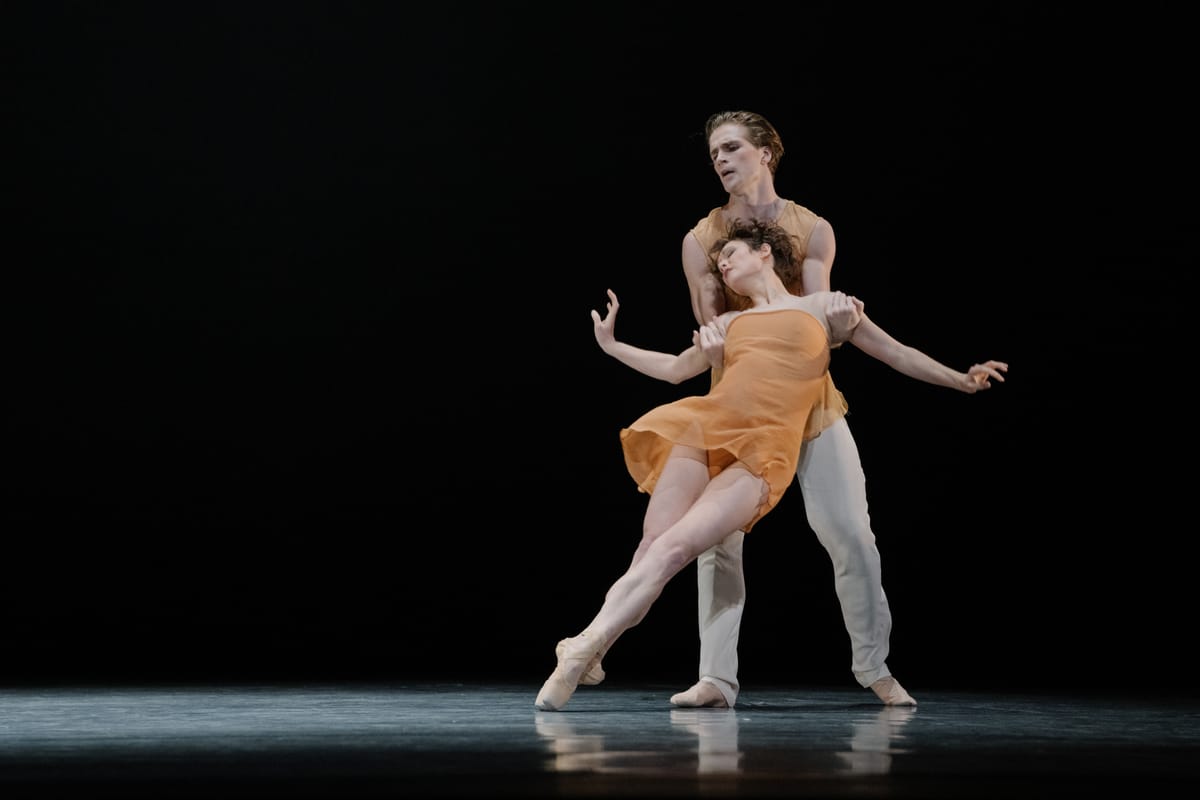
Montoya's "Crepuscular" explores the mystery and possibilities of twilight, using a selection of piano works by Frédéric Chopin and atmospheric lighting by Jeff Logue to set the mood. Created during the pandemic, its premiere was delayed multiple times with the changing restrictions and lockdowns. "Crepuscular" feels quiet and intimate, reflecting perhaps the isolation and introspection brought on by the pandemic. The stage is open and sparse and the dancers wear simple, minimalist costumes (by the NBoC wardrobe department led by Stacy Dimitropoulos) and soft shoes. The ballet starts in silence with a foggy scene and a group of scattered dancers looking up, observing. The group clears and makes way for a melancholic solo that becomes a dramatic pas de deux for two men, Jason Ferro and Christopher Gerty, to Chopin's famous "raindrop" prelude. The choreography is athletic with seamless floorwork that glides across the stage. Ferro and Gerty were well matched in energy and dynamics. Gerty, in particular, really committed to the more vernacular elements in the choreography. He was not afraid of looking awkward and it paid off. The colours shift to warm sunrise hues and there is a romantic pas de deux for Isaac Wright and Tene Ward. Ward was strong and expressive, while Wright was more understated but equally engaged. Finally, there is a a pas de deux for Kota Sato and Brenna Flaherty full of yearning, tension and acrobatic partnering. Small groups of dancers weave in and out between each pas de deux.
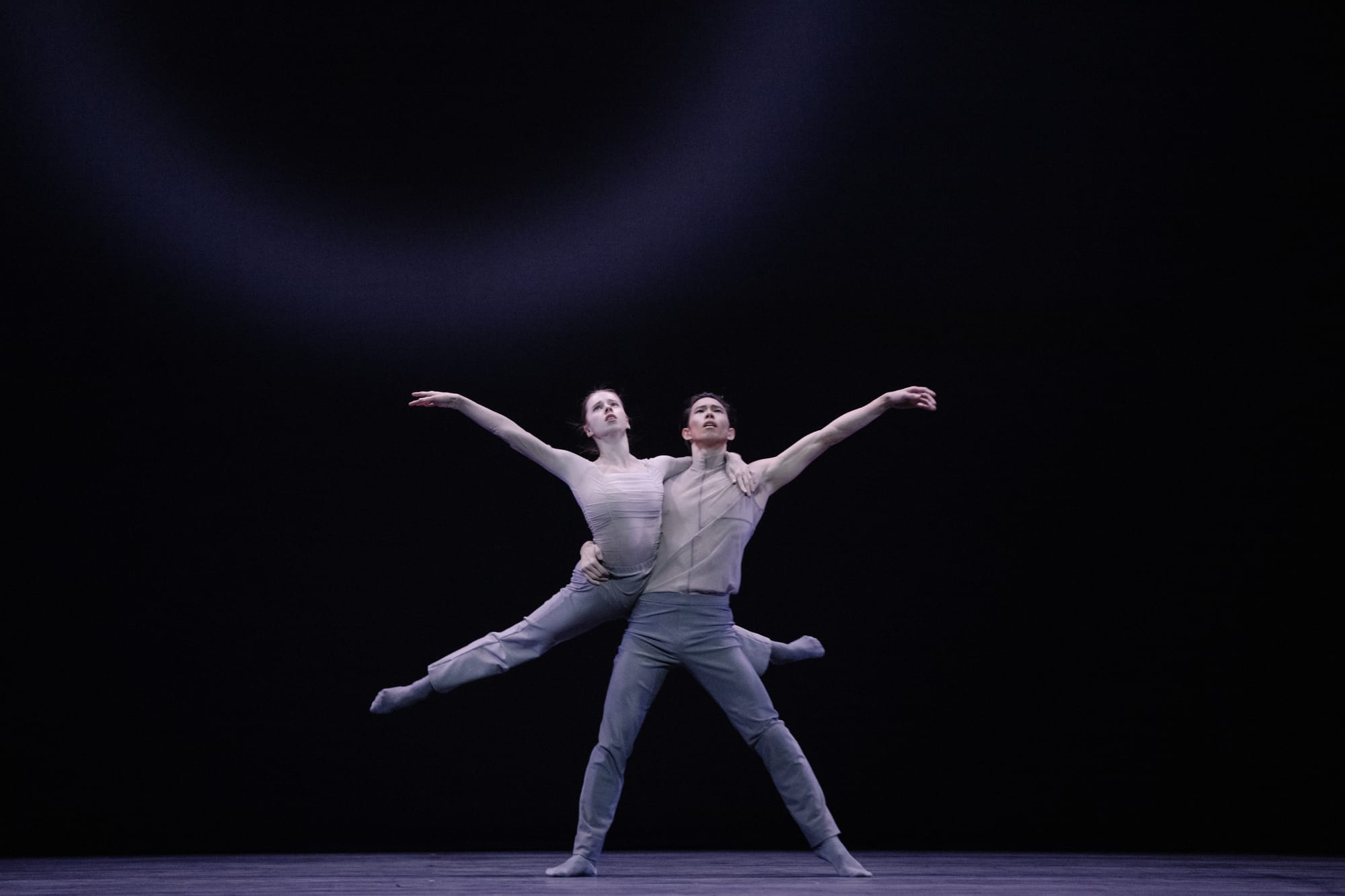
Montoya avoids the most obvious cues in the music, which makes the ballet more exciting and unpredictable, although the very rigorous, gymnastic elements (including cartwheels) do not always match the tone of Chopin's music. While possibly intentional, it can feel odd at times. The are other moments with nods to classical technique. Unfortunately, the smooth flow of "Crepuscular" was interrupted by a flurry of phones beeping for an amber alert (an emergency alert system in Ontario that causes phones to ring even when turned on silent). The dancers impressively maintained composure despite the significant disruption.
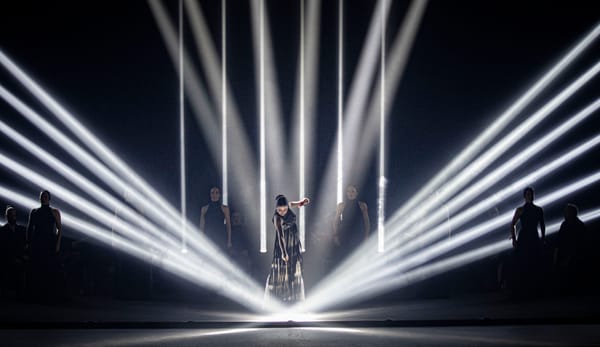
Next, was King's 2018 work "The Collective Agreement". This conceptual work is a commentary on the need for community and collaboration over competition, and the social contract that connects us all. King's choreographic style is punctuated with clear shapes and picture-perfect lines. He plays with the negative space between partners or under an arm position. The set consists of a hanging light installation by Jim Campbell and cinematic music by jazz pianist and composer Jason Moran. Costumes by Robert Rosenwasser range from velvet bodysuits to angular skirts for all genders and simple tights with gauzy tank tops. Different groupings of dancers in various attire are initially disparate. The abstract movements gradually convey a spirit of partnership and compromise as dancers lean on one another with ever shifting weight placement and contort around each other. There are some beautiful moments between Harrison James and Jurgita Dronina, who form a steady connection at the heart of the ballet. Unsurprisingly though, the ensemble segments are the strongest parts of "The Collective Agreement". The individual dancers, pairs and groupings join together as the work progresses in a crescendo of joint effort with 20 dancers moving in unison.
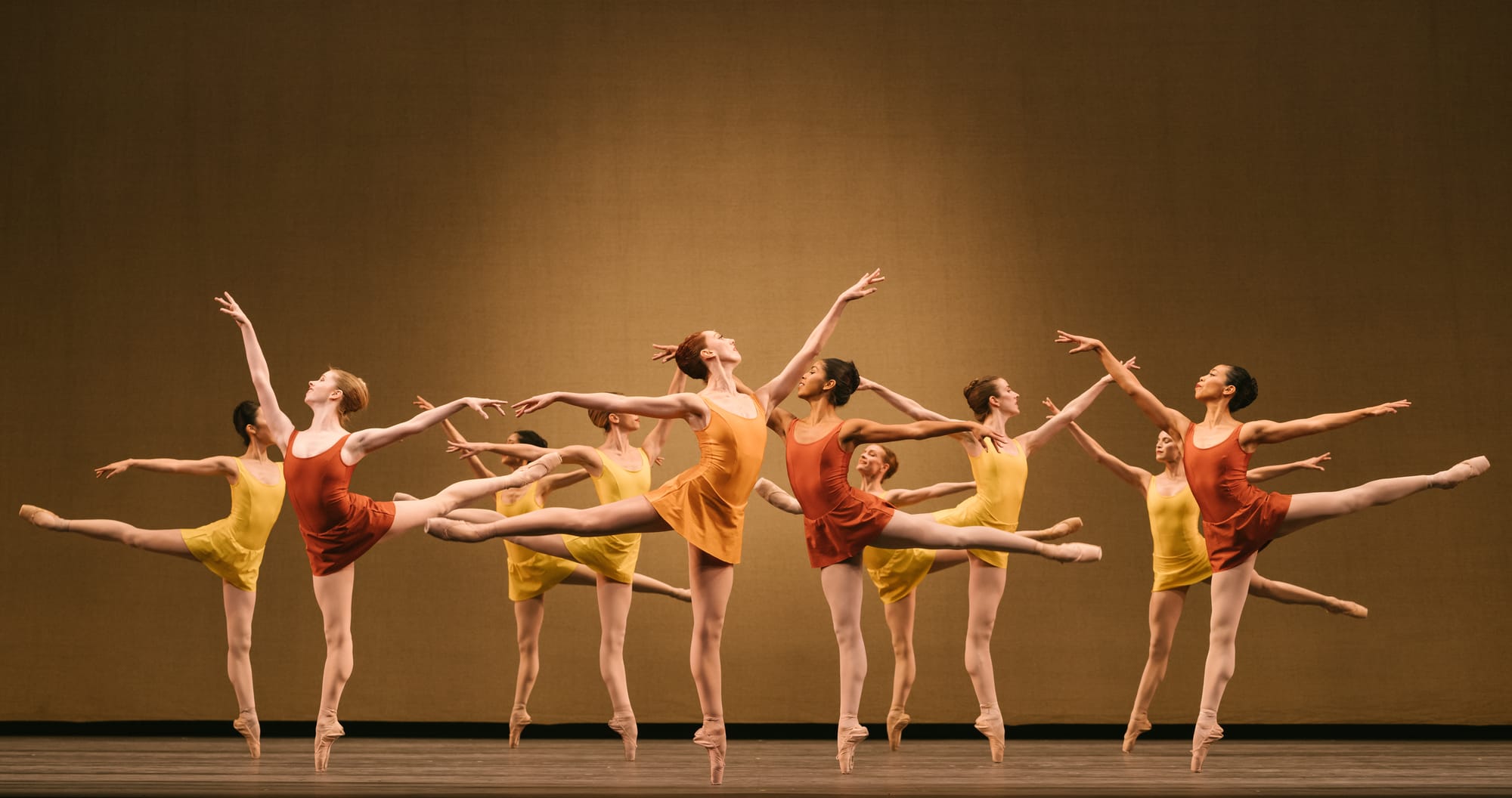
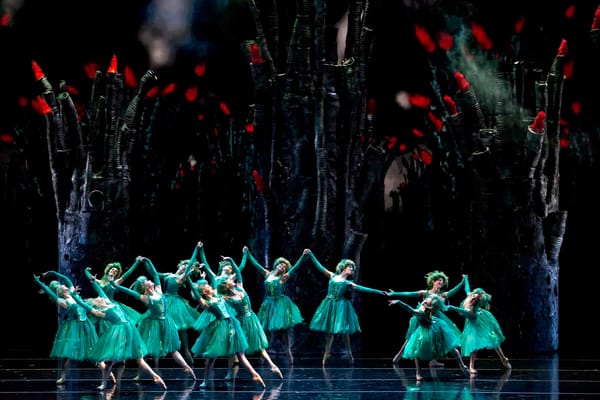
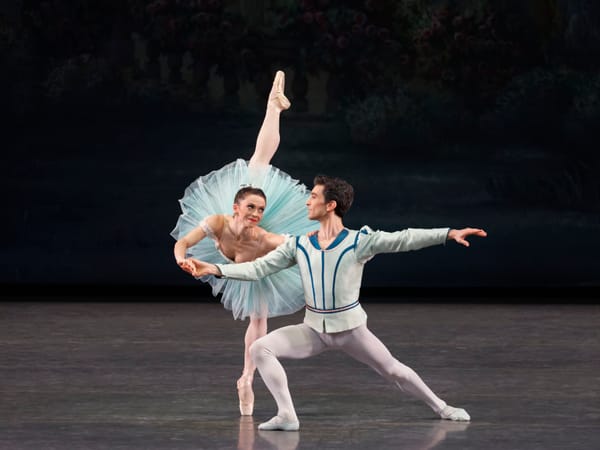
The program closed with MacMillan's sprightly and technical "Concerto". Colorful, cheeky and upbeat, "Concerto" distils Dmitri Shoshtakovich's second piano concerto into a series of precise movements and formations. Few ballets allow one to visualize sound as vividly as "Concerto". The choreography is filled with memorable and impressive moments. Chelsey Meiss' dizzying long run of chaînés in the first movement quickly covers the whole stage and is simple yet virtuosic. A diagonal of grand jetés for the men of the corps de ballet is reminiscent of Harald Lander's "Études". The regal first movement gives way to the sublime, soulful pas de deux of the second movement. The pas de deux was inspired by Lynn Seymour's warm up at the barre and reveals the poetry in the daily ritual of a dancer. Svetlana Lunkina allows herself to indulge in deep souplesse devant with Peng-Fei Jiang providing steady support. Both filled the music with a gentle grace that suspended time until Jeannine Haller sped up the pace in the sunny solo of the third movement. The finale is an expression of the pure joy of dance with crisp port de bras, changing épaulements and bouncing little demi pliés. It was a fitting end to an evening of compelling dance works.
copyright © 2022 by Denise Sum