Fresh Takes
"Walpurgisnacht Ballet," "Flower Festival in Genzano Pas de Deux," "The Wind-Up," "Opus 19/The Dreamer"
New York City Ballet
David H. Koch Theater
New York, NY
January 30, 2026
On a night abundant with debuts, including an all-new second cast for Justin Peck’s “The Wind-Up” which premiered a day earlier, the real revelations came from the repertory. While Peck's latest work stumbled through familiar choreographic territory, the dancers once again proved that a company’s greatest asset is the depth of its talent, not necessarily novelty.
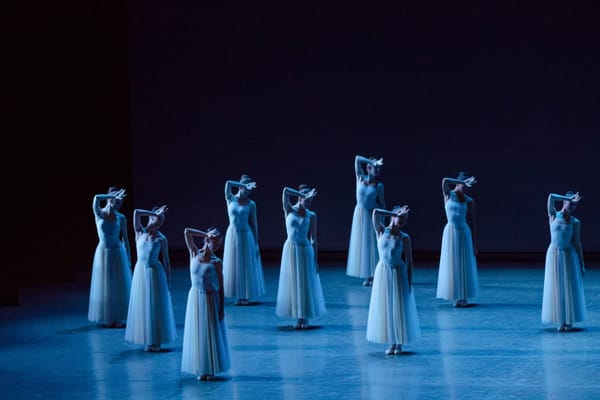
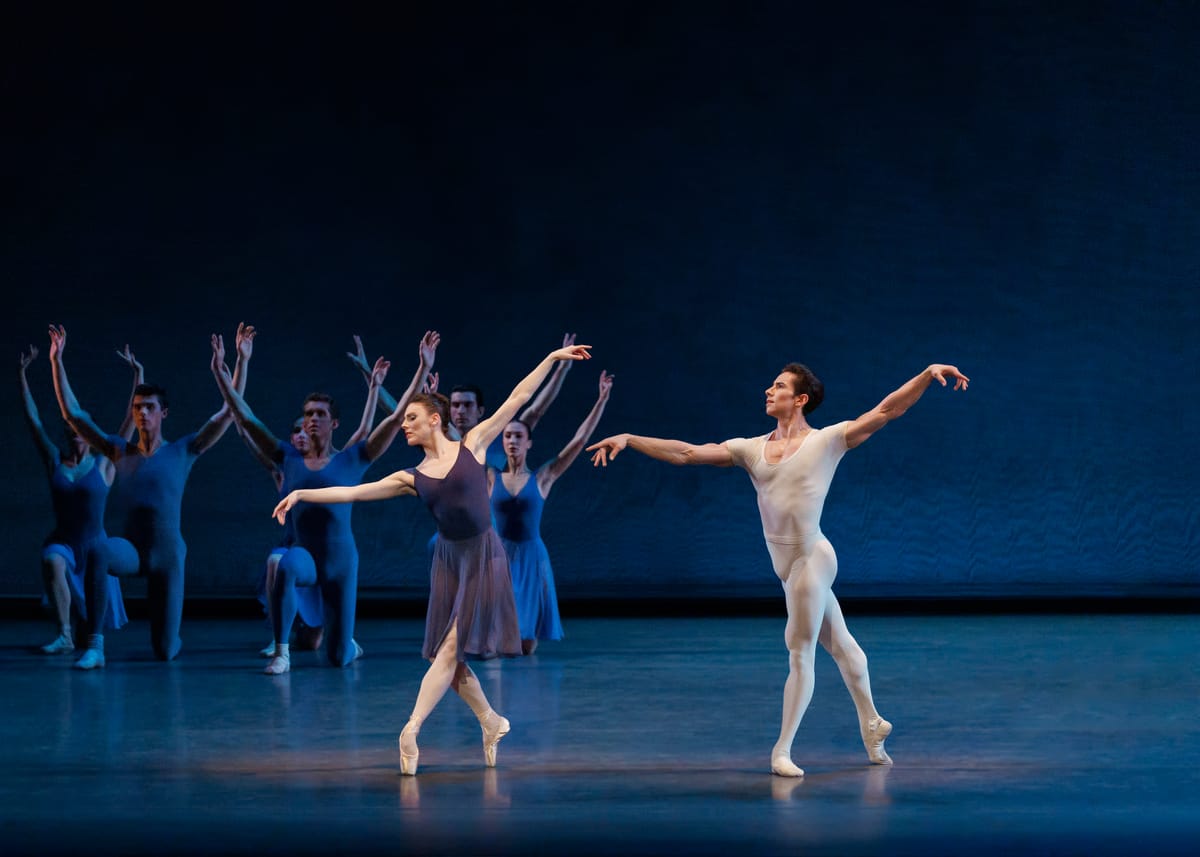
George Balanchine’s “Walpurgisnacht Ballet” was one of the night’s near-flawless delights, with Miriam Miller, in only her second outing in this showpiece, dancing with the authority of someone who's harnessed the role for years. Her breathing arms, expressive back, and complete control all but fully eclipsed the at times shaky partnering by Owen Flacke, making his debut. Surely, the supported turns sometimes looked over-rotated, but Miller made that look intentional, and somehow fitting with the expressive theme. If there was a flaw, it was in the variation, which briefly felt stiffer and heavier than the rest of the dance.
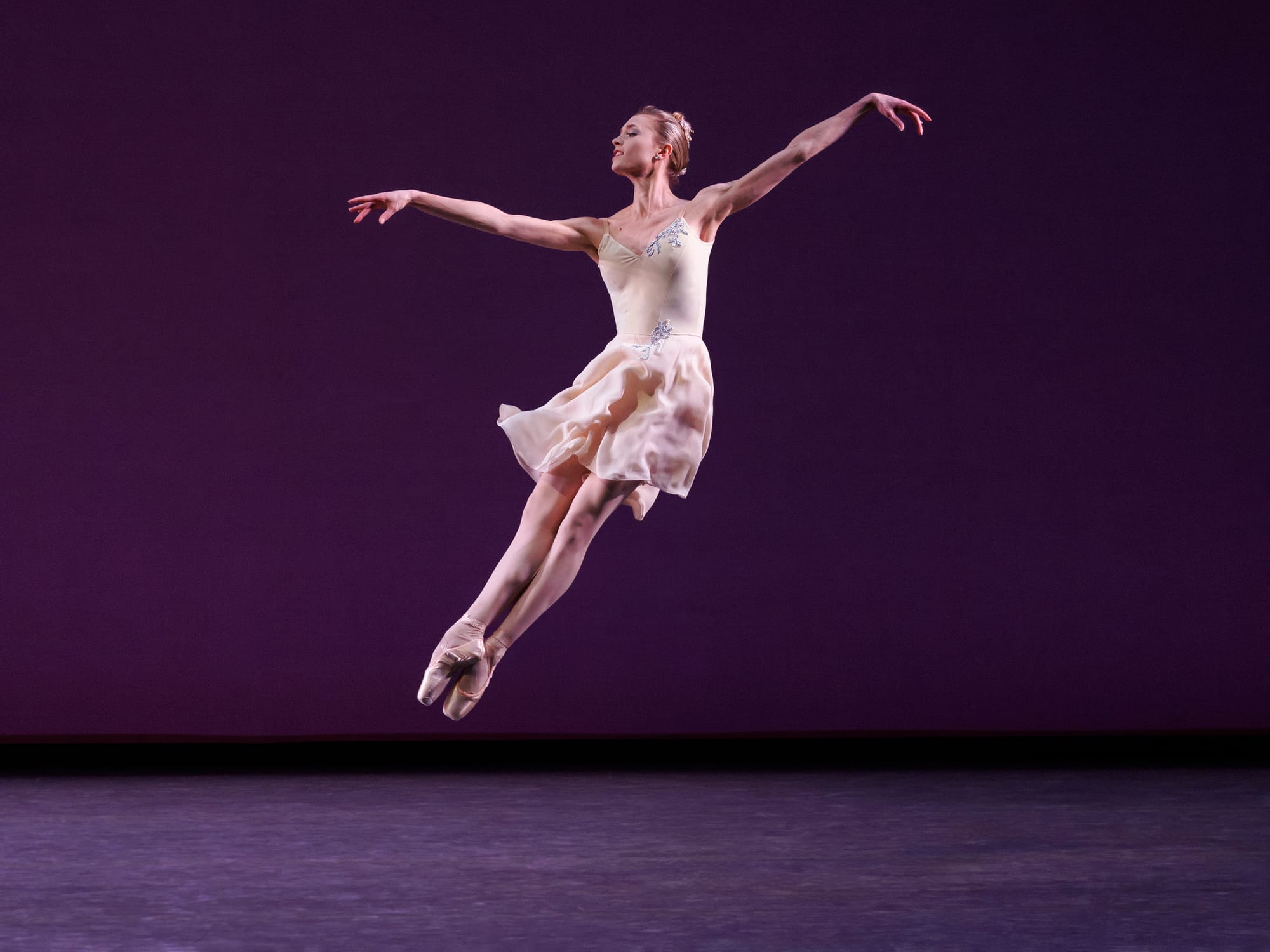
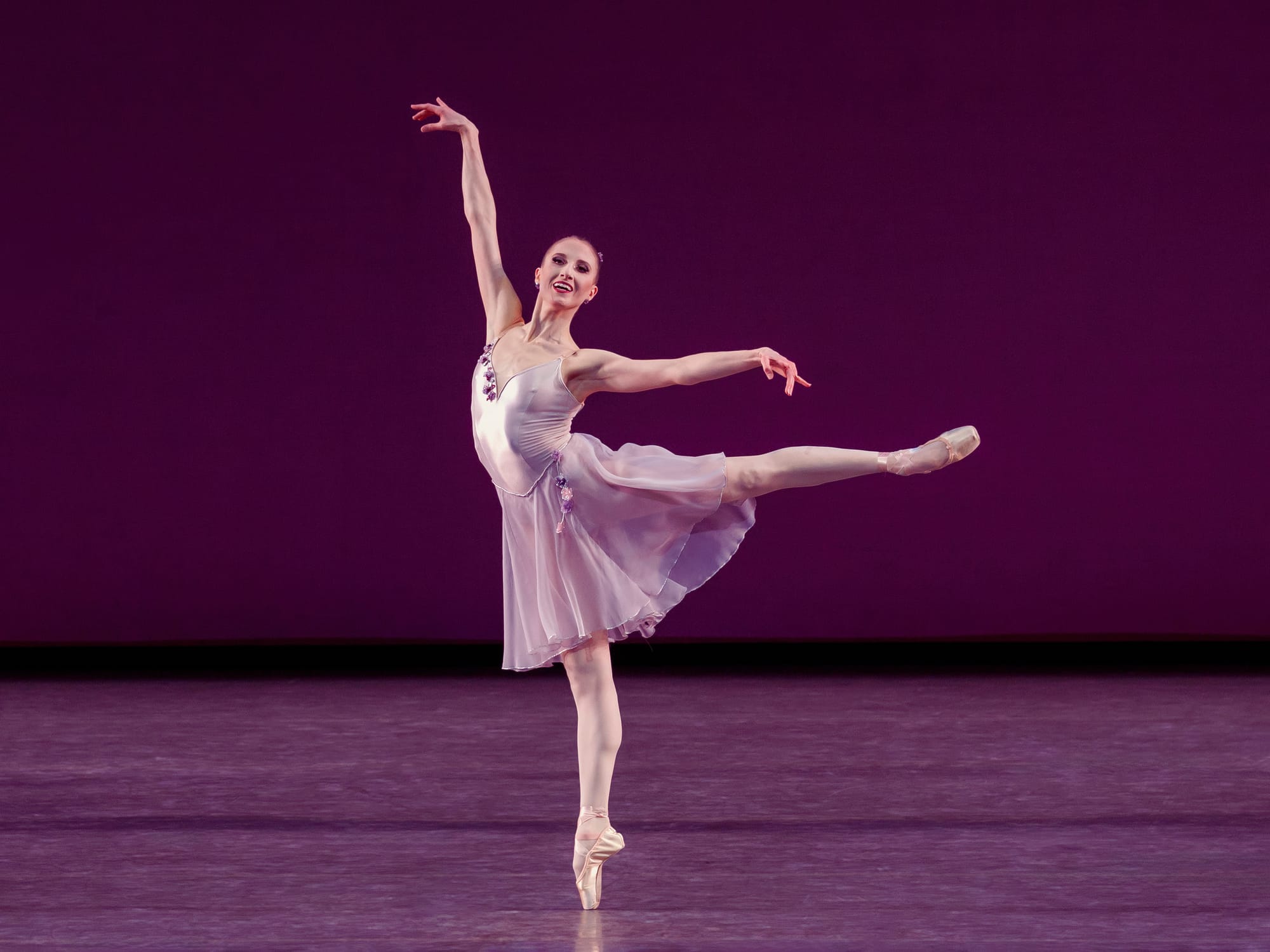
Among the rest of the debutantes, Sara Adams glowed with precision, making sure she capitalized on her incredibly cultured feet in each of the nuanced steps in her variation, while still letting the upper body sign. And then, there was the floating presence of Allegra Inch, whose dancing was refined to the millimeter, and had radiant stage presence. It all did risk falling apart in the finale, where despite all the streaming hair and rhythm, the demonic frenzy the score promises never materialized during the opening movement, but the leads managed to salvage even that with their style and poise.
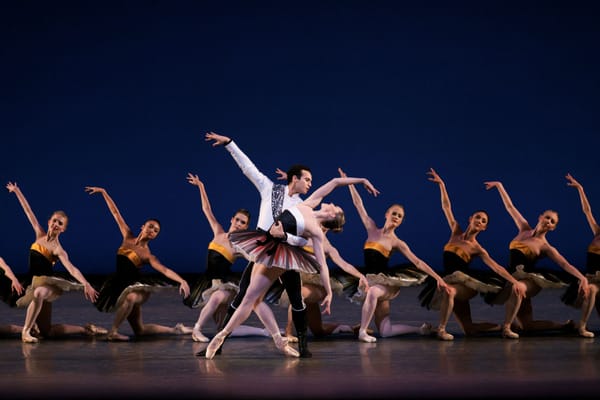
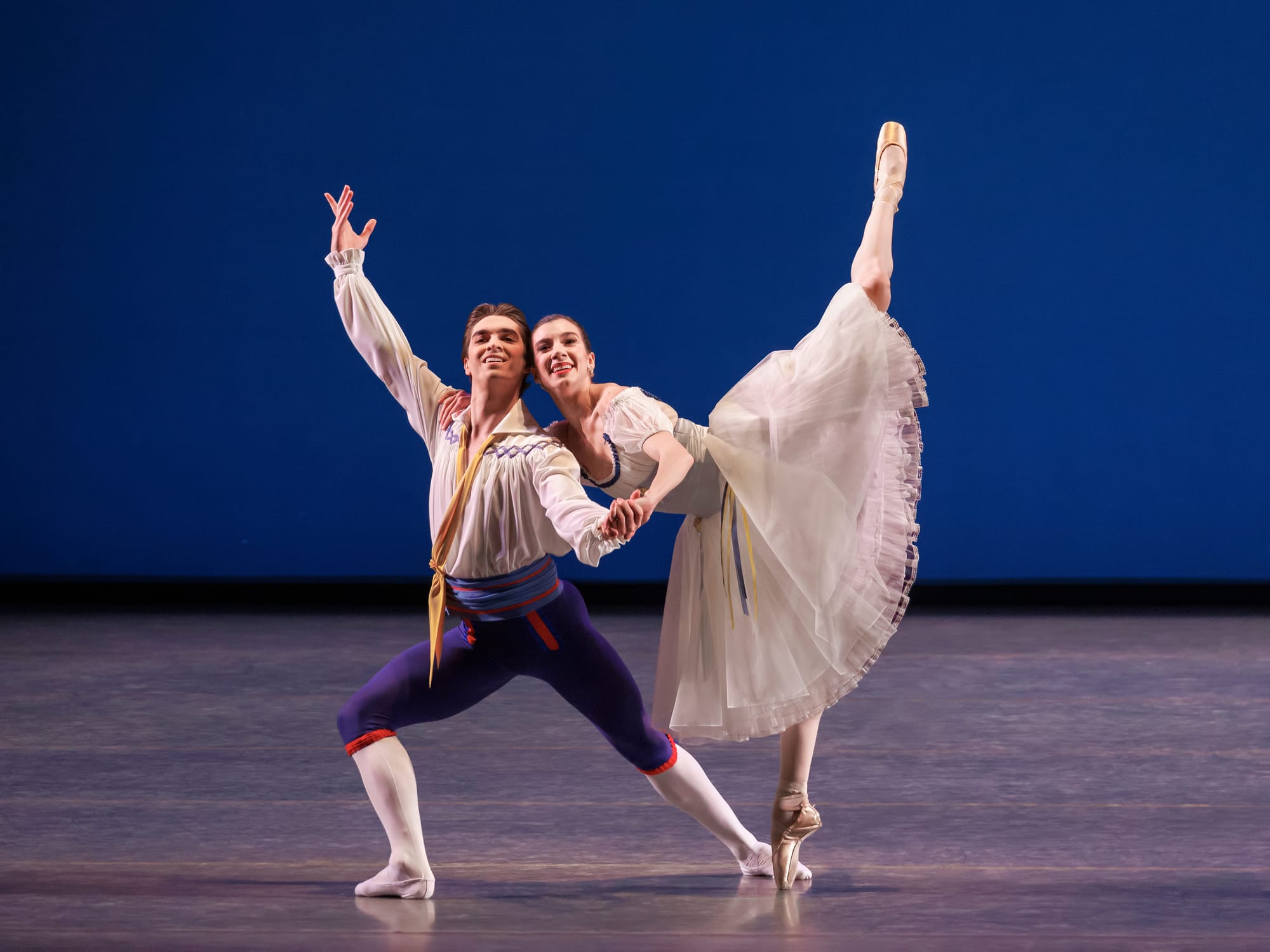
Then, "Flower Festival in Genzano" arrived like a lace doily at a modernist exhibit. This light August Bournonville confection demands sweet innocence and tender decorum of bygone times, but Ashley Hod and David Gabriel, despite giving their all in their debuts, never quite delivered the delicate flirtation. Hod danced with a mature weightiness, her engagement muted, her bourrées and transitions to passé moving like lead. Only in her variation did she soften, graciously acknowledging Gabriel, who spent the pas de deux buoyantly pursuing her affections. He, at least, charmed the audience with youthful polish and frequent gallant acknowledgments.
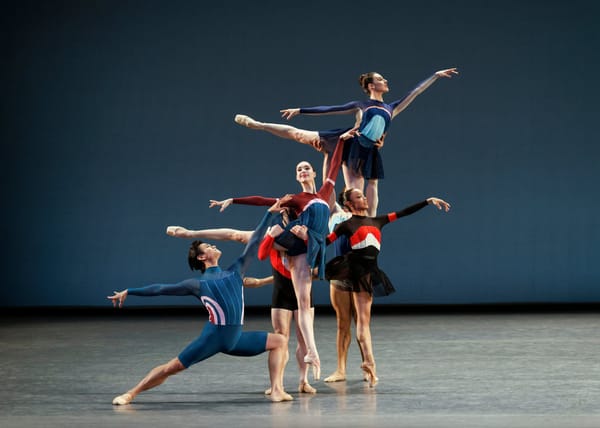
It was unclear what the work was doing on the program, given its stylistic contrast to everything else, especially Peck’s new ballet for three couples. In a surprising departure from his preferred soundscapes, Peck used Beethoven’s “Eroica” Symphony No. 3, yet the choreographic DNA was pure Peck: repeating motifs, single-file runs for the women, floor sprawls, even a recycled cheeky gimmick with a dancer spinning out of the man’s hands to return again (“Dig the Say,” anyone?). The steps piled up without real interplay, and the piece built energy only to deflate before truly winding up. At least the dancing itself shone: KJ Takahashi opened with explosive artistry and newly powerful jumps; Naomi Corti commanded her solo with force and later brought mature depth partnering Peter Walker, and the rest of the cast – India Bradley, Ruby Lister and Ryan Tomash – danced with authority of originators of their roles. It's too bad the costumes shortened the men's legs and muffled the women's motion, and so much of it felt like things we've seen in recent years, again and again, but now set to more demanding music. All told, this was another piece where Peck, a major talent, seemed to be mining creative dry wells. One can only hope his creative drought lets up soon with new muses or inspirations.
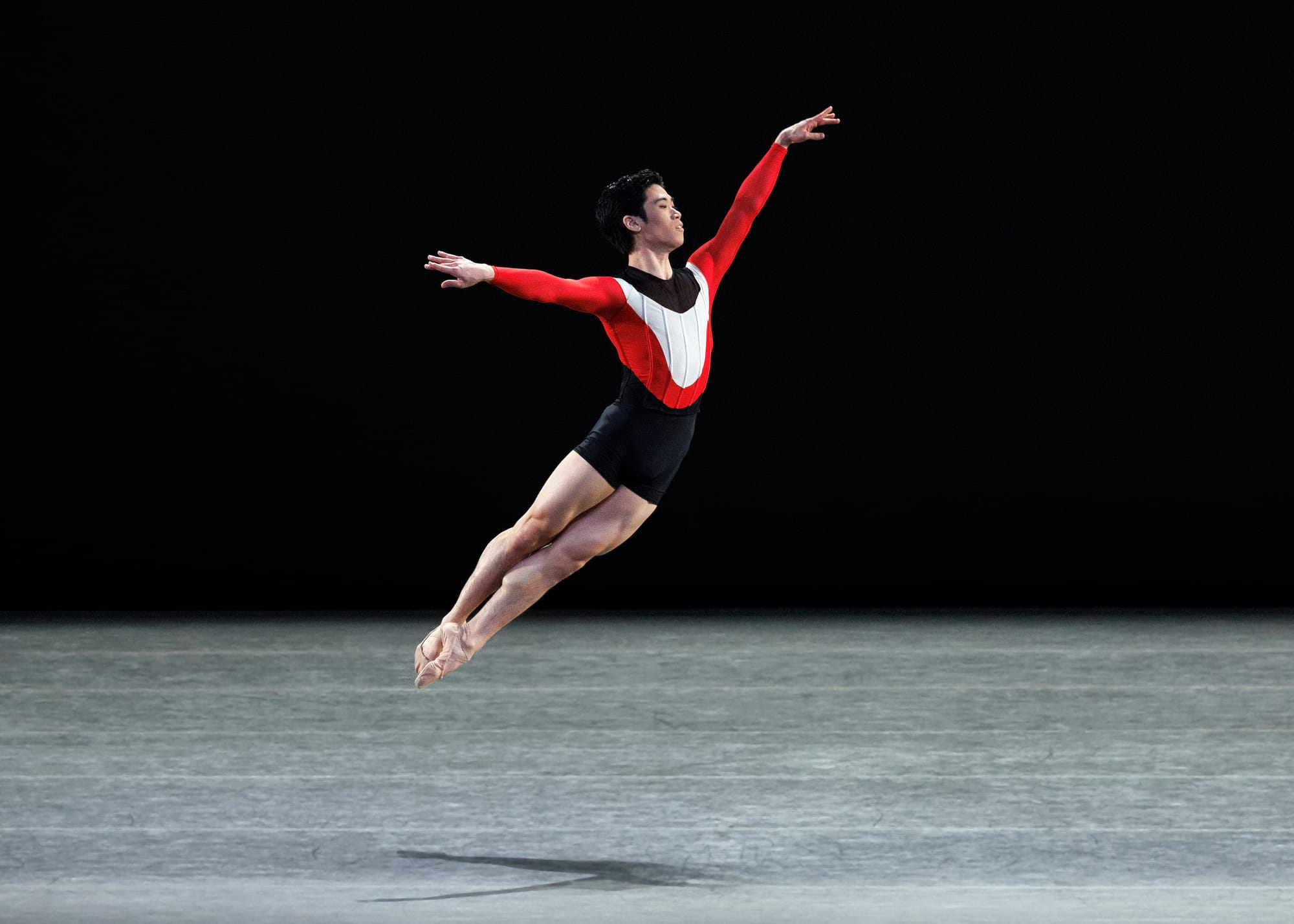
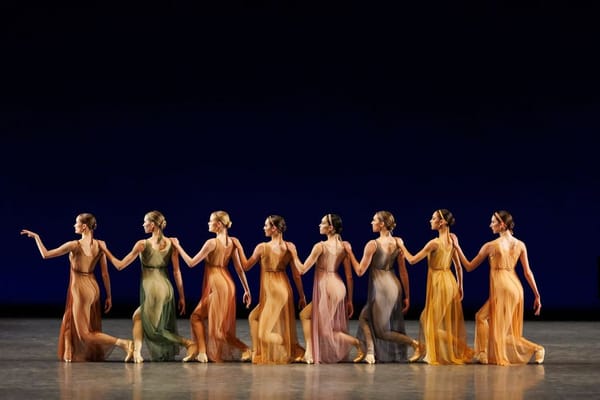
Ending the night, Jerome Robbins’s “Opus 19/The Dreamer” was Roman Mejia’s triumph. Debuting in the signature male role, he overextended himself slightly in the opening, his powerful presence, jumps, and reaches registering as either material misreadings or debut jitters, but he adjusted quickly. Leading the men, he delivered a perfect expression of power and longing, and his partnering of Tiler Peck brought out all the effortless chemistry we've come to expect from this offstage couple. Peck, for her part, appeared effortlessly elegant. This ballerina seemed to have struck a bargain with time: more mature artistically, yet somehow physically ageless. What a treat.
copyright © 2026 by Marianne Adams